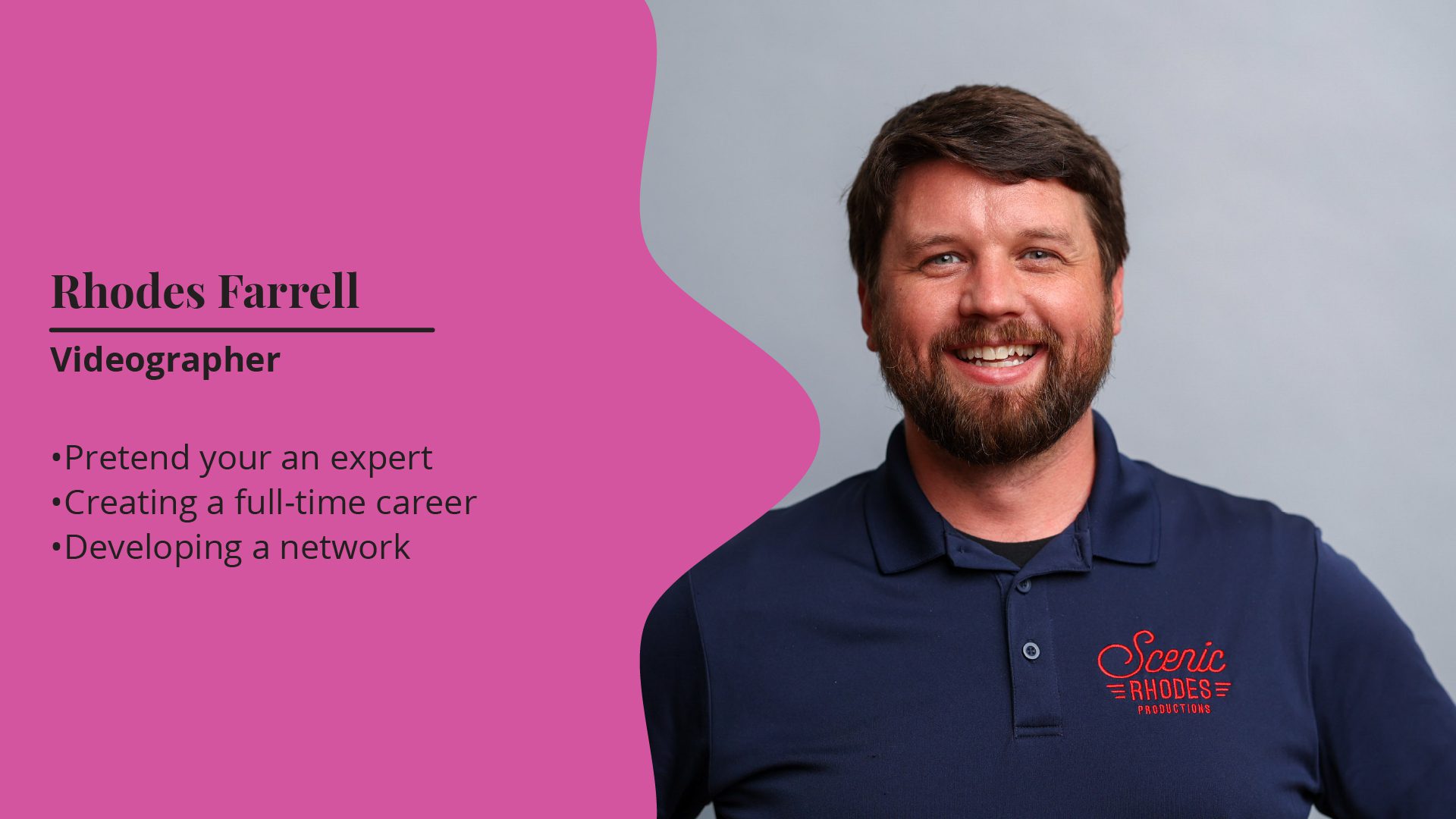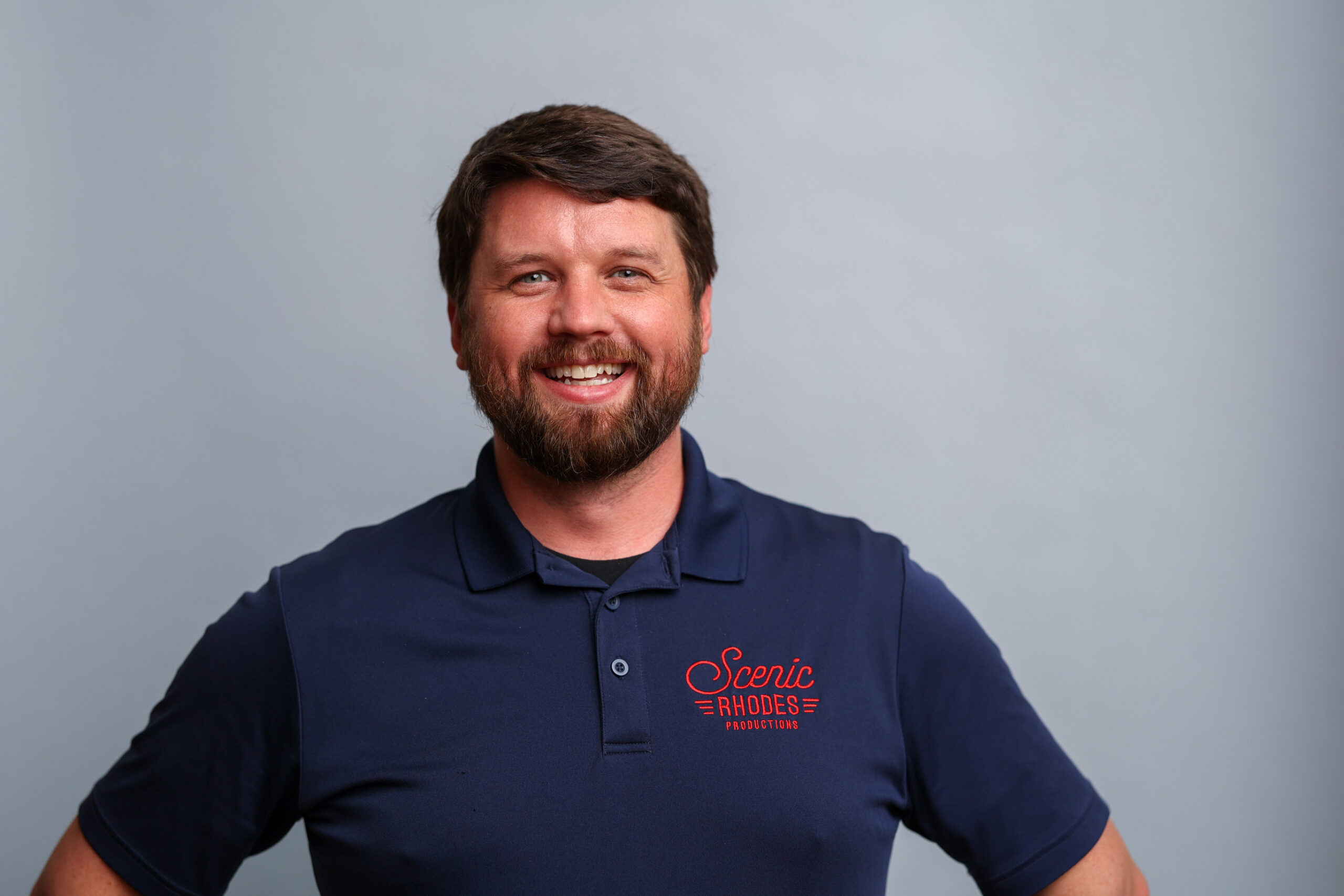
Rhodes Farrell, a videographer based in Spartanburg, South Carolina, offers healthy habits to generate inspiration and build skills that are beneficial not only to filmmakers, but to any creative.
About
Farrell describes the South Carolina filmmaking community with warmth, explaining that moving to South Carolina from Atlanta, Georgia has allowed him to “stretch [his] wings”. Despite still being competitive, the filmmaking community in South Carolina genuinely wishes each other well and Farrell says that “it’s been really great to have that connection where it might have been more cutthroat in other areas.” Farrell has also gotten to know many people in the business in South Carolina and believes that they are good people.
Farrell draws on many Disney quotes for inspiration but also gives good advice himself. Farrell emphasizes the importance of fully reading contracts so that a person can know with one percent certainty what they are signing up for and says “don’t just sign a contract. You get in sticky situations.” Farrell is also a strong believer in the “fake it until you make it” rationale, as he believes it instills a certain amount of confidence in a person.
A final piece of advice that Farrell gives is the importance of learning the skill of public speaking. Public speaking and small talk are a huge proponent of networking and being able to understand those around you, including potential clients: “you kind of learn how to narrow down your communication to the most useful nuggets and be quick about things”
“I would define my creative success; I think it’s that I try to be as chaotically scheduled as possible.”
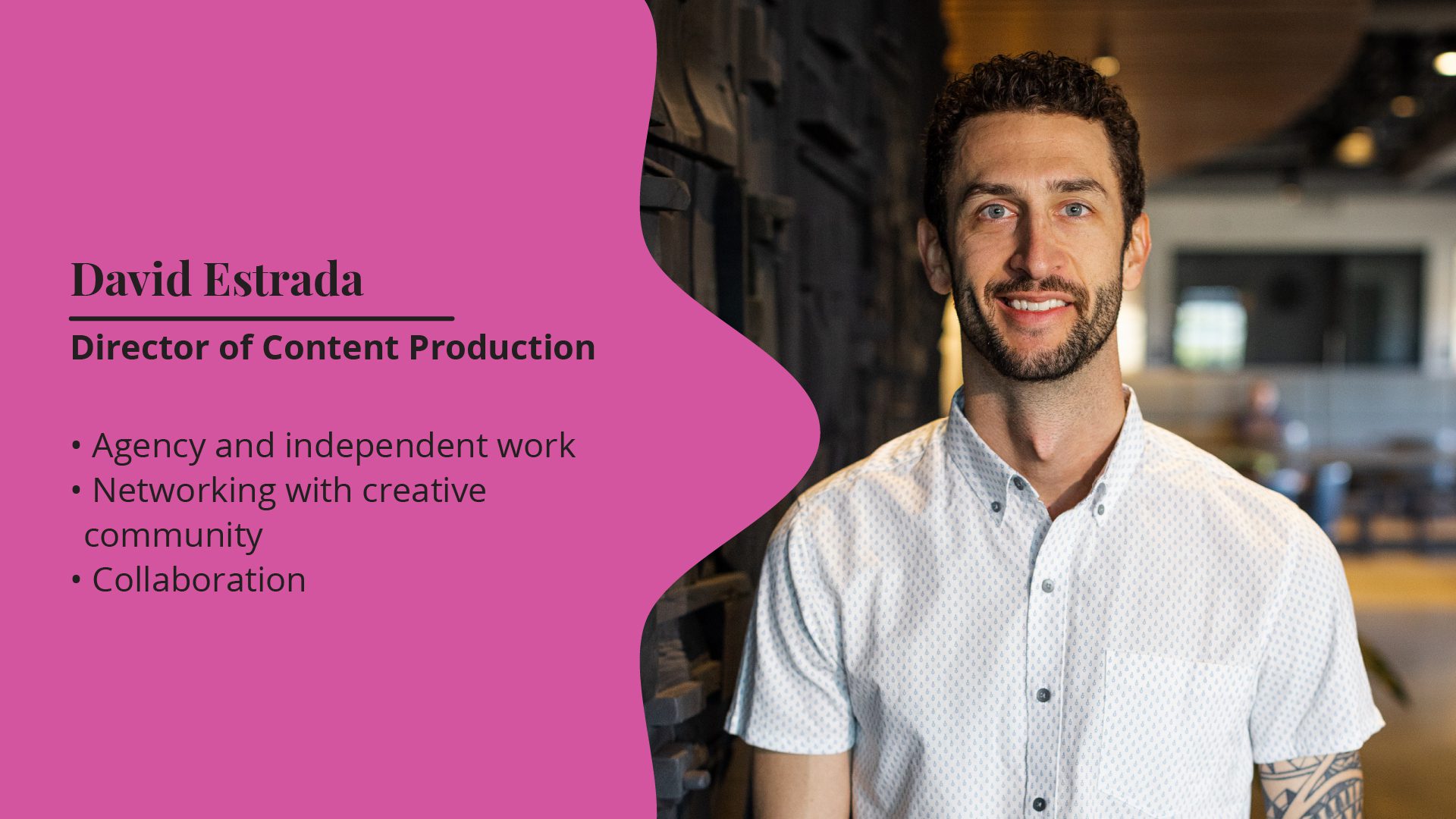
David Estrada is the Director of Content Production at Cargo, a marketing firm based in Greenville, South Carolina. With degrees in both film and advertising from the University of Texas, Estrada blends creative direction with strategic thinking. He founded his own production company in Austin before transitioning into agency work, where he now leads cross-disciplinary teams. Passionate about film, media, and collaboration, Estrada emphasizes the importance of creative chaos and community in South Carolina’s upstate marketing scene.
About
David Estrada is the director of content production at Cargo, a marketing firm based in Greenville, South Carolina, where he’s worked since 2016. He holds degrees in both film and advertising from the University of Texas, a combination that prepared him well for his multifaceted role.
Estrada values the creative community in upstate South Carolina, noting its strong network of professionals. “I like that there is a base, a very good baseline, of creative professionals and strategic professionals in upstate South Carolina… everybody kind of knows each other.” He began his career as a project manager, a role that gave him broad exposure to different disciplines and helped shape his collaborative approach.
A pivotal moment in Estrada’s creative journey came not on set but in a college advisor’s office. After taking two years off and considering a switch from film to advertising, a conversation with a career counselor convinced him to pursue both, an insight that set the course for his future.
Estrada defines creative success as being “undefinable,” embracing chaos and originality. But he’s also candid about the challenges. Financial instability is an unfortunate reality in the creative field, and he emphasizes the importance of understanding to market creatives as a business, talent alone isn’t enough.
The worst advice he ever received? “Don’t be so idealistic.” For Estrada, idealism is essential. Without hope, he says, there’s no point in doing creative work at all.
“Make something. Follow your gut. And remember, everything, success or failure, is a learning experience.”
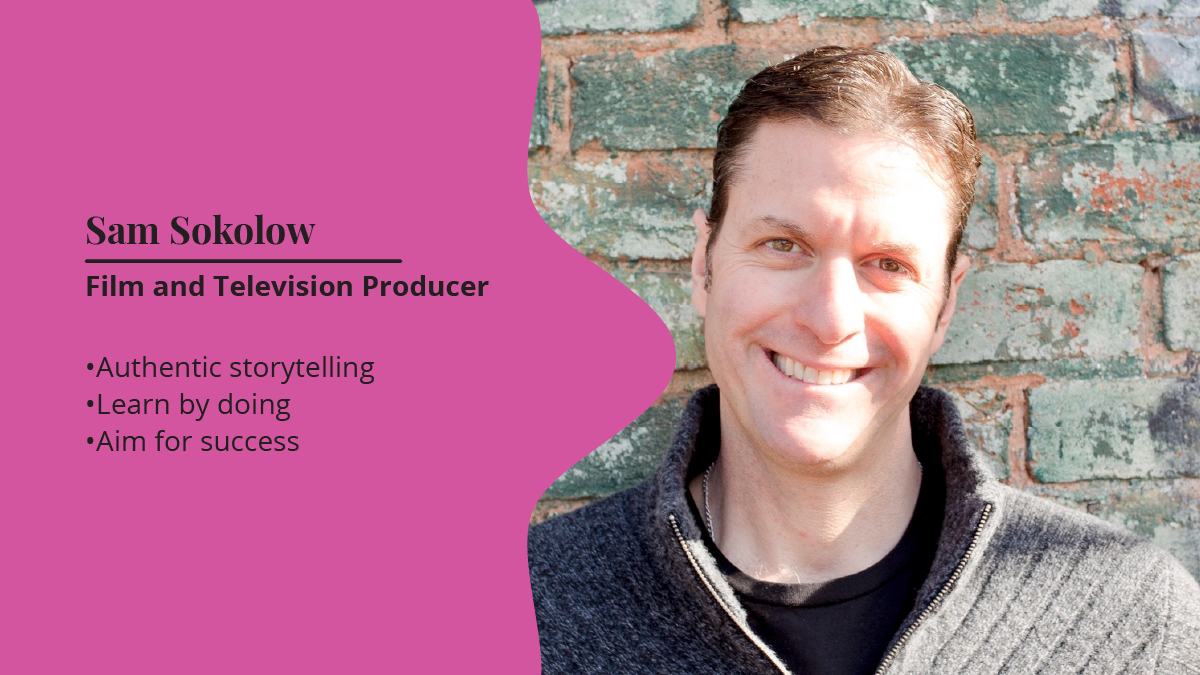
Sam Sokolow is a two-time Emmy-nominated film and television producer who recently relocated to Greenville, South Carolina after 23 years in Los Angeles and a childhood in New York City. Now focused on building a slate of independent films from the South, Sokolow is also helping develop the Clemson Film School and working on global workforce training for emerging film markets. His mission is to empower storytellers and creatives through mentorship, opportunity, and industry experience.
About
After decades of producing major television and film projects in New York and Los Angeles, Sam Sokolow now calls Greenville, South Carolina home. With roots in big cities but a heart that is grounded in authentic storytelling, Sokolow brings a wealth of experience to the South’s emerging film industry. He’s not only producing independent films from Greenville but also working to build a foundation for the next generation through the Clemson Film School and a global workforce development initiative for training production crews.
“I feel like I’m in the middle of a Hallmark movie most days,” Sokolow says, describing Greenville’s charm and creative energy. For him, the big move was inspired by love, his wife is from nearby Gaffney, and it has led to a sense of purpose. “When you move for the right reasons, miracles happen around you.”
With a career spanning from indie features to large-scale studio productions, Sokolow understands the full life cycle of a project. But he defines his role as: “I put creative people in a position to do their best work.” Whether this is through cultivating local talent or producing globally relevant stories, he’s driven by a passion for storytelling and a determination for persistence. “My biggest fear was not getting to do this work,” he shares. “That fear kept me going.”
Sokolow is now committed to helping others take that same leap. “Don’t wait to be chosen,” he advises. “Make something. Follow your gut. And remember, everything, success or failure, is a learning experience.”
“Everything I produce could only come from me, and so it is a personal contribution.”
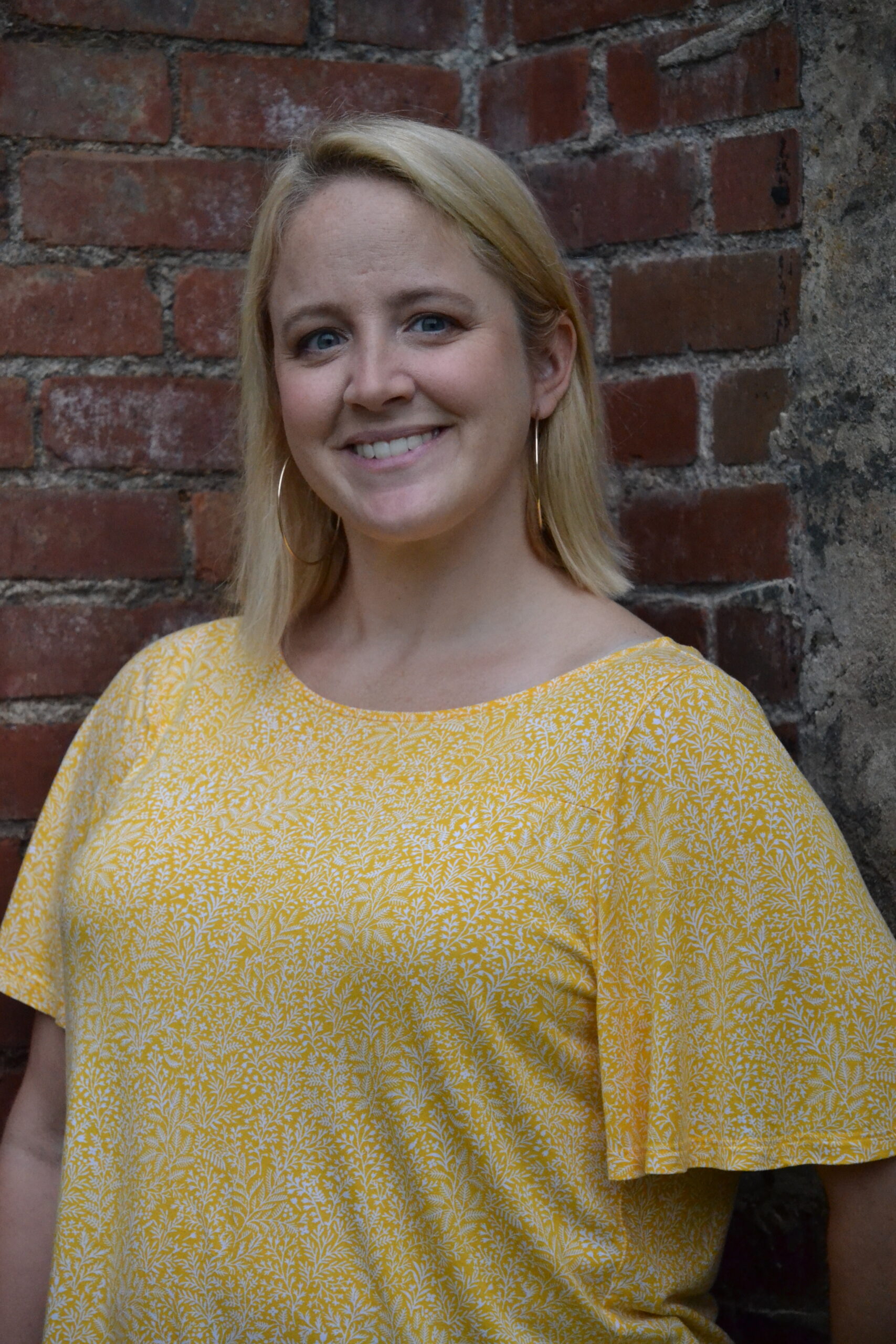
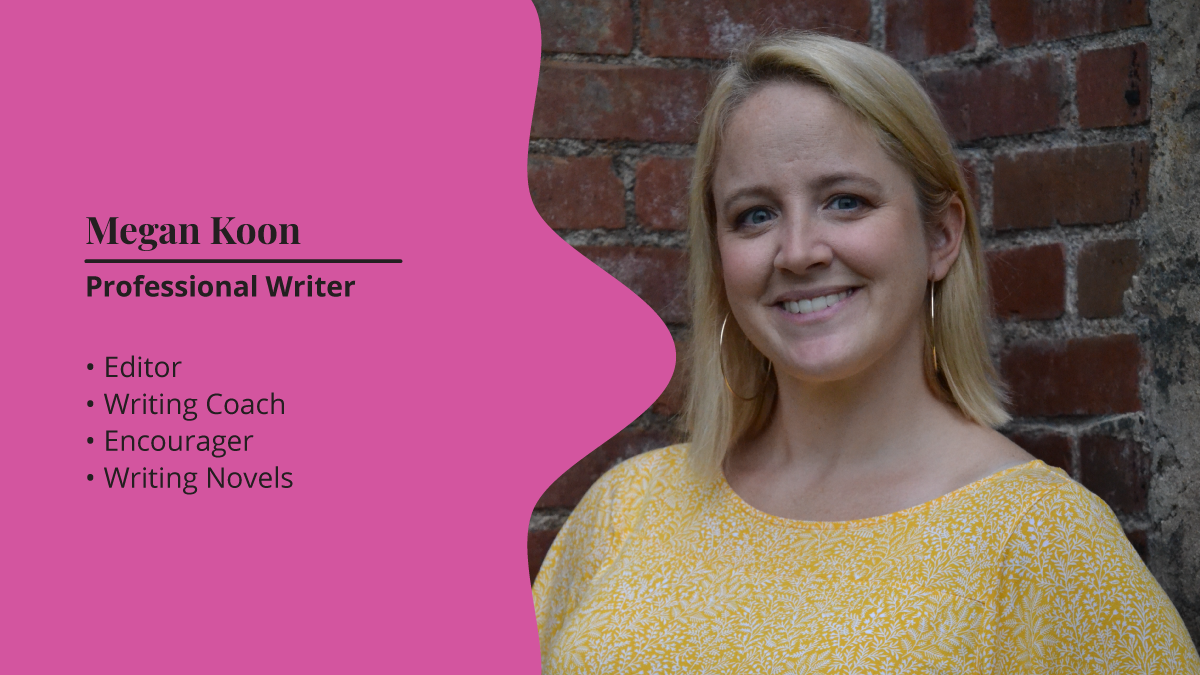
Megan Koon is an editor, coach, and author Megan Koon is on a mission to help others tell the stories only they can write.
About
Megan Koon, who lives in Simpsonville, South Carolina, is a writer, editor, and writing coach passionate about turning her love for writing into a full-time gig. After spending 20 years teaching high school English, she took the plunge into freelance writing in 2023 and hasn’t looked back. With a sharp eye for detail and a love for storytelling, Megan spends her days writing novels, coaching new authors, and helping students with dyslexia and dysgraphia.
“Since I was teeny tiny, I have known that I am a writer, it is what I am supposed to do,” she says. “I’m supposed to help other people write.” For her, it’s all about connection, whether she’s working with a client to tweak their manuscript, creating a podcast, or jotting down her own ideas at a coffee shop. She gets a real kick out of seeing others grow through storytelling: “When I’m helping someone with their writing, they come back with a revision, and they’re so excited, because they really have accomplished this big thing, and that is success to me.”
Even though she admits it can be scary to leave a traditional job, Megan truly believes in the importance and value of creative careers. She gives a shoutout to her local writing community and her teaching years for boosting her ability to support others while also developing her own writing skills.
Angela Yemi Gibson is a medical biller by day and an arts visionary by night: founder of a nonprofit African Dance Company in Spartanburg, SC.
About
Angela Yemi Gibson seamlessly bridges her dual passions: healthcare administration and African cultural arts. Based in Spartanburg, South Carolina, she works full-time as a medical biller while managing her nonprofit, an African Dance Company she founded over 20 years ago.
Angela’s days are long and varied claim filing and patient communication by day, choreography and performance prep by evening. Her recent highlight: successfully leading an artist residency in Monks Corner, where she and her team taught African dance to local elementary students. “It was way out of the comfort zone, but it was successful,” she recalled.
Angela measures success differently depending on the hat she’s wearing. In billing, it’s financial stability. In dance, it’s audience engagement and community response. Her nonprofit recently secured grants that allowed her to offer free community classes while ensuring her team is compensated.
Angela believes in transparency and resilience. “Sometimes it’s okay to ask for help,” she says. She encourages aspiring creatives to surround themselves with trustworthy collaborators, remain positive, and keep showing up. Her advice is simple and clear: “Keep swimming.”
“Don’t give up. A reader can’t read a blank page and rejection is just a step toward the story you’re meant to share.”
Kelly Moran is a hybrid author, small press publisher, and international bestseller living in York, South Carolina. Through her company, Rowan Prose Publishing, she champions emerging writers and tells stories that resonate globally.
About
Kelly Moran is a seasoned author and founder of Rowan Prose Publishing, a small press that uplifts underrepresented voices in the literary world. Based in York, South Carolina, Kelly began her professional journey in 2005 as a novelist, publishing over 30 titles in paranormal and contemporary romance, and even light horror. She is a hybrid author having published both independently and through major houses like Penguin/Berkeley and her books have earned international acclaim, particularly in Germany, where she is a household name.
In 2023, Kelly launched Rowan Prose to support debut authors often overlooked by large publishers. Her goal is to provide a welcoming, professionally rigorous publishing experience that balances author freedom with editorial excellence. With over 50 authors on her roster, she works daily to edit, market, and nurture literary careers from her home office complete with the “commute” past two dogs and a pot of coffee.
For Kelly, success isn’t measured solely in sales or bestseller status, though she’s achieved both. It’s found in the emotional connection readers form with her work readers who write to say her characters made them laugh, cry, or feel seen. She champions inclusive storytelling, often weaving in themes of disability, anxiety, and social justice into her romance novels.
Her advice to aspiring creatives is simple but powerful: follow your dream. Whether you’re writing at 5 a.m. before work or querying your 80th agent, keep going. “Rejection will come,” she says, “but so will the right readers and maybe even your dream contract.”
“I gotta do the right fit for me, because ultimately I’m the one who’s got to show up and do it every day.”
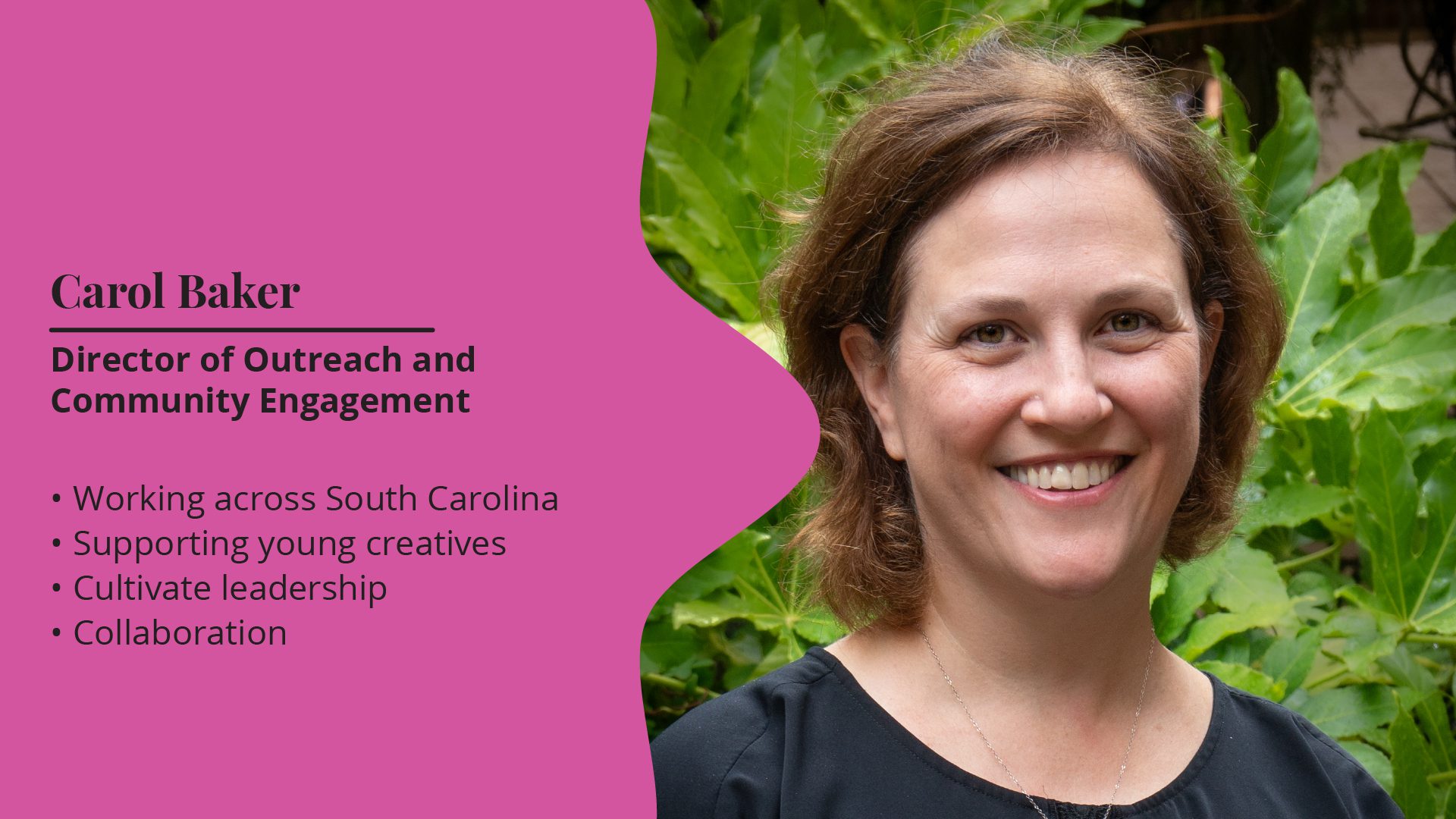
Carol Baker is the Director of Outreach and Community Engagement at the South Carolina Governor’s School for the Arts and Humanities. An experienced arts administrator and educator, she has worked since 2012 to build statewide programs that empower creative youth through education, storytelling, and trust.
About
Since 2012, she has served as the Director of Outreach and Community Engagement at the South Carolina Governor’s School for the Arts and Humanities, where she has developed programs that connect young people across the state with powerful, creative learning experiences. Carol Baker didn’t set out with a roadmap, but she followed her passion and it led her exactly where she needed to be. With a background in arts management and teaching artistry, Carol understands that traditional paths don’t always suit every artist or every learner. Her work is built on trust and access, meeting students and educators where they are. One of her hallmark programs, Spark, blends theater and literacy to help students engage with language and story in a dynamic, embodied way.
Carol’s outreach isn’t just about exposure to the arts: it’s about long-term transformation. She builds relationships across school districts, supports teachers with arts-integrated resources, and fosters spaces where creativity is not only welcomed but required. Her work reflects her core belief: that the arts are for everyone, and that there are many valid, beautiful ways to belong in creative spaces.
“Stay in your lane. Don’t try to ride somebody else’s, because if you do, you’ll get run over.”
Dr. Walter B. Curry, Jr. is an award-winning author, educator, and historian based in Columbia, South Carolina. Through Renaissance Publications, he documents African American family and local history, connecting ancestral narratives to broader historical themes.
About
Dr. Walter B. Curry, Jr. is the founder of Renaissance Publications and a dedicated historian and author focused on preserving African American heritage in South Carolina. A Columbia native, Curry began writing in 2018 and has since published multiple award-winning books that blend family ancestry with local history. His works, such as The Thompson Family: Untold Stories from the Past and The Awakening, trace powerful intergenerational narratives rooted in Orangeburg and Aiken counties.
With a background in education and business, Dr. Curry transitioned from teaching to a full-time literary career, driven by a deep calling to uncover hidden histories and share them through exhibitions, books, and public presentations. He also serves as author-in-residence with Aiken Center for the Arts and is a speaker with South Carolina Humanities.
Among his proudest moments is the 2020 debut of his first historical exhibition, which drew record-breaking crowds at the Aiken County Historical Museum. Dr. Curry encourages young creatives to guard their minds, focus on growth, and honor their calling with discipline and integrity. His motto: reflect, refine, and remain rooted in purpose.
Dr. Walter B. Curry, Jr. is deeply committed to uncovering and sharing the hidden history of South Carolina’s African American communities, especially through ancestral narratives. He believes that growth both personal and professional, is the most important measure of success for creatives, not awards or recognition alone. His grandmother’s wisdom, urging him to “stay in your lane,” shaped his path and continues to guide his approach to writing, teaching, and collaboration. For Curry, storytelling is not only about the past but also about building community, cultivating purpose, and helping others discover their gifts through history.
“The importance of learning the craft, learning the principles and elements of art and design and really understanding how to apply them, cannot be overstated. Design theory ends up being the currency of whether or not you can develop a particular visual way of expressing yourself, whether it’s sculpture, ceramics, architecture or another field.”
Jim Craft, who lives in Greenville, was a studio artist for ten years and then transitioned to academia. He was a professor of art at North Greenville University for 16 years and then moved to West Palm Beach, Fla., teaching at Palm Beach Atlantic University for 10 years. He earned his B.A. and M.A. from Bob Jones University and his MFA at Clemson University.
Interview
Transcript
Jim Craft
I’m Jim Craft, and I was a studio artist for 10 years self-supporting. And then I had three kids and a wife. And you know, I think the statistic is less than half a percent of people who actually get degrees in visual art actually ended up being artists; I think it might even be less than that by now. It’s a pretty narrow field, actually. But, you end up doing a lot of other things, you know, you can go into Applied Arts, graphic design, and stage design, and you know.
Haley Hansen
What did your path look like? What did you go into?
Jim Craft
Well, I had my degrees in painting and ceramics, and… but I also had education, degrees in education. So, which was fortunate, I guess, because then I, I got a job as a professor. Well, as an instructor, and then worked my way. And then, when I retired just a few years ago, five years ago, I was a full professor and was granted Professor Emeritus, which just means I can come back and teach if ever I want to. So that’s, that’s what I’ve, what I’ve done. I’ve actually spent most of my life in academia. When you teach, it demands all your time, way too much of your time, and your energy and resources. And…
Haley Hansen
Where were you a professor at?
Jim Craft
Well, I started out, well, first, I started out in public schools and taught two years of Elementary, two years of middle school, and two years of high school, and then I got a job at a little Baptist College in Upstate South Carolina. I just turned…
Haley Hansen
Which kind of Baptist College, I’m guessing Bob Jones.
Jim Craft
Now, actually, I got my undergraduate degree from Bob Jones and a Master’s, an M.A., from Bob Jones. And then I finished my graduate work at Clemson, but I got my first job as a professor at North Greenville University and taught there for 16 years. And then, I took a position down in West Palm Beach, Florida, for 10 years a little longer, actually, at Palm Beach Atlantic University, and sort of headed up the visual art program down there, department down there. And it was kind of a blast, you know, being down in Florida in mind that at all, but it was really fun having a studio and being an artist, you know, getting up every day and making stuff and doing exhibitions, shows, and things like that.
Haley Hansen
Was there ever one specific moment that made you realize you wanted to be a professional studio artist?
Jim Craft
Well, that was always, you know, the goal to be an artist, but it’s just not a realistic goal. I mean, even my friends who were wildly successful had to actually supplement their income with other things. And it’s good to have those kinds of things in your pocket. So, I wouldn’t ever discourage anybody from, you know, getting a degree in, you know, graphic design or advertising or any of the design areas, just because, well, you know, Andy Warhol was a graphic designer and musicians and composers actually did other things. But, it was always the goal to be just an artist. And that was kind of a blast. But it didn’t really take care of everything. Kids were getting bigger. And you know, everybody knows three kids and my wife. So, it was really four against, well, not against, but it was four votes against one vote. And so, I had to go get a job teaching. It’s not terrible. I didn’t mind teaching. It actually turned out, I was okay at it. All of my evaluations were good. It was always in the top percentile and got a number of awards and so on for teaching, because I didn’t mind teaching. I liked people. I like students, and interacting with them, and telling them the truth. And they didn’t always like me, but that’s okay. I guess my evaluations were…. had a big gap in the middle. There were those who really liked me and said I was the best professor they ever had. And there was a big gap in the middle. And then there were those that said, I was awful, and don’t ever take any courses from this man, because he’ll, he’ll make you work.
Haley Hansen
I had a couple of professors like that. Yeah.
Jim Craft
Yeah. Yeah, that’s actually a pretty good, you know, way too, like, let your evaluations fall. You don’t want a bunch in the middle, that just isn’t so great. That way, you kind of, like, you get students that maybe are a little more serious. Are you an art student?
Haley Hansen
I’m an English major.
Jim Craft
Well, and of course, I would always tell people, students, that you know, minor in education or English, because English is good. Because writing is always a valuable skill, it’s always a valuable skill no matter what you do, if you can write, and put together good, you know, sentences and presentations, and if you can read if you can know how to do research, if you actually understand what real research looks like, that will help you it really well, I taught a lot of art history. And a lot of our pre; I had to teach a lot of sections or at a pre all the time, but you know, I don’t miss grading all the, all the research papers, oh, my goodness. When they’d come in, I would have, I’d be gone for a week and a half. I just have to go through them all. And I can never give a student a bad grade, or even a good grade without telling them why, you know, I wanted them to know why they’re getting what they’re getting. Yeah, English is a good, a good minor. And I suppose there’s a number of other areas where you could minor and and that would be well advised. I think it’s probably healthy for students to know that being, being a learning the craft learning the, you know, the principles and elements of art and design. And really understanding how to apply them and not be understated design theory was always something that I think that it can’t really be undervalued. Because, that really ends up being the currency of, of whether or not you can develop a particular visual way of expressing yourself, whether it’s in, you know, sculpture, ceramics or architecture, whatever. They all, they all apply. All those principles and elements. They apply to every one of the arts. Whether, even if, you go into dance or theater, or any of that, it really doesn’t matter. They’re all very similar.
Jim Craft
In fact, I taught a number of courses on the integration of the principles and elements in… and it was teamed up with a dance and theater major, music professor and myself. And it’s all the same language. So all those, I think that’s really valuable because then I’ve had students that have ended up because they heard me, they ended up in, you know, retail and, and um, you know, selling in galleries or auction houses. Traveling internationally, even if you don’t necessarily have to end up in the studio to stay in the arts; I even had a student who ended up being a buyer internationally of fine rugs, and all over the Europe and North Africa, and the Middle East. And she was a painting person she was I mean, she learned the principles and now, so they all fit, it’s all still the same, whether you’re looking at a Persian rug, or if you’re looking at a really nice ceramic vessel, it’s all the same. And I never could quite figure that out. You know, people will say, Oh, this Van Gogh is, real art. But, this Song Dynasty bowl is just a craft? Well, if it’s if it’s well made, well designed, and has beautiful line and balance and unity, and you know, all that, to me, it’s just as breathtaking. And, of course, that’s… that would that always would make for a good discussion. It’s good to be able to tell why each is good. And, I’ve had students end up in stage design, and you know, theater design, and even going into product design. And it’s very much all kind of related.
Haley Hansen
Very, broadly applicable skill set.
Jim Craft
Sure. It really…
Haley Hansen
Sort of like English.
Jim Craft
Yeah, like English. And the the kind of core I would say in English is hopefully that you can read well, and understand what good research and a real you know what a good sentence is, and good paper is, and good presentations, all those kinds of things are incredibly widely applicable.
Haley Hansen
Are there any specific programs or organizations around the state that you would recommend for someone interested in pursuing a career in the arts?
Jim Craft
Well, there’s certainly, you know, you can become members of, you know, artists and crafts societies or artists.
Haley Hansen
I think I’ve seen a couple of galleries run by like artists and guilds and stuff like that.
Jim Craft
Yeah. And then members of both, like um, Co-ops and just commercial galleries, and there’s upsides to both, you know, they, it’s nice to be able to keep, you know, 75-80% of your sales prices. It’s also nice not to have to worry about advertising and promotion, not having to coordinate an exhibition, it’s all done for you. But then they, you know, they keep 50 or 60 or 70 present in a gallery, but that’s what they do. Of course, galleries are gone now. I mean, galleries are not completely gone, but just about it’s, it’s just a completely changed situation because you have online galleries and, you know digital media and promotion, all that kind of thing. And that’s a completely different kind of thing, now.
Haley Hansen
At least in Greenville, there’s still plenty of physical ones to wander into.
Jim Craft
Oh, yeah, it’s true. It’s it, you know, I just, I just, I’ve done I’ve done those. And I’ve done I’ve made production type runs and things like that, for commercial entities, design houses that make accessories and things like that, that would be called Object art, you know. And I’ve produced for them, and then I’ve also done sub wholesaling for houses that, you know, they like I have sold to the furniture market, in High Point North Planet, and selling to especially tabletop accessories, and lamp companies and things like that. It’s all very fashion-oriented, and you go, you know, you submit a bunch of pieces to put in a furniture market twice a year. And then you might get $20,000 of orders selling your stuff suppose sale, but with minimum quantity. And that was that I felt like, Whoa, I might be able to make it doing this. But everything is always changing; it was always very fashion-oriented. And then, as soon as you would start selling something successfully, they would, you know, find another supplier, usually out of Asia, and then all of a sudden they discontinue that item. And that’s that’s kind of brutal. But that’s, that was that. I didn’t mind being a teacher, though. It was okay. It’s not a; it’s not a… I mean, it’s an honorable profession.
Haley Hansen
You have a very big impact in a lot of people’s lives that way.
Jim Craft
Well, some would say, you know, some, some, some, some would say that. The best thing about teaching is it gets easier. I mean, I don’t know if anybody’s told you that. But it’s it’s when you teach it gets easier. Because you learn your stuff. You always have to keep up and stay abreast of important improvements and changes in contributions. But it does get easier. I mean, toward the end there, I wasn’t using my notes hardly at all; I would just go into lecture and just go for a couple of hours at a time and not… and it just gets easier, which is which was nice.
Haley Hansen
As we’re wrapping up. Do you have any final advice for students who are pursuing a creative career?
Jim Craft
I would say keep your alternatives lined up and be realistic about a career in the arts. Don’t fall in love with the idea that you must be just a studio person only. But you know, you can focus on that and keep that. It’s not like you lose that, but, you know, keep keep a number. A number of alternatives in your pocket just to be more widely marketable.
“You need to get out there, doing things, while you’re a student.”
Cole Bullock is a Recreation Specialist at Perry Correctional Institution in Greenville, SC. He designs and runs creative and athletic programs for inmates.
Interview
Transcript
Cole Bullock
I’m Cole Bullock. I am a recreational specialist at Perry Correctional Institution in Greenville, South Carolina.
Haley Hansen
How long have you been working there?
Cole Bullock
This is my fourth year in June.
Haley Hansen
Can you walk me through your typical workday?
Cole Bullock
Yes. So a typical workday for me would be to open up a multipurpose facility that Perry has that has a couple classrooms, but more importantly, a gymnasium. And so first things first, I walk in, I prep everything, look for any sort of contraband items that might have been left over, get all the lights on, make sure all of my rec workers who I hire on certain inmates that I’m allowed that I allowed to kind of conduct different cleanings and programs and stuff, I get their stuff ready, I prepare their the workouts of the day, which would be a pre designed class of my own creation, and they’ll post them on certain boards.
Cole Bullock
And usually when the guys start coming in, we’ll start the bell being kind of a calendar for the week, when I’m looking for, you know, as far as the programming aspects of things, and we kind of just let the show roll.
Cole Bullock
Right now currently, we’re in our Pickleball League. So, inmates have had a chance from their dorms to sign up and create a team of doubles or singles. And so, we are just now building out the tournaments for them.
Cole Bullock
And as well as our Hobby-Craft program, as well, which is a program that allows for men to purchase certain items such as arts and crafts, different wood. Ah, surprisingly, different types of like saw blades, which you wouldn’t think they’d be able to have, but to do woodworking as well as leather working as well. So, different kind of tears that they’re able to build up to. And I will illustrate that with their programming and their needs and making sure that they’re, you know, in compliance with everything for what the state likes to see them. Have.
Haley Hansen
You said that your background was in sports ministry, right?
Cole Bullock
Yeah, so I double majored and Bible Theology and then Sports and Fitness Leadership. And so coming in, I guess, that degree specifically, if you transfer it to more of a secular university, that’s kind of like a sports ethics degree. As far as how the credits match up.
Haley Hansen
Ok. Would you say that has helped you a lot at this position?
Cole Bullock
Yeah, I mean, the the biggest thing for I think a degree is that once you have it on paper, you essentially have to learn how to put it into practice.
Cole Bullock
So I think, although my degree has certainly given me the framework to, you know, understand the need for why to do what I do, but the big process, I think of learning is just doing the reps on site. So there’s, there’s not really much preparation as far as what it’s like to train yourself for prison except for go to prison. Right. So but for the most part, yeah, I think the degree my degree itself has kind of inspired me on the idea that, hey, this is a very valuable career to jump into, because there is a need in order for recreation, you know, the hot topic, word is always rehabilitation, rehabilitate these guys, and you know, so we can bring them back out society and make them productive members.
Haley Hansen
What do you say was the biggest adjustment or challenge that you faced, when you started at Perry?
Cole Bullock
The biggest thing, the biggest challenge for us is just getting everyone on board with the idea that recreation is something that you would want in an institution. Depending on who you’re speaking with, it just, it’s a challenge to get everyone to kind of connect the idea that rehabilitation and physical fitness are actually a good coupling. You could have some staff members who could perceive the idea that guys are getting physically fit as a threatening thing, meaning they’re, you know, enhancing their physical capabilities and given them maybe that advantage when it comes to anything like physical altercations.
Cole Bullock
So, that was my first I think major hurdle was just establish, “Hey, if you program correctly in this institution, good programs create good security. Creating competent individuals that exert their energy in a healthy way, where they are establishing themselves in some some discipline and also giving them something that they enjoy. Which is a privilege that they really don’t want to get taken away from them. So, they kind of adjust their their mindset to be able to keep what they like.”
Haley Hansen
You mentioned, you are in charge of getting materials for the hobby crafting class. I imagine there’s some overlap in the conversations you mentioned with that, too. Like talking about how getting physically fit can be perceived as a threat you mentioned, like the saw blades and stuff?
Cole Bullock
Yeah, yeah. So oftentimes, we’ll get new staff members and they’ll do their orientation, and they’ll they’ll kind of walk into our hobby craft room. And you know, you’ll see their eyes get this big because they’re like, “They’re they’re allowed to do this? I don’t I don’t understand.”
Cole Bullock
And as long as like I said, as long as it’s programmed correctly, the Hobby-Craft, I’ve seen guys create things where I’m like, “There is no way you could have possibly made this, you know, behind bars, this is incredible. This looks machinery.” And you know, if you speak with them long enough, it’s like, “Listen, you know, I had nothing to do but learn this craft, and so day in and day out I had plenty of time to fail and improve upon my ability, and eventually you get pretty good at it.”
Cole Bullock
And so, some of these guys make amazing things. Some artists here draw like you with a picture off, you know, with a realism. I mean, it’s quite shocking the talent that happens when you you know, give a man enough time and I would say initiative to do something rather than nothing.
Haley Hansen
Do you think the hobby crafting creativity side of it is about as important as the physical fitness? Or do you think one is more helpful?
Cole Bullock
Yeah, these are, these are two sides of the same coin, the objective for us is probably the worst thing that you could do to someone who’s incarcerated is put them behind door, lock it away. And then in 40 years, unlock it, and then let them out and see if they’re any better for society, right? Since you you’ve only compounded the problem.
Cole Bullock
So the idea is we just want to keep them busy, wanting them to maybe perceive themselves in a different manner. So if you’ve ever coming in, and maybe life has handed you a deck of cards that’s not so favorable. And then when you’re back in prison, you realize “Hey, I am a little bit more talented than I thought. I got these crafts that I’ve learned, I can actually use this to make money on the street.” or “This is something that actually I prefer doing instead of, you know, hustling.” These are the moments that we’re trying to create with the inmates and especially with with working out is, you know, especially for those who are suffering with addiction, if they’re able to kind of place their energy and their mind and their efforts towards something that can create that dopamine effect within the mind. And it’s also healthy for them, you know, we would prefer them, you know, transferring their desire for the drug and replacing that with physical fitness.
Haley Hansen
Did you—would you say that you had something is an element when you were working there where you realized, like, it was a job that fit you?
Cole Bullock
It’s one of my favorite questions. Because just like many people, I’m coming into this institution with the idea, yeah, I’m gonna meet some broken guys, right? I’m kind of used to that being from a ministry background, and I’m completely okay with that. But, I had no idea what to expect. I mean, you know, I’m walking into a prison with Hollywood movies, given me the context for what I’m about to, you know, encounter, you know, so I don’t know them, and they’re gonna get stabbed, am I gonna get cussed out, am I gonna get, you know, there’s no telling. And I get my hined here. And I see an ecosystem that yeah, it’s complex. And it’s complicated and can be dangerous at some times. But more importantly, I see is just a desire for men to, to do something. To redeem themselves. To give themselves, essentially, another chance at life. And if you don’t think there’s nervousness behind the bars for freedom there is, because they understand and listen, if I’m gonna waste 20 to 40 years sitting here, you know, walk in a circle, I’m gonna walk out into a world that I don’t understand and going to be set up for failure. And so, a lot of us get nervous about that. And they want to be active, they want to, you know, try to see where, where their talents lie, where, you know, what, what society is, how it’s changing on the outside, and how can they be doing things in here to adapt to that reality, I simply want to provide that ability for them to change and adapt and to be successful. So, when they get back to their families are not burdensome to the community or for themselves. So, I grew great compassion, when I learned that the plight of someone that’s incarcerated, which is a far cry from when I came into, because like many people, I looked at those who were incarcerated and went, “Well, they did the crime. So, whatever happens behind bars happens, I don’t really care”. I can’t help but to care now, just because of the fact that I’ve seen it, I’ve seen the humanity in them. And I just want to support that. Someone’s looking to do better and get a redemption story in their life. I want to give them every tool that they can possibly have to make that dream come true.
Haley Hansen
Working with inmates, it’s a, it’s not a very visible profession. So, if someone is interested in doing that, are there any programs or organizations you’d recommend them check out?
Cole Bullock
Yeah. There’s a lot of groups there’s groups all the time that go into prisons. I think the main thing is if you if you want to know whether or not prisons a good fit for you, as far as a career, if you wanted to work programs in prisons, you just got to get your feet wet. A lot of ministries will come in here and just do support groups, sometimes colleges depending on you know, whatever program is happening will actually will come in here. I know we have a sociology class that we have students from the University I’m not sure which one comes in here and does class with the guys.
Cole Bullock
So ultimately, really, what I would suggest for people is if you’re if you’re looking and you want to be interested. Volunteer, in some capacity, contact that institutions chaplain and ask, “Hey, are there any groups that come in that would essentially support inmates or give me a chance to just interact with the guys” , and I’m sure he’ll connection to the correct third party when you’re in that environment. Just placing guys who have been on lockup back in the regular population that doesn’t tend to go well, you know, you kind of have to slowly reintroduce them back into society, a social capacity, because if you’re alone by yourself for years and years and years, you lose some skills, right? And you kind of get to slowly work yourself back into being able to handle other people and different, you know, situations.
Haley Hansen
Alright. Do you have any advice for current students who might be interested in this sort of thing you’re doing?
Cole Bullock
Yeah, well, I’d say just for any any field is that if you’re going to go through four years of university, and think that when you leave with a piece of paper, that that’s going to be kind of your ticket to get this dream job, you’re in for, unfortunately, a shock.
Cole Bullock
I had one of my mentors had established this idea that you’re going to go on your graduation day, you’re going to look to your left, then you go look to your right, and you’re going to notice hundreds of students all with this, essentially the same piece of paper, what’s going to distinguish you amongst the masses of people that graduated that year. And the idea is, is that you need to get out there doing things while you’re a student to increase your marketability. So, shaking hands. I think I’ve opened more doors, in my path in my career by a handshake than anything that a degree has ever offered me. So, they really want to be able to be networking and finding the right people to speak with, especially during school. That’s, you know, someone that’s able to give you some hours, you know, that’s similar to your field. I think that’s just irreplaceable, within your time at school.
Haley Hansen
And before we end today, is there anything else you think it’s important to say, for this, project?
Cole Bullock
Yeah, I think that speaking from my heart, corrections is a industry that needs support. It needs more of the public’s support to help us accomplish, I think, a goal that everyone should agree on. And that’s this idea that if we’re going to release these guys, we got to make sure that we’re being responsible with what we’re doing with them while we have them with the State. So, that’s a, that’s a group effort.
Cole Bullock
That’s, that’s a community effort. And that has to be a willingness for people that although you may have a certain opinion about those who are incarcerated, completely find, but that certain person might live in a neighborhood near you. So, it’s an investment to care about the guys that are behind bars. It’s an investment to have an interest in their improvement and their well being.