Location: Upstate
-

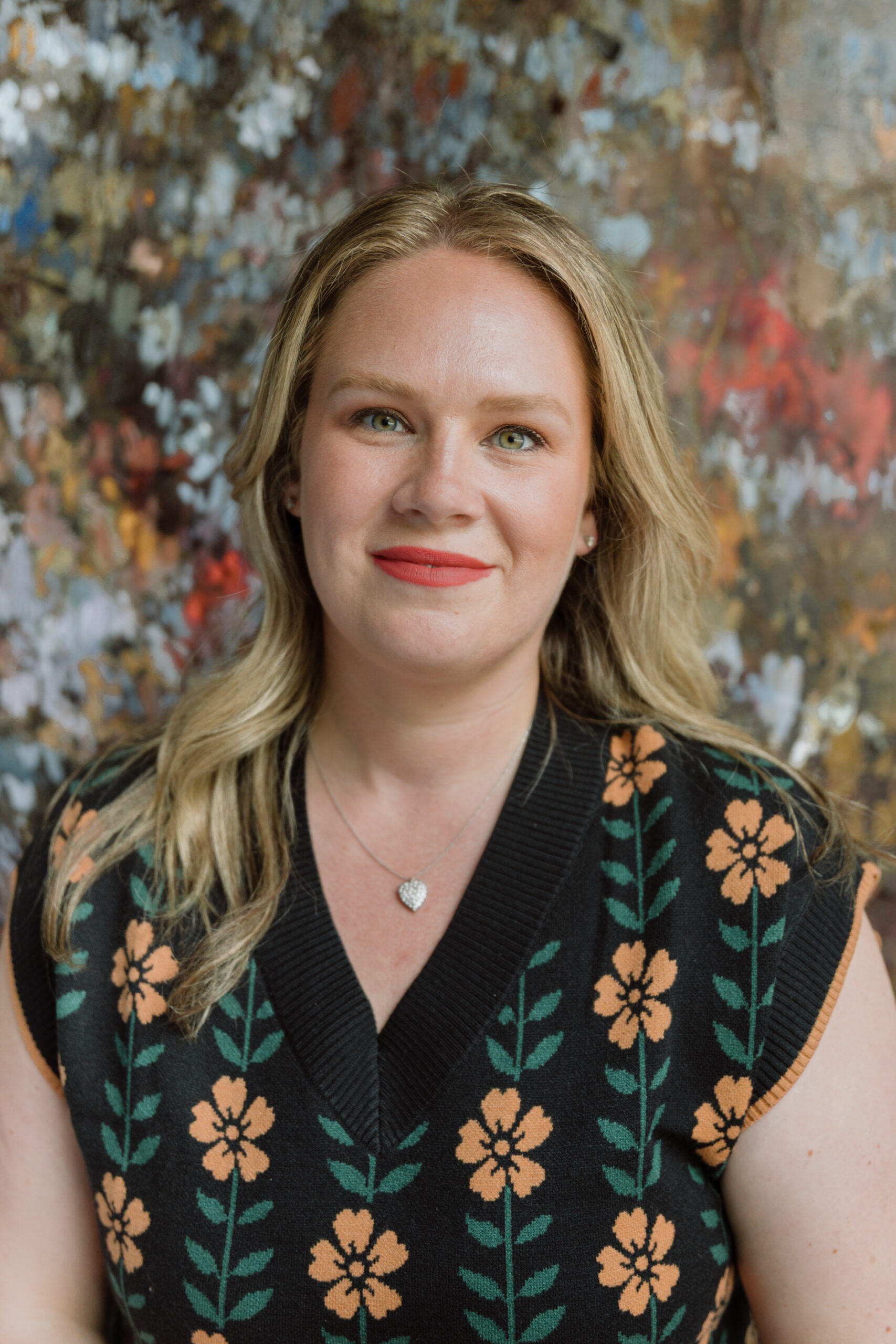
Taylor Emmons
“Start, even if you are unsure of where.”
Quick Facts
Level of Education: Graduate School
Years of Experience: 10 Years
About
Taylor Emmons was the Art School Coordinator for the Spartanburg Art Museum, where she weaved art and culture “into the fabric of all facets of life.” After graduating with a BFA in Art History and an MA in Islamic Art, she established her own LLC to blend academic rigor and community into art history. Now, she is the CEO of Tailored Impact: An Art and Culture Firm.
Her academic pursuits, combined with her personal experiences, helped shape Emmons’ interest in community-based work. As a working mom, and the daughter of working-class parents, her passion for the arts is rooted in her own memories. “My formal academic training gave me a unique skill set of looking and training my eye to be able to identify style, medium, time period, and artist,” she says, “but my life experience shaped my interest in community work.”
Emmons aspires to use her platform as an art historian to emphasize the inclusion of arts into everyday life and cultivate communities that celebrate diverse upbringings and experiences. “When I started to study art history, I was confronted with the stereotypical questions, ‘what are you going to do with a degree in art history?’” she says. “I have taken that question and turned it into ‘what can’t I do with a degree in art history?’”
-
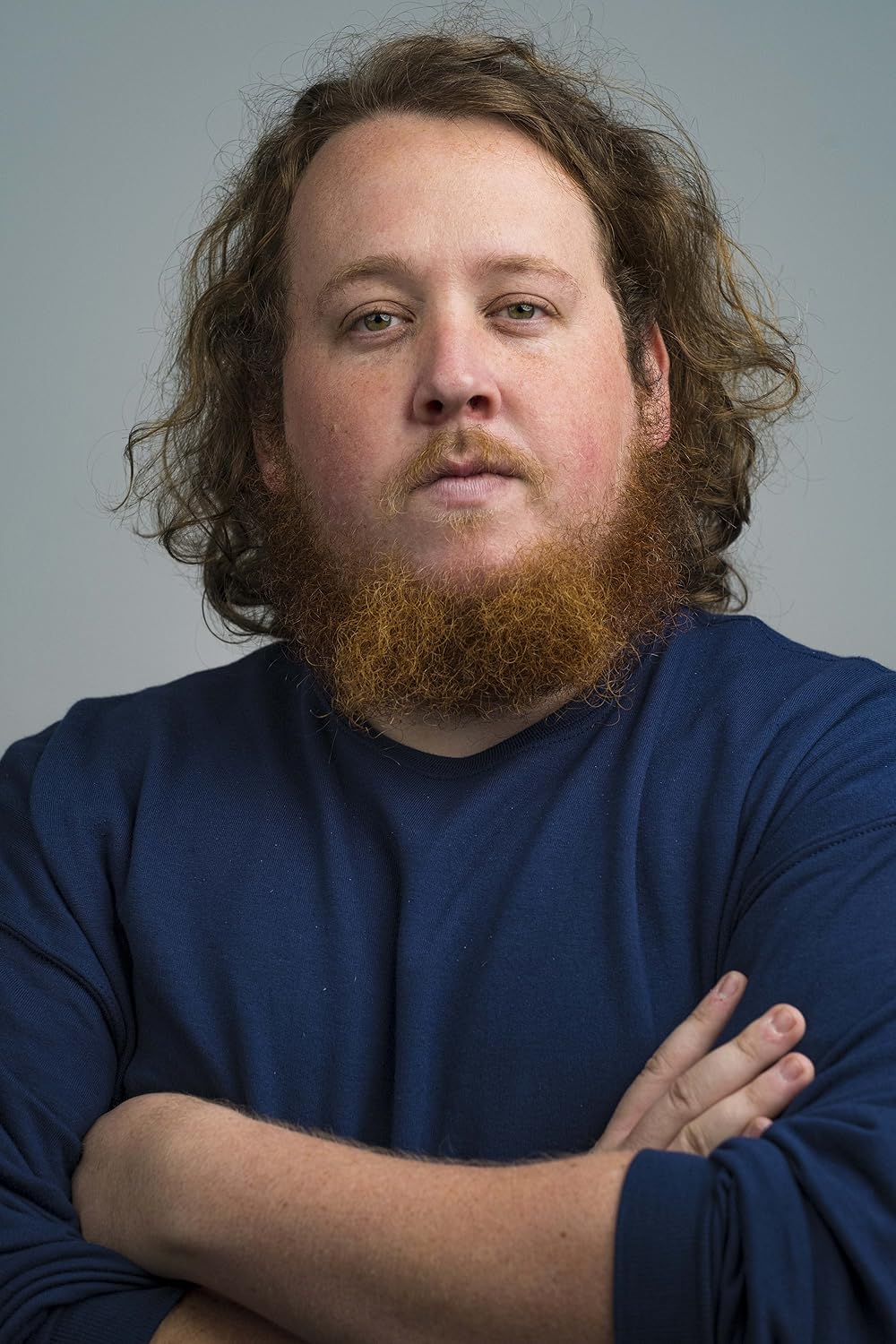
Silas Rowland
“The creatives who grow the most are the ones who stay curious, humble, and willing to get better with every project.”
Quick Facts
Education Level: High School
Years of Experience: 17 Years
About
An independent filmmaker, writer, and producer, Silas Rowland’s imagination has always searched for a creative outlet. What began as brainstorming novel ideas with his younger brother eventually led him to the camera, which became his go-to creative outlet.
Growing up, he experimented with cameras by creating skateboard videos. He realized he could channel his passion for storytelling through the camera in order to visually bring his stories to life. His YouTube channel, sighlus, has over one thousand subscribers, and highlights his 2025 independent horror film, “All That is Evil.”
For Silas, filmmaking is more than just a set of rules and techniques: it is experimental and expressive. He attributes the practice’s unique ability to create various forms of art, rendering it ‘inherently subjective.’ “Two filmmakers can approach the exact same story in completely different ways, and both can be valid and powerful,” he says, “That freedom to explore ideas, take creative risks, and translate imagination into something visual is what makes the job both unusual and incredibly rewarding.”
Silas encourages emerging filmmakers to embrace their inner self-critic as a tool for growth and improvement. It is not meant to “sabotage your confidence, but to constantly evaluate what you’re making, learn from it, and keep pushing yourself to improve.” From pen and paper to the camera, he aims to tell stories that not only connect with people, but prompt different pathways of thinking, feeling, and seeing.
-
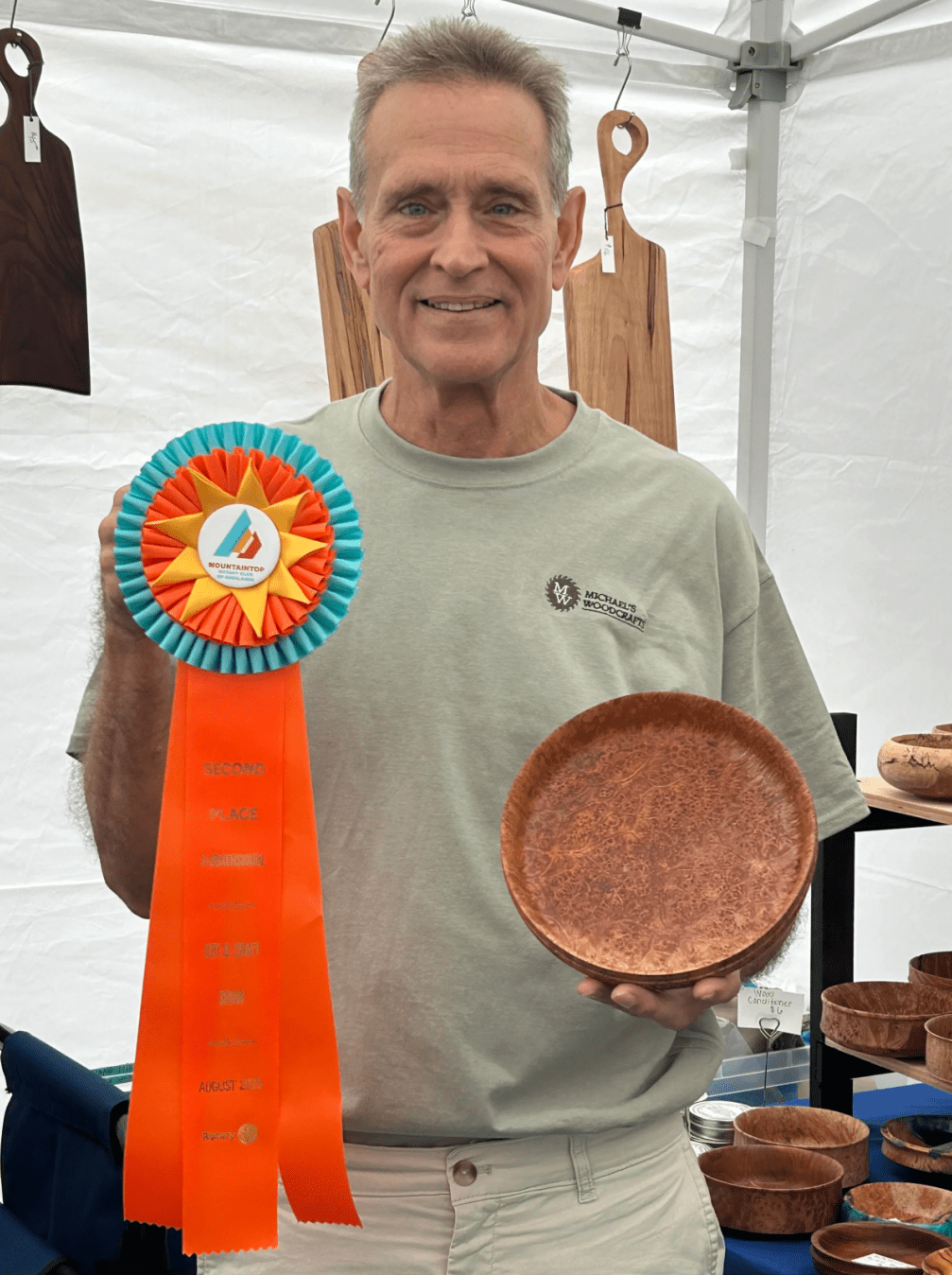
Michael Laico
“I encourage anyone to follow a passion. Very few people find it. If you find it your life will be enriched.”
Quick Facts
Education: University of South Carolina
Years of Experience: 40 Years
About
Michael Laico has been transforming raw wood into functional art for over 40 years, something he still finds hard to believe. From his artisan studio on Paris Mountain near Greenville, he handcrafts homeware using reclaimed and sustainably sourced wood. Each piece is designed to be both practical and beautiful, with natural colors, textures, and often a striking blend of wood and resin. His journey began at age twelve, working alongside his grandfather in a woodshop with a spark that never left him. By his twenties, that early fascination had grown into a serious pursuit. In 1984, he built his own shop by hand, stocked it with his tools, and got to work.
What sets his craft apart isn’t just the skill behind it; it is the intentionality. Michael hand-selects wood from fallen or storm-damaged trees, often rescuing logs and live-edge slabs that might otherwise become firewood, choosing pieces with distinctive character. When local sources fall short, he turns to certified suppliers to ensure every piece of wood, domestic or exotic, is ethically procured. The result is that no two finished pieces are ever exactly alike, and that’s entirely by design.
For Michael, the workshop is a place of solitude. He works in silence, spending hours carefully shaping each piece. “In a mass produced world, I focus on design, and craftsmanship… Every day I pour my heart and soul into every piece… No two pieces are ever exactly alike.”
His catalog spans a wide range of heirloom-quality work, from charcuterie boards and bar knives to vintage-style hand mirrors and hand-carved snowmen, with custom engraving available for birthdays, anniversaries, and retirement gifts. He works with a variety of customers, always beginning with a conversation to make sure each piece aligns with the client’s vision. “My journey started when I was twelve years old… it’s hard to believe I have been woodworking for over 40 years.”
-
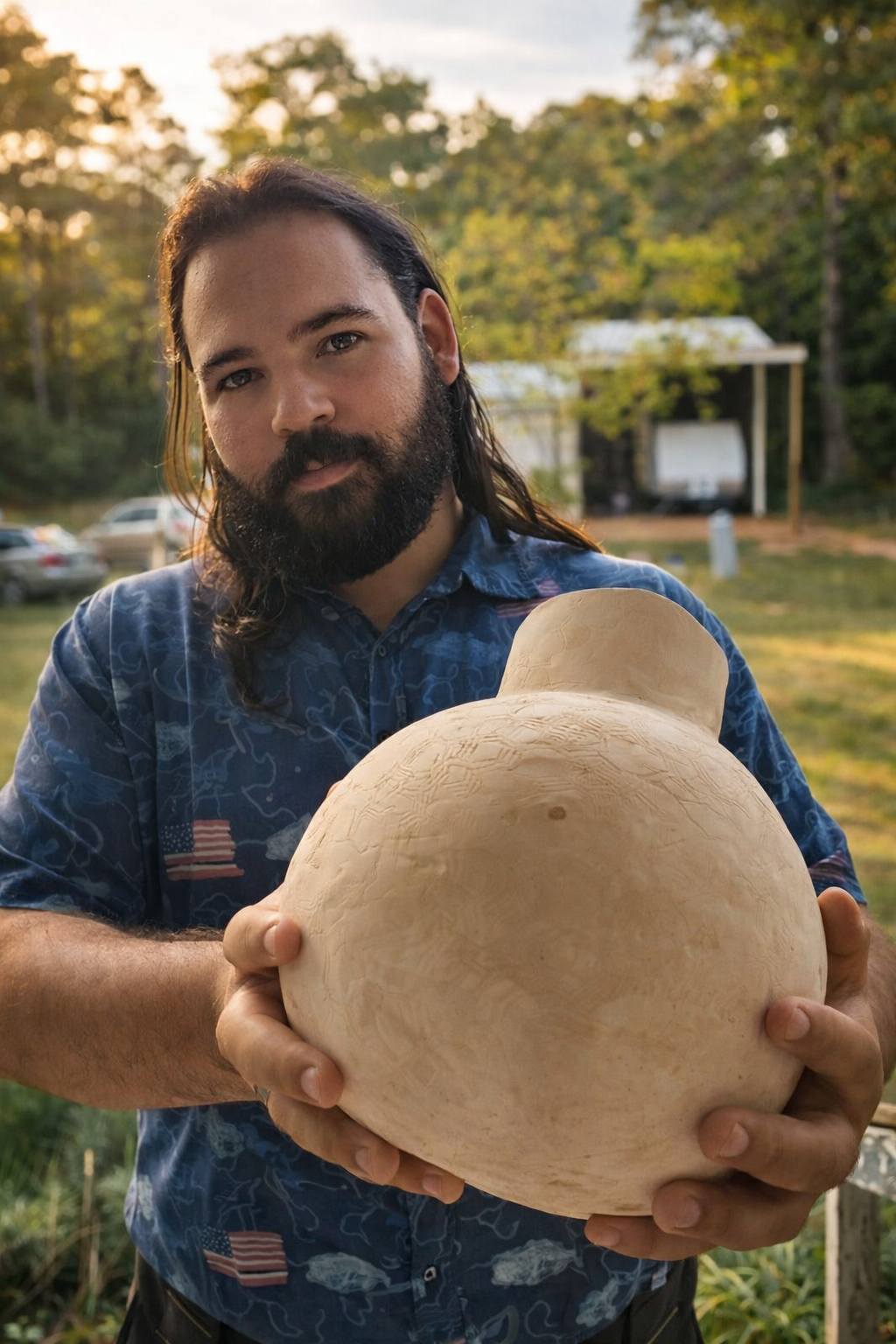
Joshua L. Shumak
“Stay connected to your community and honor what came before you”
Quick Facts
Education Level: Graduate School
Years of Experience: 10 Years
About
Joshua L. Shumak, Vice Chief of the Wassamasaw Tribe, works to preserve and promote Native American culture in South Carolina through leadership, cultural education, traditional arts, and community partnerships. Growing up, he recognized the importance of cultural knowledge, art, and storytelling in sustaining identity. He began by engaging in cultural preservation efforts and learning traditional arts from Native artists and cultural leaders, which developed into a broader commitment to advocacy, education, and community engagement.
The uniqueness of his work comes from its intersection of culture, community leadership, and public service. As Vice Chief of the Wassamasaw Tribe of Varnertown Indians as well as the Tribal Liaison for the State of South Carolina, he operates between tribal communities and state institutions, fostering collaboration and mutual understanding. His work emphasizes “the intersection of culture, community leadership, and public service.”
He emphasizes the importance of remaining connected to one’s community and understanding that creativity is not only about producing something new, but also about honoring what came before. For Indigenous artists, creative work carries stories, teachings, and responsibilities. He encourages aspiring creatives to learn from elders and mentors, to understand the meaning behind traditions, and to develop their voice from their cultural roots.
Joshua prioritizes the fact that Native cultures are living cultures. The tribe’s traditions, arts, and stories are not just part of history—they continue to evolve and thrive today. He tries to “help create spaces where Native voices, artists, and communities can share their stories in their own words, and ensure that future generations have the opportunity to learn and carry those traditions forward.”
-
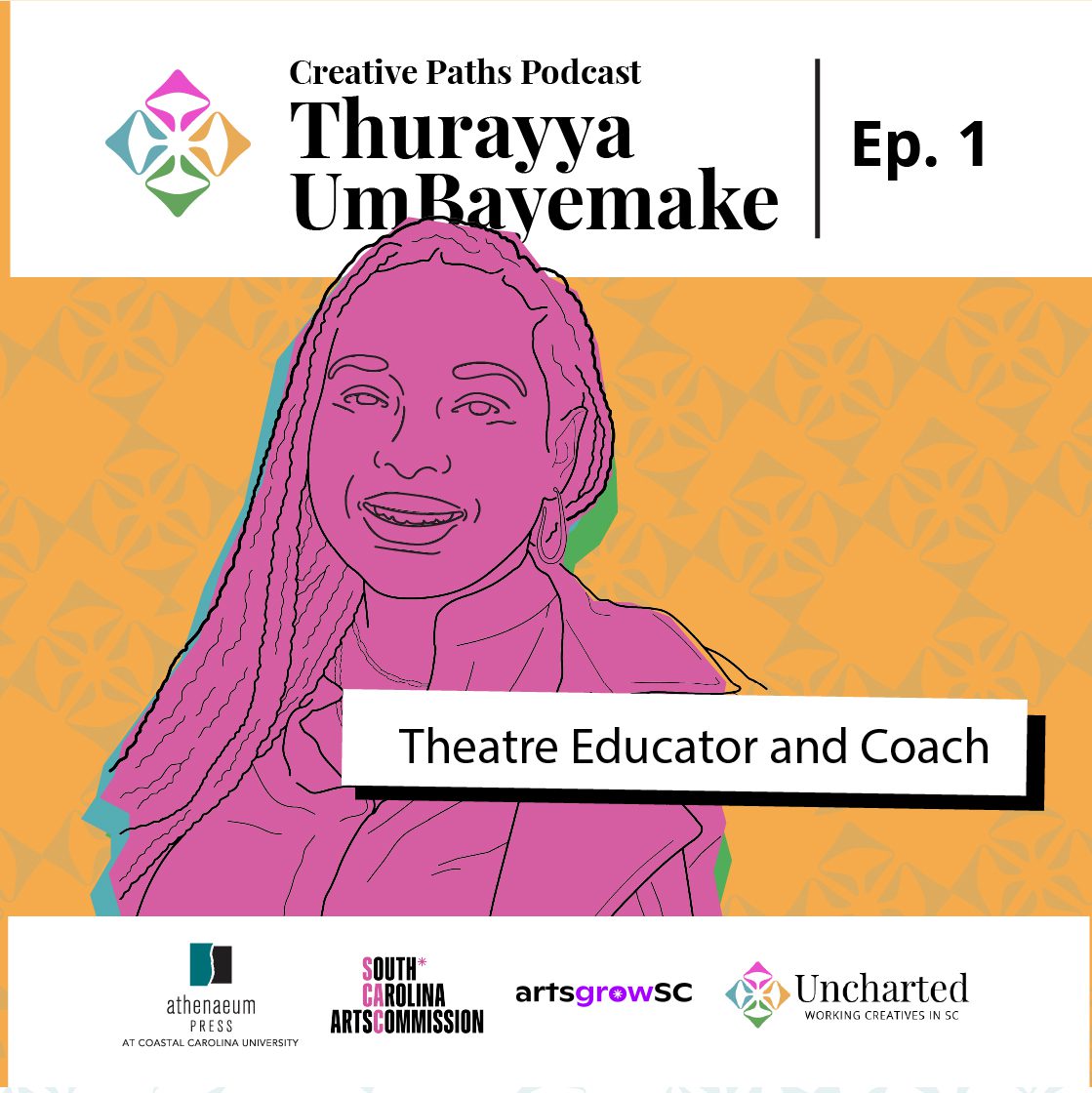
Thurayya UmBayemake
In this episode, we’re navigating finding your place in theatre education with Thurayya UmBayemake, a Coaching Teacher with the Spark! Program at the SC Governor’s School of the Arts and Humanities. Thurayya is based in Columbia, but she works around the state guiding a team of teaching artists working with elementary school children to learn reading and storytelling. While Thurayya has lived all over the United States, a series of opportunities brought her to South Carolina.
Transcript
-
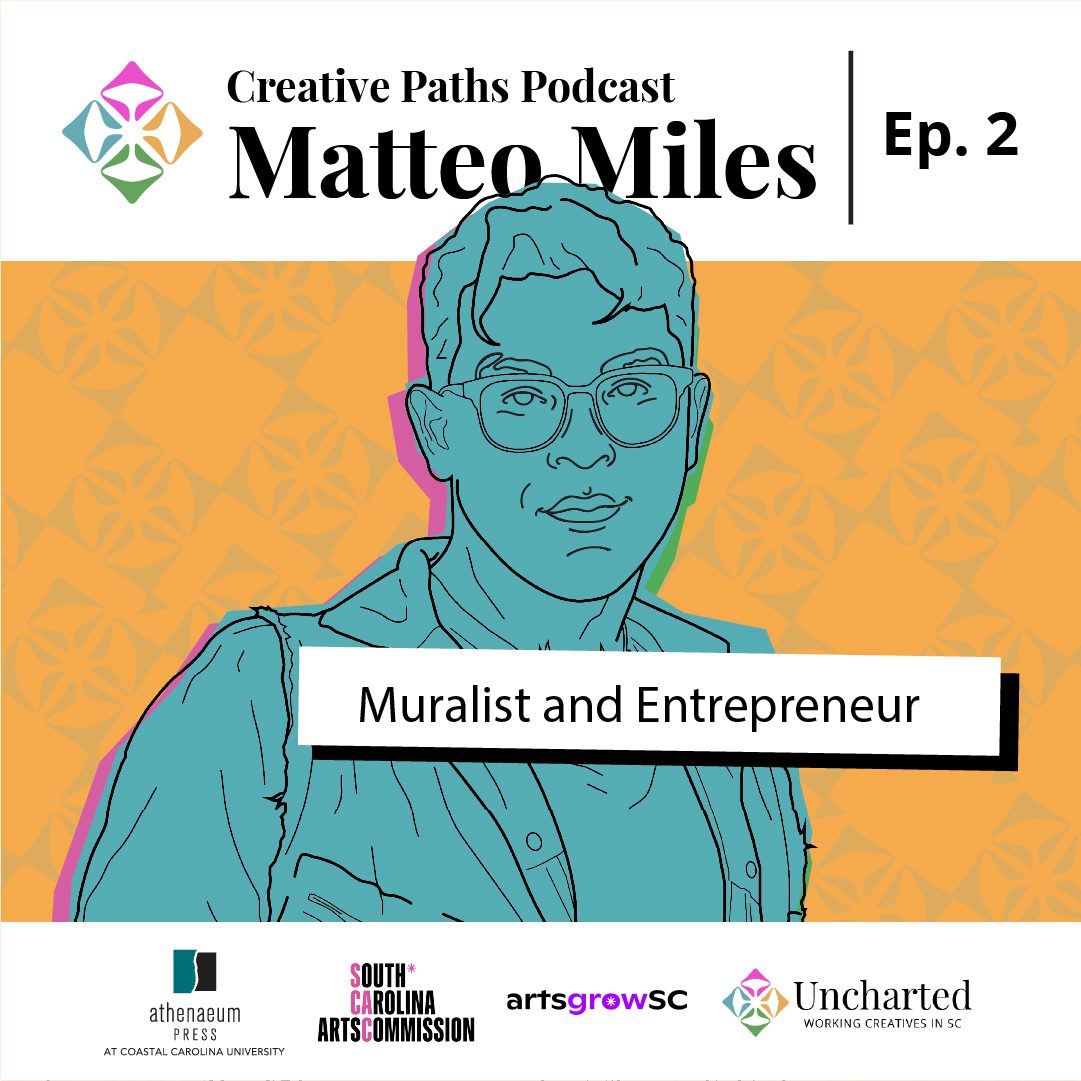
Matteo Miles
In this episode, we’re talking about the journey and realities of being a full-time artist with Matteo Miles, a muralist and painter, based in Greenville, South Carolina. Matteo took advantage of the programs and opportunities within the emerging art scene of Greenville to cultivate his talents, but his path hasn’t always been clear.
Transcript
-
Kathryn Lawrie
“Focus on what you love, focus on what makes you happy. What makes you wake up in the morning?”
Kathryn Lawrie is the VP of Marketing at Springs Creative, and their newly spun-out company Springs Digital. She focuses on leads and revenue generation and handles corporate marketing and corporate communication for the company.
About
Kathryn Lawrie studied art at Winthrop University, with a double minor in art history and psychology. She originally planned to be an art therapist. After graduating, she moved to Columbia, where she worked retail at a jewelry store while learning from the jeweler behind the scenes. She spent months giving her resume to every arts-related employer she came across. Lawrie recalled, “To be quite honest, for a couple of months there, I was walking around town handing out my resume to every art gallery and museum and graphic design contact that I could make, and basically saying, ‘I have a degree in unemployment, can you help me?’” Her persistence paid off when one of her contacts helped her get a position at Scene Weaver, a subsidiary of Springs Creative,
Lawrie has been working at Springs Creative, across multiple positions, for eighteen years. She started out in product development in the graphics department, “really focused on the metadata and the tagging of all of the graphic files and how to resize and rescale things. Just maintaining that graphics archive.”
She branched out into marketing, and while keeping her “hand on the pulse” of product development, was able to improve her e-commerce skills, teach herself cinematography for marketing purposes, and take several trips to China while growing her department. Now, as VP of Marketing, she works with her content development teams and maintains communication between different segments of Springs Creative, and the newly spun-out company, Springs Digital.
When asked what skills young people aspiring to her role should acquire, Lawrie immediately answered, “I think soft skills are essential,” saying that they aren’t something taught in schools. She advises students to be their authentic selves, and “focus on what you love, focus on what makes you happy… what makes you wake up in the morning, and hone those skills.”
She also recommends students check out the designer-guided tours Springs offers of their textile archive, saying it’s “a great place to be inspired.” She promises that “it’s okay to be an aspiring artist,” and that students should never feel like they have a degree in unemployment like she did.
“Go for it,” she says. “Don’t let people shy you away from it.” She also says, “Springs Creative is always open to internships, and so anyone who’s in a creative field can definitely contact us with their resume and portfolio, and we could discuss opportunities for interning here at Springs.” To check out the work of the newly spun-off Springs Digital, follow this link: https://springs-digital.com/creative-services-1.
-
Walter Curry
“Value success through impact rather than accolades.”
Dr. Walter B. Curry, Jr. is an award-winning author, educator, and historian based in Columbia, South Carolina. Through Renaissance Publications, he documents African American family and local history, connecting ancestral narratives to broader historical themes.
Interview
Transcript
Lexi Raines 00:04
So what do you do for work and where are you currently working from? Just give a little introduction of yourself.
Walter Curry 00:10
Well, first I want to thank you for inviting me. I have followed the Athenaeum Press for a while. I have a connection there, actually how I found out about the press about a year ago, when I’ve heard about your organization, initiatives focusing on community, with the Communal Pen, I’ve learned more about the Press.
But just to tell you about who I am: I am author and educator, and I currently live here in Columbia, South Carolina, and my work focuses on ancestry and local history. And so as an author, I write narratives about my family history which connects to local history in South Carolina, in Orangeburg and Aiken counties, where my family is located, and using those ancestral narratives through the historical context, in the broader scope of African American History and beyond.
Lexi Raines 01:29
That sounds that sounds really fascinating. It’s good to hear that you also know about the Communal Pen. That’s amazing. So how long have you been writing?
Walter Curry 01:40
I’ve been writing about been writing for five years. Yeah, five years. I started in 2018 I published my first book on the Thompson family on told stories from the past 1830 to 1960 and because of the success of the book, I won my first book award in 2019 I was encouraged to use that as a opportunity to launch my business. And so the concept and the business Renaissance Publications is a self publishing company where I published my books focusing on the literary arts, and so I’ve been writing about five years. I’ve written two books, The Thompson Family Book, my second book, The Awakening: the Cy Ellison Family Saga, Volume One, a narrative history. That book won several awards as well. And—
Lexi Raines 02:45
Awesome.
Walter Curry 02:47
Thank you. Thank you. And my third book, which will be a blockbuster South Carolina, Matilda Evans, she was the first African American woman licensed to practice medicine here in South Carolina, that book is coming out in April, and that book is going to be the exclusive biography of Dr. Evans. And so I’m blessed to have written three books so far, and I have also branched out to other areas in the literary arts, visual art. I also do presentations and design of exhibitions as well.
Lexi Raines 03:33
That’s awesome. So it sounds like you’re definitely staying busy. Yes, yes. I am. I am. You said that you have a family history in South Carolina. What’s one thing that you have, like loved about working as a creative here?
Walter Curry 03:47
South Carolina is a very unique state. South Carolina is about 80% rural, 20 urban. And the beautiful thing about South Carolina is that South Carolina is unique because of our rich history and culture. And when I travel across South Carolina doing presentations, I’m always paying attention to the area, looking at the features of the area, looking at the cultural aspects and the local history, which connects that area to other broader aspects of history. And so I will say, with South Carolina, we’re very unique as it relates to our culture, our rich history, and that creates opportunities for authors like myself to bring that history out and to make it come alive. Through the literary arts.
Lexi Raines 05:02
That’s awesome, because I feel like South Carolina does have so much like kind of hidden history that’s kind of been like pushed to the back, and that deserves to all come forward, because it’s always like such beautiful stories that are meaningful.
Walter Curry 05:18
Yes, yes, yes, I totally agree. South Carolina has a lot of hidden history. I’ve discovered during my journey that when I was researching my mother’s maternal native County, Aiken County, I discovered that Aiken County was founded by three African American men during the Reconstruction Era. Aiken County was founded on March the 10th, 1871 and I also found out that Aiken County was the only county in South Carolina that was founded during the Reconstruction Era. And so when I asked my mom and some of my relatives and friends who grew up in Aiken county in the salad area, they had no idea about the founding of Aiken County. They didn’t know that Aiken County was founded by three African American men, all state legislators and civil war veterans. And so it’s the hidden history that I have discovered which is an opportunity for authors and historians like myself to bring that hidden history out, and that is relevant in all communities across South Carolina, there are stories of hidden history that need to be brought out so it creates opportunities for those of us like myself to focus on local history and to make those broader connections to state history, national history, African American History, Women history, or other areas of History.
Lexi Raines 07:20
I feel like you’re definitely helping pave the way, like uncovering all of this stuff. So you how would you like describe the local professional community? Because you did say there’s a few others that are also working on similar projects?
Walter Curry 07:36
Yes, yes, I have a great relationship with the local professional community. I do my best to support my peers. They support me. I have collaborated with several of my peers on various projects, one in particular a good friend of mine named Wayne O’Brien. He’s a local historian and author from Aiken County. He’s from Charleston originally. We have partnered together on several activities and initiatives, the Harlem Renaissance, that exhibition. He has written several essays on his family history, about his family connection to the Harlem Renaissance, and how his great uncle, Charles Linton, discovered Ella Fitzgerald. And yes, yes. Charles Linton the Lenten family, they are from Shera and so his family is from Cheraw, and how the Harlem Renaissance is connected to my family, I’ve discovered in my ancestry that my great grandfather, first cousin Asman Ellison, lived in Harlem New York in the 1930s during the Harlem Renaissance, and he was employed at Hotel Teresa, and that that was the famous place where all of the political dignitaries, cultural icons in the African American community, even foreign leaders, they patronized and stayed at a hotel, Theresa. And so looking at my cousin his life, and also saw, I saw his picture, and I have his picture, and he wore a Zoot Suit. And so I learned about the zoot suits. And so me and my colleague, Wayne o Bryant, we have partnered together over the years. And one of the thing about being a part of a professional community, a network of peers, you are able to share information and share ideas. With each other and potential collaborative opportunities. And so I encourage that, because we don’t know everything. We have our strengths, we have our weaknesses, and I think we as creative, should acknowledge that. And the beautiful thing about being a part of a network is you lift each other up because this work sometimes is challenging, sometimes it’s frustrating. It’s a battle of the mind where we have to constantly reassure ourselves that we despite the struggles that we face from time to time, we’re in this because of our talent and we want to show the world that our talent has value because we believe that we as creatives have value, and that our value is the creative arts.
Lexi Raines 11:06
That’s awesome. Yes, I feel like I completely agree. I think it’s also so nice that, like you have, that South Carolina has such a good community to lean on. Because I feel like that’s something you may not find in, like bigger states, is that just really close connection and networking capability that we have here?
Walter Curry 11:27
Yes, yes, I totally agree. South Carolina is a close community. Is a small state, and we’re a state that is blessed to have rich culture, rich history, diversity. And I remember Governor McMaster, he mentioned in a state of the state address, he spoke about South Carolina rich diversity in history and culture, and that we are the envy of some of our competitive states because of the fact that we have rich history, rich culture from the American Revolution, Revolutionary War, Civil War and beyond. And we also have access to the mountains. We have access to the beaches. We have warm climate. So we have a lot of amenities that motivate us as creative artists to really highlight South Carolina through our work.
Lexi Raines 12:34
Yes, I would completely agree with that. And so kind of shifting gears here in your writing, like, how? How do you define, like, professional and or personal success in your creative endeavors?
Walter Curry 12:49
That’s a great question. I never thought of it. I would say that professional success, to me, is growth. I believe that over time you want to you want to see whether or not you are actually growing in the areas that you need to grow in in order to maintain success. And so for me, I look at my writing. I look at how my writing has improved over time. I also look at my activities. What are what am I doing as far as my activities to make sure that I stay active. So I measure that. Am I’m going to networking events? Am I doing professional development, professional learning opportunities? So I measure that, and how am I applying the knowledge and skills that I have obtained over time, and whether or not the knowledge and skills are working in my favor. And so that’s how I measure myself, professionally, personally, I look at the accolades, because we all want, we all need to know whether or not our work is being recognized. I’m not a person who seek personal recognition, because that is a trap. I think we have to be careful as creative to if we focus too much on personal recognition, but it doesn’t help to get recognized, and so when I receive awards, and I have received several awards for my work, that tells me that I am being noticed, and I am out there and people are. Recognizing my work, not only those who follow me and support me, but my peers who are judging my work as well.
Lexi Raines 15:09
Yeah, I would completely agree with both of those. I think, like first for what you said in your professional life, like I feel like the worst thing that can happen to a creative is that kind of like stagnation. So I feel like striving for growth at all times is the only way to grow to get anywhere. Really.
Walter Curry 15:35
I agree. I agree. I agree and to and to your point, you don’t want to feel stagnated. You always want to achieve growth, and
Lexi Raines 15:48
then with the your personal success, the like awards and stuff, I feel like it definitely, I would agree it’s important to have a mix of having a drive for doing it for yourself, and then having a drive to put stuff out there and be recognized. So I would, I would agree with that. Thank you. Thank you. So what was like your biggest fear when you first decided to pursue the arts?
Walter Curry 16:19
Oh, man, that’s a great question. I would say fear, fear of failure. I have failed several times in business, and I’ve learned from my mistakes. I started out as an insurance agent, following my father’s path, did pretty well, but I found out like this, ain’t me, you know, he’s a very successful insurance professional. He taught me a lot about business and some of the skills and lessons that he taught me, I still apply till this day. And then I moved into real estate, got my real estate license, and I only sold one house. Actually, it was a cousin who I helped, and he owned a rental property, and he sold it, and I helped him for 21,000 so I didn’t do well, because I thought, Man, I got this real estate license. I’m going to make a lot of money. I remember going to a subdivision and this successful real estate broker. He was like, Walter, if you come to this subdivision and you be the agent on duty. And I was thought, man, all these people going to come to me, I found out that was not so. And so I got out of, out of real estate, and then I tried jam Pro, because I was, I was convinced by a cousin to get into the cleaning business. Did okay with that. Then I quit, and then got into education. I taught school for four and a half years, then at the time, I was blessed to obtain my graduate degrees. I have three graduate degrees, by the way, and I decided to leave the classroom because I was tired of teaching middle school kids, so I didn’t do well with that. And I look back at that experience, and I said to myself, if I would have applied myself, I would have been a better teacher. So I was a rebel, okay? And I didn’t take my training seriously, so I fell on what I know, and at the time, I was going through a midlife, midlife crisis, I remember all of the stories that my mom shared with me about her family history, and I did some research and find out that man I have an ancestor who was an enslaved cook in the Confederate Army, and found out about her, located her pension record. Then I did some more research find out about ancestors who were enslaved, more written records, primary sources. I said, Wait a minute. I got something here. Okay, and so I was able to discover my passion in history. I have discovered my passion as a writer, and because of my background in education and business, I put those skills to use, and I have successfully applied those skills. And so I’ve been doing this for five years, but my biggest fear when I started. Out was the fear of failure. And the fear of failure for me was the mistake over the years prior to me becoming a business owner in the literary arts, was the lack of application, the lack of discipline, not being humble, okay, not learning from mistakes. And so I say to myself, I will not fail again, you know? And so I’m blessed to be in business for five years. It has really been an incredible journey. Yes, I
Lexi Raines 20:41
I feel like that definitely shows too that everything that you do does ultimately get you, if not, where you thought you would originally be. It gets you to where, somewhere, where you will be happy, like your business background, your time as a teacher, all of that led up to you being a writer. So it really shows you never know where life is going to take you all the time.
Walter Curry 21:08
Well, I agree. I agree, and that’s why you have to have a open mind. I encourage everyone to seek your gift, seek your calling. I believe that everyone has a calling. Everyone has a gift. It’s how we cultivate our calling, how we cultivate our gift and be able to appreciate that. I’ve learned that you cannot be something that you’re not. You know you could try, but you cannot be something that you’re not. You could, you could try to fill somebody else’s shoes, but over time, those shoes are going to get bigger and bigger, and your feet going to get smaller and smaller. It’s kind of like my grandma, Lizzie Williams curry, she passed away several years ago at the age of 102 and she said she shared a lot of wisdom and advice with me during her last years. We had a lot of private conversations, and she told me about my journey, she said, Walter, I’m going to tell you something. You got to stay in your lane. Okay, stay in your lane. Don’t worry about trying to ride somebody else’s lane, because if you do that, you’re going to get run over. Okay, stay on the path that God has called you to do. Don’t worry about what people say, because people going to talk, they going to criticize. I mean, that’s part of life, that’s part of the game, but you got to stay focused on what God has called you to do, and stay in your lane. So I live by that example, and I don’t try to interject myself in a lane that I am not called to run on. So for instance, because of my popularity as an author and a historian, I have received numerous requests about doing other things and also requests in knowledge that I’m not familiar with don’t have no expertise, so I’m happy to defer to those who do have knowledge, experience and expertise, and that’s why a professional community of peers is so important, because, number one, it helps you to identify peers who have the knowledge, skills and expertise and the resources. And number two, it gives you credibility, meaning that I don’t know all the answers, but I know someone who does so that gives folks a sense of your credibility and your ethical behavior in the field,
Lexi Raines 24:12
I would completely agree. I feel like staying in your lane, like I have a question later about like the best and worst advice you’ve ever received, but I think that is genuinely good advice too, because I feel like, if you are trying to like, you said, like, interject yourself into other places. I feel like that can be where, like so much unhappiness will stem from. Like, that fear of judgment from doing like, what you truly want to do. So I feel like that is just a really, really important and wise piece of information she gave you. Thank you. Thank you. Thank you. So please like describe, for me, a defining moment in your creative journey, like, did you have a like, a particular project or moment that had the biggest. Impact on, on you.
Walter Curry 25:03
Yes, yes, I will say the defining moment for me was in 2020 before COVID. February the first 2020 black history, month of the unveiling of my first exhibition Sally in the Thompson family, and that exhibition was featured at the Aiken County Historical Museum in Aiken, South Carolina, where my maternal family is from. And I, along with the director, Laura Virgo, we collaborated for about six months on the exhibition, the items and the promotion. And I remember putting, putting the word about the exhibition out to the public and on social media. And I looked up one day find out. Man, it is sold out. And I remember Laura said, Doctor, curry. We are at capacity. I said, what? You gotta be kidding me. And so I remember, I spent the weekend down there. My cousins gave me we had an Alli at my cousin house, and so they were so excited. I mean, I mean, they were so excited. Some cousins I never met, who came down, and I was like, wow, they doing all this for me. And so I on Saturday morning, I lost my wallet, and luckily, I was able to recover it. I left it at a gas station, so I said to myself, Man, I lost my wallet a few hours before the opening event of this exhibition. I’m freaking out. And so when, when, when the exhibition was finally open, during event time, I looked up and there were people coming from all walks of life. I mean, I think it was over 100 people. And according to the museum, they say that that was the largest gathering of an exhibition in its history. Insane. That was insane. I was like, Oh, my God, this is insane here, you know. So that was a defining moment for me to really sink my teeth in and say, Okay, this is something. I could do this. And so that led to me defining my skills, making sure that I stayed with what I am doing. And so that was the defining moment. And the second defining moment was recently when I finished writing, when I finished writing my third book on South Carolina, Matilda Evans, a medical pioneer, and looking at my work and looking at how this book is really going to be a major blockbuster in South Carolina history. That is another defining moment for me. So yes, those are two defining moments.
Lexi Raines 28:30
Those both sound so like special I can’t even imagine, like, how you must have felt in that moment. That is congratulations. That is actually amazing. Thank you. So, yeah, of course. So I know we kind of already did hit on this, but if you have any other advice, what is the best advice you’ve received and the worst advice you’ve received?
Walter Curry 28:57
The best advice I receive, I will say, like I said during our interview, is stay in your lane. Know what you’re good at, and perfect your skill and talent. And that has helped me the worst advice. I haven’t received any worse advice. I will say, being tempted to do something that you don’t want to do. I will say over joining organizations. Sometimes we do that. Join this organization, you join that organization, and you hoping that if you join organizations, you will get something out of it. So I will say that is, is the worst advice that I receive. And I will say in that if you going to join an. Organization, you have to feel comfortable. You have to know why you join in that organization, and you don’t want to over join. You want to join organizations that relates to your interests. So that is the two advices that I have received.
Lexi Raines 30:47
I feel like that is definitely good thing, or a good piece of advice, or not over joining organizations, because I feel like young creatives, they are just trying to, like, get their names out there, do whatever they can do, as much as they can. And I feel like, as an artist, it’s so easy to stretch yourself too thin and kind of like get burnt out in that way, which is obviously never what you want to happen to your passions.
Walter Curry 32:53
Oh, I totally agree. And we can get burned out, and you get burned out to a point where it does affect your cognitive ability, because as a creative your mind is all over the place. You know, I even have to guard that myself. Well, well, I want to do this, but, but I know I shouldn’t okay, what I shouldn’t do, what I shouldn’t do I should do okay and to your point, we have to guard our minds. And I will tell any creative, guard your mind. Take time for yourself. Don’t worry about whether or not you’re going to get opportunities. Opportunities will come if you just stay focused and perfect your craft, stay engaged. Opportunities will come, and I’ve discovered that. I’ve discovered the days that I feel like, Are there any opportunities coming? You check your email, you find out, Oh, man, there’s an opportunity. Okay, yeah, yeah. And also cultivate relationships and give back. I think sometimes we miss that. I mean those organizations and peers who have helped us, we need to help them. And I would say that to creatives, that when you have downtime, that doesn’t mean that you’re not working. Okay, that’s an opportunity where you can reflect. That’s an opportunity where you can say, Okay, I need to retweet this. I need to retweet that. I may need to revise this content, revise that content, that content. That could be an opportunity to do some promotion on social media. Okay, follow up on emails. So So I always, I will always say that there’s always something to do, but the same time you have to know what your goals are, what your interests are.
Lexi Raines 32:53
I completely agree with that. Because, like, even on your point with like, not being afraid to give yourself that time to relax and have that downtime. Even I have felt that this past semester in school like it, it’s okay to give your brain a little break, and in that moment, in those moments where you are taking that break, you can find so much inspiration for things when they pick up again.
Walter Curry 33:21
Oh, absolutely. And you have to reflect on your successes too. When you reflect on your successes, that will help you feel positive, because, you know it’s like with Steve Harvey. He owns a radio show, and he has his his morning talks, and his morning talks are very, very powerful, inspirational. I remember listening to one of his morning talks, and he mentioned about how you have to speak something positive about your life, where God has placed you in your life. He will start off by saying, Steve got a radio show, yeah, I got a radio show. Okay? And he will tell you what led to him getting that radio show. He will tell you that man, several years ago, I was homeless. I was sleeping in my car. Okay, now I’m sitting in this chair, and I have my own radio show, and so he takes the time to reflect on his successes, and we have to do that, but particularly in this world of distractions, as we see, there are so many distractions, and so I would encourage creatives to reflect on your successes, and that doesn’t mean reflecting on your awards or your accomplishments, but but if you have published a book, if you have. Design or create a painting. Count that as a success. I mean, I mean, count the fact that you are participating in a professional development opportunity. Okay, the little things. It’s the little things that we have to appreciate. I believe in what St Augustine said in his book confessions, it’s the little things that leads to the greater things he didn’t say. These are the greater things he says, those little things. And so those little things that we have to pay attention to.
Lexi Raines 35:37
I completely agree you have, you have good advice after good advice, this is going to be awesome. So can you walk us through like a typical work day, like, what does your work process look like, and what do you kind of like expect from yourself on a daily basis?
Walter Curry 35:57
That’s a great question. You never know. I’m a father of two sons. I have a lovely wife who supports me, so it’s always unpredictable. I’m blessed to have flexibility. I work from home, so I make it a point to walk outside while my wife and my boys, they in the kitchen getting ready. I’m getting ready to take them to school. So I believe walking outside in the morning to feel refreshed, to connect with nature, to clear your mind, because your mind has to be clear. Also, I work out. I go to the gym twice a week. I’m trying to increase it to three times a week, because your success connects to your physical success. I believe that in order for us as creatives to stay engaged mentally, to decrease stress, we must take care ourselves, take care of our bodies, and we have to incorporate physical activity. So I do work out at the gym. I check my emails in the morning. I look at things that I could do as far as my work. I pick up the kids from school, help them out with their homework, and when my wife and my kids are sleep, I’m back on the computer, catching up on things. Well, that’s my typical work day. I do have presentations, and so when I schedule presentations. I take the time to prepare for those presentations and other projects that I’m working on, making phone calls.
Lexi Raines 37:51
So how do you create like that work life balance where you’re able to maintain like your professional creativity, your personal creativity, and just like that time with your family.
Walter Curry 38:03
Yeah, it’s a challenge. Sometimes it’s a challenge because in my position, I’m blessed to be compensated for my work. I receive compensation through a grant from the South Carolina Arts Commission. I have a partnership with the Aiken Center for the Arts. I am the author in residence, and so we have a grant through the South Carolina Arts Commission, where we host historical exhibitions in middle schools across Aiken County, eighth grade classes. And so I’m blessed to be compensated, and also I’m a member of the South Carolina humanities speakers bureau, where I’m part of a circuit of speakers of history, art and culture called South Carolina, and I present at various cultural centers, museums, arts and humanities organizations across the state. And so I’m blessed that I am being compensated for my work. And I think we have to feel well, let me say we need to be compensated for our work because of what we put in. And so I’m always looking for opportunities for compensation, and if those opportunities for compensation don’t come quickly, then I’m looking to help other authors. And that’s a key point I want to make too, is don’t just look to see compensation all the time, there could be an opportunity to help another creative, and that creative will help you. There could be an opportunity to connect with it, with an influencer. And influencers are very, very important in our work. Those are the individuals who have influence in areas of expert. Teas, but also have influence in networks that could give us opportunities, and so we have an opportunity to help the influencer. So these are strategies that I have used over the years that have helped me, because as a creative, you’re going to experience gaps, okay? I mean, in any business, there will be gaps, okay, but how do you overcome those gaps? How do you train your mind mentally to not allow those gaps to affect your confidence? And so that’s why I live by three things, looking for opportunities that provide compensation, looking to help other peers, and also looking to help influencers and get involved in my professional networks.
Lexi Raines 40:58
I would completely agree. I feel that, like, obviously, when you are working creatively, you do want to worry about money, but like, there’s so many other ways that you can kind of get that, like payout, like just their experience, or growing your circle, all of those things that you mentioned.
Walter Curry 41:19
Yeah, yeah, I totally agree. Totally agree.
Lexi Raines 41:24
So as we’re approaching the end of the interview, do you have any questions that you wish you were asked?
Walter Curry 41:32
Oh, no, no. I really enjoyed this interview. I got off to a slow start, but over time during this interview, really enjoyed answering the questions.
Lexi Raines 41:47
I’ve really enjoyed talking with you. I feel like you have so many like valuable, so many valuable words of advice for people that I think will be just so helpful. Thank you. Thank you. So my last question, do you have a creative that you would like to be interviewed, that you’d like to nominate to be interviewed?
Walter Curry 42:09
I do several of them, several of them. I will say my cousin Teresa Corley Wright and here’s why I say that, because she was the one who introduced me to the world of writing. Really tell you this story like myself, she is a family historian. We share a common we share a common ancestors, and I remember myself and Teresa, we discussed the idea of a family history book. And at the time, I knew that Teresa had experience in writing books. She has written several books over the years and and she told me, she said, Well, Walter, since you know the family history and you know a lot of relatives, you should write the book. I said, me, Ah, man, I’ve never written a book, you know. I said. I said, okay, okay, okay, okay. You gotta be kidding me. I’m just gonna provide you the information. But I said, Well, wait a minute. You know, I’m at a midlife crisis. This is an opportunity for me to show what I can do. And so I took the opportunity I wrote the book through trial and error. But what’s so interesting about my first book is the structure of the book is the same structure that I use when I wrote my dissertation. And so I had no format of writing a book. I say, Okay, I’m going to write the narratives, and then I’m going to write an interpretive essays about the narratives. Okay? And that’s qualitative research, where you take narratives and you write interpretive reflection essays about the narratives, looking at themes and context and so forth. And so I follow that format, yeah, yeah, yeah, yeah, I’ll follow that format. So yes, Teresa has been very helpful. She She deserved to be honored. She has now received accolades for her work, and so I will, I will be be honored to recommend her,
Lexi Raines 44:55
Yes, okay, awesome, so I’m going to be sending. You like a little follow up email, and I’ll remind you in there. But could you just like, attach either her contact information, like her email or her phone number, whichever she prefers, and then also, thank you. Thank you so much. Thank you. Yeah, I’ve really enjoyed our time today this you just have so much good advice. It’s awesome. I feel like your story is really inspiring. Like you’re just you didn’t know what you do. That’s kind of how I’m feeling. Like I don’t know what I want to do, but you give me hope that I will end up there.
Walter Curry 45:35
Well, I appreciate it. And that’s, and that’s, and that’s, that’s what we have, is hope. Like Steve Harvey said, If you don’t have faith, have hope. And I draw on that because that was the characteristic that my ancestors had when they were enslaved and share crop. And in the rural South Carolina, they had faith, but they had hope. And I think before you have faith in something, you got to have hope. You got to have something to believe in. Because when you have hope for something, then then you will develop faith, but you got to have hope first. And how I describe hope as optimism, you have to be you have to be optimistic, and you have to really believe in yourself, because, again, there will be challenges. You have to face rejections. One of things. One thing I learned when I was active in the insurance industry, I learned about rejections. I learned about overcoming rejections, because that’s part of the process. When you are in the sales industry, you going to have objections, you’re going to have rejections. Okay? Is how you overcome those objections and rejections to move forward. It’s all saying it’s a numbers game, you know, an insurance business, it is a numbers game. And that has never changed. And so we as creatives, we’re selling our work. We are actually selling content, okay, where in insurance business, you’re selling a product, okay? That product could be life insurance, health insurance, disability, okay? Where, as a creative, you’re selling content based on an idea. Okay? You’re trying to convince people that your content and your idea worth something for them to buy. Okay, so you got to have hope and you got to have faith.
Lexi Raines 48:06
Yes, that’s also more good advice you, you just keep coming with this.
Walter Curry 48:16
I love to do a podcast one day, my tips and strategies.
Lexi Raines 48:22
Yeah, that would be awesome. We actually do have a podcast section on our website, so I’ll definitely, I’ll definitely mention you to my boss for sure.
Walter Curry 48:37
Yeah, yeah, yeah. I appreciate it.
Lexi Raines 48:40
Yeah, of course. So just thank you again for your time. I’ve really enjoyed this interview. I’m going to send you that follow up email, and obviously you can, like, email me any questions you have, but yeah, I think that’s it.
Walter Curry 48:55
Alright? Thank you so much.
Lexi Raines 48:57
Yeah, of course, you have a good rest of your week.
Walter Curry 49:00
Same to you. Same to you. thank you.
Lexi Raines 49:02
Thank you.
-
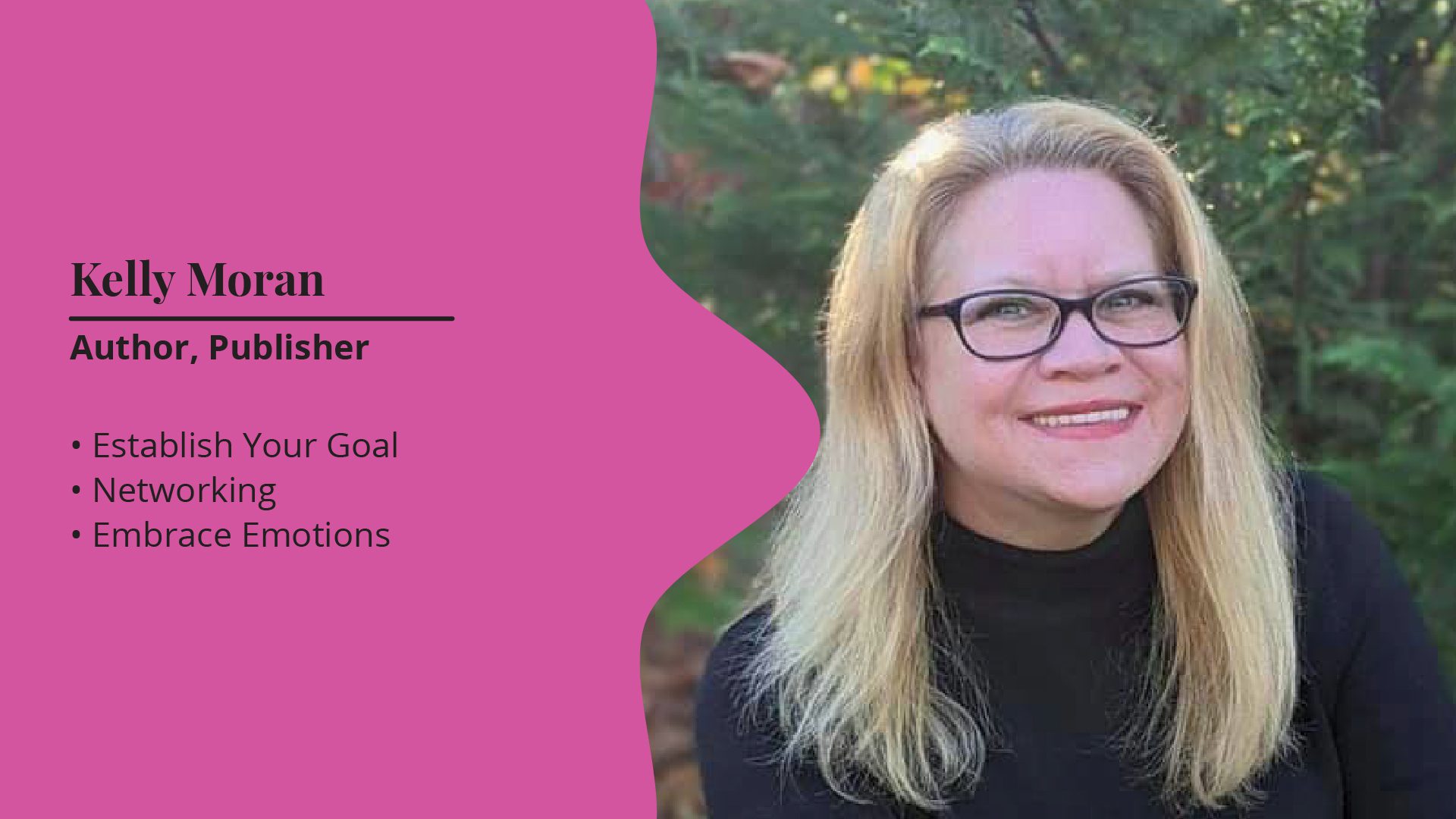
Kelly Moran
“Success is all dependent on every single individual’s definition… You have to define what that goal is for you, because it’s going to be different for everybody.”
Kelly Moran is a multi-genre author and founder of Rowan Prose Publishing, based in York County, South Carolina. Since her first book was published in 2005, Moran has authored over 30 titles across paranormal romance, contemporary romance, and light horror.
Interview
Transcript
Emma Plutnicki 00:02
So to start, what do you do for work, and where are you currently working from?
Kelly Moran 00:09
I live in South Carolina. I’m in York, up in the north-central area, not far from Charlotte. As an author, my first published book was in 2005, and I’ve been publishing it ever since. I mostly write paranormal and contemporary romance, but I do have a horror persona as well, who writes light horror books. And in 2023 I started my own small press publishing company called Rowan Prose Publishing, also based out of York. And right now, we’ve got a little over 50 authors.
Emma Plutnicki 00:57
And so how long have you been doing each? Author you said since 2005 and publishing since 2023?
Kelly Moran 01:05
I want to say 2005 was my first published book. That sounds about right. But really, in essence, I’ve been writing since kindergarten. I always wanted to be an author, but I didn’t always know that’s what it was. You know, I get these ideas in my head, like I want to be the president, or I want to be a US gymnast or whatever, and I realized it was more the story I was interested in, than, you know, the actual job title. So I always had a creative mind. Other people sit and watch movies or do things, and 10 ideas for a new book pops up in my head. I can’t tell you how many titles I have, like 45 maybe, and I’ve been traditionally published with Berkeley/Penguin, larger publishers like Entangled and Kensington, and then I’m also I’m what they call a hybrid author. I also independently published some of my own work. I have foreign translation rights in seven different countries, and I learned a lot about marketing and design amongst other things. That kind of persuaded me to start Rowan Prose Publishing, because I would get a lot of authors who would ask for advice. So, we’re getting a whole different side of publishing and writing and things like that which never would have been seen before. So, you got the Big Five who are publishing what they want to publish, what sounds good, what’s trending. But a lot of them are not taking on what readers are necessarily looking for. They’re not taking a chance on the smaller authors, debut authors, who are just starting out. They don’t want to put a lot of time and effort into helping an author build a career or working really hard on developing a book to the best of its ability. But unless you’re a big name, a lot of publishers, even with agents, aren’t accepting new and debut authors. I got into conversations with an author, and I’ve been friends with her for a very long time, and we were discussing how can we do this? It was a big undertaking, a huge undertaking, but we’re showcasing a lot of authors that you would not see on shelves elsewhere. You know, you would never have heard about these great, amazing, wonderful stories that bigger publishers don’t just want to take a chance on. And because we were by authors, for authors, we wanted to make sure we were not only showcasing new talent, but using new and innovative marketing techniques that some other publishers don’t. We give our authors a lot more freedom than some other publishers would. So, it was a big undertaking, but I’m really glad we did it. We have some really, really amazing talent.
Emma Plutnicki 06:03
And is the is the talent that you work with from South Carolina? Or is there any influence of South Carolina within your work, whether that be the clientele or any influence that the state has on your writing?
Kelly Moran 06:19
In my own personal writing, yes, I have. In my, fact, I’m writing a southern romcom series right now that’s been contracted with Germany for foreign translation. For Rowan Prose, yes and no. We’ve had some really great output from independent bookstores and libraries. I don’t think we have a South Carolina author right now. Publishing is mostly a virtual entity. What I would love to see is more of the colleges and whatnot, like what you guys are doing, showcasing how to properly do this. I mean, there are so many young adults who were me once, who are like, I want to do this. And it can be very dejecting and demoralizing. And it’s, it’s, I wouldn’t want that for anybody. One of our authors, in fact, is based out of Louisiana, and is only 20. She’s in college right now.
Emma Plutnicki 08:02
Amazing. And within a creative career, I mean, it can be very difficult to figure out what your niche is and also how to find success. So how would you define professional success? Is it the number of books you sell, or is it kind of just something within you of like bringing your words to the page. What does success look like for you, both personally and professionally?
Kelly Moran 08:27
I think, to be honest with you, success is all dependent on what every single individual’s definition is. Several of my authors are like, I would just love to see my book in a library, and they will be happy for the rest of their life. Some want New York Times and USA Today bestsellers. Some want to be Stephen King or Nora Roberts and be a household name. For each individual person, you have to define what that goal is for you, because it’s going to be different for everybody.
Emma Plutnicki 14:15
Yeah, no, it makes sense. Did you have any fears when you were starting as an author, or any fears when you started your publishing company?
Kelly Moran 14:23
Oh my gosh, yes, and I still do to this day. I’ve been in this business for 20 years. A lot of it now is fear for my authors. Like, I remember getting that first bad review. Having somebody navigate that with you when you’re first starting out makes all the difference. It’s kind of like hand holding. Not every reader picks up the same book. They always say to grow a backbone, but, in my opinion, if you grow a backbone, you lose a lot of that emotional edge you can put into your writing. You know what? Cry about the bad review. Drink a glass of wine and start again. That’s all you can do. I mean, one of the funniest things I like to tell my authors is, if you look up on Google the reviews for Stonehenge, it’s got an average 2.5 to a 3-star review. So, look at it that way. There’s going to be people out there who are going to hate, and all you can do is keep going, because for everyone that does, there’s 10 that don’t. It’s easy to say grow a backbone, sometimes you get tougher skin out of it. But that’s what always scared me. I think about that every day, and I think about all my new debut authors and how they’re going through that right now. I tell them the same thing: you’re going to get bad reviews, but you’re going to get great ones, and you’re going to build great readers, too. I think a lot of what they fear the most: rejection and failure, but failure is just like success.
Emma Plutnicki 17:43
Yeah, that must be pretty cool to look back on. But has there been a significant project that you’ve worked on throughout your career that really stands out as kind of the pinnacle of your creativity, or just one project that has had a significant impact on your life?
Kelly Moran 18:02
I don’t know if there’s one project in particular, because especially for an author, it’s the little things like, oh my goodness, USA Today reviewed me, or I just won this award, or I’m a finalist in this one, or you collaborate with other authors sometimes to write a compilation and anthology. As a matter of fact, one of my other big pieces of advice is to join a writer’s group, because they have publishing professionals, editing professionals, cover design professionals, indie authors, and traditional authors. And you’ll learn a lot by going to conferences. And some of them are virtual. Some of them are in person. I remember, I think, probably my most pivotal moment that I can think of is I had written and published two or three books with some small press before this happened, and I had written this book, and it was very emotional, it kind of bordered on romance and women’s fiction, but it was a romance, and one of my author friends who I met at a conference had said, why don’t you try submitting it to my agent? I’m like, I don’t know. Okay, let me try. I had hit up hundreds of agents before in some of these previous books, and I didn’t have the reader following. I didn’t have that experience. Most of them didn’t pick me up. So, I did. I submitted it to her agent. She loved it, and that was my first mass market contract. That was my first I’m in every bookstore. That to me, I think, was the most, to date, eye opening and pivotal experience I had, because not only did I get a mass market contract and these books were everywhere, but it was also a two-book deal. That was my moment. So that would probably be the one that stands out the most.
Emma Plutnicki 21:57
Yeah, that’s pretty special. So now, a typical day, what does that look like for you? Do you spend a certain amount of time in your day writing? Are you more on the publishing side? What does a typical day look like?
Kelly Moran 22:10
It depends on what contracts I have for my writing. At the time, Rowan Prose ate most of my time, and I’m happy to do it. I mean, I love what I do. I’m literally living my dream. I wake up when I feel like it, though it’s usually six o’clock in the morning. I check on my authors, and I check on our social media. I post, but it’s a big balance. Here I have all of these responsibilities, and I don’t want to let my authors down. So, there’s that, and then I have my own books to make sure I maintain for my readers, and I’m still following that dream, and I do still have many foreign translation contracts that I fulfill every year. So what I like to do is start out with, you know, something slow in the morning, I always do our social media accounts, make sure we’re posting, doing things, checking email, and then from there, I like to get into whatever edits we have for our authors. Make sure everybody is doing okay. We’re ahead of schedule, and I’ll usually do two to three hours of writing in the late afternoon. We have three interns who are amazing, who help me out when we get backed up, and two other editors beside me. One of them is an author, the other one’s a blogger earning a bachelor’s degree in journalism. We try to make sure we have a balance between work and whatnot.
Emma Plutnicki 24:25
We maintain that, because I’m sure working from home doesn’t make it easy to separate the work from just your normal day-to-day life, and I’m sure creativity strikes at different times of day and night. So how are you able to kind of have time for your work, and then also have time for yourself?
Kelly Moran 24:43
It’s really difficult. You have to be very detail oriented. I have a number of my writers who have day jobs, and then they write at night, which is what I used to do. And for me, I’ve always been obsessively organized, would probably be a good way to put it. So, I have schedules. My schedules have schedules, and those have post-it notes that have their own post-it notes. I make myself follow a schedule, because if I can’t do that, then things go crazy. You just have to set boundaries and stick to them, and set a schedule and stick to it, especially if you’re working a full-time job away from your writing career or your publishing aspirations. A lot of people feel really bad because they go to three days without writing or typing something on a page, but you can’t fix a blank page. I mean, writers probably have one of the best and toughest jobs.
Emma Plutnicki 27:06
Yeah, it’s hard.
Kelly Moran 27:10
I mean, unless you’re an actor or a journalist, what other job is there where, when your day is done, every single person in the world can leave a review about you. I mean, it’s cutthroat. Let’s say you’re a mechanic, right? Imagine going to the shop every day and you’re changing brakes and oil and transmission work, and then every person whose car you fixed then went on to the largest platform on the planet and says, “One star.” I didn’t like his overalls. That’s how it is.
Emma Plutnicki 28:05
I can imagine you must have tough skin to, you know, brave in those reviews?
Kelly Moran 28:12
A dream is a dream, and that’s just one of the things that a lot of people need to take into consideration. A lot of authors don’t even read their reviews for that reason. They don’t even look at one of them. I will, on occasion, pop onto Goodreads or Amazon, but I try not to anymore.
Emma Plutnicki 28:35
Oh man, oh my gosh, yeah. I don’t know if I could, uh, restrain myself from reading them. But, um, perfect. Well, just as we wrap up, is there anything else you’d like to add about your career advice or anything like that?
Kelly Moran 28:51
Follow your dream? It’s the cheesiest, most cliche thing out there on the planet. Learn your craft, join some writer groups, meet a couple of writer friends, and they don’t have to be in your area. I mean, in this day and age, zoom, or, you know, Facebook chat or whatever. Meet some other authors. Learn how it’s done. We do get a lot of authors who don’t even bother reading our submission page before they send it to us, and I’m sorry, but if you can’t take the time to at least think about what we need from you to submit, then that tells me you’re not going to be open to the other things that need to be done later on. When you’re submitting to agents and publishers, follow their guidelines, because every single one is going to have something different. Think about what your goals are. If this is something you want to do, definitely think about the degree you are earning and how you can get into that world, earning a paycheck while you’re working on your book, while you’re working on submitting and any of things like that. That would be my best advice. I had, I want to say it was something like 80 agent rejections before I got mine. And yeah, and I’ve had a number of small presses all the way up to big five rejections, and most of those came from the series that got me the Spiegel bestseller in Germany, and lots and lots of royalties afterwards. And when you’re stuck, move on to something else. We’re authors, we’ve always got something going on in our heads. Don’t feel dejected, because this is one of the toughest markets to break into.
Emma Plutnicki 31:37
That’s great advice. Thank you so much. I really appreciate the time and words of wisdom. I’m sure this will definitely help some people who want to become authors in the future. So, I really appreciate it. Thank you. Bye.