“The money will come and go, but the impact you make on people’s lives that’s the real success.”
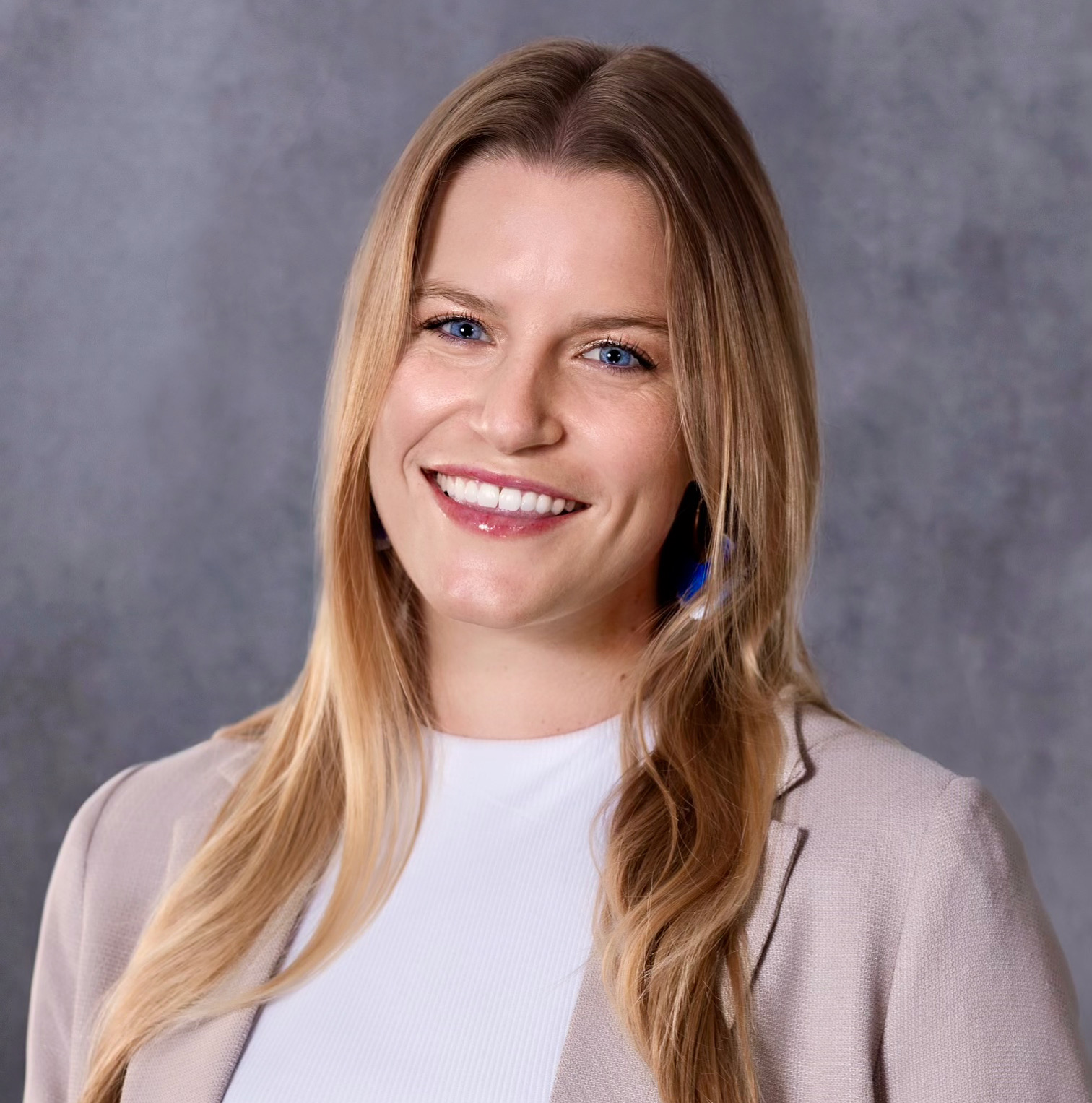
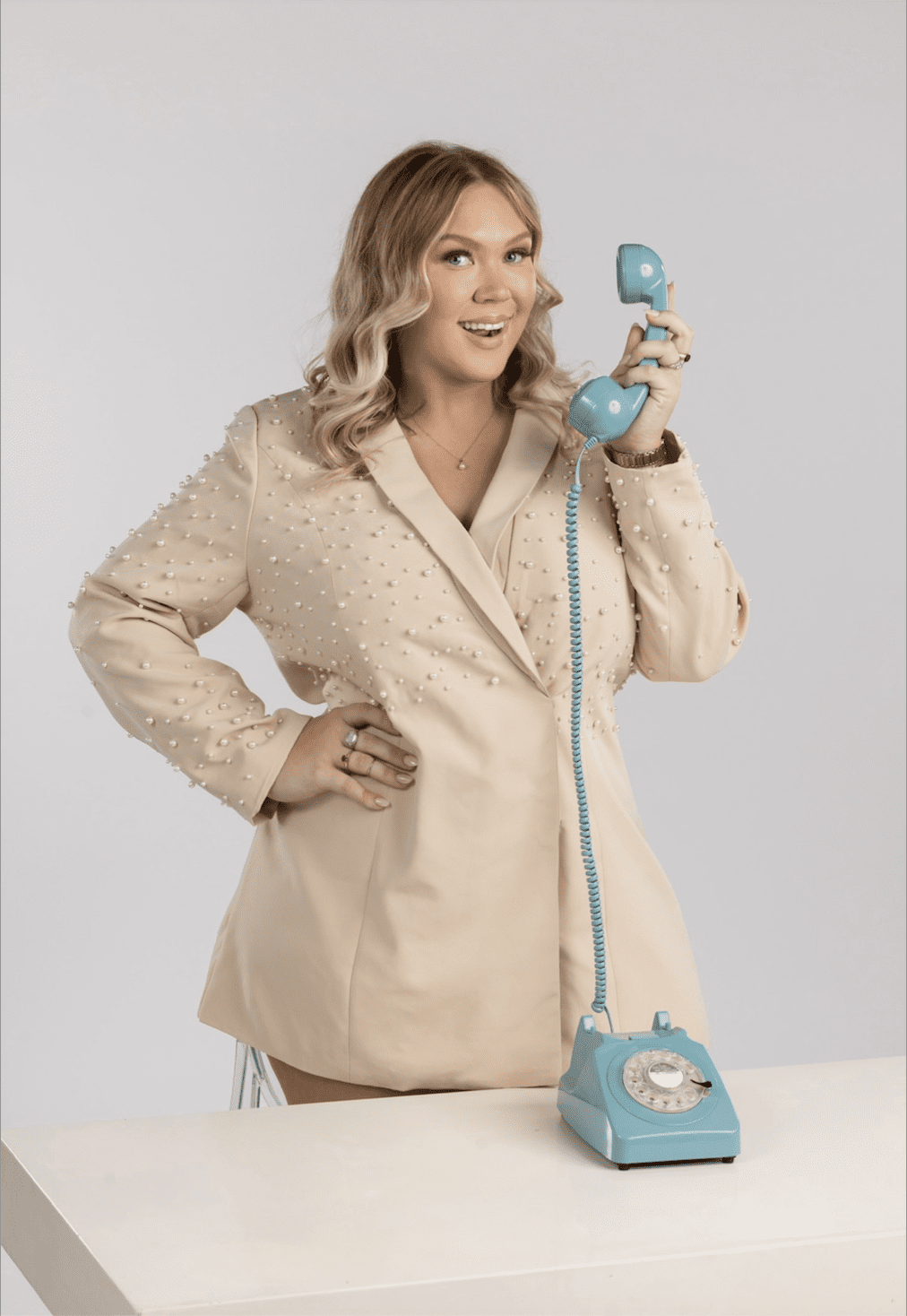
Jenny Powers is a Myrtle Beach-based music marketing strategist and founder of Blue Avenue Music Group, empowering independent musicians to thrive on their own terms.
About
Jenny Powers is the founder of Blue Avenue Music Group, a Myrtle Beach-based music marketing and artist management firm supporting both emerging talents and Grammy-nominated acts. With 15 years of experience managing the reggae-rock band Treehouse and seven years leading her company, Jenny brings an unshakable commitment to artist autonomy and ethical music business practices. Her work spans content planning, tour logistics, block chain distribution, and rights management advancing the next generation of independent musicians.
Born and raised in South Carolina, Jenny comes from a deeply creative family. Her sister co-founded the country’s longest-running girls’ rock camp, and her brother has been touring for nearly two decades. “We’ve always had the philosophy of bloom where you’re planted,” she says. This grounding has helped her shape a unique career path outside major music hubs like LA or New York.
Jenny’s day-to-day involves everything from preparing music releases to helping artists understand their contracts and protect their publishing rights. She has taken a leading role in changing how music is marketed pioneering new technologies like direct-to-fan block chain distribution and serving as VP of Community at Artist Hub.
What sets her apart is her fierce protection of independent artist rights. “With every step, someone wants a cut,” she explains. “By understanding your rights, you gain autonomy over your career.” Jenny’s mission is clear; to ensure musicians know the business behind their art before someone else takes control of it.
“Just do it. Otherwise, the dream will just stay in your head.”
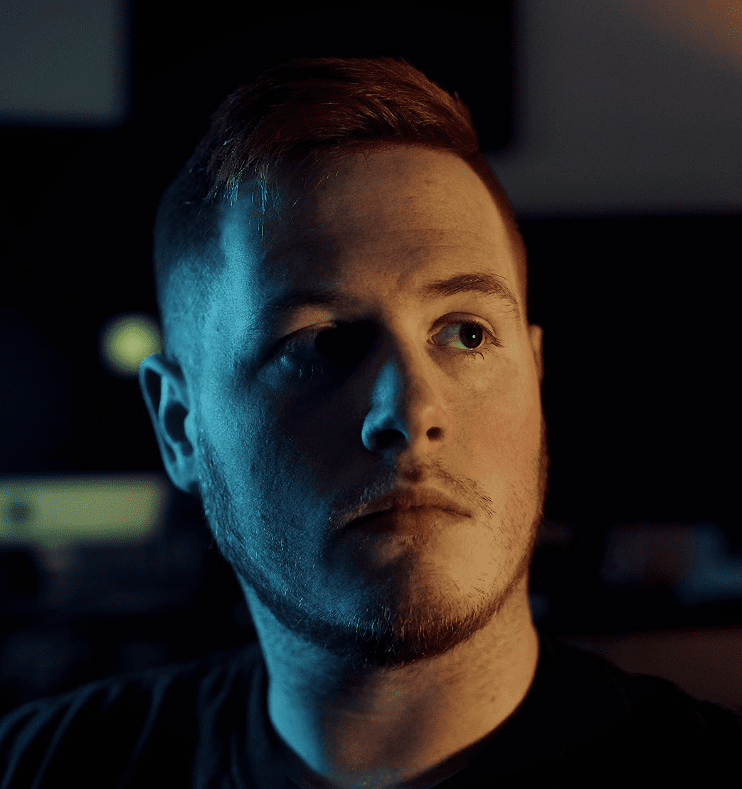
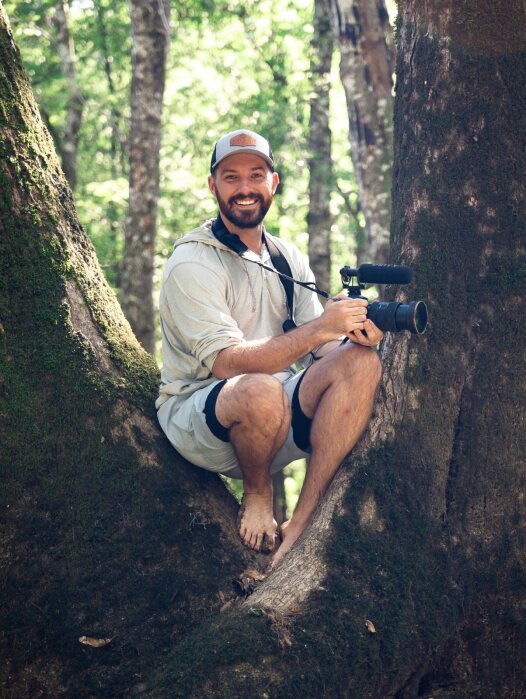
Marsh Deane is a filmmaker, photographer, and outdoor educator based in Pawleys Island, SC. Through his business ML & L Media, he captures South Carolina’s hidden stories and landscapes with heart and purpose.
About
Marsh Deane is a South Carolina native whose creative journey is deeply rooted in the natural and historical richness of his home state. As the founder of ML & L Media, he has crafted a career around documenting heritage sites, directing short films, and educating youth through the outdoors. Though he has been passionate about photography since middle school, Marsh formally launched his creative career in 2019 after graduating from Coastal Carolina University.
His work blends storytelling and education whether through nonprofit marketing, student media clubs, or immersive environmental video projects. One pivotal experience was an internship with the Village Group, where he transformed from a marketer into an outdoor educator and mentor. That experience sparked a lifelong mission: to merge nature, creativity, and community impact.
A typical day for Marsh is fluid filled with editing sessions, outdoor shoots, gear prep, and passion projects like YouTube adventures. He emphasizes the need to balance paid work with soul-enriching personal content to avoid burnout. His advice to aspiring creatives is simple but profound: take action. “You have to just do it,” he says. In a world dominated by distraction, he believes consistent movement and meaningful creation are the keys to both artistic satisfaction and success.
“If the car accident hadn’t happened, I couldn’t have asked for a better career for me.”
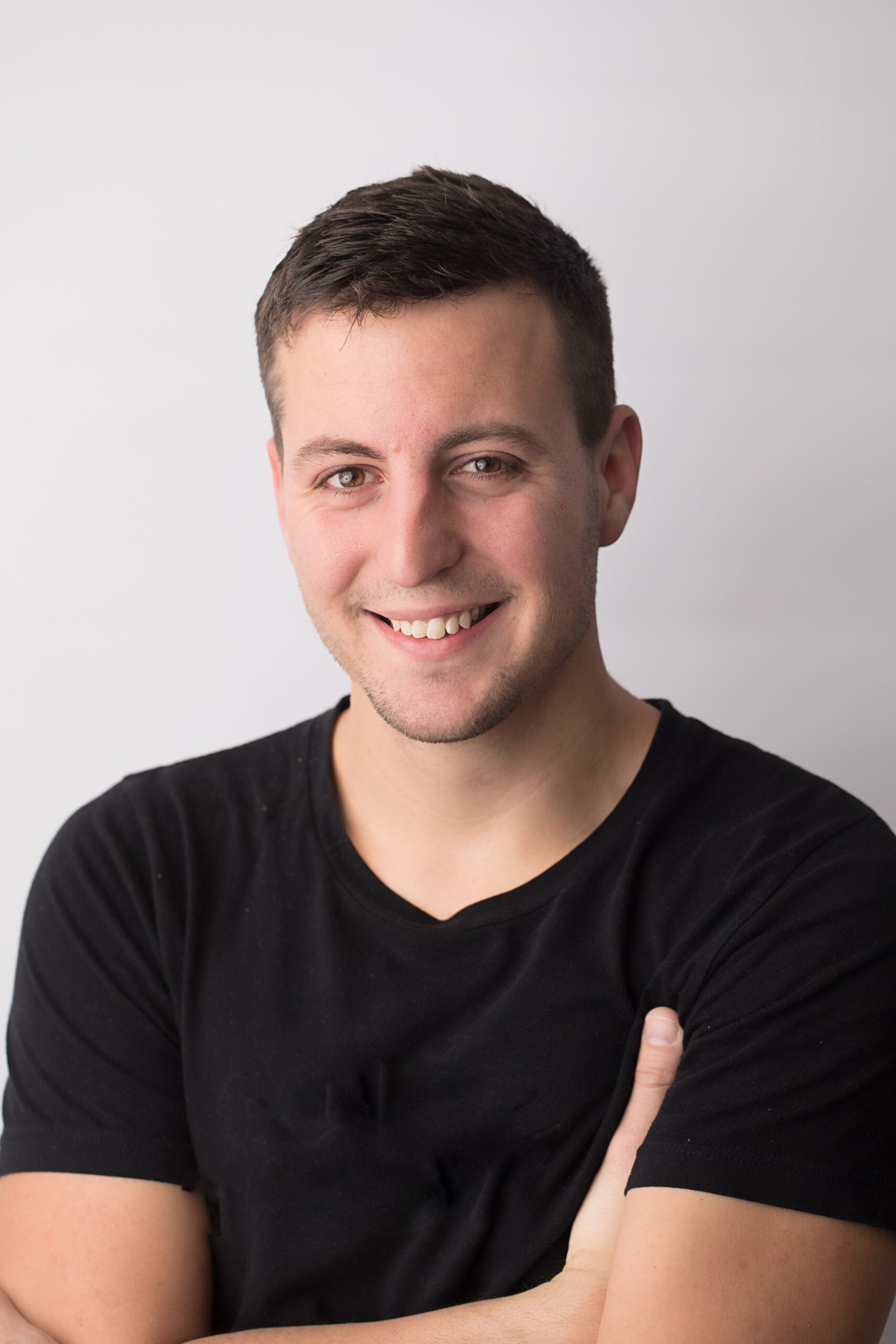
Mystery author Caleb Wygal turns personal tragedy into literary triumph through the Myrtle Beach Mysteries series.
About
Caleb Wygal is a full-time author living in Surfside Beach, South Carolina, and he’s mainly known for his Myrtle Beach Mysteries series. His journey to becoming a successful writer was anything but straightforward. It all kicked off during some quiet moments at a slow office job and took a serious turn after a bad car accident that almost derailed everything.
Caleb talks about how a traumatic brain injury made him relearn the basics, walking, talking, and even writing his name. Doctors said he’d never hold a full-time job, but he proved them wrong. Some folks say his stories helped them learn English or get through tough times in the hospital.
What started as short stories born out of boredom has turned into a popular book series, thanks in part to the strong author community around South Carolina’s Grand Strand. From writing on the beach to getting featured on local TV, Caleb’s journey is packed with creative twists, small-town inspiration, and some pretty memorable moments, like when he spilled the beans on a local talk show that one of his murder victims was based on the host. For Caleb, success is simple: paying the bills and bringing joy to his readers. With each new mystery, he continues to prove that storytelling is not just an escape.
“Get used to being uncomfortable. You have to feel uncomfortable to get to new levels, because it’s something you haven’t done before. It’s ok to feel uncomfortable. That means you’re doing something right.”
–Labria Strong
Sisters Shaquasia Coleman and Labria Strong are co-owners of Juice Crush juice bar in Conway. They are both from Myrtle Beach and attended the University of South Carolina (USC). Shaquasia earned a degree in public relations, and later, two Masters of Business Administration degrees, and Labria earned a degree in public health. Labria is also a real estate agent on the Grand Strand.
Interview
Transcript
Shaquasia Coleman 0:00
My name is Shaquasia Coleman, and I am from Myrtle Beach.
Labria Strong 0:04
My name is Labria Strong, and I am from Myrtle Beach.
Sara Sobota 0:07
Okay, what do you do for work? And where are you currently working?
Shaquasia Coleman 0:12 We are entrepreneurs, and we are currently working from our storefront location in Conway. Our business is named Juice Crushed
Sara Sobota 0:12
Okay. How long have you had it?
Shaquasia Coleman 0:14
Well, we started the business in May 2020. And we have been inside our storefront since September 2021. Almost 3 years in the storefront. Four years in business in total.
Sara Sobota 0:33
Okay, and your official job title is Co-owners?
Labria Strong 0:36
Yes.
Sara Sobota 0:37
Okay. Great. How did you end up in this field? And how did you hear about it?
Labria Strong 0:42
So, we started creating juices, cold-pressed juices, and smoothies for our mother, who was diagnosed with colon cancer stage four. She did not have an appetite after Chemo treatments. We wanted to make sure she was able to get her nutrients somehow.
So, I have a public health background from the University of South Carolina. So, I looked into juicing and making smoothies, adding a little bit more protein, because she would drink but not eat.
And so, after she unfortunately transitioned in 2018. Shaquasia and I decided that we needed to continue to juice and make smoothies just because of all of the health benefits that we read up on. And during COVID, all of our family and friends decided that they wanted to juice and have our smoothies, and we kind of went from there.
Sara Sobota 1:38
So, where are you blending? And you have told me the story before, and I have written about it before. You had public health and Shaquasia; you had business, was that the blend? Tell me about your college degrees. Did you both go to, you both went to USC.
Shaquasia Coleman 1:50
Yes. But our career paths totally took a different turn. In college, I went to school to get my degree in Public Relations. And then, I received a job opportunity to work in student housing. So, I worked my way up through undergraduate from maintenance girl outside to at least a manager, to Assistant Property Manager to working in a corporate level. While in college at the University of South Carolina. Labria, it was a bit of nepotism; she used to work for me as one of my community assistants at a student housing property in Columbia, which started her career in real estate. She’s a realtor here in Myrtle Beach.
So, we started property management, which helped us a lot with business because we’re managing million-dollar assets for someone, you know, and making sure that everything’s running smoothly and orderly, on the property side. So, it’s helped us tremendously with business. I also have an MBA as well; two MBAs. So, it helped a lot. You know, our backgrounds helped us a lot with becoming entrepreneurs. It was not easy, but it’s been a smooth run so far.
Sara Sobota 2:58
That’s great. And that was the next question: What background did you have that helped you land that role? You kind of talk through the stages that you went on. This is going to be a little tricky, but can you walk us through a typical workday?
Shaquasia Coleman 3:10
Yeah, that is gonna be tricky. And then to go back to how we blend it, the recipes, I don’t know if you’re going to access that before. But we came up with we were looking at the elements in the community, that people we know that their high blood pressure or diabetes, you know, we were looking for the fruits and vegetables to help out with these certain elements.
Shaquasia Coleman 3:28
And then, we got with one of our sorority sisters, who was a doctor in Internal Medicine. And she went through all of our recipes and told us to add this or add that to, you know, make sure they get more benefits out of that one particular juice.
So, that’s how we came up. We had juices, ABC, D, and G. And then, we went through, got with her and then we started making names for everything. So, it all flowed together while we were getting Juice Crushed together.
Sara Sobota 3:54
So, you created it for your mother, but then it sorts of evolved with input from experts.
Shaquasia Coleman 4:03
Because of our mom, it was simple. You know, we just wanted her to get basic nutrients, but we didn’t know what we were doing. So, it will be some carrots here and there. Make her a smoothie. But as time went on, and we saw that there are people who are actually needing this and that and this, then that’s when we were getting more creative.
Sara Sobota 4:22
Yeah, right.
Shaquasia Coleman 4:23
Yeah, for sure.
Sara Sobota 4:24
So, your audience for your business or your demographic is nearby but also broader.
Shaquasia Coleman 4:31
Right?
Sara Sobota 4:31
Okay.
Labria Strong 4:32
Because we all know someone who has some type of health issue, you know. If you go into a room like and you say, hey, who knows someone who is battling high blood pressure, everyone kind of raised their hand or someone wwho isbattling or, you know, has fought cancer and overcame, you know.
So, someone knows someone that is going through some type of health issue. So, we can relate to everyone in that aspect, right? Um, so it’s kind of just made it seem like, “Hey, I know what my maternal mother and grandmother and you know, were facing and what they went through.” And then I talked to a neighbor, and they had similar issues. So, we were all kind of, you know, fighting this together and trying to make sure everyone is healthy.
Sara Sobota 5:16
Yeah, that makes sense. Okay. The next question is, can you describe a defining moment in your creative journey? A project that made a significant impact on you— on you, or something you produced that really showcased your creativity? Yeah, it’s probably hard to pin down one thing.
Shaquasia Coleman 5:35
I mean, so our creative journey has been going on lately. I’ll give you an example. And then I’ll go back to that last question. Because I don’t want to keep jumping over your questions, we are. This is something that we just had done while, for the storefront, well, we had it done for our Myrtle Beach location, but we’re no longer going there.
Sara Sobota 5:54
Okay.
Shaquasia Coleman 5:54
So, we had to come together to put this whole together with our artists who did all the painting. We made sure we had certain elements or elements from Juice Crushed, like the orange or the actual, just the names we have on T-shirts, like Juicy. Juicy Baby is something we have on the shirt, of course, juice crush, and then crushing it down at the bottom. But it is a social media wall, and people are attracted to colors.
So, we got what are and of course, we got the cancer statement that everyone says, “Detoxin’,” but we got what our artists who did our first wall, and she did a couple of other items for us to create this wall, just so we can get people in for our marketing, our marketing aspect. Because again, like I said, people are attracted to colors, social media, and pictures.
Sara Sobota 6:43
Yeah.
Shaquasia Coleman 6:44
So, it’s been a huge hit. That’s the latest thing we’ve done a lot of, you know, I am just trying to pinpoint some other things that we’ve done. But that’s the latest thing that we have. But as far as creativity, our day-to-day, it’s kind of hard, the two of us, I feel like I don’t get enough sleep. So, we tried to touch one thing we always do. Which is touch base with each other in the morning. Because listening, you need to make sure we’re both alive and well ready.
So that’s number one. But we always make sure to give each other grace until at least eight o’clock, you know, because maybe I’m at the gym early, or she is out doing something, or she is working on real estate work in the morning. But we typically get here around 9:30, we set up, and we have orders that meet us at the door online, or they are here at 10.
But throughout the day, all day, if we do not get our work done, there are many outside things that we need to get done before we step into the store. It just won’t happen. So typically, we are on our feet for almost 12 hours just juicing and making orders and meeting with customers, and there are people who come in who want us to do, you know, coping and opportunities or want to partner and things. So, we are busy and on our feet for the entire time the store is open, and then afterward.
Sara Sobota 7:59
So, what are the hours of your store? 10 am too?
Shaquasia Coleman 8:00
6 p.m.
Sara Sobota 8:02
Six, so yes, wow.
Shaquasia Coleman 8:05
We tried to open earlier because you wanted to meet that crowd, but it just wasn’t a hit for us. We know we know that we started at eight o’clock when we first opened up, and we probably could have given it some more time, but it just wasn’t working for us and our schedules.
Shaquasia Coleman 8:18
So it’s like, you know, you have to do what works for you as an entrepreneur, and we’re passionate about something, you’re going to make it work. But 10 o’clock was like when we started noticing that our customers were coming in and the lunch crowd. And a lot of people love the Grab and Go method here. So, you know, we love that as well. They put their orders in, they got this ready, and they got it. And that is that.
Sara Sobota 8:40
Yeah, that sounds great. Okay.
Shaquasia Coleman 8:41
And then we go home, go to the gym and start all over again, and do it again. I am normally, personally, in bed until midnight. I do not know about her.
Labria Strong 8:51
Depends on the day.
Shaquasia Coleman 8:51
Yeah, nowadays. Just because that’s all we know. You know, when people come in with us ask them what they have gone out for the weekend. And we tell them we’re living through them. Because, you know, we understand the first five years you’re gonna be in tune and focused on the business, and then after that you can feel comfortable hiring people. But I love that we’ve made our names known ourselves, and we didn’t have anybody in here, you know, either tearing down a reputation or it’s solely on our back. So, we appreciate that.
Sara Sobota 9:20
Yeah, that’s a lot. Okay, so let us say that someone is watching this video and they want you to be. Can you recommend any specific skills that an aspiring applicant should have to increase their chances of landing a role like yours?
Labria Strong 9:36
How can I serve it? You know, I feel like the generation now is solely like always on the phone and you know, they’re not having that person-to-person interaction as much as you know, we had to where you had to like five minutes before you can get like an unlimited plan, but people by people, and you know, Shaquasia was always telling me this one when I was working for her, you know, people will come back to you if you make them feel good. Or if you make them feel like I’m being attentive to your needs, right?
Labria Strong 10:09
And it also ties with me being dual career in real estate when you are paying attention to what your clients or customers are asking for. And you can say, “Hey, how about this,” or “Let’s try this.” We’re making sure we speak to everyone who comes in here we are, you know, we make sure that they feel if they spend their money here, that is worth it. And they did not feel because you know buyer’s remorse, as you can say. So, customer service is definitely huge. Number one, number one, for sure.
Shaquasia Coleman 10:40
And Time-Management. Time Management is super important. Because, you know, we have a background in dealing with people on a daily basis, in property management and real estate. So we are, we know that time is valuable not only for them, but for us as well. And we hate to have anyone waiting longer than 20 to 30 minutes because it’s, I mean, it is juice, so they understand it’s gonna be a little wait, especially if they didn’t put their order in. But if it’s longer than that, then I feel totally bad. You know, we’re always apologetic. We make sure we make up for it in other ways.
Shaquasia Coleman 11:12
But time management is key; I don’t want anyone to be waiting on me longer than they need to. So, make sure you’re getting things done in an orderly fashion and on time. And that. So those are two important, important things. And then being very detail oriented, that is awesome as well, like social media is so important when we are putting up posts and content that we are being specific.
And letting them know those two are those couple of key words because people their attention, their attention span is. So, we have been, I like to say like me personally, how much longer am I going to read that whole caption? No, I’m not. I see the words on the video, or I see the words on the picture, then I understand what to do.
Sara Sobota 11:52
That makes sense. Yeah. Okay. Are there any local organizations, programs, or events that you recommend for aspiring creatives around the state? Are there any things that you belong to or go to that someone could get involved in if they were interested in following your path?
Shaquasia Coleman 12:11
So, the two of us are also members of Delta Sigma Theta Sorority Incorporated. So, you know, if you’re into being in a sorority and fraternity or fraternity, we have local chapters here, in Horry County, and throughout the Grand Strand, so that’d be one. And that’s a lifetime thing that we are involved in.
And then I just completed the leadership branch and program for the chamber. I would recommend that to anybody who has a chamber in your city to get involved, because it taught me a lot about how to become a better leader, I was always a leader, but to know ways in which I can become a better leader, and then get involved in the community at the same time, because we had a community service, along with having enriching relationships with people I probably never would have had relationships with.
So, if that’s in your city, I definitely say to make sure you get involved with your chamber, we’re in the chamber. And we’re both trying to get to Conway; we are already in Myrtle Beach.
Labria Strong 13:13
So, and then also, we just joined the Horry County Community Collaborative, so they call it HC Three. And there’s different nonprofits and businesses that pretty much come together for a common cause just to make sure that the community has their resources. Everyone is kind of brain picking about different resources that the community actually needs.
And so, you are working with different agencies and organizations for the same calls. And you know, you just never know who you will meet there that can help you with your business or say, hey, here’s an idea that I’ve seen, or some type of grant or anything that might be out there. So, it helps you definitely network for the same.
Sara Sobota 13:57
Yeah. Okay, great. And then, last question: do you have any advice for current college students or pre-professional young adults who are pursuing a career in the creative world?
Shaquasia Coleman 14:09
Being creative, you can’t worry about anyone judging you; you have to push the envelope and continue to do it until it sticks, you know. Because if you’re going here blindly, and you’re thinking they’re going to accept every single thing that you put out, it’s not going to work, and it’s going to lower your confidence as well. So, make sure you’re focused on what you’re trying to create and put it out there, and also to extend your grace, like a lot of grace.
Yeah, no timeline, either. Yeah. Someone who’s getting out of college like we put so much pressure on ourselves to think at 25 I need to be married with a kid or by 30. I should have three children. It’s just so many pressures, societal pressures that are placed on us, especially through social media, where we’re having this; what’s it called that imposter, imposter syndrome? Yeah, Imposture syndrome is tearing us up.
So, give yourself grace. Sometimes we don’t know, and I’m talking to myself saying this, but you know, get used to being uncomfortable because you know, you have to feel uncomfortable to reach those different levels because it’s something that you haven’t done before. So, it’s okay to feel uncomfortable. That means you’re doing something right.
“Sometimes, flexibility in this field is everything. Some people are very particular about what they want, and you have to use your creativity within the guidelines they give you. You have to realize it’s not all about you, but you can still use your creativity to put out something amazing.”
Tina’s career evolved through a few different key roles. Her first full-time job was with Sea Island Inn in Myrtle Beach, where she discovered that learning on the job is just as important as attending classes. “I learned a lot there,” said Spaltro. “That’s where I started baking, even though I didn’t have much baking background, because Horry Georgetown Technical College didn’t have the baking program yet. The chef, Mike, was really into having fresh desserts, fresh baked bread, so I learned a lot there by working the line, ordering, doing prep work – things like that.”
Another position that allowed Spaltro to grow was opening as a pastry chef at Marina Inn in Myrtle Beach. “Opening the hotel freed up a lot of creativity for me,” said Spaltro. “I got to write banquet packages and do more administrative stuff that allowed me to sit down, research things, and look at ideas. That opening gave me a lot more confidence.”
At the Dunes Club, Spaltro said she does a lot of menu planning and seeing projects through from beginning to end. “We come up with an idea, figure out how to do it, and then figure out how to do it for 300 people,” said Spaltro.
Spaltro said Horry Georgetown Technical College is an excellent school for training and exposure to the industry, and the area offers many opportunities for networking. “The American Culinary Federation is here,” said Spaltro. “A bunch of chefs get together every month, and it’s a really great way to network with people, find a job, and learn.”
Spaltro said her culinary career allows her to be creative, but it is still hard work. “When you watch all those TV shows about kitchens, like Gordon Ramsey, it’s not really like that. You have to have a hard work ethic to be in the restaurant business. It’s long hours, and it’s not glamorous. There’s a lot of washing dishes and making things you’ve done a million times. But in the long run, there is a lot of gratification when you present someone with something and they say, ‘Wow, that’s the best thing I’ve ever eaten.’ That makes you feel good.”
“Get used to being uncomfortable. You have to feel uncomfortable to get to new levels, because it’s something you haven’t done before. It’s ok to feel uncomfortable. That means you’re doing something right.” –Labria Strong
Sisters Shaquasia Coleman and Labria Strong are co-owners of Juice Crush juice bar in Conway. They are both from Myrtle Beach and attended the University of South Carolina (USC). Shaquasia earned a degree in public relations, and later, two Masters of Business Administration degrees, and Labria earned a degree in public health. Labria is also a real estate agent on the Grand Strand.
About
Shaquasia Coleman and Labria Strong originally began mixing juices and smoothies for their mother when she was diagnosed with colon cancer. As a result of chemo treatments, their mother had little appetite. “She would drink but not eat. And we wanted to make sure she was getting her nutrients somehow,” Strong said. After their mother transitioned in 2018, the sisters continued juicing because of all the benefits they had learned about in researching their mother’s needs.
When the COVID pandemic began in 2020, “all our family and friends decided they also wanted our juices and smoothies, so we went from there,” said Strong. The sisters consulted with a sorority sister who is a doctor of internal medicine about how to adapt the recipes, so each juice offers specific benefits. Coleman and Strong opened Juice Crush in May 2020 and moved into their Conway storefront in September 2021.
The sisters’ background in property management, which began when they were attending the University of South Carolina, was a foundation for their careers as entrepreneurs. “I worked my way up throughout undergrad from a maintenance girl outside, to leasing manager, to assistant property manager, to working at the corporate level,” said Coleman.
Strong worked for her sister at the property management company as well, which was the origin of her real estate career. “We were managing million-dollar assets and making sure everything was running smoothly on the property side, so that’s helped us tremendously in business,” said Coleman.
Coleman and Strong said customer service and time management are key to success as an entrepreneur. “People buy people,” said Strong. “People will come back to you if you make them feel good, like you are being attentive to their needs. We make sure we speak to everyone who comes in. We make sure that if they decide to spend their money here, they feel it’s worth it.” Coleman said time management is essential. “We know that time is valuable not only for the customer but for us as well. Make sure you’re getting things done in an orderly fashion.”
Their advice? “Being creative, you can’t worry about anyone judging you,” said Coleman. “You have to push the envelope and continue to do it until it sticks. And extend your grace. Lots of grace.”
“I sold everything, packed my dogs, and moved to Charleston because I refused to let fear of the unknown stop me. I had to stay creative and find a way to help my community at the same time.”
Tonya Gore, Director of Enhancement and Design, Myrtle Beach Downtown Alliance. From artist to urban designer: Tonya Gore’s journey is a masterclass in resilience, reinvention, and rootedness. After a devastating flood hit her hometown, Tonya left behind a two-decade career in graphic design to pursue a new path in Resilient Urban Design. Now serving as Director of Enhancement and Design at the Myrtle Beach Downtown Alliance, she fuses her artistic background with a deep commitment to community-building, proving that creativity can shape not just art, but entire cities.
About
Tonya Gore’s career is a study of creative reinvention and community commitment. After two decades in graphic design while moonlighting as an adjunct instructor in digital arts. Gore watched historic floods devastate her family’s hometown of Nichols, SC. The double blow convinced her that art and design could serve a larger civic purpose. She enrolled in Clemson’s accelerated Resilient Urban Design program, sold most of her belongings to finance the year-long course, and immersed herself in streetscape and placemaking theory.
Today, as Director of Enhancement & Design at the Myrtle Beach Downtown Alliance, Gore oversees branding, way-finding, pocket-park activations, and public-art initiatives that aim to make downtown walkable and welcoming for residents and visitors alike. Her weekly routine spans supervising digital-arts interns, refining Pantone palettes for signage, coordinating “Nights at Nance” concerts, and liaising with neighborhood-watch groups to keep redevelopment transparent.
Gore’s advice for aspiring creatives is two-fold: master the fundamentals then keep learning. “Technology changes fast,” she says, “but draftsmanship, curiosity, and the willingness to network never go out of style.”
“If you ever start to feel inadequate at what you’re doing, don’t let that stop you.
Ranny Starnes is the co-owner and head chocolatier at Choco Bella in Florence, SC. She develops and designs new chocolate bonbon flavors and makes them by hand with her team.
About
“My family owned a restaurant growing up, so I have been in the food and beverage business since I was born,” Ranny Starnes says. “I would have to go to work with my parents at, now, age three, age four, and like, hang out at the restaurant. That’s what we did. So, I knew that food was definitely going to be something that I really enjoyed. I loved it.”
Starnes majored in hospitality management and got the restaurant management job she wanted while she was still in school. After college, she moved to Pennsylvania to be near her brother and ran a deli with him while also working at Starbucks part-time. They decided to move back down to South Carolina, where Starnes became a Starbucks store manager and trainer in Florence. She took those skills to Dolce Vita, a wine and chocolate bar in downtown Florence, where she met their chocolatier and her current business partner. She began teaching herself how to make colored bonbons while also attending professional chocolate school Ecole Chocolat before opening her own business. Starnes’ interest in making chocolate was sparked by the owner of Dolce Vita, Dr. John Keith.
Starnes and her co-founder, Marvin James, opened Choco Bella in November 2020 with Dr. Keith’s investment and blessing. They have a regular weekly schedule for making their painted bonbons. “It’s typically a five-day process,” Starnes says. Mondays are their painting day. “We use colored cocoa butter. They work very much like paint, except for their solid at room temperature,” Starnes says. “We use airbrushes, we use paint brushes, we use gloves, a whole different variety of styles to get the different designs on the different flavors of bonbons.” Tuesdays are their shelling days. Wednesdays are their filling days, and Thursdays and Fridays are finishing. “Every single week we do the same production schedule,” Starnes says. “You can do chocolates without all the paint, but for me, I am already an artistic person… I have to be able to create.”
Starnes advises students who are interested in chocolate making to investigate the many resources available online. She also encourages them to get a job at a restaurant. “I would definitely work in food somehow or another while you’re in school, or when you can,” she says. Most of all, she encourages them to be curious about food. “You have to learn the rules so you can break them,” she says. “Keep being creative, keep being curious.”
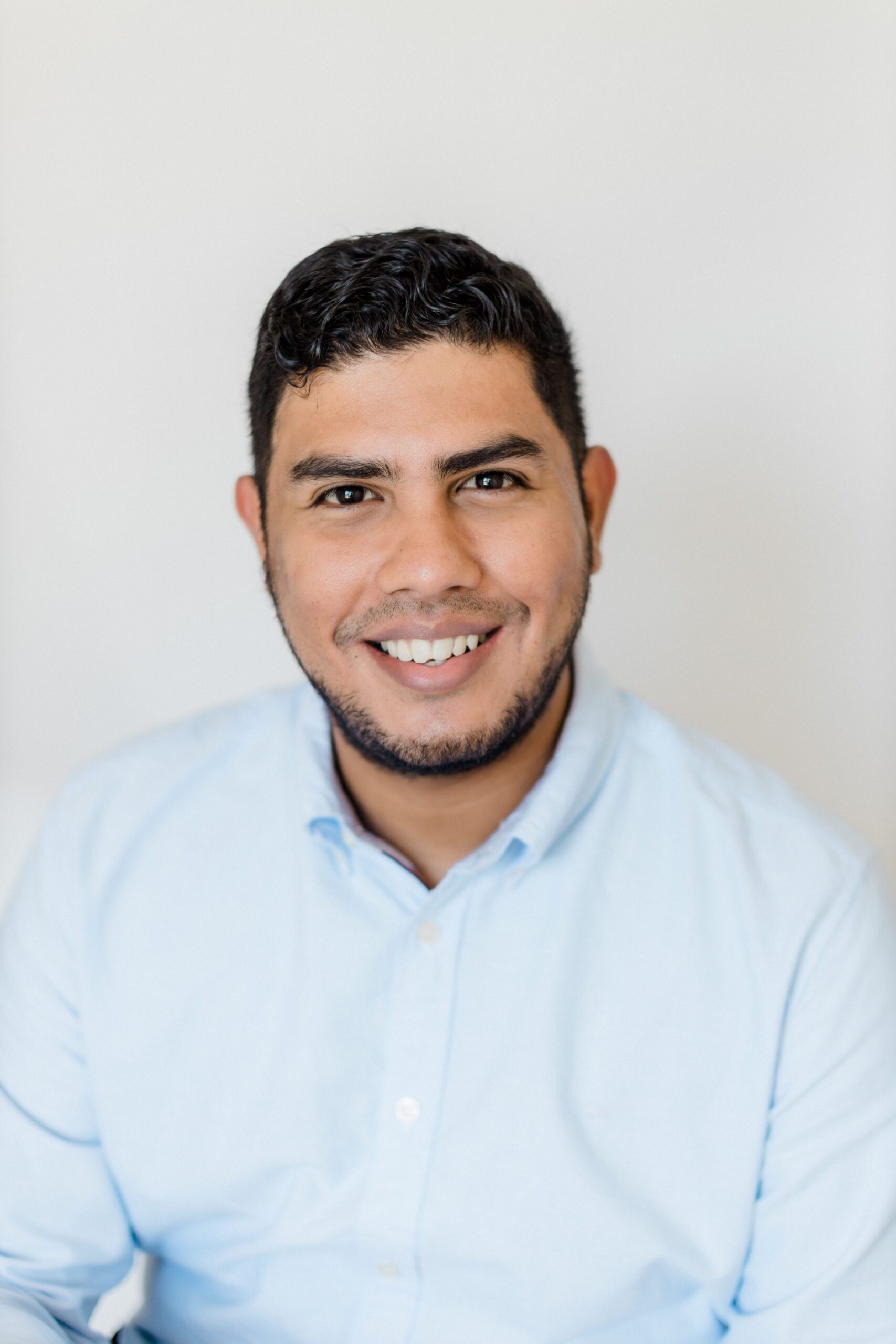
Robert Taylor is a graphic designer for RallyUp, a tech platform supporting nonprofit fundraising. With over a decade of experience, he blends technical skill with emotional storytelling to design brands and campaigns that inspire.
About
After ten years working in Coastal Carolina University’s student accounts office, Robert Taylor made the leap into full-time design. He started in advertising handling quick-turn print and social media projects before discovering his passion for deeper brand work.
Now with RallyUp, Taylor works remotely on design projects that support nonprofits and charitable campaigns. He loves the combination of design and mission-driven storytelling. “It’s more than just making something look good it has to connect,” he says.
Taylor has worked in both agency and corporate settings, including a stint at WE*DO Worldwide in Asheville, NC, where he dove into full-scale web development and branding. He believes every role taught him something essential especially the value of stepping into the unknown. “Growth happens outside of your comfort zone,” he says.
Taylor encourages other creatives to take chances and chase the work that aligns with their values. He still looks back on his early work to see how far he’s come. It’s a reminder that design is a lifelong craft and every project is part of the journey.
“I sold everything, packed my dogs, and moved to Charleston because I refused to let fear of the unknown stop me. I had to stay creative and find a way to help my community at the same time.”
Tonya Gore, Director of Enhancement and Design, Myrtle Beach Downtown Alliance. From artist to urban designer: Tonya Gore’s journey is a masterclass in resilience, reinvention, and rootedness. After a devastating flood hit her hometown, Tonya left behind a two-decade career in graphic design to pursue a new path in Resilient Urban Design. Now serving as Director of Enhancement and Design at the Myrtle Beach Downtown Alliance, she fuses her artistic background with a deep commitment to community-building, proving that creativity can shape not just art, but entire cities.
Interview
Transcript
Tonya Gore 0:00
My name is Tonya Gore. I was born and raised in Myrtle Beach, South Carolina.
Sara Sobota 0:04
Okay, great. And who do you work for? And from where?
Tonya Gore 0:08
I have worked for Myrtle Beach Downtown Alliance, located in Downtown Myrtle Beach, South Carolina.
Sara Sobota 0:13
Okay, and how long have you been working there? And what is your official job title?
Tonya Gore 0:18
Almost two years. And my official job title is Director of Enhancement and Design.
Sara Sobota 0:24
Okay. How did you end up in this field? And how did you hear about it? Long story, I guess.
Tonya Gore 0:30
It’s a long story because my creative field actually started after I left Coastal Carolina University. And I did an internship, I do not know if you knew this, Sara, but my degree is actually in fine arts.
Sara Sobota 0:46
Oh, I didn’t know that.
Tonya Gore 0:47
So, I went to Coastal, graduated in 2000, in Fine Art. And the program just sorts of introduced graphic design to the program. They had one computer lab, and Max just started.
And so, it was suggested that we go and get internships if we want to make a career out of graphics. So, I found an internship with a local, local small advertising agency working on the beach ball class.
Sara Sobota 1:12
I did not know any of that, that is awesome.
Tonya Gore 1:15
That is so mild in the fine artists, I just have not done a lot of fine art. A lot of my background that I have done, or fine art pieces with some watercolor and some oils. So, their position is all throughout my family’s house. I worked at the fish that did an internship, I finished that she hired me full time. I stayed there for a few years.
So, my full career for almost 20 years was in graphic design. And I simultaneously I worked as a adjunct in digital arts at Horry Georgetown.
Sara Sobota 1:49
Oh, I didn’t know that either.
Tonya Gore 1:50
I did that for almost 10 years, like eight years, to be exact. And I also worked in the community a lot. I wanted to find a career that can work because I’ve always wanted to stay creative. I’ve always said I would never get out of a creative field. I wanted to do something that had some creativity in it.
So, I did soul searching, I wanted to do something with the community that combined my creative field as well. And I found the program and went back to school, to Clemson in the master’s program for urban design degree.
Sara Sobota 2:20
Okay.
Tonya Gore 2:21
So, it’s a Resilient Urban Design degree because of my family, my family’s from Nichols, and my mom’s family from Nichols, South Carolina. And a few years ago, Nichols was one of the areas that went through a 100-year flood. And my family lost everything. And then two years later, the same thing happened. I had an eighty-something-year-old aunt that lost everything that could not be rebuilt. She was too old, she, you know, and it was the most devastating thing to me.
So, I said, well, let me see what I can do, still wanting to be creative, but also wanting to go back into the community as well. So, I found out what had happened. So, Clemson just started a program called Resilient Urban Resilience and Urban Design that focuses on being resilient communities. And I did that, I quit all my jobs, almost 20 years.
Sara Sobota 3:10
Wow.
Tonya Gore 3:11
And I went back to college to do this, again, still wanting to stay creative, because I knew I could not do anything that is not creative, because that will drive me crazy. And I did that. finish that up. It was a yearlong accelerated program for one year. And I found my first job designing streets urban design or for an engineering firm.
Sara Sobota 3:34
Okay.
Tonya Gore 3:35
So, while I was there, I used to attend an institute they had every once a month, they had a coffee with ULI [Urban Land Institute], and they did speakers, and the President of the ULI was Amy Barrett.
Sara Sobota 3:51
Okay, I’m sorry. Well, ULI is urban…
Tonya Gore 3:53
Urban Land Institute.
Sara Sobota 3:54
Land Institute, okay.
Tonya Gore 3:54
Urban Land Institute.
Sara Sobota 3:57
And that was here, or was that in Clemson?
Tonya Gore 3:58
It was in Charleston when I was in school.
Sara Sobota 4:01
Okay.
Tonya Gore 4:01
It was in Charleston and Amy was the, Amy was the president. So, one of my classmates’ texts, and she texts all of us and let us know that Amy took a job with Myrtle Beach, downtown Lyons. And she knew I was local. She knows I have my creative career. And she also knew I had my design background. So, she offered me a job here to combine them all. So that’s how I get with the title and with this job is a long circle, but it is full circle,
Sara Sobota 4:32
Wow, and so many accomplishments along the way, and so many ways. Yeah, that’s amazing. Now, the resiliency in urban design, I thought you said it was Clemson, but it was in Charleston?
Tonya Gore 4:46
Charleston, Clemson has a study of full remotes, what do you call it, a remote branch or class, and most branches. It is on East Bay Street, and it’s at the cigar factory. The full Second floor to Cigar Factory is three different programs as architecture, they have a choice to go to Charleston or go to Italy, the historical preservation. They are for two years, and the Urban Design Program share the second floor at the cigar factory floor Clemson. Okay. And it is a one-year program. So, that’s how I ended up in a job.
Sara Sobota 5:23
That’s amazing. Okay, great. The next question is, what background did you have that helped you land that role? I think you kind of walked through that a little bit, right? Yeah. Motivation and your background? Can you walk us through a typical workday? Is there one?
Tonya Gore 5:41
Okay, we sit all over the place with this because right now, if I had my interns on a Monday, my interns come in. Okay, it’s three interns, digital arts, and we are. My project is the brand in the wayfinding element for downtown. Okay, so we start at nine, I meet with them, we go over their previous week’s work to make sure they are on the path of what I’m asking them to do.
Sara Sobota 6:08
Yeah.
Tonya Gore 6:08
And that’s until 10 o’clock, we have staff, from 10 to 11:30. Most of the time, our staff through our weekly projects, we have one on at about 11:30, then I go make sure the interns, okay, and I start, you know, what’s the easiest first, sorry, because I do plan events as well. So, right now we’re planning all of our events for Nights of Nance. So, I had to get all the bands lined up there.
And then when I finished that, then I’ll go back to my pendant and wayfinding and make sure that I give them something to do, or make sure all my input meeting and they need Pantone colors, and making sure their Pantone colors is exactly correct what they need to use it. When they send in vows.
I double check and make sure all their files, because I work in Adobe programs, make sure their files are situated. Then, once I finish that, I’ll go check and see if any of the businesses, like a couple of businesses, have an event this weekend. There is a Pride event this weekend. I’m making sure he’s okay. He has all of his elements to make sure. Then I finished that. Now, I’m working on a schedule because we’re going to activate the space in the pocket park.
So, I want to make sure you know we have to have a schedule for the whole year, in trying to come up with ideas for the whole year. So today, I was researching other people’s websites to see some ideas. So far, we went to yoga and went to a farmers’ market. One, trying to get Jason about our bench, but it’s not. We wanted it with Bistro lights, so, two functions. So, and now today, we had to walk from downtown.
Sara Sobota 5:42
Okay.
Tonya Gore 5:58
So, that usually stops around 5:00 or 5:30. But I normally do not finish all my lifts throughout the day. As long as I’m finished, because I go back and forth doing multiple things and things like that.
Sara Sobota 8:05
Yeah. Well, let’s talk. A big picture of your job. You are ah, I mean you are in a way of building. You are building a city. I mean, you are crafting. It is kind of an upgrade, but not really. I mean, your kind of building from the ground up. Right?
Tonya Gore 8:23
Right, right, right. I, I call it my, my version of it, is an empty canvas.
Sara Sobota 8:23
Okay, yeah.
Tonya Gore 8:31
That is what I may have done when I first started out, so we had an empty canvas to play with. Just, I don’t because I am in such a love of historical buildings. I don’t like tearing down, I like building on what you have already.
Sara Sobota 8:45
Tell me, just in your words, although I know the mission statement of MBDA, what is it? What is it doing?
Tonya Gore 8:51
From my perspective or just…
Sara Sobota 8:51
The whole organization, the whole organization.
Tonya Gore 8:52
We’re pretty much a place management organization.
Sara Sobota 8:59
Okay.
Tonya Gore 8:59
So, our task is to help with redevelopment, partnering with the city of Myrtle Beach redevelopment, activate spaces, bring people downtown, host events, sponsoring events, make sure people are coming downtown, and to help it revitalize, to make it a walkable community for all.
Sara Sobota 9:17
Okay, okay, awesome. Can you describe a defining moment in your creative journey? Could it be a project that made an impact on you or something you produced? You know, in my opinion, it could even be a decision you made but a defining moment in your creative journey.
Tonya Gore 9:35
The entire time?
Sara Sobota 9:36
You’re defining yourself.
Tonya Gore 9:37
I think, my defining moment is when, I was talking about with my family, the impact and the impact that had on my family and my community because of Vietnam. I was born and raised here. Let me think of a specific one outside of the flood. It was 2017, or something like that. Yeah, I think that is what was close to the research on that with that.
Sara Sobota 9:59
Was it Mathew?
Tonya Gore 10:01
I’m not sure, probably, it was two back-to-back.
Sara Sobota 10:01
Yep, yep.
Tonya Gore 10:04
Matthew, maybe Floyd, Matthew, maybe Floyd, back-to-back. It’s two years apart.
Sara Sobota 10:08
Okay.
Tonya Gore 10:09
Let me think, what was the defining moment in my career? That made me think about my career in a different way? or just…
Sara Sobota 10:18
Or that when you, when you produced it, you went, wow, look at what I can do.
Tonya Gore 10:22
Let me think. My last job, I did a lot of mentoring for cities.
Sara Sobota 10:22
Okay.
Tonya Gore 10:29
For a street, that, when it’s revitalized, the street with it was more of a street design, not buildings. So, add bike lanes, to add types of parking, some medians, some roundabouts, and you will take a picture of the street the way it is. And then I would add all the elements to the street, and sometimes even now when I look back, I’m like, Whoa, wow. Like, who did this? I amazed myself with that, because I took something that didn’t look like anything.
And I produce something that looks, you know, a rendering that people can associate with how they want the community to vote. So, I hope to take that skill and pass it on to what I’m doing now. Where I am working with that.
Sara Sobota 11:20
Yeah, that makes a lot of sense. And when you know about your job, you can go see what you’ve done. I mean, it’s their people who use it. Oh, that’s amazing.
Tonya Gore 11:30
Yeah, yeah.
Sara Sobota 11:32
Was it challenging for you to find this career path? Or what are some challenges that you faced, or even every day, your challenges now, whatever.
Tonya Gore 11:40
What challenge made me stop 20 years of graphic design that, when I was teaching, I saw a lot of talented young artists coming through, and I realized that they are also there, the market value for them increased. Even though I had more experience, I did not keep up with my, my skill, my craft. Meaning they knew how to write programs; they kept up with developing websites. And I did not keep up with that element.
So, that was a real challenge for me. Because I felt like, okay, if I want to be more marketable, the kids coming out of high school know a little bit more than I do right now. So, I need to think about, that was the hardest challenge about my career, that I’ve still found, I don’t find it as challenging now, as I did then.
So that was another reason why I felt like I needed to gain more just saying, and, again, every time I say I’m utilizing this to go back into my community as well.
Sara Sobota 11:40
Yeah.
Tonya Gore 12:15
So, so that was a challenge, that was like an eye-opening experience for me because, younger generation is so much more technically advanced than I was.
Sara Sobota 13:03
Yeah, yep. I think a lot of people agree with that. Can you recommend any specific skills that an aspiring applicant should have to increase their chances of landing a role in your field? Specific skills.
Tonya Gore 13:18
Specific skill in my career, when I’m doing now. It helps that I have graphic skills, but I think my knowledge base might be a little bit more valuable than my…. The skill is valuable, but it also could be taught. Knowledge from my experience over the years cannot be taught. So, I think that when you enter a career, value those around you will have the experience.
Sara Sobota 13:48
That’s smart. That’s absolutely true. Yeah. Okay. Great. Are there any local organizations programs or events that you recommend for aspiring creatives?
Tonya Gore 14:00
Art is so subjective when it comes to creating, so I don’t think that there’s any kind of like event or any kind of like program that, that can teach you that because, I don’t feel like art can be bad, because it’s subjective, but I would I would if I had to think of a skill that you would learn, I think technology is changing so much that it will be in your best interests if you took some classes to enhance your skill level.
Tonya Gore 14:29
Rather it be the Adobe programs, or if you want it to because this career, finding that, you know, when I was doing my, not graphics, but doing my urban design portion, my graphics laid so heavily, but I also gained knowledge in more skills as well like architectural skills far as AutoCAD, 3D programs.
So I would think that if you had to learn, I would brush up on this skill level when it comes to technology and take as many classes, or go to any seminars or any type of podcast that you can, to brush up on that and stay up to date with it. I never let my; even though I don’t technically, I’m not technically a graphic designer anymore.
I always keep my skills up to date. I have never gotten rid of my programs. I always kept my programs and stayed in them. I made sure I brought laptops that I could use to program because I’m from the old school generation, but my father taught me if you always have a skill, you’ll always have a job. So, I kept my skills, and I always kept my skills up.
Sara Sobota 15:37
Yeah, and that is important and hard right now, I think.
Okay, do you have advice for current college students or pre-professional young adults who are pursuing a career in the creative world?
Tonya Gore 15:51
You don’t know everything. Just because you have an education does not mean you know everything. You do not know everything. Sometimes, people who do not hold a career, the degree, have more knowledge than you do. Listen, willing to learn and be patient. It will come.