Location: PeeDee and Grand Strand

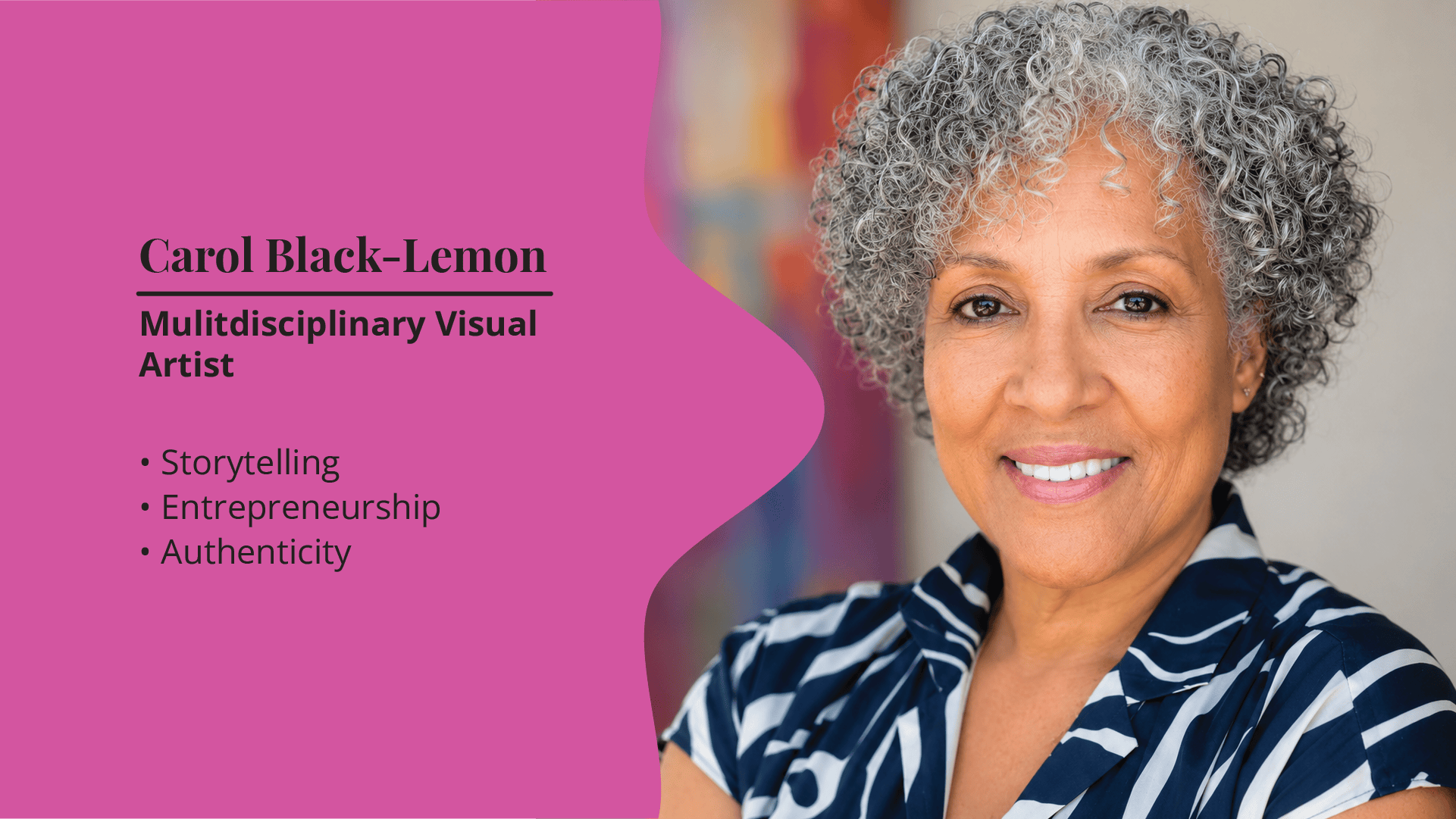
  • Protected: Carol Black-Lemon

    This content is password-protected. To view it, please enter the password below.

  • Protected: Rachel White

    This content is password-protected. To view it, please enter the password below.

  • Protected: Jenny Jimenez-Sullivan

    This content is password-protected. To view it, please enter the password below.

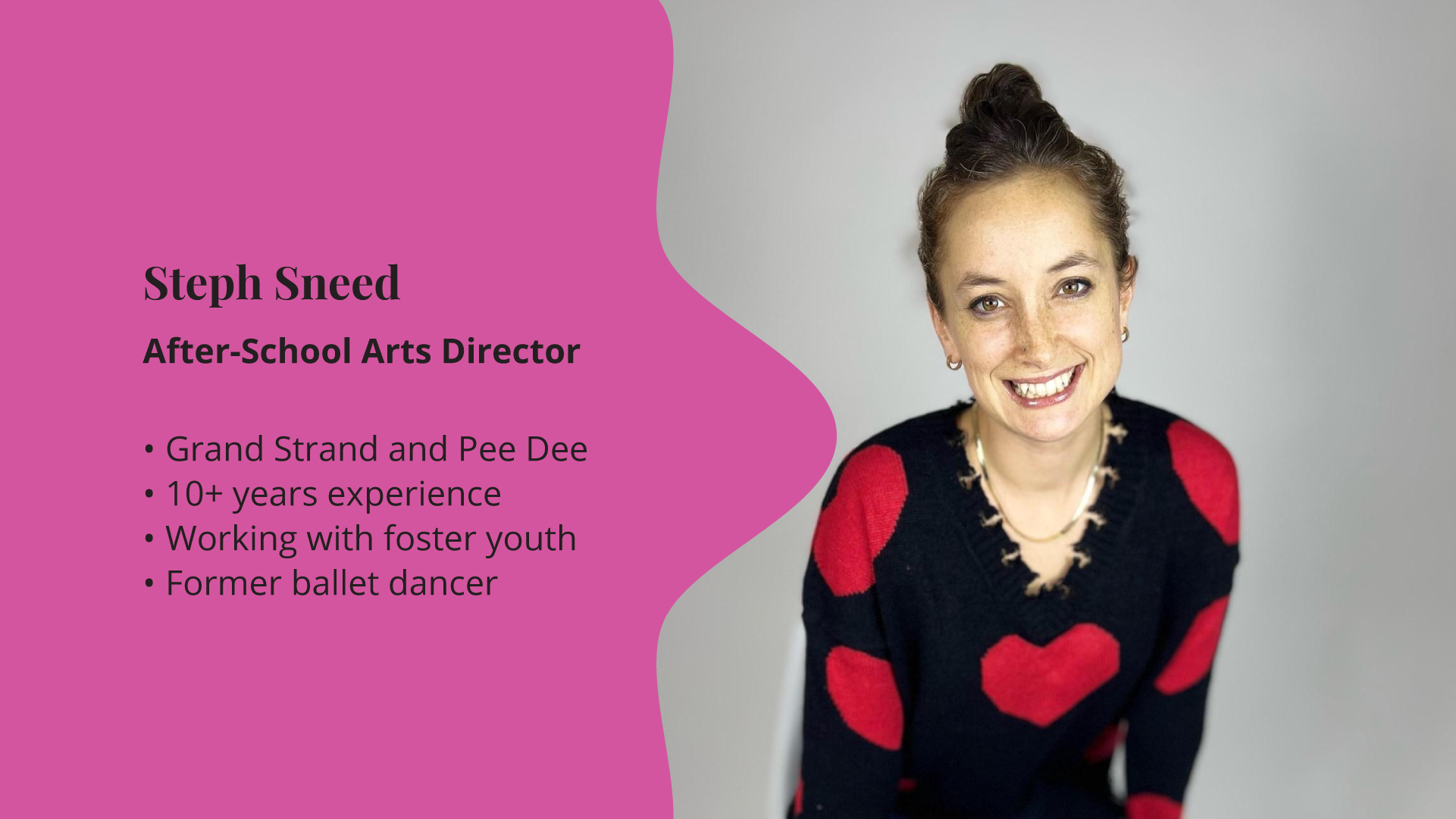
  • Protected: Steph Sneed

    Protected: Steph Sneed

    This content is password-protected. To view it, please enter the password below.

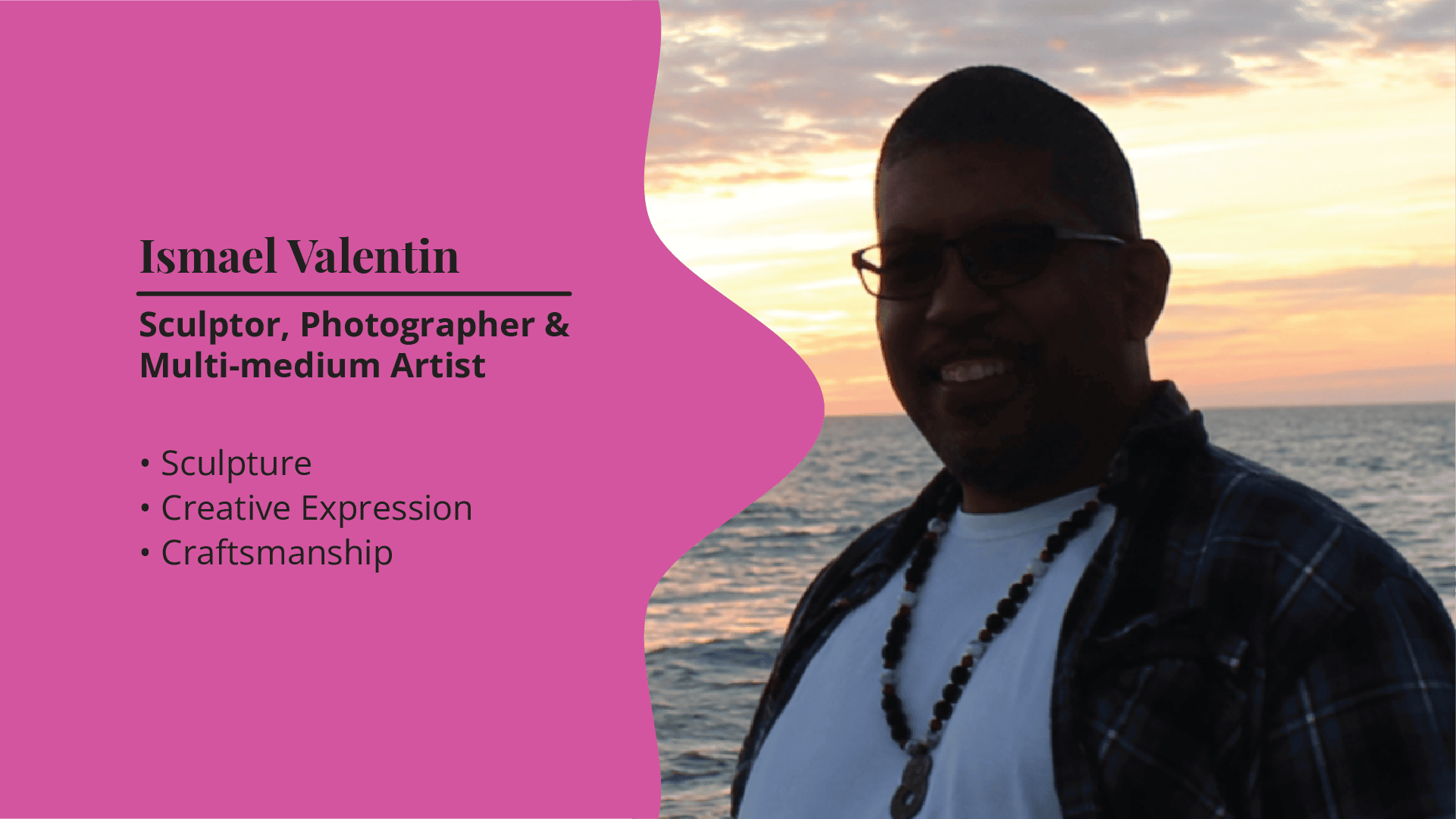
  • Protected: Ismael Valentin

    Protected: Ismael Valentin

    This content is password-protected. To view it, please enter the password below.

  • Protected: Angela Thomas Smith

    This content is password-protected. To view it, please enter the password below.

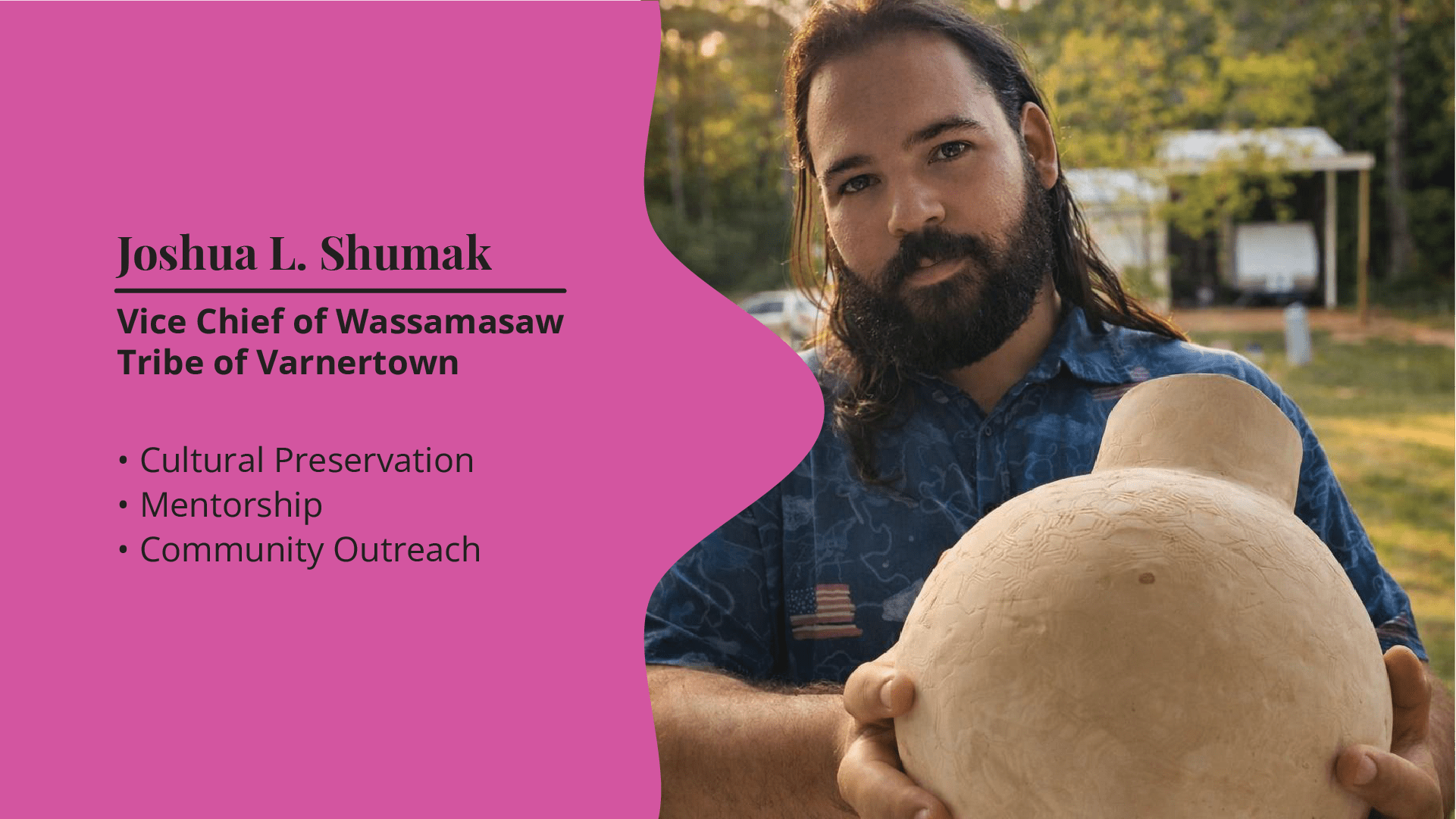
  • Protected: Joshua L. Shumak

    Protected: Joshua L. Shumak

    This content is password-protected. To view it, please enter the password below.

  • Tonya Gore

    Tonya Gore

    In this episode, we’re exploring resilience in home with Tonya Gore, who’s found a thriving career, make that several careers revitalizing her hometown of Myrtle Beach, South Carolina. She currently works as the Director of Enhancement and Design with the Myrtle Beach Downtown Alliance, Tonya has leaned on her creative thinking to develop our local community.

    Transcript

  • Caleb Wygal

    Caleb Wygal

    “It’s just, it’s so gratifying to me to be able to just have that privilege to be able to entertain people like that” 

    Mystery author Caleb Wygal turns personal tragedy into literary triumph through the Myrtle Beach Mysteries series. 

    Interview

    Transcript

    Caleb Wygal Interview Transcript 

    March 2025 

    Nora Smith 00:00 

    Okay, so to start, what do you do for work, and where are you currently working from?  

    Caleb Wygal 00:06 

    So, I’m an author. I write mystery novels, Myrtle Beach mysteries. And I work from my office, coffee shops, or breweries, but typically from my home office. 

    Nora Smith 00:16 

    And where is that in South Carolina? (Surfside Beach) Cool, cool, great area. How long have you been working there? And your official job title is… 

    Caleb Wygal 00:28 

    I have been an author for almost 20 years. Full-time for the past three years. And my official job title is just author. 

    Nora Smith 00:38 

    Super cool, awesome. What’s one thing you love about working as a creative in South Carolina compared to other locations? 

    Caleb Wygal 00:49 

    Compared to other locations I love… so when I started writing, I lived in the upstate of South Carolina, in Greenville. We moved to Concord, North Carolina for 15 years after that, and we’ve been in Surfside Beach – Myrtle Beach area for about five years now. What I love about being in this area compared to other areas, is that whenever I want to get out of my home office to write, I can go to the beach, pop down a chair, sit by and watch the ocean, and type and make up stuff. Yeah, that’s a big, big, big step up from where I was before, just being stuck inland.  

    Nora Smith 01:35 

    I can see that. And what does South Carolina bring to your work? Has it had any sort of influence on your writing at all?  

    Caleb Wygal 01:45 

    It’s had all the influence on my writing because I write Myrtle Beach mysteries. They wouldn’t exist if it weren’t for South Carolina. So, I mean, I’ve written before I started the Myrtle Beach mysteries. I’ve written mystery novels, a couple action-adventure novels, and basically, I just did that as a hobby. Well, once I started writing the Myrtle Beach mysteries, and I got to book three, that’s when I was selling enough copies that I was able to make a living off of it. So, if it weren’t for South Carolina and Myrtle Beach, I would probably just be doing social media marketing and website development for small businesses. 

    Nora Smith 02:27 

    How did you come up with an idea? What brought you to write about the Myrtle Beach mysteries? 

    Caleb Wygal 02:33 

    I’ve always been interested in mystery novels, and when we moved down here, my main job then was to take care of our son. I was a stay-at-home dad, and I would do social media marketing, website development, and whenever he was sleeping, I would write whenever I had a spare moment between all that.  

    We moved down here. He was three. He needed his afternoon naps, and I needed his afternoon naps to maintain my sanity. So, I put him in the back of the car every day we drive up and down Ocean Boulevard about every day. I could see the ocean and coast to classical music. He would sleep for an hour or so, and I just drove back and forth, back and forth, back and forth. And it was during one of these trips, I had the idea for this mystery series, set there, set here in Myrtle Beach, and we went home. I did some research, came up with the character, pitched it to Paul Bucha, and they told me to stop working on what I was doing and do this instead. 

    Nora Smith 03:33 

    Wow, so cool. That’s super interesting. Wow. What a great start. So how would you describe your local professional community down in Surfside? 

    Caleb Wygal 03:48 

    Well, I mean, really, there’s authors. I’ve found authors; other authors are scattered all over the Grand Strand from Garden City to Murrells Inlet to Calabash and on into North Carolina. There’s a much stronger author network here than there was where we lived outside of Charlotte, and I’ve found that out. You know? I regularly have coffee, I had lunch with another author earlier today, because it’s a much more supportive community among each other, and we try to help each other out, and I help others where I can. 

    Nora Smith 04:28 

    It’s great. That’s a great community to work with. How would you define professional or personal success in your creative endeavors? 

    Caleb Wygal 04:41 

    Professional success – I define it, for me in my station in life is being able to pay the mortgage payment and the car payments. If I can sell enough books that I can do that, then that to me, that’s everything. Yeah, we’re not worried about that. But personally, I enjoy being able to just tell stories to give readers an escape from their lives. And I love hearing readers tell me how much they enjoy the characters and stories and how surprised they were when something crazy happens and just their reactions to.  

    I love hearing readers say that they have never read books before, but they wanted to start reading this series. So, they started reading the series. I’ve had people tell me they’ve used the books to learn English as a second language. I’ve had people tell me that they have been in the hospital for long stays, and they’ve read the book series as a way to make it through their long hospital stays and recovery periods. And it’s just so gratifying to me to be able to have had that privilege to be able to entertain people like that. 

    Nora Smith 06:04 

    Yeah, that sounds awesome. That’s so cool using your books to learn a second language. I would be so taken back if someone said that to me. 

    Caleb Wygal 06:14 

    I had a woman, I think last year, I think it was her. She reached out to me; said she was from Peru. And she married a guy who lives somewhere in the upstate of South Carolina, and when she moved here, she started trying to learn English. Her husband gave her one of my books, and she read them all, and she said, “Your books helped me learn English.” I’ve had a Russian friend who did some work around our house, and I know he takes English lessons, and he asked me one day, “Can I use your books to learn English? My English teacher told me to read American books.” So, I gave him some books. 

    Nora Smith 07:01 

    That’s so cool. What was your biggest fear when you decided to pursue a career in the arts? 

    Caleb Wygal 07:13 

    My biggest fear was that nobody would like it, nobody would buy it, and therefore I wouldn’t be able to do what I do. But that’s always the risk you take when you put yourself out there like that. 

    Nora Smith 07:30 

    Could you define a sort of defining moment in your creative journey, something that happened and you were like, wow, this is it? Like, “I really did this,” and kind of taken back about it, about what you could create? 

    Caleb Wygal 07:47 

    Oh wow. There’s several that pop into mind.  

    Nora Smith 07:52 

    Give them all. Give as many as you’d like.  

    Caleb Wygal 07:59 

    So, I’ve been on TV probably a couple dozen times by now. And do you know who Greg Rolls is? So, he headlined the Alabama theater for 20 years, and he has his own theater now in North Myrtle Beach. He’s in local commercials. He has a daytime talk show on the local Fox affiliate. And when I started writing the second book, I wanted the victim to be somebody who was well known in Myrtle Beach, was on billboards and TV, and because it was a main character at a large-scale dinner theater show, they were the victims. I based the victim on a younger version of Greg Rolls. I never met the man before, and so about three months after the book came out, I was invited back. I was invited to a media event at a local restaurant that was about to open. They wanted to have people come in, influences in the community, to maybe talk about the restaurant. I don’t know if you’re familiar with 1229 Shine in the Market Common. 

    Nora Smith 09:31 

    It sounds familiar to me. I feel like I’ve definitely seen or heard of it before, right?  

    Caleb Wygal 09:37 

    If you go, drive past Barnes and Noble down that street, behind it. Okay, yeah, there’s the building that has a big scuba diver mural on it. So, they invited my wife and I to go there for a media event, and there’s 10 people there total, and in the middle of the restaurant, there is this huge bar. My wife and I were on one side of the bar in the middle, and two women over in the far corner. And throughout our dinner, I kept seeing those women looking over at us. And whenever we left, my wife said, “I’m going to use the restroom.” So, my wife goes the restroom, the two women follows her into the restroom, and I’m waiting for like 10 minutes for her to come out. When she comes out, the two other women are behind her, and they’re dying laughing. And it turned out that the Fox TV station is right behind that restaurant, and the two women work for Greg Rolls, and told him the story about how I’d used him as a victim, as inspiration for a victim in one of the books.  

    So, they invited me to come on the show. And I said, “I will come on, provided you do not tell Greg anything about this story. You can tell him who I am, but don’t tell him the story.” And so, a couple weeks later, it’s a live show. They invited me there for such and such dates. I came into the studio, Greg came up, introduced himself to me, he said, “I just learned your name 10 minutes ago. I don’t know anything about you, but we’ll wing it. We’ll figure it out.” He said, “My producer gave me some notes, whatever.” And so, whenever it comes time for the interview, to interview me. He said we’re on live TV, and he looks down at his notes. He said, “My producer says there’s something about me, to do with one of your most recent books, and what was it?” And I said, “Well, I looked to my wife while I was figuring out who was going to be the victim in this novel. And we were watching television one day, and you came on the screen, I looked at my wife and I said, what if somebody like him?” And I pointed right at him; you wash up dead with a sword plunged through your chest one day.  

    People kind of came out of their offices to watch this, I guess they knew it was going to happen, and he looked at the camera, “Did you kill me,” like, no, I didn’t kill you. I killed somebody like you, but, but after that, it kind of went viral in the area, and that’s really when the book started to take off. It was after that interview, because you can find it on YouTube. That was a big moment. I’ve been on there probably six, seven or more times. They just liked the way that he and I went back and forth together.  

    Another one, and probably one of the most rewarding ones, was last year. My son was at elementary over next to Prestwick. I met one of the teachers at a book signing, and she invited me to come speak to her class, her fourth-grade class. Well, the fourth-grade class, there’s four different classes in fourth grade, and they said, once you come in, talk to the students. And so, I go in whenever they want me to come, and they lead me to their small gym. And there’s 150 kids in there just waiting to hear me speak. And it was just so many smiling little precious faces. They were so eager to hear me speak, and I gave my little speech, and we played a little game about using your senses to solve mysteries. They wanted me to sign little pieces of paper so I could give my autograph and that was just the best.   

    I’ve spoken in front of crowds of, you know, 60 to 100 people and it always just amazes me that people enjoy the series, they want to hear me talk about the books. And it’s just a rewarding thing that I never thought would happen in my life, because 25 years from this past Sunday, 25 years ago, I was in a car accident where I had a severe brain injury. I was just out of high school. I hadn’t started college or anything, and I had to relearn how to walk, how to talk, how to write my own name. Again, I never set foot in a college classroom until a couple years ago, whenever I taught a mystery writing class for Alli at Coastal.  

    Nora Smith 14:48 

    Wow, that is so inspirational.  

    Caleb Wygal 14:52 

    They told me I would never be able to work a full-time job or do any hard labor or anything like that. If you know me, where I’m coming from, where I’ve been to get to this point where I can go talk to groups of people and entertain people just by just making stuff up. I mean, I couldn’t have asked for more. If the car accident hadn’t happened, I wouldn’t have asked for a better career. 

    Nora Smith 15:20 

    Wow. That’s a really cool story. Well going sort of off the last question, in a sense, what was the best and worst advice you’ve ever received in your career? 

    Caleb Wygal 15:40 

    Oh, that’s a good one. Instead of writing standalone books, write a series and have the books connect, like each book has its own self-contained story or mystery, but I have a storyline that connects them all together. And so, I went from writing individual books before I came up with this series idea where I had the main character trying to figure out, through the course of the series, what happened to his wife. Because his wife died two years before the series started, and he always thought it was of natural causes, but he learns through the course of the first book that it wasn’t natural causes. And so, he’s spent the next six, seven books trying to figure out what happened to his wife, and that was really what drew readers in, more than just individual mysteries. The best advice I’ve gotten is to write a series.  

    There’s a lot of bad advice out there. There’s a time where I spent a lot of money on something, I’m thinking about doing this again, because I’m just, I’m just a glutton for punishment. I spent $700 on a billboard advertisement that just got crickets and by that, I mean, that’s a lot of money for somebody like me, because I’m not John Grisham, I’m not some of these really big-name authors. I don’t have a lot of extra money to spend on advertisements like that, so I’ll put down $700 on a billboard ad for a month that did nothing, and then that came off to the advice of another author said, “Hey, I’ve done billboards where I live, and they work.” Well, good for you, probably because there’s so many billboards here in Myrtle Beach, nobody pays attention. They just end up being background noise. That was one of the worst pieces of advice, to get a billboard. 

    Nora Smith 18:05 

    Well, that’s unfortunate you spent that much money on that. 

    Caleb Wygal 18:09 

    Now you learn, and I am thinking about doing it again because I have another book coming out in May.  It takes place at the Legends Theater where you have all these impersonators, celebrity impersonators like Elvis Presley, Dolly, Parton, Tina Turner, The Blues Brothers, and Michael Jackson. So, they go to the theater, and somebody collapses on stage and dies. And that’s what they’re trying to figure out. 

    Nora Smith 18:35 

    Exciting! I’m going to have to read these books. I’m from New Hampshire, so I’m not originally from here, so I’ve never heard of them, and I’m very intrigued. 

    Caleb Wygal 18:47 

    You can get them at every bookstore in Myrtle Beach. 

    Nora Smith 18:52 

    Lovely. I will definitely have to read them, especially the new ones coming out. That’s basically all I have. Are there any questions that you wish I had asked at all? 

    Caleb Wygal 19:03 

    No. So when I go and give an author talk, I already know a lot about what I’m going to talk about. I’ve done it so much, and a lot of what I just gave you ends up being in my author talks.  It ends in some shape or form or order or whatever. I can’t think of much that you didn’t go over. Oh, maybe, like, how I really started writing books.  

    Okay, so basically, like I told you, with the car accident, I wasn’t able to work full time jobs, especially the first couple years after that. But my uncle owned a hearing aid office in Greenville, on the upside of South Carolina, and I worked for him for a while. Basically, I would sit in his office, behind a computer or behind a desk. This is 2003 or 2004. I would answer phone calls, schedule appointments for them, change hearing aid batteries and clean out the wax from hearing aids. But it was a really slow job. So, I read a lot of books. And I read so many books, I started to read in front of clients, and he told me one day that I couldn’t read books anymore because it didn’t look good for him or his business if I read books all the time.  

    So, there’s a computer on the desk, like I said 2003-2004, and it was not hooked up to the internet. There was no such thing as Facebook or social media or anything like that. There were no smartphones and so all he had on that computer was Microsoft Paint, Microsoft Word, and scaling software. So, I started writing short stories and here we are, 20 years later. That’s basically how it all started, out of boredom. 

    Nora Smith 20:58 

    Wow, that’s awesome. Well, I’m glad you had that question, because I did not have that written down, but yeah, that’s basically it. Do you have any professionals in the creative field that you’d like to nominate to be interviewed? And if nothing comes to mind right now, I’m going to send an interview press release form later, and there’ll be a little form you can write someone in. So, no worries. 

    Caleb Wygal 21:25 

    Somebody that might be interesting for you to talk to, her name is Kelly Burton. Kelly Capriotti Burton, another fellow author who originally moved to the area with her husband. It’s been like 10 to 15 years since they’ve moved here. But they came to start a theater where the Hollywood Wax Museum is, they were going to have a theater there. It was the Pat Boone theater. I don’t know some gospel musician or something like that, there was going to be a theater there. So, she and her husband, upped their family from Chicago, moved to Myrtle Beach, got in to start getting ready to start the theater, and before the theater opened, they shut it down. You must ask her.  

    She and her husband are both very, very in tune with the arts. He has a band. Her daughters are both in dance school. Performing arts, stuff like that. And she writes books as well. So, she’s somebody who’s multi-talented, and owns a business too. Have you ever heard of the Black Dog Running Company? They have one business in downtown Conway and another one on Farrows Parkway. But she owns that with another friend of hers, and she’d be a good person for you to talk to.  

    Nora Smith 23:03 

    Great! I wrote down her name. 

    Caleb Wygal 23:06 

    I can whenever we get off here, I’ll send you her email address. 

    Nora Smith 23:09 

    Okay, great. That’d be awesome. 

    Caleb Wygal 23:13 

    She’s somebody who’s super creative.  

  • Marsh Deane

    “Especially because right now is a digital world, the world is just an open oyster for creatives so just do it. Otherwise, the dream will just stay in your head.”


    Marsh Deane is a filmmaker, photographer, and outdoor educator based in Pawleys Island, SC. Through his business ML & L Media, he captures South Carolina’s hidden stories and landscapes with heart and purpose.

    Interview

    Transcript

    Creative Careers – Marsh Deane  

    Lexi Raines 00:00 

    So, first, just give a little introduction of yourself. What do you do for work and where are you currently working from? 

    Marsh Deane 00:09 

    So, my name is Marsh Deane. I’m a photographer and filmmaker, and an outdoor educator, and I’m based out of Pawleys Island, South Carolina. I own an independent media company called ML & L Media. 

    Lexi Raines 00:26 

    That’s awesome. So how long have you been doing this? 

    Marsh Deane 00:30 

    Well, I’ve been into photography since I was in middle school. So, really, probably 20 years as a photographer, but as a career, I only started in 2019 when I graduated from Coastal Carolina, so I’m in my sixth year in this career. 

    Lexi Raines 00:52 

    Yeah, that’s amazing. So, you said you work in Pawleys Island. What’s one thing that you love about working as a creative in South Carolina? 

    Marsh Deane 01:01 

    Well, for me, it’s definitely the access to nature, the access to the outdoors. Here along the coastline, we have, of course, amazing beaches that everyone knows about, but we also have amazing river systems. We have Cypress forests; we have remote barrier islands. We have a lot of special places that have been conserved and are kind of off the beaten path. 

    And a big mission of mine as a creative is I try to document, and I try to showcase our heritage. I try to showcase the parts of South Carolina that visitors don’t see and really, as an outdoors enthusiast, it’s a playground for me. I’m a boater, I’m a kayaker, and that’s kind of what I’ve become known for.  

    Lexi Raines 01:53 

    I would completely agree on that. I think that a lot of people, whenever they think of South Carolina, only think of the super touristy parts. And yeah, we do have that, but we also have a lot of other stuff. So, what do you think South Carolina brings to your work, and what is its unique influence on you compared to being anywhere else? 

    Marsh Deane 02:15 

    Well, I’m born and raised here, and a kind of unique part of my story is that I grew up in historical locations. My parents were antique dealers, and they purchased old plantation properties, and so I was very, very lucky to grow up on 50-acre properties by the river in 150-year-old former plantation houses.  

    And when you grow up in a place like that, on one side, I had the natural beauty, I had access to that which really shaped my development and my interests. And then there also is a negative side to our history, and I learned about that at a young age. We had slave cabins on the plantation that I grew up in, and so I learned about that history, and I learned about, you know, the dark truth of the South Carolina story. And that also shaped my interests, and it shaped the stories that I wanted to tell. And so, for me it’s a very personal journey as a proud South Carolinian, I hope to tell our story. I hope to share our heritage.  

    Also, in this area, we have a lot of tourism and a lot of development, and so I see a unique opportunity that as this region changes, part of my job is that I can capture moments in time, and I can tell these stories while we have them, because I know that down the road, this area is going to change so much, and I feel a little bit of a weight on my shoulders that as a South Carolinian, I’m trying to preserve some of our heritage for the future generations to enjoy. 

    Lexi Raines 04:05 

    I think that’s definitely an amazing thing to do, for sure. How would you describe your local professional community? 

    Marsh Deane 04:13 

    Very giving. I live in Pawleys Island, and we’re a little tourist town, and when I started out, I was with the Georgetown RISE program at Coastal Carolina. And from there, I was connected with the nonprofit world. We have a lot of nonprofits in this region, and I started marketing for the nonprofits. And I found out that this area is just so giving, from churches to school groups, just to community groups.  

    I mean, there are, I believe now, in Georgetown County there are 90 different individual nonprofits that you know have community missions. And so, I’m heavily involved with that. Southern hospitality, that is alive and well down here. And that can really impact your career, you know, especially as a creative finding ways to share the positive stories and the positive giving nature of this region. 

    Lexi Raines 05:12 

    One thing I’ve noticed is that everyone who moved here from the north, their number one thing they always say is everyone’s just so friendly, so like, I’m glad to hear that it’s the same in the professional community as well. So how would you define professional or personal success in your creative endeavors? 

    Marsh Deane 05:29 

    For me, it’s really about having a tangible impact that you can see. In the creative industry, there’s many, many different paths you can take. And nowadays we get sidetracked by social media. We get sidetracked by, you know, followers and views and short form media, right? And that gets a lot of attention, you know? So, you can focus on, “I am really going to try to focus on social media, Instagram, YouTube, and get those high views?” And there’s certainly a great career in that, being an influencer, but there’s also other things.  

    For me, it was more getting involved in local communities, creating short films that were, you know, supported initiatives that I’m interested in. So yeah, as a creative our work is individualized to us. It is an expression of us and our energies and our efforts and our interests. And so, no matter what it is, whether it’s on social media or whether it’s in the local community, there’s so many ways to feel justified and fulfilled in your time spent in this creative industry. And there’s so many different niches. There are so many different things that you can do nowadays, and it’s very rewarding. Once you find that path that’s working out, and you find that that job or that that gig or that niche that satisfies you, it’s just extremely rewarding, in my opinion, more so than any views or really any dollar amount, is just the satisfaction of being an artist and knowing that I’ve done something that has created a ripple.  

    Lexi Raines 07:11 

    Yeah, I completely agree with that. I feel more like long form content has definitely been lost with the rise of social media. So, I feel like it’s awesome that you are still finding beauty in that, because I think there is a lot of value in it. What was your biggest fear when you first decided to pursue the arts professionally? 

    Marsh Deane 07:33 

    Definitely the biggest fear is, you know, going out on a limb by yourself, not having a boss, not having a company that you’re working for, not having a guaranteed paycheck when you start a business as a creative.  

    The great thing about it is that you can shape it to what you want to do and have not having a boss is great, right? Setting your own schedule is great. But there’s also immense pressure with that, because you realize you are the one responsible for the income. And so, it definitely is; it’s taking a leap. It’s taking a leap of faith, if you really commit to it, I think anyone that takes that leap is going to find success, especially because right now, it’s a digital world, and so the world is just an open oyster for a creative, you know?  

    And again, whether you’re going to focus on social media or you’re going to focus on the business side of it, there’s just every company, every industry, every business needs marketing, needs to tell their story. And so, there’s just so much out there you might not even know when you take that leap. You might not have a clue what you’ll be doing next year, but you have got to take the leap to find out.  

    Lexi Raines 08:47 

    I think that is definitely one of the most important things. I’ve talked to a lot of creatives, and they have all said that you just got to take that leap. I agree that it’s very important. Can you describe a defining moment in your creative journey? Was there a particular project that made a significant impact on you?  

    Marsh Deane 09:09 

    I would say probably my internship with the Village Group started it off for me. I had been doing some real estate photography, and so I knew that I could make money doing real estate photography. I knew that there was some potential there, but it didn’t fulfill a lot of satisfaction. It was a great career to be in.   

    I started my internship with the Village Group, and I was doing marketing, showcasing what this nonprofit is doing for children in a rural Plantersville community. And through that nonprofit, first I was doing marketing, but then they found out, “Oh, well, you like the outdoors? Hey, would you like to take our students on an outdoor walk? “ 

    And then that outdoor walk began, I brought my cameras along, and I let the students use my cameras. Then that became a Media Club, and we got a grant, and we got 20 cameras for the students. It quickly went from a marketing internship to a teaching opportunity, and it was just this eureka moment, because I loved it. I mean, taking these, these kids, out into the woods on a nature trail, giving them cameras, and kind of teaching them photography, and just seeing how just how interested the kids were, it’s a fun class to teach, and so I get the best out of the students.  

    And that was the moment where I was like, I definitely want to do this for the rest of my life, if I could just keep doing this, finding an avenue to, you know, combine my camera, the outdoors and people having a good time, and the Village Group having that internship through the Georgetown RISE program. Had I not done that, I have no clue what I would be doing today.  

    Lexi Raines 10:58 

    That’s so special, like, I’m sure you made so many special memories for those kids, and you also showed them that you might have given them something they really love too. So that’s actually awesome. So, what’s the best and worst advice you’ve ever received?  

    Marsh Deane 11:15 

    I guess the best advice I’ve received in many ways over the years, the Nike slogan, “Just do it”. Just do it!  

    It’s so easy. Nowadays we’re surrounded by comfort, and it’s so easy to put things off. It’s so easy in the evening to, you know, sit down and turn on the TV. But if you have any goal, you have to just do it. You have to… sometimes you have to give yourself that little kick in the pants to get up and chase that dream, to make that project that you want to make. Otherwise, it’ll just stay in your head. You have to just do it.  

    You know, action, and especially nowadays, I think a lot of my generation and younger, with all these distractions around us. I think a lot of us do struggle with procrastination. And so, really, the best thing is you have to get up and do it. You know, you got to be moving, momentum.  

    The worst advice being opinionated online, I tell students, just to be careful with, you know, online right now, there’s so many different things going on in the world, and we’re all very passionate about many things, and online discourse, as we all know, gets very… it’s easy to misunderstand, it’s very easy to misunderstand people, and then it gets Negative pretty quickly, right? And so, I’ve learned just that you put something out there, and you really need to take the time to make sure that your thoughts are understood by the reader in the way you intend.  

    And let’s say, if they’re not understood the way you intend, don’t take it personally, and don’t get in those comments. And you know, it’s easy to get even a little triggered online. And that goes for all of us, and I admit to that. And you know, sometimes you can turn away viewers. You can turn away the audience you’re supposed to reach, just with online misunderstanding. Not bad advice that I’ve received, but I do just that’s, I know that that’s advice I try to give my students of things not to do is just take a little slower online when dealing with other people and just understand communication. We’re meant to communicate face to face and see each other and hear each other’s tone, I don’t know if that really answers the question.  

    Lexi Raines 13:49 

    It does. I think that. I think that is good advice, because I feel like if you don’t listen to that, there is so much that could go wrong in that situation. So, can you walk me through a typical workday? What does your process look like and what is expected of you on a daily basis? 

    Marsh Deane 14:07 

    Well, so the cool thing as a creative and owning my own business is that I am my own boss, and so I get to wake up when I like, usually, I’ll wake up between eight or nine, but it depends really, you know what’s on the schedule.  

    I have set up my business, so that most of the work I like to do after 10am, I like to give myself that extra time in the morning to kind of wake up and have a slower pace. So usually during the day, after 10am it’s meetings, I’m going out into the community to different locations for photo shoots or video shoots, interviews, and then the afternoons and the evenings are usually set aside for editing time and editing as a creative that’s one thing.  

    Yeah, we work a lot. We work a lot behind the scenes. Often, I’ll be editing until 11 or 12 o’clock at night, and so I’ll tell some people that I work 80 hours a week, but those 80 hours aren’t what you would typically think of as work. You know, because sometimes I’m sitting at the computer, I’m working on a project, but I am also, as the computer is rendering, I’m pulling out my phone and on social media, or I’m multitasking, I’m bouncing around.  

    My days are very, a little disjointed, you know, I’ll spend an hour working on something, and then I’ll get up and walk around my yard for a little bit, do some yard work. I’ll go inside, you know, make a meal. So, I don’t really have a set schedule. I don’t have a nine to five, and I love that. But also, again, sometimes it is annoying, you know, when you find yourself at midnight still editing and working on that project.  

    So, for creatives you kind of have the power to be as structured as you want or as unstructured as you want. I’m unstructured by nature. I’m ADHD. But I would definitely say being a creative, you do have that power to structure your life, whatever way you wish. And I think that’s amazing. I tell many people that I get up when I want to, I go to sleep when I want to, and I schedule work when I want to, but of course, you schedule your work around your client and when they’re available, and so really, on a week to week basis, it changes.  

    I travel a lot for work, which is great, and there’s also a lot of time spent, though people don’t see this as a photographer or any creative, there’s a lot of time spent packing gear, charging batteries, processing data on the computer, and if for painters or other you can translate that into dealing with, you know, the paint or your canvas, there is a lot of unseen It’s not as glorious as you think, being a creative, there’s a lot of time doing busy work in between to get everything lined up so that you can create. 

    Lexi Raines 17:09 

    I feel you have already explained this a little bit, but how do you create a work life balance where you’re able to maintain, like your professional creativity, your personal creativity, and what are some habits that you have that you think would be beneficial to others wanting to pursue the arts? 

    Marsh Deane 17:26 

    For me, having a work life balance, there really is no, well, it’s unbalanced, but that’s a little bit of a good thing for me, because it is my passion. All my time, every day, I’m working on projects. Some days that’s a project for a paid client, so it’s work. But then there are other days when I’m working on a personal project. And those personal projects, it might be a video going out into the swamp and showing people a really cool tree, right, or YouTube videos.  

    So, my balance is that I’m balancing the professional work and then personal work. The passion work, right, the work that I want to be known for, the work that I enjoy. I’m not getting paid for it, like the YouTube videos, or the swamp adventure videos. That’s not my career, but I do see it as work, because I see it as my portfolio, I see it as my legacy. And so, for me, it’s having that passion and doing what you love. If I didn’t have the time to do those personal projects that I enjoy, I probably would be miserable.  

    And so, I think, for any creative just make sure that, yes, you’re doing a lot of work for clients that are going to get you paid but make room for the personal work that you want to do. I feel that most creatives are always working on something, and so just be sure that some of that is giving you enjoyment. It’s for you, it’s for your soul, it’s for your satisfaction as an artist, because you can get burnt out really easily. And I certainly got burnt out about a year or two into my journey, because all I was doing was working for money, working for other people’s vision, and I wasn’t doing things for myself. 

    Lexi Raines 19:19 

    I think that’s honestly really, really amazing advice, because, as you’re saying, it is so easy to get burnt out as an artist.