Alli Crandell 00:00
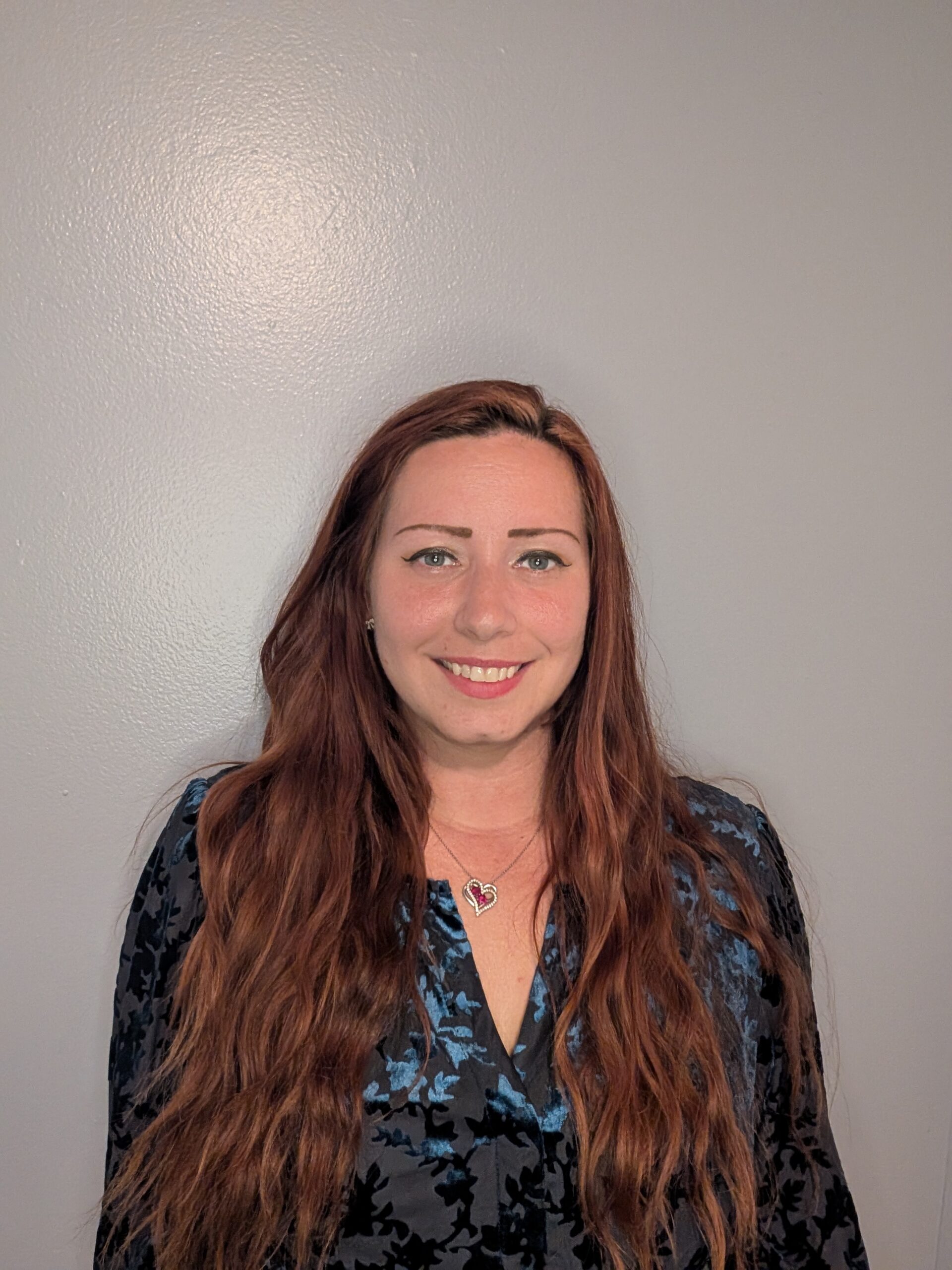
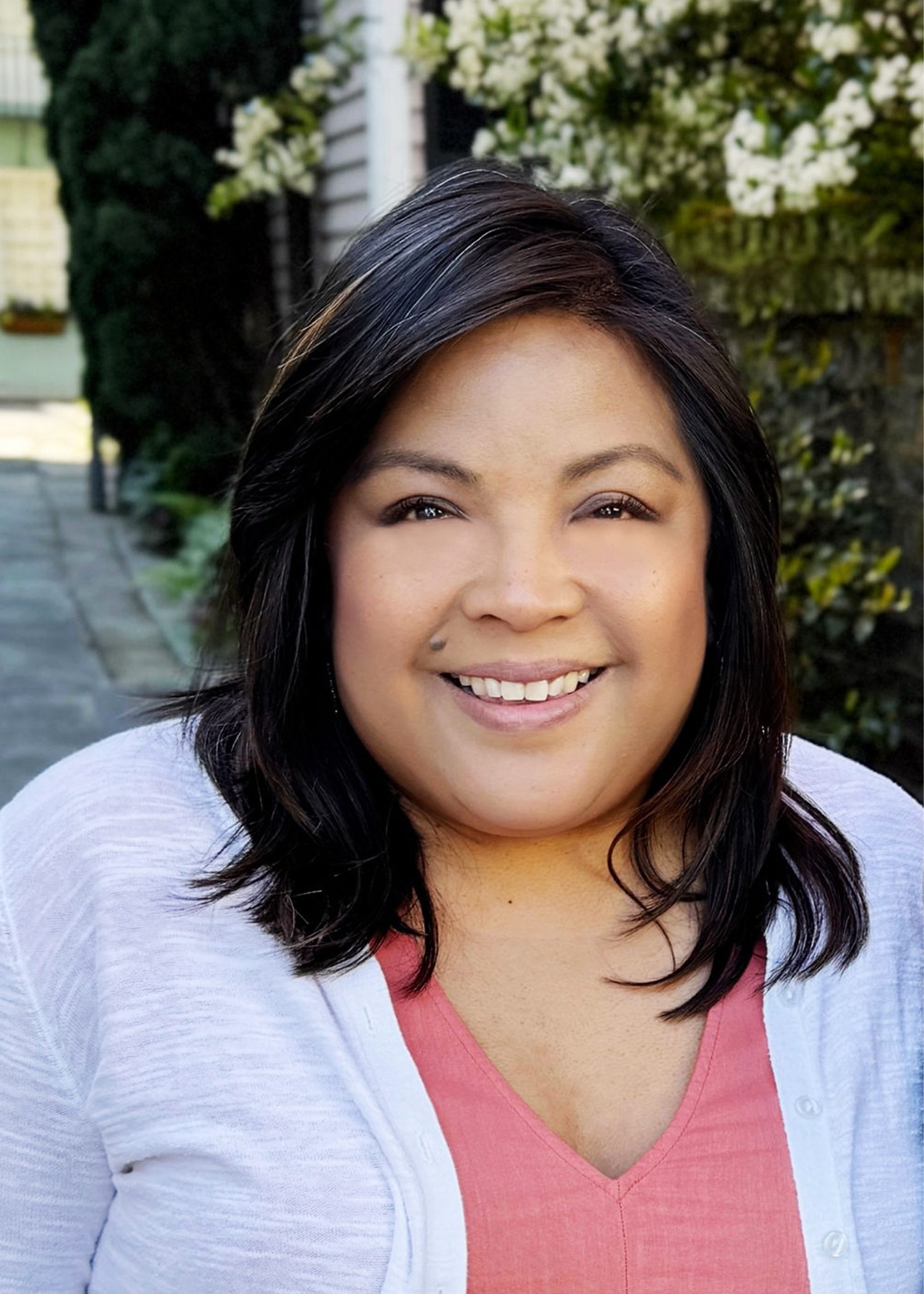
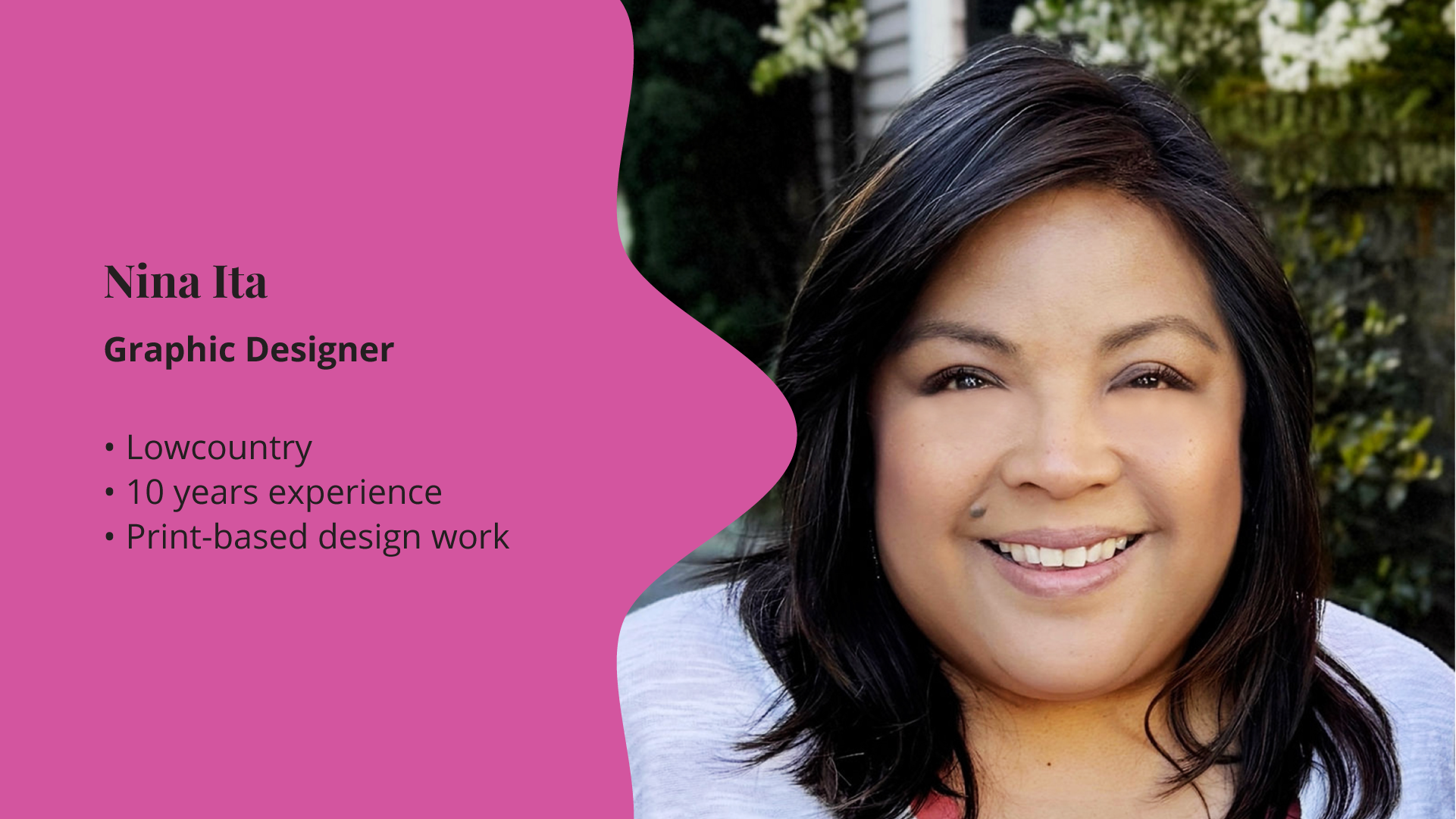
My name is Alli Crandell, and we are talking with Nina J Ita, and she is a graphic design professional in South Carolina. And as we get started, could you just tell us your current career and where you’re from and where you’re currently living?
Nina J Ita 00:14
Sure, I’m a graphic designer at A&E Printing. That is my full-time job in Charleston, downtown Charleston. I grew up in Goose Creek, which is a suburb of Charleston. Everybody says they’re from Charleston, but it’s always like part of a – they’re not really from the city, and yeah, I grew up here. I still live in Goose Creek and went to college here, so just never left. But I love it; it’s a fun place.
Alli Crandell 00:47
That’s excellent. And so I know that you know graphic designer holds a lot of different, you know, like spaces. So what bucket? I know if you have had a chance to look through our Uncharted website, what bucket would you say that you’re in?
Nina J Ita 01:00
Um. Oh, probably. yeah. Just I’m really production designer a lot of the times just through the nature of my job, but quite often there’s some pretty fun creative jobs that come through where I get to start from the beginning. I’m really good at picking up where people have left off, or like somebody has started a brand guide, and then I just have to continue do a lot of researching. So like researching is real. Just seeing, you know, what have they done? Can I match the fonts? Can I match the colors for continuity? Their style, their design style. So it’s kind of different every day. I work for a medium-sized print shop in Charleston, so and I am the sole designer there. So I do a lot of file checking for people, their files that come in, and but I do a lot of design, mostly prepress too, and you get to see what people don’t know the technicalities, and it’s very important to know how to design for printing. But but yeah, I do a lot of everything. It just the date can differ. I can be doing a bunch of boring things, or I can be doing something hopefully that’s really cool that I get to do from start to finish. So that’s basically my job. Yeah.
Alli Crandell 02:33
yeah. And so I’m going to ask you to just kind of like revisit that a little bit, if you don’t mind, just because we talk with a bunch of middle schoolers and high schoolers, all who have no idea what you know a creative career set really looks like, and so when we say graphic designer, there isn’t like a strong like sense. So we have
Nina J Ita 02:53
this
Alli Crandell 02:53
kind of initiative that we’re calling One Career 60 Seconds, where I know where you describe your job to somebody who might not know anything about design or it’s like or what your work is, similar kind of to an elevator pitch. So would you like to give it a try?
Nina J Ita 03:14
Sure. Oh my gosh, I’m going to sound terrible at this. Okay, I’ll go. So basically, my job is I am given an objective of a message to send to somebody. Like there’s a sale. These are, or if it’s like a menu, this is what we are offering. So we have to match the personality of the business, the look that they have already presented, or sometimes we are creating a look that’s a brand for the company. So that includes colors, fonts, type styles. Are we left aligned, right aligned? Are we traditional? Are we a little bit, you know, more abstract, funky, you know, more feminine, more masculine in the middle, and designing a piece that can be usually for me printing printed. So there’s technical issues and a piece that the customer is happy with that conveys the message, and most importantly, that people can look at and understand because that is the whole point of graphic design. Graphic design should not hinder communication; it should make it flow. I always say, if you’re stopping and like, what in the world am I looking? I don’t even know where to start. It’s not in design. If you don’t notice it, it’s a good design is one of my things that I always tell people. That’s pretty much it.
Alli Crandell 04:48
Thank you. I want that on a T-shirt.
Nina J Ita 04:50
Yeah. Okay. I like to. Yeah. Yeah. I always tell people. I’m like, oh my gosh. Like you know, when people are stumbling like at a restaurant again. A menu, and they’re like, I don’t know where to start. It’s because there’s probably no hierarchy. It’s not organized well, and you know they’re just doing all kinds of things. Like they’ve got bullet points over here and a list over here, and you just don’t know where you’re going. There’s got to be a certain flow to things. So those are things that are important that you notice once you become a more seasoned designer, and you’re like, “Oh yeah. One of my favorite things at my job is to take apart what somebody’s done or try to do in programs that we won’t talk about, and put it back together in a better way. And that’s I always say like I’m just here to fix a problem, and usually the problem is either we don’t have something to design, so we need somebody to do it. Who knows what they’re doing? I tried and I failed. It’s not looking good. It’s not like what I want to look like, or it’s not printable. Can you make it printable? Doesn’t have bleeds, naked bleed, and all that kind of stuff. It’s missing the right bleed, so all this kind of fun stuff is basically a problem fixer, is what I. And so people
Alli Crandell 06:12
come to you kind of like in a panic, it sounds like. And
Nina J Ita 06:16
yes, yeah, and that’s in. So some of our business is just like straight printing, so people will provide files. They have their own designers, but there’s a lot of there’s a disparity between some designers who can make things look great versus they don’t know the technicalities of like you have to make the artboard the size, the final size. You have to add the bleeds. Like you can’t just plop it in the middle of a big artboard and then call it a day because printers, small printers or big printers, won’t take files like that. You have to have them a certain way. My boss always says design with the end in mind, and that’s one of the things. Not only your mission, but like your print specs, like I always ask in the beginning, like okay, what do they need so that I know, so I’m not doing anything, not having to you know work it back to fix a file later on. Yeah, but some people, I mean, I find it fortunate that this was my first job and well, real job and design was at a print shop. You learn all the technicalities, but then you also see what other people don’t know, and then you learn from their mistakes of what not to do, and then you also learn how to fix it.
Alli Crandell 07:36
And I mean, I find it really intriguing that like you’re from Goose Creek, and then you decided to stay in Charleston. So, like, yeah, what impact do you think that this, like, the peninsula and the Charleston region have had on your work?
Nina J Ita 07:50
It’s just, I was actually wanting to go to Clemson. I was expected to Clemson, but my mom was a little protective, and she wanted me to stay closer to home. So and Clemson has a great graphics program too. So I don’t even know if I would approach it because I was looking at computer science, honestly. And I did do that in at College of Charleston, but I could not. I was not hacking it, so I switched to business and found marketing. But yeah, it’s the you know the hospitality industry was huge. That was one of my first jobs. There’s a lot of great artists that came out of Charleston, and there’s just so much beauty around that. You know, I see water every day I drive to work, which is cool. It’s just a blip, and probably should be paying attention. But it’s over there, and it’s just nice, and I like being downtown. There’s like a different vibe. It’s changed a lot in the like I’m older, so it’s been 25 years since I started going to college. But yeah, it’s just as inspirational. There’s always something going on in Charleston. So, do
Alli Crandell 08:59
you ever encounter something like a project that you’ve worked on, like it’s since you’re.
Nina J Ita 09:03
I do all the time. Yes, I do all the time. I can drive up the street on King Street, and then I’m like, oh yeah, I did that. I did that sign. We did, you know, we worked on the lettering for that hotel or the window signage. So yeah, it’s kind of all over, honestly. Even like boring things like the you know real estate signs, you know like developers. I mean, it’s nothing big, but it’s like, hey, if it gets your your building sold or leased out, then then it’s effective. So yeah, that’s I’ve seen I’ve seen stuff, and you get to see
Alli Crandell 09:42
as you were saying like the design is communication. It feels just like you know you get to see the impact of what you do
Nina J Ita 09:48
exactly, and yes, for sure because I I try to you know educate people, you know like if I’m sending a proof for like a sight sign. And I don’t just send. I mean, I’ll send them the artwork, but I also put it in a mockup so that they say, “Okay, that’s what it’s going to look like from you know from the street. You know, or like people that are wanting to put QR codes on a sign that, and like there’s no space, and I’m like, they’re driving by, like they nobody is going to capture it at that speed. So maybe we don’t, and maybe we just make your name really big because people will have your name if they’re interested top of mind, and then they’re just going to Google it and then find you. So things like that are helpful for people and for me too because sometimes you just don’t understand the space until you mock it up and go, okay, yeah, that’ll work. So,
Alli Crandell 10:43
and so I was kind of curious, like with something that you said earlier. You know, it’s like we’re trying to like find. You know, it’s like if there was a moment of impact in your life, and you mentioned that like working within a print shop, like that your first kind of design job was in a print shop. You’re working in a print shop now. What was what was that? What impact did? And you kind of mentioned a little bit about the impact. Is that the biggest impact in your design career, or is there another moment?
Nina J Ita 11:05
That over the years, I as I, you know, freelance also it kind of has influenced that just education because you, I went to you know I went to school to learn how to use the back to school, rather, I tried in tech to learn how to use the program efficiently because I was like not doing it right. I was using Photoshop for no good reason, and just because that was all I had, and I was like, “What in the world is InDesign? Like, how this is insane! Like, I could not figure it out until somebody sat me down and learned it, but really, your real learning is in the real world in Google. And I mean, I you learn a lot of things in school. It’s important, I think, to go to school and learn. But really, when you’re out there and just kind of making a mistake or learning from, especially honestly, learning from other people’s mistakes has given me more of an education. Yeah, but like, thank goodness for Google. It’s just yeah, there’s so much that you can learn, and like, oh, I didn’t even know. In following, there’s started a tab on Instagram like Illustrator Tips, and it’s kind of just merged into Design Tips. And I’m like, oh, I didn’t know because it’s hard to keep up with all the new things that they’re adding, new features that they’re adding. So I’m like, oh, I’ll try to remember that that’s there. But I try and go through it every now and then, and then I’ve had to refer a couple times to some like new techniques, so the information’s out there. Is you just have to you know look for it and save it and hopefully remember it, but it’s out there. Yeah, I think
Alli Crandell 12:52
that that’s yeah. I mean, it’s it sounds like amazing, and it’s like in so many resources that are out there. And so, can I ask a little bit in terms of like, what made you make the decision to go back to Trident Tech to get familiar with the software programs?
Nina J Ita 13:06
Yeah, sure. Well, I was just getting frustrated without knowing because it’s really frustrating. I mean, there was like, was it lynda.com? I think that was, but I think you had to pay in the books. It was just kind of I don’t know. It was just frustrating for me to learn that way, and I just really wasn’t happy at my other job. It was it was fun. It was you know great benefits, but I wanted to do something. I always wanted to be a designer. I think, especially in when I was taking marketing courses and doing advertising, and I was like, “Oh man, that’d be cool! Like, you know, to come up with an idea. But I wasn’t like, I’m not an arty kid. I wasn’t drawing. I need to draw a little, but I was like mostly just. I remember drawing Fred Flintstone from scratch. I’m like, “Oh, pretty good. But it’s not. I wasn’t doodling everywhere. Nothing like that. But I did like things to look nice. I like things to look pretty. So, especially when I was we were doing the Asian Student Union, we were making those posters. You know, just oh my gosh, it was terrible. Like we would just photocopy them, you know, and just slap them all around. But I mean, it was something. But even then, I didn’t even realize I was, you know, doing the hierarchy of like big title, you know, like a subhead, and just I was like, I kind of had it ingrained somehow. I must have just picked it up from, you know, seeing signs elsewhere, but it was something I wanted to do. And I was like, I had taken like classes a little at a time, and the stumbling blocks in the beginning were like those beginning classes of like drawing and like color theory, because it was so it was. Pretty much foreign to me. It was as if I was taking like biology, in a way, and it was just we have to just get through it. And I’m glad I did. And then yeah, once we got into the nitty gritty of it, I was like, oh, this is cool. Like you know, this is oh that’s how you make shapes and Illustrator and you know the Bezier curve and all that. You know that stuff. I was like, “Oh my gosh, this is so challenging! And then mesh, gradient mesh. Yeah, I was like, “Oh my gosh, that was tough. And my eyes, you know, were dead after that. But I did it, and then I just had to go full steam to finish, and I had to quit my job because the upper level courses were during the day, and I was like, no way I could. They were pretty strict about time off, so I was like, okay. So I just saved money and did it, and I was like, I hope I can find a job, and and also like networking helped because I just happened to go there and be like, hey, I need a job, and I think I was there to print my portfolio showpieces at Annie, where I work now, and then yeah, and then they called me a couple months later and like, hey, somebody’s leaving, you know. So that was great, and I got hired, and then I’ve been there ever since. So it’s been a long time. So it worked out, thank goodness. I’m sure it would have worked out another way, but I’m glad this was the route that happened.
Alli Crandell 16:24
And I mean, I think that you just spoke so well to like, you know, it’s like that kind of like fear, right? To like jump in, and I mean, that must have been a huge decision for you to be like,
Nina J Ita 16:34
oh yeah, it was. Yeah, my dad was like, “Are you crazy? Like, you have a job? Like, and I don’t even know if he fully understands like what I do now, but I’m like, I’m okay. I’m you know I’m doing the job I have benefits. You know I’m I’m good. I’ve kept clean shop for you know over 13 years, but yeah. And it’s also I’m Filipino, so you know I’m my brother’s software engineer. You know my cousin’s a dentist. You know everybody’s like has you know like fancy careers, and I mean I love what I do. It really is fun. It’s kind of what I dreamed of when I was a kid. I didn’t know what I was going to do, but I just imagined myself kind of in a in front of a computer or sometimes you know, just taking stuff off, and every time like I put a folder up here, I have a proof folder, you know, so it’s out of my sight, but it’s done. I’m like, man, like I dreamed of this when I was a kid. It’s funny. I didn’t even know what I was dreaming of, but I was like, this is kind of what I wanted to do, so yeah,
Alli Crandell 17:42
powerful. Yeah, and I mean, and so you touch on this a little bit, but what does your family think of your career now?
Nina J Ita 17:48
Yeah, my brother thinks it’s cool. My, I mean, I’m sure I don’t know my dad. I mean, I’m just like, I guess I’m glad she has a job and she’s employed, but yeah, I mean, they think it’s cool. I mean, I’m, you know, I do things for them too, so I create stuff for them. So they, everybody’s like, “Hey, yeah, can you do this? But yeah, sure, it’s fun. So yeah, they like it. Yeah, I was just
Alli Crandell 18:12
thinking about because so many I we when we’ve talked with, you know, it’s like those emerging creatives that they may have that like a similar career where they’re like, I’m not entirely sure what I want to do, but I know that this is like my like exactly as you just said. This is my dream, and so I was just wondering if you had any like words of wisdom for how they translate that to their stakeholders, right? Like their people that are around them and supporting.
Nina J Ita 18:35
Sure. Yeah. I mean, just if if you’re happy, like see what what is their ultimate goal? I mean, I know your parents want you to be a doctor, a lawyer, and because it sounds good, but I mean, if you’re happy, you know you’re surviving, you’re paying your bills, you’ve got hopefully you know decent job benefits, and you’re just trying to make yourself better. Just be happy with that, and don’t compare yourself to other people because there’s always, you know, especially if you’re in a good place or be proud of what you’ve accomplished because there’s people who can’t or don’t or don’t want to push themselves. So you know, just do the best you can and be proud of where you are and always look to move forward.
Alli Crandell 19:22
And for folks that might be interested in joining the design profession, you know, it’s like maybe following your career. What what advice would you give them as they’re thinking about networking or places to think about? You know, it’s like in terms of looking for, like, just to get their foot in the door.
Nina J Ita 19:38
Gotcha. I would definitely, you know, if you’re in school, like talk to your professors and see, you know, who they know. I would, you know, I would recommend a print shop because you get so much hands-on information. You know, we’re not like a press that mixes the inks. And all that kind of stuff. We’re mostly digital. We’ve gotten into sign thing, sign shop, or sign. We do part of it signs, so we’ve learned like the large format latex printers and all that stuff. So that was a cool additional thing to learn. But yeah, even just see if you can intern somewhere and kind of get exposure. Don’t you know? Ask them like, can I just shadow the print production person and just learn about it? Because you’ll really see and start to understand. And I’m focusing on the technical aspect because it’s so important because it gives us a lot of headaches. You know, I mean, it’s either going to cost your client money, or you know, or take your time if they can’t do it properly. But it’s just so important. Like we can always, usually always fix it, but it’s just time and money that it’s going to cost. But you know, I would see what other organizations like you guys seem to have like a good thing going here. I wish we didn’t have anything like that at Tech. There used to be an advertising federation in Charleston. There’s a marketing association, American Marketing Association in Charleston, but it’s more toward like actual marketing, not design. I just went to a great conference, Creative South Conference, in Columbus, Georgia, last month, and they’ve been doing it for 15 years. And they have-it’s actually not very pricey if you want to recommend it to your students. The student rate is like really great, and it’s fun. It’s-it was-it was my first time going. I’ve been watching for a couple of years. The conferences are a great way to network and meet people, and especially if you’re young and ready and wanting to move, the people come from all over. So yeah, just get involved. You know, ask people because you never know. If I hadn’t told my boss like I was about to graduate and I’m be needing a job, do you know anybody? He wouldn’t have known that I was looking for a job. Two months later, I mean, he tried, and if I had a job, I would said no. But I was like, no, no, I don’t have a job. So thank goodness. Two months after I graduated, I got a job.
Alli Crandell 22:22
Excellent! You’ve given such amazing insights and advice just from everything from technicality.
Nina J Ita 22:28
Oh, good! I hope to help, buddy. Yes. Oh my gosh, the technical. Oh my god, I could go on forever, but yeah, it’s very important to know. Yeah, ask always ask when you’re sending a file to a printer. Do you have print specs? And I’m sure they do, or they will tell you this is what we need. And yeah, very important. Make everybody happy. Yeah, make it go smoothly. Yeah.
Alli Crandell 22:55
Well, thank you. Is there anything that I didn’t ask you that you wish I had asked you?
Nina J Ita 23:00
I don’t think so. Oh my gosh, I’ve spoken a long time already. I think I’m good.
Alli Crandell 23:05
Yeah. Oh, excellent. Well, thank you so much for talking, you know, like with us today, and like in sharing these amazing words of wisdom for like our. Oh, good. I
Nina J Ita 23:13
hope. Yeah. Yeah. Perfect. I hope I help. I hope you know you get some great designers out of your program, and yeah, it’s great. I love what you guys are doing.
Alli Crandell 23:25
Thank you so much, and thank you so much for all of your work in South Carolina and in Charleston, and so.