Location: Lowcountry

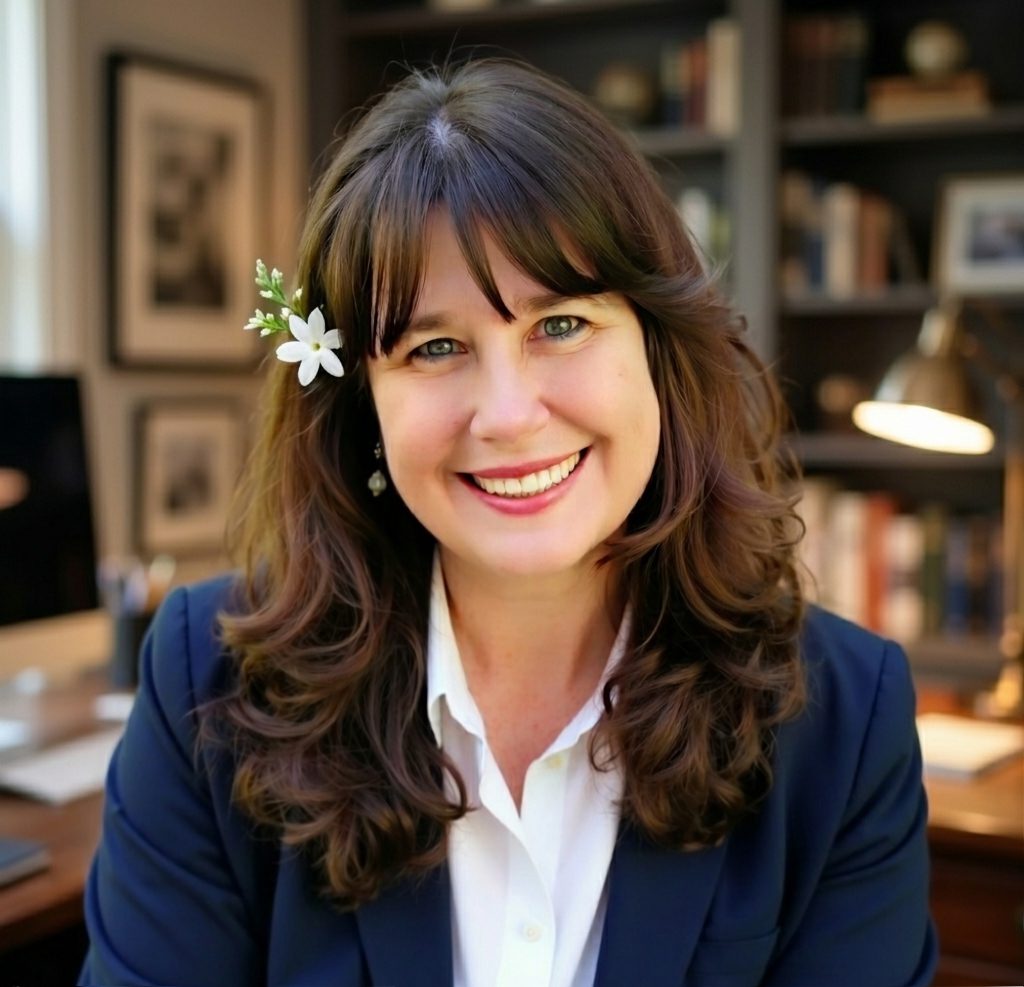
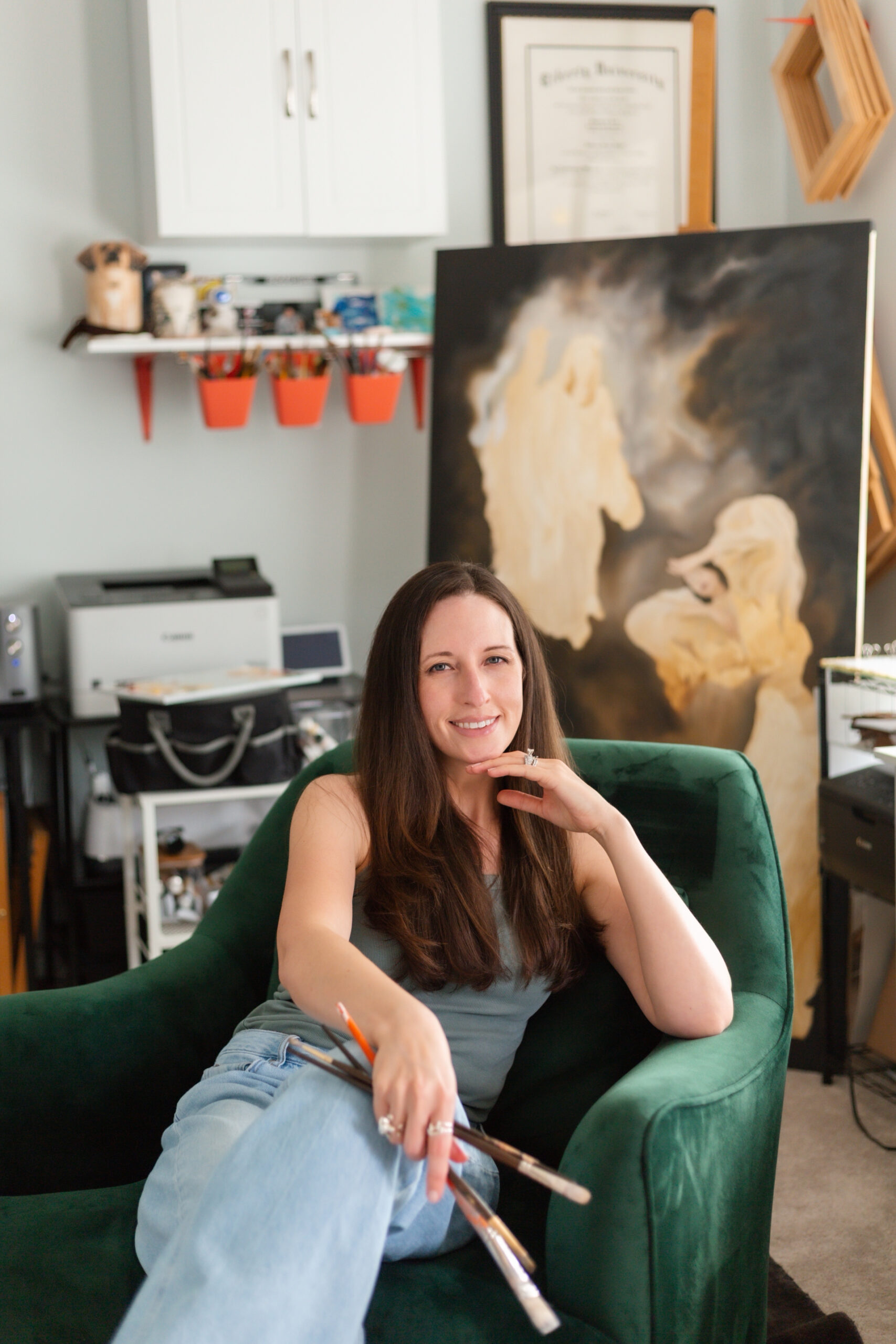
  • Sisi Garland

    Sisi Garland

    “Being brave does not mean being unafraid. It’s being scared and going forward with it anyway.”  

    Sisi Garland is the Executive Director of Heart Inclusive Arts Community, an interdisciplinary art studio in North Charleston, South Carolina, serving adults with disabilities. With a background in stage management and theater, Garland has worked in New York and Charleston and celebrates five years of leadership at Heart. She believes in the power of creativity, community, and courage in the arts. 

    About

    Sisi Garland is the Executive Director of Heart Inclusive Arts Community in North Charleston, South Carolina, where she works from her pink office in the Heart Art studio. She has been with the organization for five years. Heart is a multi-disciplinary art studio for adults with disabilities that offers opportunities in visual and performing arts and other creative outlets. 

    Garland sees South Carolina’s Lowcountry as an inspiring location for artists: “Visually, it’s stunning, especially in this Lowcountry region… there’s also such a rich culture here, and so many different cultures coming together.” She describes the local creative community as not only supportive, but also actively engaged with Heart’s mission. Garland expresses that the local community “will rally their support around us.” 

    Being from a small farming town in Delaware, Garland initially feared she wouldn’t be able to make a sustainable career in the arts. In this small town Sisi wasn’t exposed to what the arts consisted of, “I had no real concept of what being a professional creative could look like. It felt to me at the time like you either had to be a Lister red carpet famous or a sad, struggling wannabe, and that there was not in between.” After moving to Charleston, South Carolina where she attended the College of Charleston, where she learned how to express creativity in the professional world. 

    A turning point came when she accepted her first professional stage management role after college. That production connected her to the theater company she has now worked with for nearly 15 years. The best advice she’s ever received: being brave doesn’t mean being unafraid, it means moving forward despite fear. 

  • Ronda Taylor

    Ronda Taylor

    “Take time to celebrate every achievement, because it’s huge. And your creativity is a gift. You’ve got to keep stewarding that gift.”

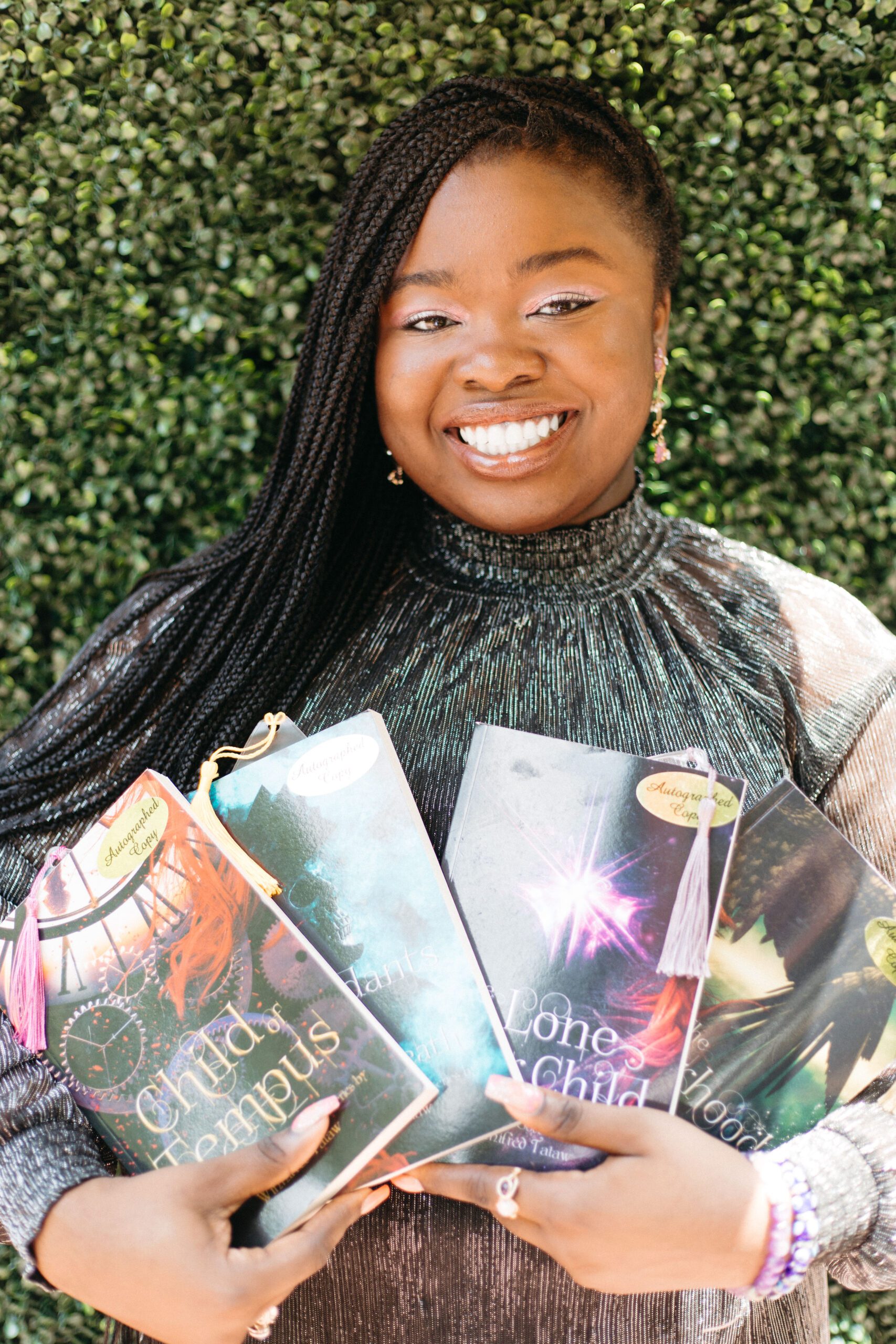
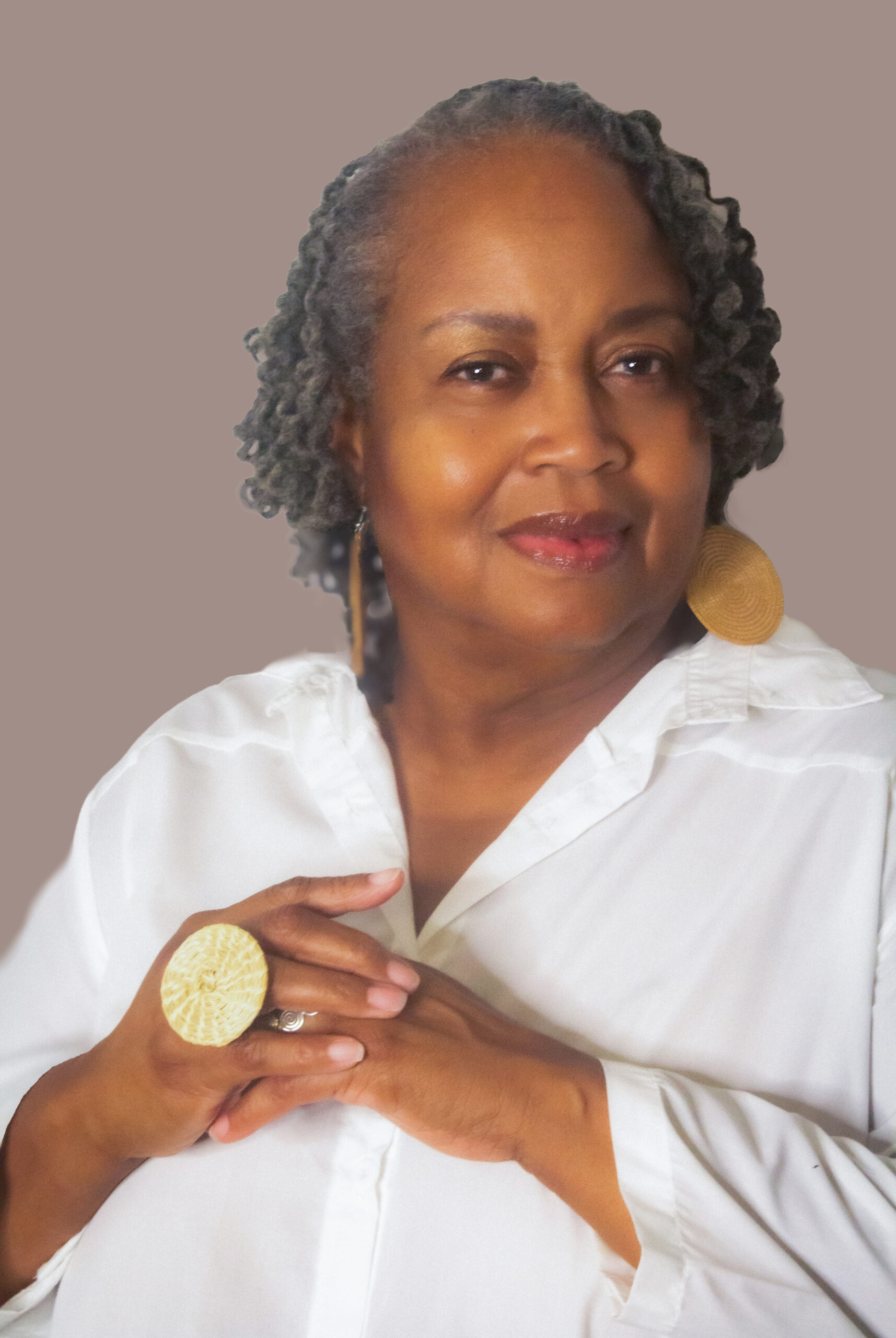
    Ronda Taylor is a poet, writer, storyteller, and program director of Youth Empowerment Services, a non-profit organization in Charleston. Taylor earned a B.A. in English with a minor in creative writing, as well as a Master of Arts in Writing, both from Coastal Carolina University. She published a children’s book titled Radiant Girl: Daughter of the King (2024), and her work appears in two poetry anthologies: This is the Honey (2023), edited by Kwame Alexander, and Ukweli: Searching for Healing Truth (2022) Taylor is the founder of Seen Heard Loved Publishing, LLC.

    Interview

    Transcript

    Ronda Taylor

    My name is Rhonda Taylor. I am a poet and author. I’m also a program director for a nonprofit organization called Youth Empowerment Services. So we were middle and high school girls, and I live in Charleston, South Carolina.

    Emma Plutnicki

    Perfect. And how long have you been working there?

    Ronda Taylor

    The nonprofit?

    Emma Plutnicki

    Yeah.

    Ronda Taylor

    The nonprofit, was technically at the beginning of last year, so January, but I have been working in my different capacities since 2020. I actually was introduced to them because of my poetry. I did a poetry event at their annual Dream Girls Conference that brings in about 1,200 to 1,500 girls from across South Carolina. And then I just started serving and volunteering, and then I ended up loving it so much, that I ended up becoming program director. So.

    Emma Plutnicki

    Amazing. So, would you say that that conference really helped spark your career? Without that conference, do you think you would have ended up where you are now?

    Ronda Taylor

    I think it was a big turning point. But, I think it was always there.

    Emma Plutnicki

    Like, yeah.

    Ronda Taylor

    happens for…creativity was always there. That’s what I went to school for. So, I was always pursuing that. And then that conference just kind of solidified, is what I would kind of say. It solidified what I already knew was kind of my passion, and then being able to work with young people. It just all aligned, with what I was looking for.

    Emma Plutnicki

    That’s Amazing. So, what background did you have that specifically helped you learn that role? I know you said that you’ve had some interest in creative fields before, but what specifically in that role within your background helped you land that?

    Ronda Taylor

    So, of course, I’m alumni from Coastal Carolina University. So, I’ve always wanted to write, I’ve always kind of been creative and artsy, so I knew if I went to school, it would be for writing. And so I went to Coastal. I got my bachelor’s in English with a minor in Creative Writing. And then, I went on to get my Master’s in writing. And so I think I got introduced to the Athenaeum Press in undergrad. And I loved it so much, I continued to stay with it even in my graduate program. And so all of those things were very helpful to like, set the foundation. And then, during my college career and being a part of things like the Athenaeum Press, it just helped me refine more and more what I enjoyed about writing and what I enjoyed about my creativity. So with the Athenaeum Press, cultural things that that the press highlights, different communities, that was always important, because it felt like it was creative storytelling with a purpose. And that’s what I love. Is creative storytelling with a purpose.

    Emma Plutnicki

    Yeah, amazing. So, can you please walk us through a typical workday? What your process looks like? what’s expected of you on a daily basis, is every day the same? Does it change?

    Ronda Taylor

    Every day is not the same, which is hard to… It’s so hard to answer. Because I don’t have like a specific structure, like I go into the office, I do what I need to do, and then I leave every day. So, like, vastly different. It just depends on what each project or thing requires. And I think the Athenaeum Press kind of set me up for that too, because you could be doing a bunch of research on a computer or in a library at a research center. Or you could be in the field, visiting St. Helena Island, talking to different people in the community, like, it just depends on on what’s needed at that time. And so, like I said, I work with a nonprofit. And so we do a lot of mentoring. And so, it could look like going into schools and group homes and talking to students. We have different Summer programs and Fall programs. Sometimes, we take the kids on cultural events. The students on cultural events. And so, yes, not just one thing, it looks very different.

    Emma Plutnicki

    Yeah.

    Ronda Taylor

    Each time, depending on where my creative will is, I’ll make space to write. I’m also working on a book right now. I’m coming out with a children’s book called Radiant Girl, Daughter of the King. And so, there’s also the business entrepreneurship side of creativity. Of just figuring out, okay, how do I get this book out there? How do I market it? How do I, how do I fund this? Invest in this? Invest in my creativity. And so, when I graduated from school, one of the biggest things that I did was, I was like, I really want to pursue writing children’s books. I really want to pursue poetry. And so what I did was, I would go to different writing and author events to connect with people. And that was the big thing, is for me to network. I would go to conferences and retreats, and I created, like, some of the best networking experiences I have, like, I’m on personal levels with, with authors and illustrators that I was inspired by and I look up to. And so, that was a lot, but, I’m saying that because not every day is the same, but it’s also very exciting because you never know what the day will bring.

    Emma Plutnicki

    Yeah, and no, I love that. And so, you mentioned some projects. So, how many projects at a time do you typically work on? Are there set projects? Or is it more just whatever pops up? Or are you working on long-term projects? Short-term projects? All at the same time? And how do you juggle those?

    Ronda Taylor

    Yeah, great question. I would say, naturally, I would prefer to work on one thing at a time. But as I stepped more into this world, it’s kind of multiple things at once. So, like I said, I’m coming out with this book project. And I have to learn a lot about watching the book and getting it into libraries and getting it into stores and making sure that it’s online. And all of those parts are a lot of things that lead to kind of one. But also, within that I have a publishing company that I published through. And, the goal for that is not just to publish myself but eventually to publish future authors, to partner with illustrators, and just different people in the publishing world. And so, I have a long-term goal, which is, I really want to have a solid and successful publishing company that, you know, produces diverse. Which is really important. Diverse work, for children and for future generations. And so, I would say multiple projects, even though that’s not how I’m naturally built, it’s, it’s just a learning curve for me, and it stretches my capacity or stretches me outside of my comfort zone, but that’s, that’s also how you learn.

    Emma Plutnicki

    Yeah, I love that. And can you describe a defining moment in your creative journey? You were just talking about the book, that might be it, but, maybe a particular project that has made a significant impact on you, or something that you produced that really just was the pinnacle of your creativity.

    Ronda Taylor

    Oh, I think it’s a lot of little things, honestly, that makes it kind of grand. Because when I really look and reflect, I’ve been able to accomplish some really great things in a short amount of time. And if I don’t take the time to reflect on those little things, I’ll just be so focused on going forward that I won’t even realize my successful moment. So there’s a few I think, honestly being published, this is a big deal. I’m publishing two Anthologies, as a contributing poet. So, one of them is Ukweil: Searching For Healing Truth. And then the other one is a big one, which is. This is the Honey, edited by Kwame Alexander. Those are really two beautiful moments, especially with This is the Honey, because I’m in a work of art with, literally, poets, black poets that I grew up on and who I’m inspired by. Some who are personal friends, and also people that I’m learning about, I’m within that, that community. And that’s really awesome. And then on top of that, I’m releasing my first personal project, which is a really huge step. It’s something like if you’re a kid, and like the goal, and your dream was always to be published and have your own book, like, this is the moment where I can say, I’m going to be able to hold my own book in my hand, and other people will be able to read it, I’ll be able to share it with young girls, I’ll be able to share with children and their families, and they get to take that book home and read it and enjoy it. That’s very exciting.

    Emma Plutnicki

    Yeah, that’s amazing. That’s gonna be great. Do you think it was, has been challenging in this field? This is a very difficult field, for sure. But how have you been able to kind of face the challenges that you’ve found along the way? And conquer them?

    Ronda Taylor

    For sure. Specifically, with the writing. When I came home, I took a really big step to pursue this. And so, you never know what that road looks like, and how much it takes to get through that. And so, you do have disappointing moments where things didn’t work out exactly how you saw it in your head, but you have to take those disappointments and the rejection and just redirect.

    Ronda Taylor

    And so, that’s what I had to learn in this process is just, you had this destination, and you weren’t able to go this route, but you’re able to redirect, and you’re still getting there. And so, still, persevere, still endure. Try a different way, and know that it’s okay, and what’s for you is for you. And so that’s what I had to learn, is, I had to shift and make that change. And so, I’m still in a beautiful place, even though it took me a different route to get here.

    Emma Plutnicki

    Perfect. I love that. And can you recommend any specific skills that someone should have to increase their chances of you know, making it in this field? Are there any specific skills that you use on a daily basis that you find are particularly important in your work?

    Ronda Taylor

    I would say networking has been really important. Finding those spaces where there’s just opportunity for community has been important. So, that’s looked different in different ways. Sometimes, that looks like specific memberships, being a part of a children’s membership. Being a part of even social media, Facebook groups. You can find really great communities and opportunities for networking and mentorship. When I don’t have the answers. I ask questions. I find someone who I admire, and I see what they’re doing, and I want to do something similar, and I just shoot them an email or shoot them a message, and I don’t get a response from everybody, but when I do get a response, people take the time to pour into me, share with me their insight, and those things have been really huge. I’ve also made time just to invest in myself. That might look like a workshop or a class just learning more about whatever field I’m interested in and passionate about. And so, that’s how I pursued that. And a really helpful thing for me, because you mentioned the South Carolina Arts Commission. I received a grant from the South Carolina Arts Commission, the Artists Business Initiative Grant, and that was really huge to help me launch a publishing company. And to invest in an illustrator, invest in a website, and be able to make that dream of publishing a children’s book come true. So, that was a very helpful thing as well.

    Emma Plutnicki

    Yeah, amazing. So, for networking that you mentioned, are there any specific programs or organizations or events within South Carolina that you find particularly important for networking, or things that you’ve gone to?

    Ronda Taylor

    Yes, for me with writing, I think about independent bookstores that we have. Which are really important. So Best in Books has been a great community partnership. That’s where we did a poetry reading with This is the Honey, and that’s a great community partnership. There’s Turning Page Bookshop, which is an independent Black-Owned, Black Woman-owned bookstore in South Carolina, which is very rare. So, those independent bookstores are great communities; the Charleston Libraries, of course, are just great for me. And then different people like our Charleston poet Laureate. Formerly, was Marcus Am . He’s doing great things in the community. And now in Asia, Asian man, she’s really great as well. And so I just tried to find specific events and conferences, and people to connect to.

    Emma Plutnicki

    Yeah, perfect. So, as we’re wrapping this up. Do you have any advice for current college students or young adults who are about to enter the workforce and looking to make a start in a creative field of work?

    Ronda Taylor

    Don’t get discouraged. Definitely keep going. Definitely surround yourself with a community that will support you and encourage you. And yeah, just just keep, keep going, keep moving forward, because it will happen even if it doesn’t happen in a certain way. And take, take the time to celebrate every achievement because it’s really huge. And your creativity is important, and it’s a gift. So you just got to keep stewarding that gift.

    Emma Plutnicki

    Yeah, that’s great. Well, thank you so much.

    Emma Plutnicki

    I’ll be reaching out to you for a few more things. Thank you for sending over the headshot. That’s great. And would you be open to speaking to our team again, if anything comes up?

    Ronda Taylor

    Yes, of course.

    Emma Plutnicki

    Perfect.

  • Thurayya UmBayemake

    Thurayya UmBayemake

    “Your path in life won’t look like anyone else’s.” 

    Thurayya UmBayemake is the Spark Lead Actor-Teacher in support of the Arts Grow SC program at SC Governor’s School for the Arts and Humanities. She delivers literacy-based drama programming to public schools to encourage “creative thinking, divergent thinking, and overall motivation to read.” UmBayemake earned a degree in drama studies at South Carolina State University (SC State). 

    About

    Thurayya UmBayemake was an athlete in high school, doing cross country and track and field, until she hurt her back her junior year. Still injured her senior year, she decided to get involved with a newly opened African community theater in town. “I was involved in a theater that embraced me for who I was and told stories that I could truly relate to,” UmBayemake said. While she couldn’t relate to every single story, she always felt culturally connected to the theater. She became an assistant director, stage manager, and eventually, an actress. UmBayemake moved to South Carolina to study drama education at South Carolina State University, where she graduated Summa Cum Laude.  

    After graduating, she traveled the country and opened her own theater with friends: the Ma’Sue Theater in Akron, Ohio, which focused on African American stories and social justice. UmBayemake then moved to New York City, where she took a break from theater work, saying, “You have to experience life to tell stories. That’s what I was doing in New York.” 

    UmBayemake is the Curriculum Coordinator Actor-Teacher Coach for a program called Spark, which is a literacy-based drama program based in the South Carolina Governor’s School for the Arts and Humanities. “We go into elementary schools…we show students how to take stories from picture books and add drama and acting in there to show characters, to show settings, to show plot, to reinforce the literacy-based learning, but also creative thinking, divergent thinking, and just overall motivation to read,” she says. UmBayemake also works to show teachers how to take the same artistic approach to teaching, even without an artistic background.   

    UmBayemake credits her current position to her storytelling abilities and her wide variety of previous experiences. “I know some people feel once they get out of college, they should only work in their field,” she says. “But you’re missing out!” She advises those seeking a job in the arts to be patient with the process and not get discouraged if it takes time to land a dream job. She also emphasizes the importance of building a strong community. “Make friends with any and everybody, just to learn about their life experiences and what they went through. It will help you learn that your path won’t look like anyone else’s.”

  • Rick Sargent

    “I actually got turned down twice when I applied to medical illustration school. I took time off, reassessed, and just drew and drew. When I finally got in, I was excited, and I have been doing this ever since.” 

    Rick Sargent is a professor of art at The Citadel, where he teaches drawing, painting, animation, and illustration. He is also a seasoned freelance medical illustrator specializing in medical-legal illustration. A native of Columbus, Georgia, now based in Mount Pleasant, South Carolina, Sargent holds a bachelor’s degree in interdisciplinary studies from the University of Georgia and a Master of Science in Medical Illustration from the Medical College of Georgia (now Augusta University). 

    About

    Rick Sargent’s career is a seamless fusion of art, science, and education. With over two decades of experience in medical illustration and a decade of college-level teaching, Sargent brings a dual perspective to the classroom. His journey began with a high school art teacher’s advice to pursue medical illustration, a field that would allow him to combine his love for drawing with a deep interest in science. 

    After earning his master’s degree in medical Illustration, Sargent began working in the field, eventually specializing in medical-legal illustration, where he collaborates with attorneys to visually communicate complex medical scenarios through 2D, digital, and 3D illustrations. “They have to explain and communicate in layman’s terms what happened in an accident or medical procedure,” he said. “That’s where I come in.” 

    Sargent transitioned into teaching when a colleague suggested he consider the classroom. “I fell in love with teaching,” he recalls. Now a professor at The Citadel, he continues to practice freelance illustration while guiding students through the fundamentals of art and creative expression. 

    His advice to aspiring creatives is both disciplined and expansive: “Find your thing and do it really, well but don’t be afraid to explore. The creative paths you follow may connect in unexpected and meaningful ways.” 

    Sargent’s impact at The Citadel is evident in art has become the college’s largest minor, in part because students discover new ways of thinking visually through his classes. “There are many incredible artists at The Citadel who didn’t know they were artists,” he said. “For me, coming from a medical illustration background that’s something they can get their minds around.” 

  • Ronda Taylor

    Ronda Taylor

    “Take time to celebrate every achievement, because it’s huge. And your creativity is a gift. You’ve got to keep stewarding that gift.” 

    Ronda Taylor is a poet, writer, storyteller, and program director of Youth Empowerment Services, a non-profit organization in Charleston. Taylor earned a B.A. in English with a minor in creative writing, as well as a Master of Arts in Writing, both from Coastal Carolina University. She published a children’s book titled Radiant Girl: Daughter of the King (2024), and her work appears in two poetry anthologies: This is the Honey (2023), edited by Kwame Alexander, and Ukweli: Searching for Healing Truth (2022) Taylor is the founder of Seen Heard Loved Publishing, LLC. 

    About

    Ronda Taylor said she’d always wanted to write, and her education at Coastal Carolina University was the foundation for her career. Her work at The Athenaeum Press, the student-driven publishing lab at the university, was an important ingredient of that experience, as it allowed her refine her interests, “to become involved in the area, getting immersed in its community and its culture, as we pursued creative storytelling with a purpose.” 

    Networking has been essential to Taylor’s career. She performed spoken poetry at the Dream Girls Conference in Charleston, S.C., which drew more than 1,200 girls from around the state. “That was a big turning point,” said Taylor. “The creativity I’d been looking for was there, the energy was there. That conference solidified my passion. It all aligned with what I was looking for.”  

    As a creative, Taylor said she faces challenges regularly in her career. “You never know what the road is going to bring,” Taylor said. “You have to take disappointments and rejection and just redirect. That is what I had to learn: to persevere, endure, try a different way if the first path doesn’t work out. I’m still in a beautiful place even though it took me a different route to get here.” 

    Taylor encourages students interested in a creative career to attend events, meet people, and make connections. “Networking has been really important, finding those spaces where there’s opportunity for community,” said Taylor.  “Sometimes it looks like membership, and sometimes it’s social media groups; there are many places you can find opportunities for community and mentorship.” Taylor mentioned the South Carolina Arts Commission, from which she was awarded an artist business initiative grant, which allowed her to launch her publishing company. She also noted that local bookstores and libraries can be important places to connect with people. 

    “Don’t get discouraged,” Taylor advises students. “Keep going. Surround yourself with a community that will support you. Keep moving forward, because it will happen even if it doesn’t happen in a certain way.” 

  • Lex Stress

    Lex Stress

    “Once you’re in tech, there’s room to grow.” 

    Lex Stress is the Principal Graphic Designer at Ellucian, a tech company specializing in software for higher education. From Charleston, SC, Stress brings creativity and strategy to every project whether for clients, internal teams, or freelance ventures. 

    About

    Lex Stress didn’t plan to work in tech, but after spotting the Blackbaud headquarters on a daily drive, they decided to apply. That bold move opened the door to a thriving career in design for the tech world. 

    Today, as Principal Graphic Designer at Ellucian, Stress leads visual direction across digital platforms, email campaigns, and social media. A graduate of Coastal Carolina University, they credit their education for building a solid foundation but it was curiosity, networking, and real-world practice that propelled them forward. 

    Stress enjoys the dynamic pace of tech and its flexibility. “Once you’re in tech, there’s room to grow,” they say. Their role allows them to blend strategy with creativity, and they also freelance on the side to keep their skills fresh. 

    They encourage aspiring designers to explore the business side of creative work, and not to underestimate the value of a strong portfolio and clear communication. Their advice? Keep evolving. Keep making. And always be ready to take the next leap.

  • Simone Liberty

    Simone Liberty

    “I really love to extend art and creativity for everyone. Art for all. Art for everybody.”

    Simone Liberty is a full-time Teaching Artist based in Charleston. As a Teaching Artist, or traveling arts educator, Liberty teaches Arts Integration in schools throughout Charleston, Dorchester, and Berkeley counties. Arts Integration uses visual and performing art forms including dance, art, and theatre, connecting them to core curriculum subjects such as math, science, and ELA. 

    About

    Simone Liberty has been in Charleston since 2015, when she left her hometown in Connecticut to attend the College of Charleston to pursue an Arts Management degree. She remained at the College of Charleston to earn a Master of Public Administration with a certificate in Arts and Cultural Management.  

    While in graduate school, Liberty observed a summer theater program for children at the Gailliard Center; she was so inspired to get involved that she wrote a letter to the program director, essentially creating a part-time position for herself in fundraising and education. Her proposal was successful, and over the next year, she worked as a fundraiser to support Gailliard’s educational programs. While she enjoyed that position, she realized she wanted to work more directly with children, and becoming a Teaching Artist has fulfilled that desire.  

    Liberty speaks openly about the difficulties of working as a Teaching Artist, such as the networking required to make it a full-time endeavor and the isolation of being an independent educator. “You have to be intentional with networking and getting yourself out in the community so people know who you are and what you do. It requires lots of self-initiation.”  

    At the same time, Liberty is excited about the increasing demand for Teaching Artists and opportunities for entrepreneurship. Liberty loves tap dancing, for example, but the cost of tap shoes makes teaching the dance form in schools cost-prohibitive. Instead of allowing that challenge to get in her way, she took inspiration from her “Art for all” mantra and created a tap accessory that can be added to the front of a child’s own shoe to give them the tap-dancing experience. 

    Liberty advises aspiring creative students to “Remember your why” in order to “stay connected to what brought you to the arts in the first place.” She notes that many Arts Management professionals are artists and creatives themselves who run the risk of losing touch with their skill and craft if their professional roles require them to drift from their original purpose. She encourages young professionals to “find those opportunities to stick with your craft and make sure that stays in your practice. It helps you to fill in that work-life balance and at the same time might let you draw some connections toward your ‘why,’ why you’re doing this.” 

    For more information about Teaching Artist careers, connect with the Teaching Artists Guild: https://teachingartists.com/ 

    For Teaching Artist careers in the Charleston area specifically, visit Engaging Creative Minds: https://engagingcreativeminds.org/  

  • Katie Hinson Sullivan

    Katie Hinson Sullivan

    “Art has been a language to me that made sense throughout my life.”

    Katie Hinson Sullivan is an Art Therapist and program director of the Arts and Healing program at MUSC Health in Charleston, SC. She holds a degree in Studio Art and Psychology from the College of Charleston and a Masters in Art Therapy from New York.   

    Katie Hinson Sullivan was born and raised in Charleston, South Carolina, where her art journey and career path in healing began. From a young age, Sullivan was always surrounded by art. Her mother, an art teacher, often left out materials that Sullivan would use to express herself when she was young.  

    About

    Katie Hinson Sullivan was born and raised in Charleston, South Carolina, where her artistic journey and career in healing began. From a young age, Sullivan was immersed in art, as her mother, an art teacher, often provided materials for her to use in creative expression.  

    Although she was initially unsure about how her passion for art would evolve, Sullivan began her college education at the College of Charleston, where she majored in Psychology while also taking art classes. During her senior year, a professor highlighted potential career opportunities that combined her interests in psychology and art. Inspired, Sullivan began researching these careers and applied to schools for a master’s degree in art therapy. 

    After completing her graduate studies at the School of Visual Arts, Sullivan worked in New York. She first joined a preventive agency that supported families and children experiencing issues related to child abuse and neglect, and later served as a mental health professional at Rikers Island Jail. There, she established art therapy programs and advocated for increased services for female inmates.  

    Upon returning to Charleston, South Carolina, she founded the Arts in Healing Program at MUSC Health in 2018. “We are providing access to the arts to impact the health and well-being of patients,” Sullivan states. 

    A typical workday for Sullivan includes a variety of administrative tasks, such as developing programming, ensuring its sustainability, and offering mental health support to individuals and communities lacking access. Additionally, she is involved in several research studies exploring the effects of art therapy. One collaborative study focuses on enhancing young patients’ engagement in physical therapy, facilitating earlier hospital discharge. 

    Drawing from her experience establishing a career in art therapy and becoming the program director of the Arts in Healing Program, Sullivan offers valuable advice to aspiring creatives interested in pursuing this career path. 

  • Rick Sargent

    “I actually got turned down twice when I applied to medical illustration school. I took time off, reassessed, and just drew and drew. When I finally got in, I was excited, and I have been doing this ever since.” 

    Rick Sargent is a professor of art at The Citadel, where he teaches drawing, painting, animation, and illustration. He is also a seasoned freelance medical illustrator specializing in medical-legal illustration. A native of Columbus, Georgia, now based in Mount Pleasant, South Carolina, Sargent holds a bachelor’s degree in interdisciplinary studies from the University of Georgia and a Master of Science in Medical Illustration from the Medical College of Georgia (now Augusta University). 

    Interview

    Transcript 

    Rick Sargent 00:00 
    I am Rick Sargent. I’m originally from Georgia, Middle Georgia, a smallish, mid-sized town called Columbus, Georgia. And right now, I currently reside in Mount Pleasant, South Carolina. 

    Sara Sobota 00:12 
    What do you do for work? And where are you working from right now? 

    Rick Sargent 00:16 
    I am primarily a college professor at The Citadel, and I teach art. I teach drawing, painting, animation, and illustration. What makes me suitable for that is my other career. My other gig which is being a medical illustrator. When I’m teaching, obviously it’s in person, not online. As a medical illustrator, I work from home. 

    Sara Sobota 00:43 
    Okay, next question. How long have you been working there, and what is your official job title? You have two of each of those? 

    Rick Sargent 00:50 
    I do, yeah. I’ve been at The Citadel for 10 years. I have been a medical illustrator for 22 years. 

    Sara Sobota 00:59 
    Okay, wow. How did you end up in the field? We kind of went over that already, but if you could just give us a recap? 

    Rick Sargent 01:06 
    Yeah, absolutely. So, I ended up becoming a medical illustrator from the inspiration and advice I had from my high school art teacher, who knew a medical illustrator and thought I would be a good fit.

    I changed my major at the University of Georgia, earned an undergraduate degree in Interdisciplinary Studies, and then went on to get a Master of Science degree in Medical Illustration. From there, I started practicing medical illustration in New Jersey, came down to South Carolina, and had a colleague who was teaching at another school who turned me on to the idea of teaching. He eventually left the program, and I took over his role and fell in love with teaching. I have been a teacher ever since. 

    Sara Sobota 02:08 
    Wow, that’s great. So, your graduate degree was an M.S. in Medical Illustration? 

    Rick Sargent 02:15 
    Correct. 

    Sara Sobota 02:16 
    Wow, that’s fantastic. You don’t often hear or see that. 

    Rick Sargent 02:21 
    Yeah. Different programs offer different degrees. Some, like Johns Hopkins, offer a Master of Arts program. At the Medical College of Georgia now Augusta University they wanted to provide a stronger scientific foundation, so they offered a Master of Science degree while teaching the arts. 

    Sara Sobota 02:49 
    Forgive me, I don’t know what’s the Medical College of Georgia’s name now? 

    Rick Sargent 02:56 
    It is now Augusta University. 

    Sara Sobota 03:00 
    Oh, I didn’t know that. 

    Rick Sargent 03:01 
    It changed maybe five years ago. It used to be Georgia Regents University, but they were absorbed into Augusta University. 

    Sara Sobota 03:10 
    Got it. What background helped you land your roles? 

    Rick Sargent 03:16 
    Yeah, for sure. For being a professor, it was a real-world experience plus having a master’s degree, which is the terminal degree for medical illustration, since there is no Ph.D. in the field. 

    Sara Sobota 03:34 
    Are there any medical illustration programs in South Carolina? 

    Rick Sargent 03:40 
    There are not. 

    Sara Sobota 03:40 
    So you need to go to another state? 

    Rick Sargent 03:46 
    Yes. There are about six schools across the country offering a master’s degree program. Some, like Rochester Institute of Technology, offer a bachelor’s degree in medical illustration. 

    Sara Sobota 04:01 
    Can you walk us through a typical workday? What’s your process and what’s expected? 

    Rick Sargent 04:08 
    Sure. I’ll focus on the medical illustration side. I specialize in what’s called medical-legal illustration. I work for attorneys who need to explain in layman’s terms and visually what happened in an accident or a procedure.

    A typical day involves reviewing operative reports and radiology films, then making a proposal on the best way to present their case. That gets reviewed by a medical expert. We usually schedule Zoom meetings to clarify the case, and once I have the supporting materials, I begin creating the illustrations. 

    Sara Sobota 05:04 
    Wow, you are blending law, medicine, and art. 

    Rick Sargent 05:08 
    I’m telling you, it’s all over. 

    Sara Sobota 05:10 
    That’s amazing. 

    Rick Sargent 05:12 
    Yeah. 

    Sara Sobota 05:14 
    That is awesome. Can you describe a defining moment in your creative journey, something that had a significant impact on you, or something you produced that really showcased your creativity? 

    Rick Sargent 05:27 
    I will say, medical illustration-wise. Yeah, there was a defining moment; I was the senior medical illustrator at Houston Sports Medicine Orthopedic Hospital in Columbus, Georgia. And there was a conference coming up, where a surgeon wanted to display a new surgery technique. And he was; this was back in 2002. Um, 2003, time. And he was cutting edge. And even in technology as far as visual communication. And so, he was really pushing the department to move to 3D. While we were just scratching the surface of that, a lot of stuff that we did was in Photoshop. Every now and then, we would dip into After Effects and things like that to make things move for animation.  

    And so, in a very quick turnaround, he bought the software for 3D, told me to learn it, and created an animation of his procedure. So, we had a roughly three-week turnaround time, from start to finish, of storyboarding of creating the models and rendering to get ready for his presentation at his conference. And we actually won an award for it. It was, it was insane. It was long nights spent. I slept there over the weekend trying to create something. But it’s well worth it. And I think he is still using some of the components of it.  

    Sara Sobota 06:37 
    That’s amazing. So, when you say “we,” who was on the team? Was it just you and him or?  

    Rick Sargent 07:19 
    It was me and him as; we had another medical illustrator on staff, who was helping to kind of give art direction to it. Since she was more, publications. But she was definitely lending a hand to the process. We had all hands-on deck, so to speak, right?  

    Sara Sobota 07:39 
    That’s amazing. Was it for you to find this career path? Or to figure out how to apply your background to this task? We talked about that. 

    Rick Sargent 07:49 
    Definitely a challenge, for sure. And I definitely wrestled with, could I make a career, I’m just gonna go with medical illustration, like, it was definitely challenged to say that I was going to be a medical illustrator. I actually got turned down, twice, to apply to the school. And so, with my portfolio I just kept, I was more kind of not really, I was a little bit wishy-washy, at least on the second round, because I was debating on this career or this career. And I was like, well, I’ll just submit my application. 

    And then I took a year off. And that kind of sat down, reassessed where I was going, and what I needed to do, and I think, really put the nose to the grindstone and just drew and drew and drew and drew, you know, everything that they wanted for the portfolio, took their advice from the previous portfolio, and it’s like, Alright, I’m going to, I’m gonna hit this hard, you know. And then, when I finally got in, I was pretty excited.  

    Sara Sobota 08:50 
    Yeah, that’s amazing. Great. Can you recommend any specific skills that an aspiring applicant should have to increase their chances of landing a role in your field? 

    Rick Sargent 09:04 
    I know that, obviously, rendering and the timeless skills are line, shape, accuracy, value, accuracy, being able to communicate visually, and being confident and effective about the way that you communicate with line and value. That is something that, hands down, digital or non-digital, you have to know.  

    So, but I know that, you know, AI is coming up and you know, or people say, is that going to replace, you know, illustration and things like that, and then relying on generative AI, things inside of software such as Adobe Photoshop, which we use a ton. That software only gets you so far, and that reliability on that can only get you to a certain level.  

    So, I would say you need to; don’t rely on those things. You can use them as tools, but you’re making case specific and what’s going to make you relevant is that you can be case specific, and not generic and not rely on things like AI, or generative art that’s going to make you seem more clip art and non-relevant.  

    So, I would say, keep being creative, I would say, keep up your draftsmanship skills and your ability to learn how contrast of how atmospheric perspective communicates and makes a hierarchy. That will be the most important skill that I would recommend. 

    Sara Sobota 10:30 
    Okay, great. Okay. Are there any local organizations, programs, or events that you recommend for aspiring creatives in South Carolina? 

    Rick Sargent 10:41 
    In South Carolina, I would say, you know, Piccolo Spoleto, getting involved in getting your artwork out there as much as possible. Being involved in art and art competitions, I found it really useful. I won the Cooper River Bridge run poster design contest, you know, way back when, and just getting involved in competitions, like those sort of things, even though the Cooper River Bridge one, wasn’t medical illustration at all, you know, but it’s designed, and it got my name out there. It gave me a little bit of, you know, clout. As I approach and talk about design, they are like, well, what did you do? And I say, well, here is this or people recognize my name from certain things.  

    And I have always been a proponent of just finding any competition that interests you make stuff and find ways to get into it. You get connected to more artists that way, that, oh, I saw your work and filled in the blanks, right? And so, design organizations, graphic design organizations, I would be a part of or try to connect with. There is the Association of Medical Illustrators, as far as my own career that I am a part of, I would connect with them, you know, follow them online, look at their stuff on Instagram. See what is happening? What are hot topics? And learning those topics? The research know, is it on your own? 

    Sara Sobota 12:10 
    One more aside, have you ever been to Artfield’s? 

    Rick Sargent 12:16 
    I have never been to art fields. I know, stop. I know, I know. It’s my own fault. It’s my own fault. Some of that, I’ve submitted fine artwork to art fields that were not accepted. It is one of my goals to have a piece that is accepted that way; a lot of my stuff is more illustration-based rather than pushing the envelope of art.  

    I’ve had friends; one of my best friends here, who is a painter, you know, got in several years ago, and just spoke highly of that and loved it. And I want to take my kids there; they are now traveling at an age where we can do that sort of thing. And so, yes, it is my own fault. But I want to be part of that. 

    Sara Sobota 12:59 
    I only ask because I’m so proud of that gem for our state. 

    Rick Sargent 13:04 
    It’s amazing. Really incredible. 

    Sara Sobota 13:07 
    It’s really nice to have you here. Do you have any advice for current college students or pre-professional creatives? 

    Rick Sargent 13:18 
    Yes, I do. I would say there are two main schools of thought for creatives currently. Number one is that you find your thing and do it really, really well. It seems more of a single focus. And so, I would, I would say, it’s easy to get distracted from social, in social media, and discouraged and say, well, I’m not that person, and then just quit what you’re doing. I would say, first and foremost, find, figure out what you like, and figure out what you want to do. And what gives you energy, what feeds your creativity, and do that thing and keep going at it. It is discipline. And so focus on that. And just keep going, keep going, keep going.  

    Rick Sargent 14:09 

    Draw, sketch. If you are a fanatic about birds. How can you communicate, birds, and do it over and over and over and over and over and over again? The thing is, to not resist the temptation to have diversity. So, are you an acrylic painter? Are you an oil painter? Are you a sculptor? Do you have a creative inkling to move into other realms? Don’t limit yourself.  

    So, I know it seems like a little bit of a disconnect or contract or I’m contradicting myself a little bit. But at the same time, man, there’s some really cool stuff that you can be involved in, and you’re never going to know that if you follow this little track of creativity it’s going to come back to that other bit that you were just passionate about or like oh, wow, now I see these connections.  

    I’ve had so many things that have strangely connected me and developed my artwork. You name it. sand sculpting, you know, like what? Sure, you know, like sculpting has helped me become a better draw or like a better illustrator, like learning in depth and plains of the face as maybe a better portrait painter by becoming better by sculpting like things that you would never think that could be connected somehow gets connected.  

    So, if there’s something doesn’t ignore things that give you fire as far as a creative like, Man, that is so interesting. pursue it, learn about it, and figure some things out because it may come back to bless your drawing, so to speak, or enhance your drawing, so to speak, or enhance your other part of your creativity. 

    Sara Sobota 15:45 
    Yeah, fantastic. Well, that’s all the questions that I have for my interview; you have given me so much; I really appreciate it and your input, I know it will really be helpful to the students. And there is also a few other things that we might have gone on with creative careers in the future. So, is it okay if I reach out to you again if anything comes up? 

    Rick Sargent 16:06 
    Yes, absolutely. Yes. Okay, well, I love talking about this stuff. I love meeting other medical illustrators or other illustrators or aspiring medical illustrators. For you know, Zoom calls, I’ve had text, Zoom calls, coffee, you know, with people who are interested in this. So, either that or any sort of creative, please let me know. 

    Sara Sobota 16:28 
    Okay, that sounds great. 

    Rick Sargent 16:29 
    Yeah. 

    Sara Sobota 16:30 
    Thank you for your time! 

    Rick Sargent 16:31 
    You’re welcome, Sara. Nice to meet you. 

    Sara Sobota 16:33 
    Have a great weekend! 

    Rick Sargent 16:34 
    You too! 

  • Ranny Starnes

    Ranny Starnes

    “If you ever start to feel inadequate at what you’re doing, don’t let that stop you. 

    Ranny Starnes is the co-owner and head chocolatier at Choco Bella in Florence, SC. She develops and designs new chocolate bonbon flavors and makes them by hand with her team. 

    Interview

    Transcript

    Randy Starnes 

    Date: Aug 30, 2024   

    Haley Hansen 0:00 
    What is your name, where are you from, and what do you do? 

    Randy Starnes 0:00 
    Randy Starnes. I’m originally from eastern North Carolina, a small town called Ahoskie, North Carolina. I currently live in Florence, South Carolina. I have been here for about 17 years and I’m the co-owner of Choco Bella, a small Belgian-chocolate shop that also sells gelato in downtown Florence. 

    Haley Hansen 0:00 
    Can you tell me your official job title? 

    Randy Starnes 0:22 
    I’m a chocolatier. 

    Haley Hansen 0:24 
    Can you walk me through your typical workday, maybe what you did yesterday or last week? 

    Randy Starnes 0:31 
    For our bonbons, hand-painted, colorful pieces made in molds. It is usually a five-day process, and our production is broken up by day, very structured: every Monday we do the same thing, every Tuesday the same thing. 

    Randy Starnes 0:52 
    Monday is our big day and the longest and most artistic part, our painting day. We use colored cocoa butters that behave like paint, except they’re solid at room temperature. So, we heat them in small increments to liquefy and keep them warm. We use airbrushes, paintbrushes, gloves, and lots of techniques to get different designs for each flavor. 

    Randy Starnes 1:23 
    Tuesday is shelling day. Once the paint sets overnight, we coat the molds with a thin layer of chocolate to pipe fillings into. Sometimes we also make caramels that day. Wednesday is filling or “ganache” day, when we create all the different ganache’s. Thursday is free-for-all: we put the bottom layer of chocolate on the bonbons to seal them and crack-and-dump. Either Thursday or Friday, depending on the volume. That is our schedule for every week. 

    Haley Hansen 2:08 
    How did you wind up working in that field? 

    Randy Starnes 2:11 
    I grew up in food, my family owned a restaurant, so I’ve been in food and beverage since childhood. I always worked in front of the house, majored in Hospitality Management in East Carolina, and managed fine-dining restaurants through college. After relocating to Pennsylvania, I co-ran a deli, needed benefits, and took a part-time job at Starbucks, which led me into coffee management. Eventually, corporate life burned me out, and with two small kids I needed better quality of life. 

    A friend told me about Dolce Vita- a wine-and-chocolate bar in Florence, adding coffee. I launched a coffee shop. Their chocolatier (now my partner, Marvin) intrigued me, so I asked to learn chocolate. After a one-day crash course, I dove in following chocolatiers on Instagram, reading forums, experimenting with colors. That led us to open Choco Bella in November 2020, right in the pandemic, with investment from Dr. Keith and downtown-renovation grants. 

    Haley Hansen 7:58 
    Oh, wow. The timing is crazy. 

    Randy Starnes 8:01 
    Yes, the pandemic delayed equipment and plans. Once we opened, I taught myself airbrushing cocoa butter and took the three-month École Chocolate online program: videos, tutorials, tasks, lots of tempering practice. It filled the gaps proper chocolate and cocoa-butter tempering, troubleshooting, the works. 

    Haley Hansen 9:17 
    What was the biggest adjustment or challenge when you started Choco Bella? 

    Randy Starnes 9:23 
    Timing really COVID-19. Opening cafés is familiar to me, but the pandemic added unknowns: social distancing in our 750-sq-ft shop (only three customers at a time), supply-chain delays, and wondering if Florence would support $20 boxes of chocolates or $5–$7 gelato. It was scary, but the community rallied around local businesses, which was a blessing. 

    Haley Hansen 11:12 
    If someone wants a role like yours, what skills should they acquire? 

    Randy Starnes 11:19 
    First, curiosity about food. Experimenting with flavors and having a good palate are essential. Also, creativity if I were not making chocolate, I’d be painting at home. Pastry-school training can help with recipe science, because chocolate work is precise and math-heavy. Above all, keep learning; after six years I still learn every week. 

    Haley Hansen 13:32 
    Any organizations or programs in South Carolina you would recommend? 

    Randy Starnes 13:43 
    I can’t speak to pastry schools; I didn’t go that route but there are many online chocolatier programs with live classes and minimal startup costs. Everyone begins by hand-tempering chocolate; you can upgrade to a tempering machine later. 

    Randy Starnes 14:30 
    Pastry school might have sped me up, but I tend to explore and find my own path. 

    Haley Hansen 14:53 
    Advice for students pursuing creative or culinary careers? 

    Randy Starnes 15:02 
    Stay creative and curious. Failure, especially in recipe development, teaches you to succeed. Learn the rules so you can break them. Work in food service to see back-of-house reality; it’s repetitive and physically demanding, so be sure you love it. Programs that place students in kitchens for short stints are great for trying it out. 

    Haley Hansen 18:07 
    Anything else you would like to add? 

    Randy Starnes 18:10 
    You know, like I said, we love what we do. It is a labor of love. But if, if you truly love it, which we do, it makes it worth coming back here every Monday painting and shelling. When it gets to the point where it is in your customers’ hands, and they light up, that is what it is all about for us.

    I’m mostly back of the house now, but I get that reassurance from the customers when they are like, oh my God, my daughter loved this gift and was such a great gift. Or these chocolates at the wedding, everybody was oohing and aching so that is what it’s all about. Sharing our passion through food.