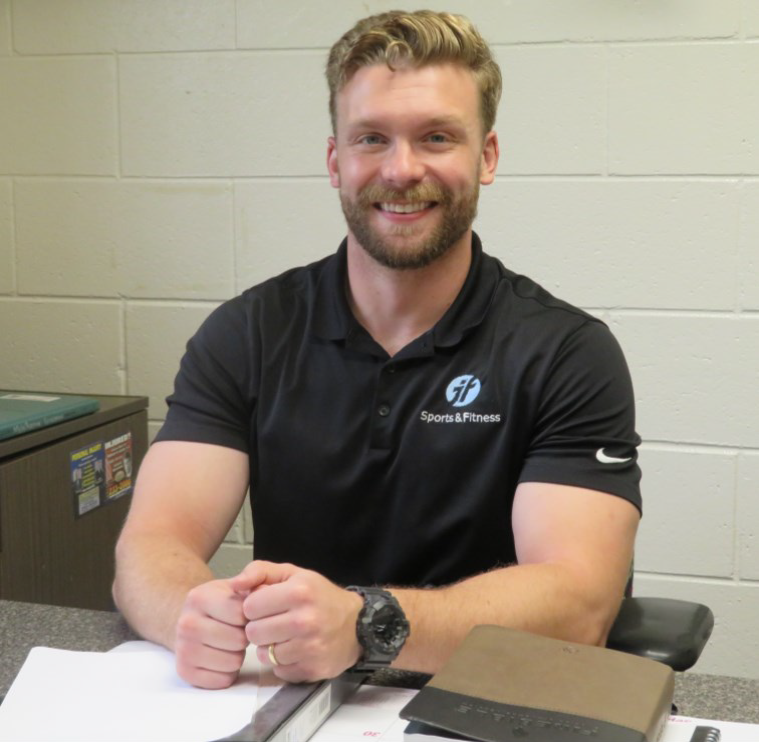
Cole Bullock is a Recreation Specialist at Perry Correctional Institution in Greenville, SC, where he runs creative and athletic programs for inmates. With a background in Bible theology and sports and fitness, he sees his work as a form of ethical service fostering discipline and confidence through healthy expression.
About
Cole Bullock didn’t grow up imagining he’d work in a prison, but today he finds deep purpose designing and running recreation and hobby-craft programs for inmates at Perry Correctional Institution in Greenville, SC. A double major in Bible theology and sports and fitness, Bullock says his degree helped him understand why the work matters but not what it would feel like.
He works with long-term, often violent offenders, and believes that structured recreation especially creativity and physical fitness leads to better security, better behavior, and even better mental health. “I’m creating confident individuals that exert their energy in a healthy way.” New employees are often stunned by the quality of the art they see inmates produce art that’s photorealistic and precise. “It looks machine-made.”
“Try to get as many different kinds of experiences as possible. I think a wealth of experiences is really valuable.”
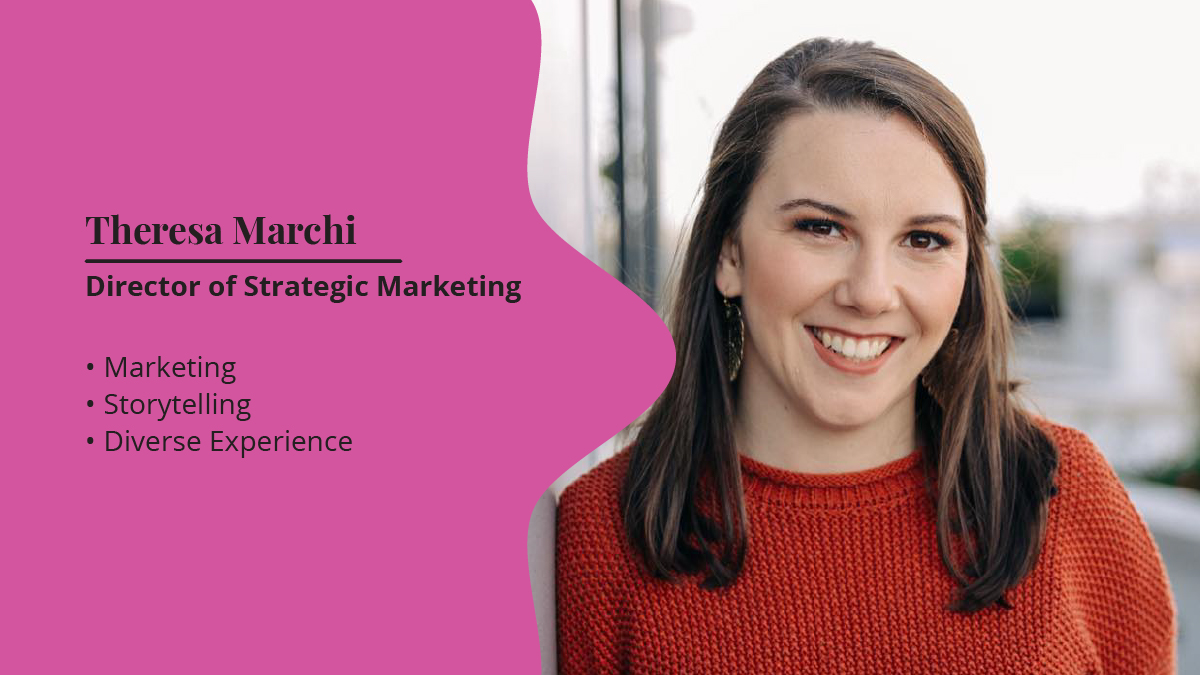
Theresa Marchi was the Director of Strategic Marketing at the charity United Way of Greenville County. She takes a holistic approach to marketing, working to engage the community in different ways.
About
“When I was growing up and realizing I sucked at biology, I was just like, ‘What am I going to do with my life? I want to make something matter… I want to have a purpose, and I’m good at art,’” Theresa Marchi says. Now, as the Director of Strategic Marketing at United Way in Greenville, she’s found a way to use her artistic skills to help her community. Marchi graduated from Coastal Carolina University in 2017 with a degree in graphic design. She worked at an ad agency in Myrtle Beach and went from there to a company in Greenville that designed college athletic spaces. “At the time, that was my dream job,” she says, describing how enthusiastic she was about integrating brands into physical spaces. Her experience designing a museum exhibit with The Athenaeum Press, the student-driven publishing lab at Coastal, helped her get the job. “They saw that on my resume, and they were like, ‘You already have some of these skills that a lot of students don’t,’” she says. She went from there to United Way to try to help her community.
Marchi started as a graphic designer, but her current role involves planning out her whole year. She collects data about what marketing approaches are reaching donors and community members, and which ones aren’t. “A lot of the time we see that there’s a very high alignment that community members have with our work, they just don’t know it. They just don’t know what we do,” Marchi says. “So part of my role is really figuring out what’s the best avenue to reach them.” She says that marketing for a nonprofit is more difficult than marketing a product or service. “What we’re selling is not tangible,” she says. “So, it’s really laying into the storytelling, the impact, the strategy of how we’re doing this work that is most important in this space.” She says that seeing successful community events is the most rewarding part of her job. “The lives that are changed and the other resources that they’re connected to, that has been really special and really fulfilling.”
Marchi recommends that students who are interested in her role should diversify their educational and work experiences. “I think a wealth of experiences is really valuable,” she says, and describes that working in customer service helped her learn the lingo necessary for successful marketing. She says that the connections she made by being an active volunteer with the Rotary Club helped her get further than she would have otherwise. She also tells students to be curious. “It sounds overused, but I think curiosity, trying to understand why we’re doing these things that we’re doing, how is it going to further the mission, that is something that is really hard to find in others,” she says. “If you really want to be a standout, for me it’s that attitude.”
“Stay true to your creative path—there are remarkable opportunities waiting for those who persevere.”
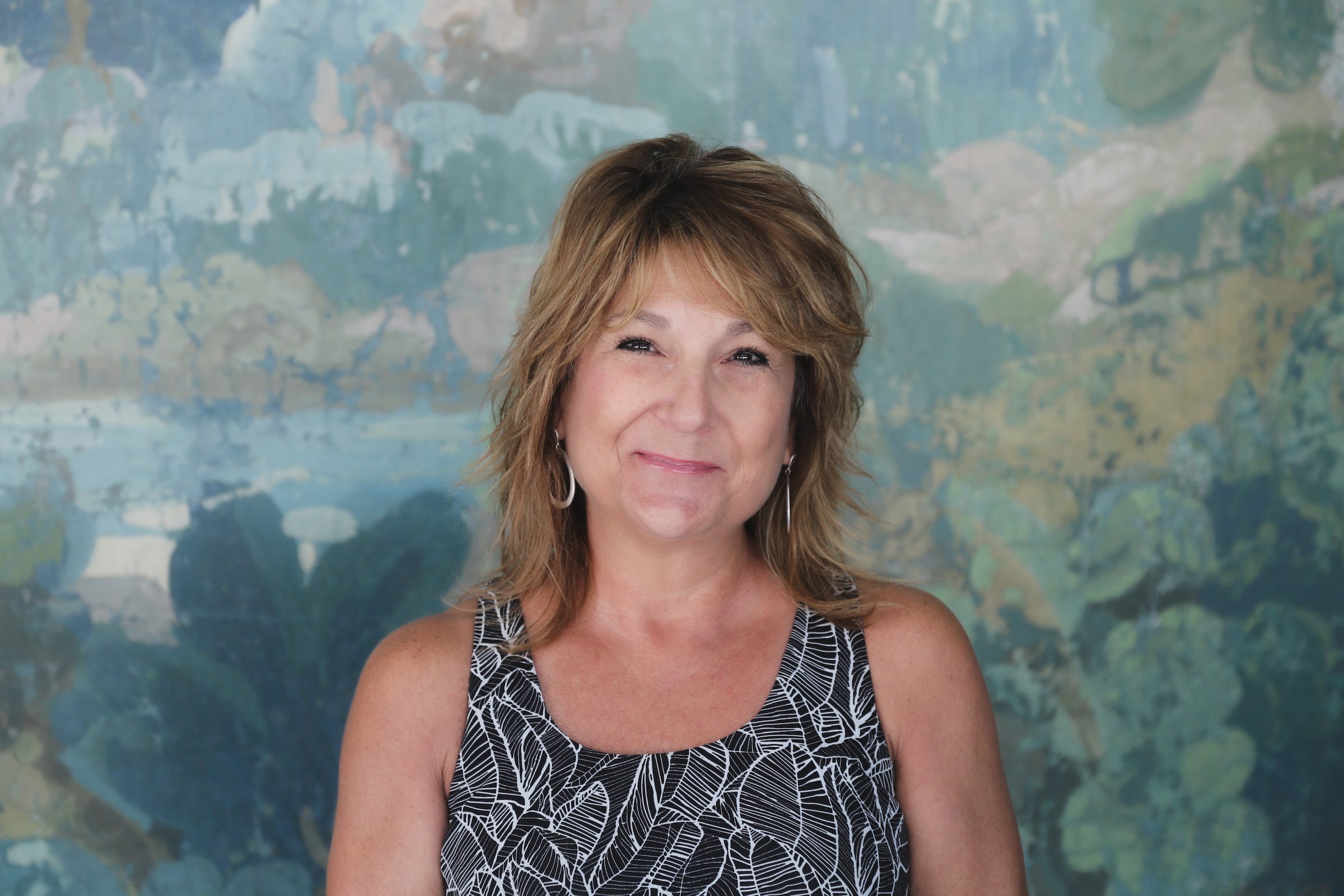
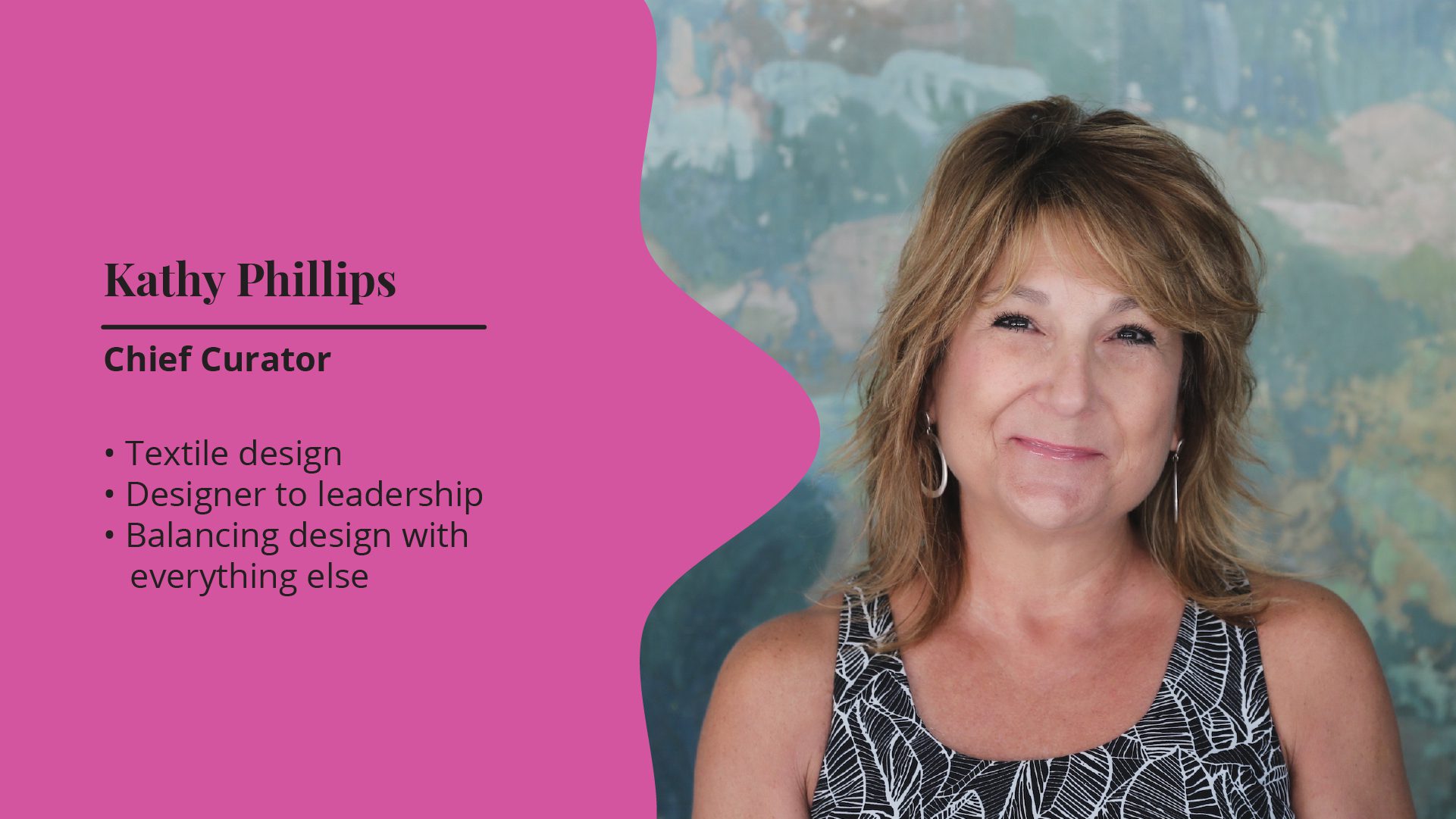
Kathy Phillips is the Chief Curator at Baxter Mill Archive. She holds an MFA in Theatre Design with a concentration in costumes.
About
Kathy Phillips is an accomplished Creative Director, Chief Curator, and textile expert with over 25 years of experience in the home, apparel, and quilting/craft industries. Currently serving as the Chief Curator at Springs Creative’s Baxter Mill Archives, Kathy leads the creative development of a vast collection of over 1 million antique documents, textiles, hand-painted artwork, and rare European textile books.
Throughout her career, Kathy has worked with esteemed home furnishing companies, curating artwork and inspiration that reflect evolving consumer trends and uphold brand integrity. She has successfully directed high-profile brand launches, including the Springmaid rebrand in collaboration with Target and Genevieve Gorder, and has expanded product lines at JLA Home, overseeing collections for prominent brands like Natori and Woolrich.
A passionate educator, Kathy has taught textile design at Winthrop University and the Art Institute of Charlotte and holds creative workshops for local fabric stores and quilt guilds. She holds an MFA in Theatre Design, with a concentration in costumes, from the University of Connecticut. With a keen eye for design and a commitment to preserving and advancing textile arts, Kathy continues to shape the industry through innovative brand strategies and creative vision.
“I sold everything, packed my dogs, and moved to Charleston because I refused to let fear of the unknown stop me. I had to stay creative and find a way to help my community at the same time.”
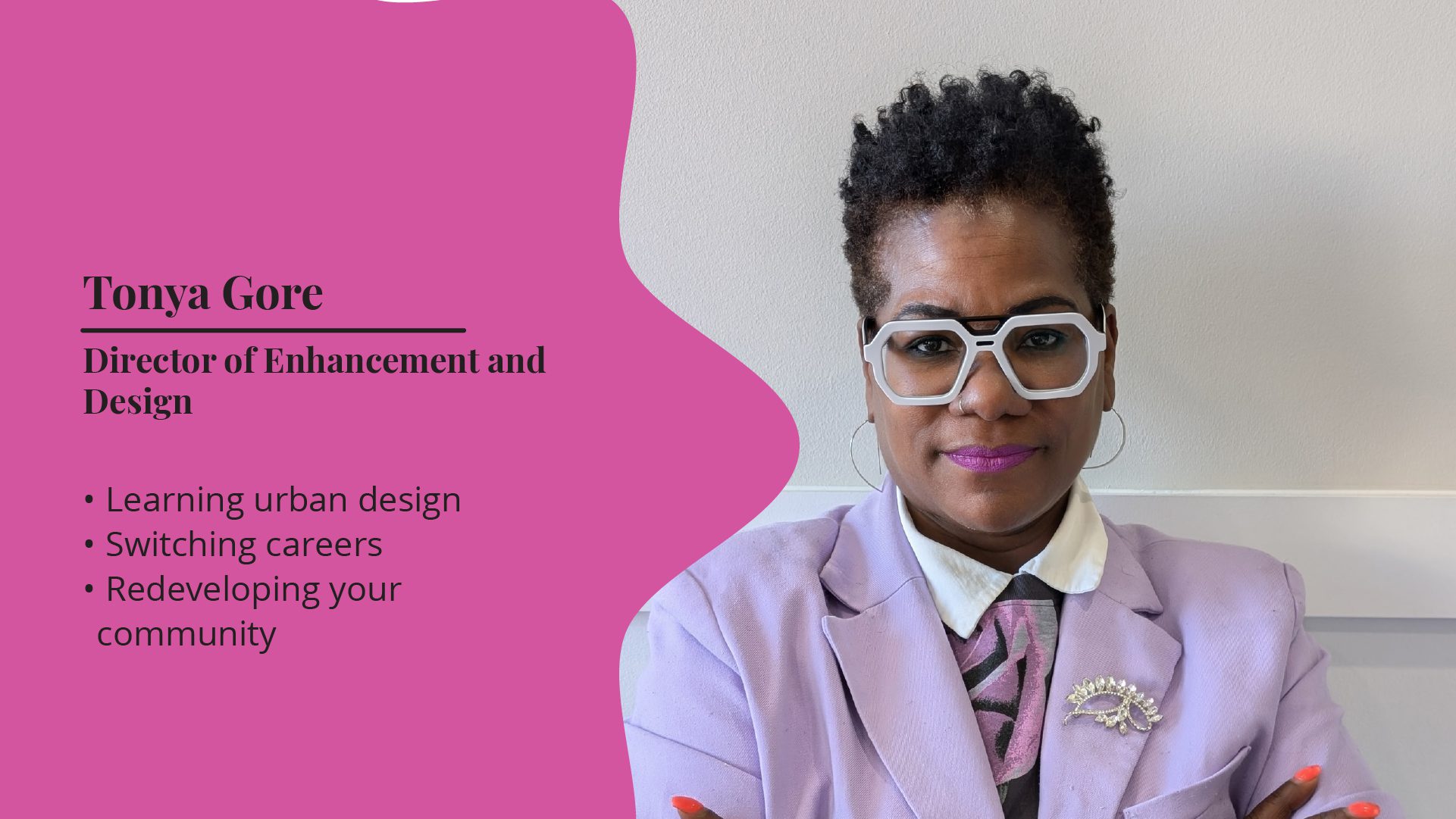
Tonya Gore, Director of Enhancement and Design, Myrtle Beach Downtown Alliance. From artist to urban designer: Tonya Gore’s journey is a masterclass in resilience, reinvention, and rootedness. After a devastating flood hit her hometown, Tonya left behind a two-decade career in graphic design to pursue a new path in Resilient Urban Design. Now serving as Director of Enhancement and Design at the Myrtle Beach Downtown Alliance, she fuses her artistic background with a deep commitment to community-building, proving that creativity can shape not just art, but entire cities.
Interview
Transcript
Tonya Gore 0:00
My name is Tonya Gore. I was born and raised in Myrtle Beach, South Carolina.
Sara Sobota 0:04
Okay, great. And who do you work for? And from where?
Tonya Gore 0:08
I have worked for Myrtle Beach Downtown Alliance, located in Downtown Myrtle Beach, South Carolina.
Sara Sobota 0:13
Okay, and how long have you been working there? And what is your official job title?
Tonya Gore 0:18
Almost two years. And my official job title is Director of Enhancement and Design.
Sara Sobota 0:24
Okay. How did you end up in this field? And how did you hear about it? Long story, I guess.
Tonya Gore 0:30
It’s a long story because my creative field actually started after I left Coastal Carolina University. And I did an internship, I do not know if you knew this, Sara, but my degree is actually in fine arts.
Sara Sobota 0:46
Oh, I didn’t know that.
Tonya Gore 0:47
So, I went to Coastal, graduated in 2000, in Fine Art. And the program just sorts of introduced graphic design to the program. They had one computer lab, and Max just started.
And so, it was suggested that we go and get internships if we want to make a career out of graphics. So, I found an internship with a local, local small advertising agency working on the beach ball class.
Sara Sobota 1:12
I did not know any of that, that is awesome.
Tonya Gore 1:15
That is so mild in the fine artists, I just have not done a lot of fine art. A lot of my background that I have done, or fine art pieces with some watercolor and some oils. So, their position is all throughout my family’s house. I worked at the fish that did an internship, I finished that she hired me full time. I stayed there for a few years.
So, my full career for almost 20 years was in graphic design. And I simultaneously I worked as a adjunct in digital arts at Horry Georgetown.
Sara Sobota 1:49
Oh, I didn’t know that either.
Tonya Gore 1:50
I did that for almost 10 years, like eight years, to be exact. And I also worked in the community a lot. I wanted to find a career that can work because I’ve always wanted to stay creative. I’ve always said I would never get out of a creative field. I wanted to do something that had some creativity in it.
So, I did soul searching, I wanted to do something with the community that combined my creative field as well. And I found the program and went back to school, to Clemson in the master’s program for urban design degree.
Sara Sobota 2:20
Okay.
Tonya Gore 2:21
So, it’s a Resilient Urban Design degree because of my family, my family’s from Nichols, and my mom’s family from Nichols, South Carolina. And a few years ago, Nichols was one of the areas that went through a 100-year flood. And my family lost everything. And then two years later, the same thing happened. I had an eighty-something-year-old aunt that lost everything that could not be rebuilt. She was too old, she, you know, and it was the most devastating thing to me.
So, I said, well, let me see what I can do, still wanting to be creative, but also wanting to go back into the community as well. So, I found out what had happened. So, Clemson just started a program called Resilient Urban Resilience and Urban Design that focuses on being resilient communities. And I did that, I quit all my jobs, almost 20 years.
Sara Sobota 3:10
Wow.
Tonya Gore 3:11
And I went back to college to do this, again, still wanting to stay creative, because I knew I could not do anything that is not creative, because that will drive me crazy. And I did that. finish that up. It was a yearlong accelerated program for one year. And I found my first job designing streets urban design or for an engineering firm.
Sara Sobota 3:34
Okay.
Tonya Gore 3:35
So, while I was there, I used to attend an institute they had every once a month, they had a coffee with ULI [Urban Land Institute], and they did speakers, and the President of the ULI was Amy Barrett.
Sara Sobota 3:51
Okay, I’m sorry. Well, ULI is urban…
Tonya Gore 3:53
Urban Land Institute.
Sara Sobota 3:54
Land Institute, okay.
Tonya Gore 3:54
Urban Land Institute.
Sara Sobota 3:57
And that was here, or was that in Clemson?
Tonya Gore 3:58
It was in Charleston when I was in school.
Sara Sobota 4:01
Okay.
Tonya Gore 4:01
It was in Charleston and Amy was the, Amy was the president. So, one of my classmates’ texts, and she texts all of us and let us know that Amy took a job with Myrtle Beach, downtown Lyons. And she knew I was local. She knows I have my creative career. And she also knew I had my design background. So, she offered me a job here to combine them all. So that’s how I get with the title and with this job is a long circle, but it is full circle,
Sara Sobota 4:32
Wow, and so many accomplishments along the way, and so many ways. Yeah, that’s amazing. Now, the resiliency in urban design, I thought you said it was Clemson, but it was in Charleston?
Tonya Gore 4:46
Charleston, Clemson has a study of full remotes, what do you call it, a remote branch or class, and most branches. It is on East Bay Street, and it’s at the cigar factory. The full Second floor to Cigar Factory is three different programs as architecture, they have a choice to go to Charleston or go to Italy, the historical preservation. They are for two years, and the Urban Design Program share the second floor at the cigar factory floor Clemson. Okay. And it is a one-year program. So, that’s how I ended up in a job.
Sara Sobota 5:23
That’s amazing. Okay, great. The next question is, what background did you have that helped you land that role? I think you kind of walked through that a little bit, right? Yeah. Motivation and your background? Can you walk us through a typical workday? Is there one?
Tonya Gore 5:41
Okay, we sit all over the place with this because right now, if I had my interns on a Monday, my interns come in. Okay, it’s three interns, digital arts, and we are. My project is the brand in the wayfinding element for downtown. Okay, so we start at nine, I meet with them, we go over their previous week’s work to make sure they are on the path of what I’m asking them to do.
Sara Sobota 6:08
Yeah.
Tonya Gore 6:08
And that’s until 10 o’clock, we have staff, from 10 to 11:30. Most of the time, our staff through our weekly projects, we have one on at about 11:30, then I go make sure the interns, okay, and I start, you know, what’s the easiest first, sorry, because I do plan events as well. So, right now we’re planning all of our events for Nights of Nance. So, I had to get all the bands lined up there.
And then when I finished that, then I’ll go back to my pendant and wayfinding and make sure that I give them something to do, or make sure all my input meeting and they need Pantone colors, and making sure their Pantone colors is exactly correct what they need to use it. When they send in vows.
I double check and make sure all their files, because I work in Adobe programs, make sure their files are situated. Then, once I finish that, I’ll go check and see if any of the businesses, like a couple of businesses, have an event this weekend. There is a Pride event this weekend. I’m making sure he’s okay. He has all of his elements to make sure. Then I finished that. Now, I’m working on a schedule because we’re going to activate the space in the pocket park.
So, I want to make sure you know we have to have a schedule for the whole year, in trying to come up with ideas for the whole year. So today, I was researching other people’s websites to see some ideas. So far, we went to yoga and went to a farmers’ market. One, trying to get Jason about our bench, but it’s not. We wanted it with Bistro lights, so, two functions. So, and now today, we had to walk from downtown.
Sara Sobota 5:42
Okay.
Tonya Gore 5:58
So, that usually stops around 5:00 or 5:30. But I normally do not finish all my lifts throughout the day. As long as I’m finished, because I go back and forth doing multiple things and things like that.
Sara Sobota 8:05
Yeah. Well, let’s talk. A big picture of your job. You are ah, I mean you are in a way of building. You are building a city. I mean, you are crafting. It is kind of an upgrade, but not really. I mean, your kind of building from the ground up. Right?
Tonya Gore 8:23
Right, right, right. I, I call it my, my version of it, is an empty canvas.
Sara Sobota 8:23
Okay, yeah.
Tonya Gore 8:31
That is what I may have done when I first started out, so we had an empty canvas to play with. Just, I don’t because I am in such a love of historical buildings. I don’t like tearing down, I like building on what you have already.
Sara Sobota 8:45
Tell me, just in your words, although I know the mission statement of MBDA, what is it? What is it doing?
Tonya Gore 8:51
From my perspective or just…
Sara Sobota 8:51
The whole organization, the whole organization.
Tonya Gore 8:52
We’re pretty much a place management organization.
Sara Sobota 8:59
Okay.
Tonya Gore 8:59
So, our task is to help with redevelopment, partnering with the city of Myrtle Beach redevelopment, activate spaces, bring people downtown, host events, sponsoring events, make sure people are coming downtown, and to help it revitalize, to make it a walkable community for all.
Sara Sobota 9:17
Okay, okay, awesome. Can you describe a defining moment in your creative journey? Could it be a project that made an impact on you or something you produced? You know, in my opinion, it could even be a decision you made but a defining moment in your creative journey.
Tonya Gore 9:35
The entire time?
Sara Sobota 9:36
You’re defining yourself.
Tonya Gore 9:37
I think, my defining moment is when, I was talking about with my family, the impact and the impact that had on my family and my community because of Vietnam. I was born and raised here. Let me think of a specific one outside of the flood. It was 2017, or something like that. Yeah, I think that is what was close to the research on that with that.
Sara Sobota 9:59
Was it Mathew?
Tonya Gore 10:01
I’m not sure, probably, it was two back-to-back.
Sara Sobota 10:01
Yep, yep.
Tonya Gore 10:04
Matthew, maybe Floyd, Matthew, maybe Floyd, back-to-back. It’s two years apart.
Sara Sobota 10:08
Okay.
Tonya Gore 10:09
Let me think, what was the defining moment in my career? That made me think about my career in a different way? or just…
Sara Sobota 10:18
Or that when you, when you produced it, you went, wow, look at what I can do.
Tonya Gore 10:22
Let me think. My last job, I did a lot of mentoring for cities.
Sara Sobota 10:22
Okay.
Tonya Gore 10:29
For a street, that, when it’s revitalized, the street with it was more of a street design, not buildings. So, add bike lanes, to add types of parking, some medians, some roundabouts, and you will take a picture of the street the way it is. And then I would add all the elements to the street, and sometimes even now when I look back, I’m like, Whoa, wow. Like, who did this? I amazed myself with that, because I took something that didn’t look like anything.
And I produce something that looks, you know, a rendering that people can associate with how they want the community to vote. So, I hope to take that skill and pass it on to what I’m doing now. Where I am working with that.
Sara Sobota 11:20
Yeah, that makes a lot of sense. And when you know about your job, you can go see what you’ve done. I mean, it’s their people who use it. Oh, that’s amazing.
Tonya Gore 11:30
Yeah, yeah.
Sara Sobota 11:32
Was it challenging for you to find this career path? Or what are some challenges that you faced, or even every day, your challenges now, whatever.
Tonya Gore 11:40
What challenge made me stop 20 years of graphic design that, when I was teaching, I saw a lot of talented young artists coming through, and I realized that they are also there, the market value for them increased. Even though I had more experience, I did not keep up with my, my skill, my craft. Meaning they knew how to write programs; they kept up with developing websites. And I did not keep up with that element.
So, that was a real challenge for me. Because I felt like, okay, if I want to be more marketable, the kids coming out of high school know a little bit more than I do right now. So, I need to think about, that was the hardest challenge about my career, that I’ve still found, I don’t find it as challenging now, as I did then.
So that was another reason why I felt like I needed to gain more just saying, and, again, every time I say I’m utilizing this to go back into my community as well.
Sara Sobota 11:40
Yeah.
Tonya Gore 12:15
So, so that was a challenge, that was like an eye-opening experience for me because, younger generation is so much more technically advanced than I was.
Sara Sobota 13:03
Yeah, yep. I think a lot of people agree with that. Can you recommend any specific skills that an aspiring applicant should have to increase their chances of landing a role in your field? Specific skills.
Tonya Gore 13:18
Specific skill in my career, when I’m doing now. It helps that I have graphic skills, but I think my knowledge base might be a little bit more valuable than my…. The skill is valuable, but it also could be taught. Knowledge from my experience over the years cannot be taught. So, I think that when you enter a career, value those around you will have the experience.
Sara Sobota 13:48
That’s smart. That’s absolutely true. Yeah. Okay. Great. Are there any local organizations programs or events that you recommend for aspiring creatives?
Tonya Gore 14:00
Art is so subjective when it comes to creating, so I don’t think that there’s any kind of like event or any kind of like program that, that can teach you that because, I don’t feel like art can be bad, because it’s subjective, but I would I would if I had to think of a skill that you would learn, I think technology is changing so much that it will be in your best interests if you took some classes to enhance your skill level.
Tonya Gore 14:29
Rather it be the Adobe programs, or if you want it to because this career, finding that, you know, when I was doing my, not graphics, but doing my urban design portion, my graphics laid so heavily, but I also gained knowledge in more skills as well like architectural skills far as AutoCAD, 3D programs.
So I would think that if you had to learn, I would brush up on this skill level when it comes to technology and take as many classes, or go to any seminars or any type of podcast that you can, to brush up on that and stay up to date with it. I never let my; even though I don’t technically, I’m not technically a graphic designer anymore.
I always keep my skills up to date. I have never gotten rid of my programs. I always kept my programs and stayed in them. I made sure I brought laptops that I could use to program because I’m from the old school generation, but my father taught me if you always have a skill, you’ll always have a job. So, I kept my skills, and I always kept my skills up.
Sara Sobota 15:37
Yeah, and that is important and hard right now, I think.
Okay, do you have advice for current college students or pre-professional young adults who are pursuing a career in the creative world?
Tonya Gore 15:51
You don’t know everything. Just because you have an education does not mean you know everything. You do not know everything. Sometimes, people who do not hold a career, the degree, have more knowledge than you do. Listen, willing to learn and be patient. It will come.
“Try to get as many different kinds of experiences as possible. I think a wealth of experiences is really valuable.”
Theresa Marchi was the Director of Strategic Marketing at the charity United Way of Greenville County. She takes a holistic approach to marketing, working to engage the community in different ways.
Interview
Transcript
Theresa Marchi My name is Theresa Marchi, originally from Connecticut.
Emma Plutnicki Perfect. And can you tell us what you do for work, and where you’re currently working from?
Theresa Marchi Yeah, I am the Director of Strategic Marketing here at United Way of Greenville County. So located in the upstate of South Carolina, Greenville.
Emma Plutnicki Perfect! How long have you been working there?
Theresa Marchi Yeah. I’ve been here two years.
Emma Plutnicki Okay. And your official job title is…
Theresa Marchi Director of Strategic Marketing.
Emma Plutnicki Perfect. Well, how did you end up in the job that you have today?
Theresa Marchi
Yeah, so I got my degree from Coastal [Carolina University] in graphic design, in 2017. And then from there, I had been working at an ad agency in Myrtle Beach, which was a fantastic opportunity. But at the time, my dream job was to create college athletic spaces. And there was a company in Greenville, South Carolina that was doing that, and I was just obsessed. And so at the time, that was my dream job. And I wanted to go into that field, because it kind of blew my mind that there are designers that design beyond this flat surface of logos and videography and pieces like that, elements of advertising like that. And they really are almost like engineers and architects where they design a whole facility, and they help tell a brand’s story, an athletic’s story about what makes their space special, and why athletes should be part of their program and the history and the legacy that they get to be a part of. And so that was really intriguing to me, that kind of storytelling.
Theresa Marchi
And I had moved up to Greenville to accept a role there as a designer and learned a lot. What helped me at the time was, the Athenaeum Press program at Coastal Carolina had, I had been part of helping develop a museum exhibit. And so this company in Greenville, they’re called Jack Porter, they saw that on my resume, and they were like, “you already have, like some of these skills that a lot of students don’t.” So that really helped me start thinking about design differently and storytelling, a lot different than, I think, a lot of other designers at the time. And from there, I just got really interested in marketing as a whole, how we’re telling stories and this holistic piece of the journey that people learn about a brand and get engaged in it. And so I had an opportunity to work at United Way of Greenville County, I started as a graphic designer here, and just asked a lot of questions, and then kind of seeing that potential and that, like, quality in me, and poking holes in things and trying to understand and build something really meaningful and intentional with our community, they asked me to take this role, which is, takes a holistic approach to that to our marketing efforts. And we just figure out how to engage the community in different ways. So kind of how I got to this role.
Emma Plutnicki
Nice, amazing. So nowadays, what do your day to days look like? What are you responsible for? And what are you working on?
Theresa Marchi
Yeah, so, day to day looks a lot different than it did when I first started. So as a designer, I used to be in the art aspect of things and making sure that the art pieces kind of resonate and tell the story that way. And now my role is a lot more different, and it’s a lot more planning, and it’s fighting for the whole year of all of these touchpoints that we’re going to have with community members, special segments, doing a lot of data interpretation. So collecting all the data, what’s reaching our donors, what’s, what’s not, what’s reaching our community, what’s not. Figuring out what’s working, a lot of A/B testing, and just trying to figure out the best messaging positioning for different groups to try to engage them in the work. And a lot of the times we see that there’s a very high alignment that community members have with our work, they just don’t know it, they just don’t know we do. And so part of my role is really figuring out what’s the best avenue to reach them, and to get them plugged into our work.
Emma Plutnicki
Nice, that’s awesome. So you mentioned the project at the Atheneum Press. And is there any other like defining moment in your journey so far, whether it’s at your job now, or just a project that you’ve worked on, that kind of sticks with you as something like meaningful to you?
Theresa Marchi
Yeah, I think there are a lot. I work in a nonprofit space. And so, truly, what’s been special is seeing pieces come to life and see– it sounds cheesy, but the lives that are being changed because of it. So one of the projects that we have here at United Way is this event called School Tools. And it’s hundreds of people lined up starting at four in the morning, and they will line up and get a backpack full of school supplies. And it’s not just school supplies that are just from all over the place. We work with Greenville County schools to make sure that these backpacks are full of items that the students are actually going to need. They’re organized by elementary school, high school, middle school and families who come and get backpacks they need. And I think you know, there are a lot of really great pieces of my job, but the moments where I get to go to School Tools and see the work really play out and people that have been waiting there since 4am to get a backpack and the lives that are changed and the other resources that they’re connected to, that has been really special and really fulfilling in my work. Because when I was growing up and realizing I sucked at biology, I just was like, “What am I going to do with my life? I want to make something matter in our community, in this world, I want to have a purpose. And I’m good at art. And so, how does that translate into the work?” And I think I’ve really found that here working in the nonprofit space and using the skills that I do have to help change lives. So that’s been really special to me.
Emma Plutnicki
Amazing. So working in the nonprofit, is it challenging? Like, what challenges do you face that you might not see in other areas?
Theresa Marchi
Yeah, I think what’s so challenging being in marketing in a nonprofit space, compared to the for-profit, is usually there’s a product in the for-profit. You are selling, you know, a better experience or something. And in the nonprofit space, what we’re selling is not tangible. So it’s really laying into the storytelling, the impact, the strategy of how we’re doing this work that is most important in this space. Whereas with the for-profit side, you can use a lot of different marketing tactics to sell a product, and its physical, and someone’s going to get it. And then the other side of it in the nonprofit space is, it’s just a lot more complex, and trying to find these allies and cheerleaders for your work, and really figure out how to engage them, it just really feels like a completely different ballgame. You use different kinds of tools. Some things are very similar from a marketing perspective, but I think it’s, to me a lot more challenging, in a good way.
Emma Plutnicki
Yeah, that makes sense. So you also mentioned that one reason that kind of helped you in the job process was having that real world experience. Are there any other skills that an applicant should have that would increase their chances of getting a job in a field similar to yours?
Theresa Marchi
Yeah, I think, you know, in the marketing field, one of the skills, traits, that I find most valuable, especially where I’m at in my career is curiosity. And it sounds, I think, overused, but truly, when you’re in marketing, I really feel that everything needs to have a reason, especially in the nonprofit space, when you’re having to utilize resources very intentionally, I think curiosity, trying to understand why we’re doing these things that we’re doing, how is it going to further the mission, what is that experience that people are going to get when they interact with our brand, with our work? That is something that is really hard to find in others, in candidates? And if you really want to be a standout, for me, it’s it’s that attitude, that, you know, always striving for more. Asking questions. And I think as you get into adulthood, and the space is is different from college, it’s not as like, safe, still keeping curious. And asking the questions and trying to make the work better, is really something that I second guessed a lot early in my career that I just at this point, I just am who I am. I’m going to ask the questions. And that’s how I think you can make the most difference in your your work.
Emma Plutnicki
Yeah, perfect. And within South Carolina, have there been any programs or organizations or events that you’ve gone to that have helped like progress your career, either that’s like through making connections, through specific clubs or groups or organizations? Can you think of any events like that?
Theresa Marchi
Yeah, I think there are a lot. So to begin with, rotary was a very pivotal organization that I was involved with in college and transitioned into, you know, my adulthood and real girl career. And that had really helped me network with a lot of people that got me into the rooms where I had a lot more options than I probably normally would have. And I just think taking the leadership opportunities in rotary helped me work through managerial challenges and working with others that kind of helped push my work forward some more. Another one is the association, or American Marketers Association, that one is full of resources and tools that has really helped me and kind of shaped my strategy process and what those materials look like, and the training opportunities. That’s been huge. And then, recently, I’ve started working on my MBA, and that’s kind of furthered a lot of my thinking, as far as marketing goes, and kind of the business end of things. So those are a few areas that have worked really well for me. I’m a big learner. So I’m game for all of it.
Emma Plutnicki
Yeah. Perfect. So just as we wrap up, do you have any advice for people who are trying to get into your field?
Theresa Marchi
Yeah, I think try to get as many different kinds of experiences as possible. I think, you know, one thing that, silly in hindsight, that has actually helped me a lot because it was just a different experience, was I spent the summer working for Chant 411 [the university’s information desk] on campus. And it was an opportunity where I learned all about customer service and, that you don’t use the words “I don’t know” you just kind of use other language to kind of work through it. And I think I use that all the time. And I think about that training and really just kind of diversifying your experience in that way is really helpful. Because then when you step into a situation, especially a work situation, you can see different perspectives and new things that you wouldn’t have brought to the table, had you just solely focused on one thing. So I think a wealth of experiences is really valuable.
Emma Plutnicki
That’s great advice. And is there just anything else you’d like to add about anything?
“Stay true to your creative path—there are remarkable opportunities waiting for those who persevere.”
Kathy Phillips is an accomplished Creative Director, Chief Curator, and textile expert with over 25 years of experience in the home, apparel, and quilting/craft industries. Currently serving as the Chief Curator at Springs Creative’s Baxter Mill Archives, Kathy leads the creative development of a vast collection of over 1 million antique documents, textiles, hand-painted artwork, and rare European textile books.
Interview
Transcript
Kathy Phillips 0:00
Hi, I’m Kathy Phillips. I’m originally from Pittsburgh, Pennsylvania. But I have been down in South Carolina since 1998. So, I am now living in what’s called Indian Land, which is like 20 miles south of Charlotte.
Emma Plutnicki 0:12
Perfect. So, what do you do for work? What is your official job title?
Kathy Phillips 0:16
So, I was thinking about that because I got a couple of jobs going on right now. As you know, in the career field, I think nowadays, you end up having more than one job title. So, I’m actually a Chief Curator. Well, I’m a creative director for the retail side of Springs Creative because we only manufacture fabric for like the big retail shops, like Joann Fabric, Walmart, and Hobby Lobby. And then I’m also the Chief Curator over Baxter Mill Archive. I look over and I can tell you what that’s all about us. But that’s pretty much what you could say Creative Director/ Chief Curator. And then anything else?
Emma Plutnicki 0:56
Yeah, amazing. So, how long have you been doing that or something like that?
Kathy Phillips 1:00
So, I moved down here in ‘98. So, I would say I’ve been, you know, I started off as a textile designer here in South Carolina working for the Springs Creative family, which is one of the largest manufacturing companies, like I said, the textile industry, creating textiles for the home industry. So, I would say, like I would design shower curtains, towels, rugs, tops of beds, bedding, pillows, everything you name it, we created. And then I guess I left for like four years because I went to China when everything went over to China, I had left and went to work for a Chinese company and worked with them for four years. And I designed textiles there. And I was the creative director for them. JLA Home. And I did that for about four years. Then I begged for my job back because working for a Chinese company was really rough. And then I came back here. And so now I’m working with Springs Creative doing the same thing, textile design, and a little bit of everything, but I am kind of done. I mean, I still do textile design. But I do that now on my side, but I’m more of a director now. What, like giving everybody direction on how to start for the product.
Emma Plutnicki 2:08
Yeah, amazing. So how did you end up in this field? How did you know that it was a field that you could enter?
Kathy Phillips 2:15
Yeah, it’s funny because I was born in a creative family. So, my mother was, I guess, what you would call now a maker, creative. Like, think of her as like she was Martha Stewart in her time. She always encouraged me with my artistic ability to pursue something artistic. And, I had a brother who was an architect, my other brothers are fine artists, and my sister is an interior designer. So, we’re all, and my father’s a chef. So, we’re all kind of very creative, but I love to sew. So, I’ve been sewing all my life. And I took all these sewing classes, you know, back in the day when they had [home economics], and so I love fashion, so I was gonna get into fashion design. And when I went to school, I felt like I didn’t fit into the fashion design students. And I wanted something a little bit different. And I found out about costume design and theater.
So, I majored in Costume Design. And I have a Master’s in Costume Design. And so, I worked in Connecticut for about 10 years in that field of designing costumes for, like, Off-Broadway and stage theater in Hartford Stage Company. And so, I worked in that field, and I loved it, absolutely loved it.
And then Casual Corner, which is a fashion company, found me, and they said, it was a job opening for textile design, which I didn’t even know what that was. But what they did was they said, this is a computer; it’s a Wacom tablet, and we’re going to show you how to do textile design on a computer. Because, before that, we were called board artists; we would literally paint and everything textile design. So that’s how I kind of got into textile design. I also did sweater design with them. I think that’s what’s really interesting. I felt like, you know, as a designer, as an artist, once you know that you’re good at it, I guess you can design anything as long as you know what the parameters are, you know, and say okay, this is a sweater, you have to, you know, this is how you have to design for a sweater, this is how you have to design for a shower curtain, you know, certain scales and for a window. And once you know all the, you know, the, I guess the, the rules, you know, you can basically design anything but textile design. I didn’t even know this existed. And it’s funny because a lot of students today I’ll have come in here, a lot of college students, even high school students, they’re artists, they want to be artists, designers, and they didn’t even know textile even existed or surface design. So, they don’t really teach it or you don’t learn a lot about it. And so people just fall into it.
And so a lot of my interns ended up taking this career because I hired a girl who was an illustrator for, you know, who studied to be an illustrator. And then I taught her, you know, the rules of textile design, and now she’s been hired here and she’s been doing textile design. And one of my graphic designers actually does sign designs. He was craving designs for, you know, large signs for corporations, and I was looking for somebody who knew [Adobe] illustrator really well. And so now he is my designer for, like, Marvel, we have those licenses. So, we have Marvel, Disney, Nintendo, you name it, so we design fabrics for that. So again, I taught Nate the rules of learning textile design in Illustrator. And you know, this is Disney, this is what they need. Now he’s a textile designer, you know, so, a lot of people were surprised, like, I didn’t even know this existed.
Emma Plutnicki 5:30
Yeah, that’s cool. So, nowadays, what is your typical day look like? Are you more managing or what? What is typical?
Kathy Phillips 5:38
Every day’s a different day, and that’s what I love about it. It’s not so corporate, you know, I’m still in the corporate world. But every single day is different. Actually, the Baxter network, I’ve opened Chief Curator with that it’s over probably 1 million pieces of antique archives of like from all over the world. And we use it as a library, we invite designers, retailers, like, anthropology, to come here and post things for their art and for their line, you know, whether it’s apparel or home. It’s like kind of just a really big inspiration library. And we’re in the move. We’re in the middle of a move across the street. And so, I’ve been packing, I’ve been organizing, that’s like that part I’m also working with I don’t know if you guys know Fashion Snoops. It’s a trend forecasting company. And so they’ll give me all the trends that they’re working on. And I’ll go into the archives, and I’ll pull things for them for the Trend Report. So I’ve been working on that, like for the last three days in that. And then, on the other side of retail, we have big Hobby Lobby meetings. So, working with the designers there, making sure you know the designs look good and printing out everything that we’re going to present to the Hobby Lobby customers. So yeah, it’s different every day, which I love. Yeah.
Emma Plutnicki 6:48
Keep it exciting.
Kathy Phillips 6:50
Yeah.
Emma Plutnicki 6:51
So, throughout your career, have you had a specific moment or project that you’ve created that kind of resonated with you or had a significant impact on your life? Maybe it’s a design. Maybe it’s a project.
Kathy Phillips 7:04
Oh, a little bit of everything. So there’s, it’s called the Spring Maid. It’s a brand that Springs Creative owns. And the challenge was how to revamp it because it was like 1940’s and was kind of old, you know, and they wanted to kind of revamp it and rebrand it and make it something special. So, I was on a team of three other people. So, I was the creative director. We had salesperson, marketing and merchandising. And the four of us came up with what the plan was to do this. And it was fun because I got to go and photograph all the designs. So, I was overall about designs, and it ended up in Target, and it was just like literally a 24-foot modular, so it was kind of neat, taking my family, my kids and go, Mom did this, you know, and so that was really neat. And it ended up being in Target all, all doors of Targets, so it landed there. So that was that was pretty cool.
And then I guess what ended up happening, was this was all designed down in South Carolina. And then they wanted to move the brand to New York, they were moving everything to New York, because New York designs better than anybody else or something. But anyway, when that happened, Target said, this doesn’t look like what it was because they hired all the new people. And then, it just didn’t go anywhere after that. But so, launching that Spring Maid brand was pretty cool. I really enjoyed that. And I think my other things are, so I do my own fiber art. I designed art quilts, but they’re so like a cow, for instance. And I’ll paint it and then a thread painted on the on the sewing machine. And when I did that, I actually I entered it in a contest; I won first place in the quilt show. So, that was pretty cool. So you know things like that. Modes of accomplishments. But that’s just something I like to do on the side. When I get home at night. I still create and do my own stuff.
Emma Plutnicki 8:48
Yeah, that’s awesome. I love that. And so, you said you moved to South Carolina in 1998, right? So, when you first came, how did you kind of get into the scene? Were there any like events that you went to or organizations that you joined to network and kind of build yourself in the area or anything that you know of today?
Kathy Phillips 9:07
Yeah, well, you know, today, it’s so different in ’98 compared to now because now there’s so much more social media, there’s a lot of things that you can follow and listen to a lot of podcasts and things like that. Back then. I think I was more driven by my career. I kind of like that I just worked a lot like that. That was your way into getting to know people. We traveled to a lot of shows I would go to New York and set up showrooms, and so I think it was just knowing other people in the business, you know, and I only have I had a two-year-old child then, so it wasn’t really I wasn’t able to really get out into the scene. But nowadays, what I do, I definitely follow a lot of things on Instagram I follow. I listened to a lot of podcasts and read a lot of books. And kind of just like I like to say I find my tribe. Uh, you know, I like to look for my tribe and kind of, like, follow groups that are, I mean, at the fiber arts group, and I’m going to knit Quilt Guild a couple of those. And I go to those now all the time and things like that. And I’m always taking classes I still, I just feel like you never stopped learning. I recently… there’s a fiber arts class in Stuart, Florida, Aya Fibers Art Studio. And I’ve tried to take one of those once a year, and I learned shibori dyeing, I’ve learned indigo pruning, I’ve learned surface design, and it just I’m always trying to, like improve my skills. Even at this stage, I just love doing it, you know.
Emma Plutnicki 10:39
Oh, that’s perfect. So, along with continuing to educate yourself and learn new skills. Is there any other skills that you think that you have that really help you in your job? Maybe it’s like organization or creativity, like specific skills that help?
Kathy Phillips 10:53
Yeah, creativity is the number one thing. I think everybody is creative. I think it’s also organization-like; it’s funny because I remember my professor back in grad school, and I didn’t get it then. And I kind of was mad when she said; she had this little accent, she would be she’s Argentina, she goes, Kathy 80%- 20% is design. 80% is everything else. And I’m like, what, you know, I want 100% design. But, when you get into corporate and when you start going out there and making your own career, I realized she was so right, because like 20% is really designed. 80% is marketing. It’s organization; it’s just communication; there’s so much more, and really, 20% is designed.
And then I was listening to podcasts, and they were saying that you know, when you look on online, or like when you look at Instagram, or you see these artists who really, really are not good, but they’re so well known, like how they, how they get there, and when you have a really good artist, but they’re not well-known something like that, but it’s really marketing, and like if, if you have good marketing skills, and you want to become a designer, you want to become an artist, you have to know how to sell yourself. So, I think, and I love marketing, you know, and so I think marketing is a really good skill to have. And I encourage students who are artists to take a marketing course because I think that’s very important for anyone to know because now, I have to market. You know, I have to sell our product to different designers in this Backstream archive, I’m in the middle of trying to market it, and trying to find my customers. And so, I’m trying to figure out unique ways to do Instagram and social media. I’m starting to write blogs, you know, and Chat GPT is my best friend. Yeah, love that person.
Emma Plutnicki 12:38
Amazing. So, just as we wrap up, along with marketing yourself and learning that background, is there any other advice that you can recommend to people who are trying to break into a field like yours?
Kathy Phillips 12:50
Yeah, I feel like it, whether it’s this field or any kind of creative or artistic field, I feel, you know, going through the years, I always hear people’s stories about always, like I would do. I always liked I would go to high school, and they would let me speak in front of the art students. And I said that I’m here to say that you can make a living being an artist and, and successful and I guess some people think success is being famous, or how many likes and all that kind of stuff. But I feel like it’s not really that it’s; I have a really big paycheck, raised a family, and my son’s graduated from Vet school. I mean, I make good money, being through the career that I have as an artist, and I feel that you can be an artist; you have to work very hard at it and be passionate about it. But if you’re passionate, and you’re driven.
I just feel like, like, there’s so many paths of being an artist or designer in the creative field that you do your research and look, you know, especially nowadays, you can look online and read good books, and I have a good book art that we are by Marian Showman. It’s about making your life as an artist, you know, making a living and making a good career, and I just feel like, you know, you just follow your path, and there’s some, there’s good opportunity out there for creative and artistic people. And it’s not just art, you know, you can be a shoe designer, you can be a surface designer, you can create art that’s on any surface, you know, whether it’s like calendars and in, I don’t know, like paper goods and wrapping paper. And that’s all surface design, like anything that has a pattern on it was created by somebody and if you want that field, then I would say no Photoshop and Illustrator and know how to create a repeat, you know, pattern. That’s probably your top thing. You know, you just have a good portfolio to show customers.
And I think, one of the good things to tell somebody is I would be persistent when you if you’re really interested in a company that you want to work for and you kind of send them your resume. You send them your resume, and you talk to them or whatever. Follow up. Be a pain in the butt. Because I, you know, as a creative director, I get so busy, and I’ll forget about somebody, and then all of a sudden they’ll send me an email and then I might have a project going oh, again, well, hey, are you available right now? Can I use you right now? It is about being persistent in front of that person as much as you might think you’re being a pain. I think I love seeing somebody be persistent, because then that tells me that they’re passionate about what they want. I had one girl who couldn’t get a hold of me in my email. So, she just showed up. I mean, she just showed up in my office. And I was like, someone says, so, and so is here, and I’m like, I don’t even know who this girl is, and she goes, I was trying to get in touch with you. And I really love working here. Do you have any kind of internship or something like that? And I was like, oh my god, I’m so impressed that you just showed up, you know? And so anyway, so she comes in every like, now she’s at SCAD (Savannah College of Art and Design). And now, she’ll come on Christmas break and things like that. And help in turn, you know, so? Yeah.
Yeah, and don’t compare yourself to anybody. Just be you. That’s one thing. I think about social media because I like it. I look. Oh, that person is so good. Like, I’ll never be like that. And like, that’s the only downfall I think social media is like you got to just like I tell my kids, you be you. You are you, and that’s all you should worry about. Not worry about whatever anybody else thinks; you just have got to do you and find you. So yeah.
“Focus on what you love, focus on what makes you happy. What makes you wake up in the morning?”
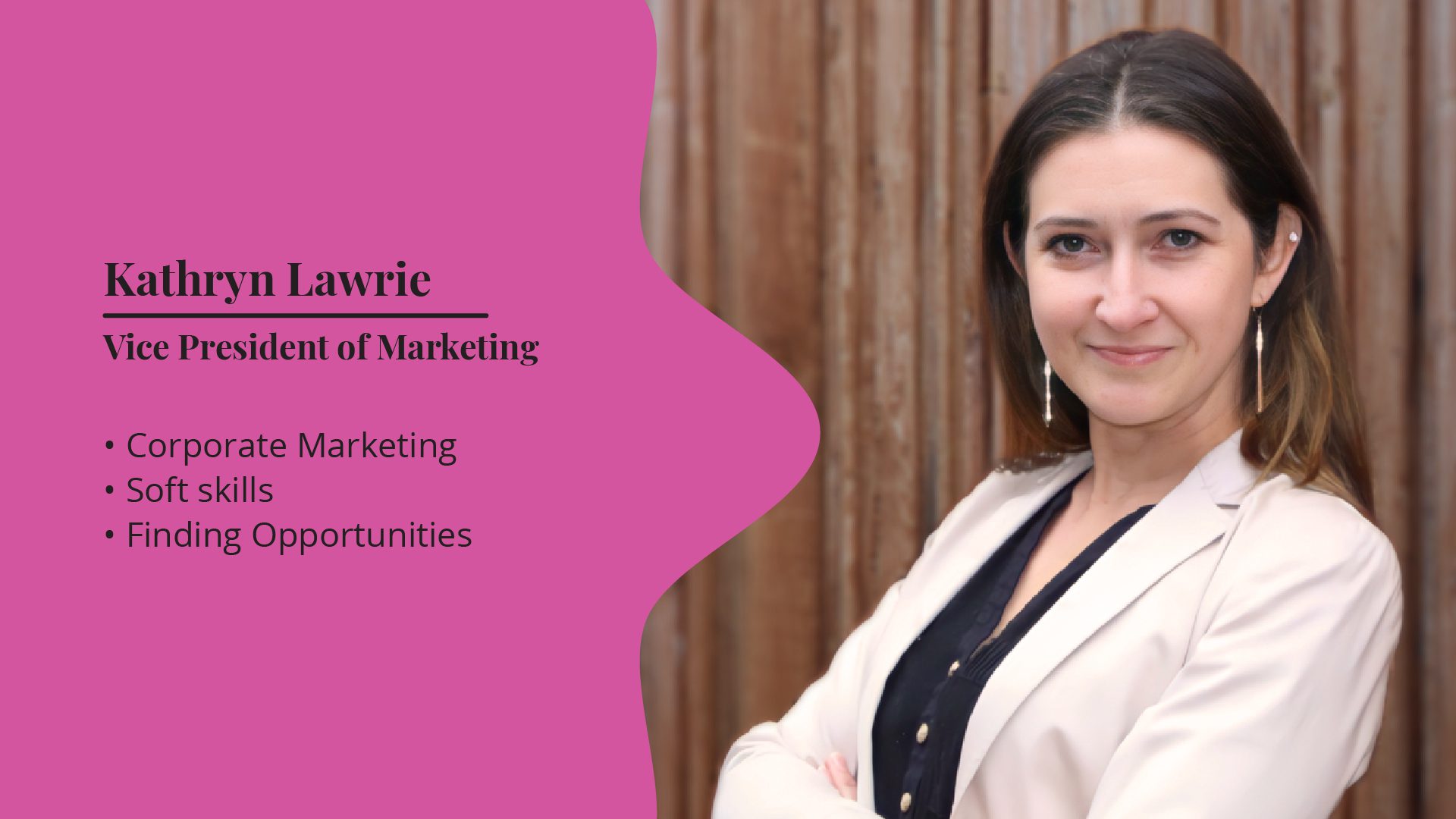
Kathryn Lawrie is the VP of Marketing at Springs Creative, and their newly spun-out company Springs Digital. She focuses on leads and revenue generation and handles corporate marketing and corporate communication for the company.
Interview
Transcript
Kathryn Lawrie
I’m Kathryn Lawrie, and I currently am in Rock Hill, South Carolina, which today is somewhat considered a suburb of Charlotte, North Carolina, and I’m originally from South Carolina. I actually was born and raised in between, well, really, starting in Pawleys Island and then Columbia. And then, I’m a Winthrop University graduate. I moved away from Rock Hill and just happened to be back in my alma mater city, so.
Haley Hansen
That’s really one of the fun things about South Carolina, you ask someone where they’re from and they always have, “here’s where I am now, here’s where I was from originally.”
Kathryn Lawrie
But South Carolina born and raised, I am a Grit and proud of it.
Haley Hansen
Can you please tell me what you do for work and where you are currently working from?
Kathryn Lawrie
Yes. So, I am currently in Rock Hill, South Carolina, I am the VP of Marketing for, really my focus is on leads and revenue generation, but I handle all the corporate marketing, corporate communications and everything for the company as well.
Haley Hansen
And the name of the company is…
Kathryn Lawrie
Springs Creative, Springs Creative. But interestingly enough, we just spun out a separate company. So Springs Creative is a very robust moniker with a very long history in textiles. The Springs name has been around for more than 120 years. And it’s still a family owned and run business. There’s many divisions underneath that Springs Creative moniker, and just recently, we spun out one of those divisions into a totally separate company. So now I’m really kind of straddling two separate companies, if you will, and that includes Springs Creative and Springs Digital. And you could almost talk about one of our divisions, the Baxter Mill Archive Design Center as a separate company as well. So it’s kind of an umbrella of brands, if you will.
Haley Hansen
Yeah, I saw on your guys’s website that you were started in like, the 1800s by Samuel Elliott White, I think it was?
Kathryn Lawrie
Right.
Haley Hansen
I remember reading about him in my history class.
Kathryn Lawrie
Really?
Haley Hansen
Yeah.
Kathryn Lawrie
Very cool. Yeah, we are, we are right here in cotton country on the textile track, no doubt.
Haley Hansen
How long have you been working there?
Kathryn Lawrie
So in one seat or another, one hat or another, about 18 years. I actually started with a different division that was a subsidiary of Springs, it was called Scene Weaver. And it was a textile business, but very, very much based on like, gift and specialty independent accounts. So we sold to, like, 5000 mom and pop shops, like Main Street stores, gift stores and boutiques around the US, and did some private label development for some of the major outdoor companies like Bass Pro Shops and Cabela’s, Gander Mountain and Tractor Supply and those guys. So that’s really where I began my career in textiles, in product development and in marketing. And over the years, that business was slowly consolidated into Springs as the parent company, and then I’ve assumed multiple roles and kind of gone up, down, and sideways across the ladder over those years.
Haley Hansen
How did you end up in that field? You said that was where you started in textiles, how did you get there?
Kathryn Lawrie
So that’s an interesting story. I actually studied art at Winthrop. And I had a double minor in art history and psychology, I was very interested in pursuing a career in art therapy during the time that I was in school. But when I got out of college with that student loan debt, it was quickly time to go to work. So when I moved away from Rock Hill I went back to Columbia, and was kind of working some different jobs here and there, I was in a jewelry business for quite a while, which I really loved because I loved the customer interaction of just, you know, being customer facing. But there was also a full time jeweler at this particular retailer, and so I was really able to learn a lot from him and bring some of my skills from college to that opportunity.
Kathryn Lawrie
I realized that I liked working with my hands and liked that creative practice and almost wanted to sit in the jeweler seat more than I wanted to be on the sales floor. So I just decided that I wasn’t really using my degree to its full potential and that there was something else out there for me and I walked away from the jewelry job. And, to be quite honest, for a couple of months there I was walking around town handing out my resume to every art gallery and museum and graphic design contact that I could make and basically saying, “I have a degree in unemployment. Can you help me?” Because I wasn’t sure where I was going next. And I wasn’t sure what my niche was really going to be. And I just happened to meet a fabulous graphic designer who was running her own studio and she said “well I don’t need any help right now, but I’ve actually got someone that I’m doing some work for who may be interested.”
Kathryn Lawrie
And that’s how I got connected at Scene Weaver, I started in the graphics department and was really focused on the metadata and tagging of all of the graphics files, and how to resize and rescale things and just maintaining that graphics archive. And slowly but but surely, I got more involved and ingrained and like the graphics aspect of it. And that kind of came to developing logos and branding and packaging. And along the way, I really honed my skills in Adobe Photoshop and the Adobe Suite. And yeah, that just kind of like, set the trajectory for my career. So I mentioned I’ve kind of climbed the ladder, the old American Dream way, and just started in product development. But then that evolved into this packaging and more of a marketing role. And then I established a marketing department for that small company. And that gave me the experience of building e-commerce websites, both B2B and D2C, and then what those marketing strategies looked like, and with my hands still on the pulse of product and product development, I was able to take multiple trips to China and visit factories, and it’s been a very lucrative and fulfilling career for me. And I never knew this was where I would be, nor that it would bring me back to Rock Hill, South Carolina, but I couldn’t be happier to be here.
Haley Hansen
It sounds like a really good mix of the customer facing stuff and the hands-on art stuff you said you enjoyed.
Kathryn Lawrie
Absolutely, absolutely. I found my happy balance.
Haley Hansen
That’s awesome. What was the biggest adjustment or challenge that you faced in starting your current role?
Kathryn Lawrie
Current role, like present day, I would say it’s probably just the, you know, as I described this company earlier, it’s somewhat segmented. I don’t really want to say fragmented, but definitely segmented. And so there’s a lot for me to, there’s a lot going on in the company, for me to really keep my hand on the pulse and make sure that, you know, as my role in Shared Services, that I am connecting the dots between the divisions and keeping everyone engaged in communication and keeping our communication flowing to all of those respective teams, versus having these very siloed departments. So I would say that that’s probably my greatest opportunity in the seat I’m in today.
Haley Hansen
Making sure no one’s wandering off on their own.
Kathryn Lawrie
That’s right.
Haley Hansen
Can you please walk me through, like, your typical workday? Like what you did yesterday, maybe?
Kathryn Lawrie
I don’t know if I even remember what I did yesterday! I think half of my to do list from yesterday moved over to today. So it’s been one of those weeks. Let’s see, this week, we have been focused on relaunching our websites. So if you went to springscreative.com, you should definitely check out springs-digital.com.
Haley Hansen
That was the one that you emailed us?
Kathryn Lawrie
Yes, I think so.
Haley Hansen
Yeah, I checked that.
Kathryn Lawrie
We just launched that one last week, just in time for really follow up to High Point Market and our team going to the Interwoven Market, which they just returned from today. And then simultaneously, been running kind of parallel path, have had a team in the digital division working on that website build. And we also have a team working on the Springs Creative rebuild, because now that Digital is a separate company, we’re really able to clean up and get much more intentional about our communications and messaging on each one of those platforms. So that has been the bulk of my work this week, I would say. It was just working with my content development teams, building our go to market strategy, working with the other stakeholders in the company, in terms of what content and call to actions are most important for those websites and what events we want to feature and how we’re building community and in some cases, reestablishing or re-engaging community now that we’re splitting that into multiple directions. So that has been quite consuming this week.
Haley Hansen
Sounds like it. Do you have a defining moment in your creative journey, such as a particular project that made a significant impact on you, or something you produce that really showcased your creativity?
Kathryn Lawrie
I would say that over the past 10 to 12 years, I’ve had the opportunity to really be the lead and creative director on a number of videos. And those are in some cases like product release videos, but they were filmed almost like a commercial, an advertisement that we used in our trade shows and in our permanent showrooms as well as shared them with retailers. Oftentimes, it was to showcase, you know, the functions and the features of a product, but there’s a little more storytelling that goes into it than that. So I’ve really enjoyed being that creative director behind the scenes in terms of the videography work that we’ve done across the different business units. And that storytelling journey is something that I’m very passionate about. So I think that would be a highlight.
Haley Hansen
That’s also really cool. That’s even different from the graphic design stuff, that’s awesome. Do you have any cinematography training? Or did you kind of figure that out as you went along?
Kathryn Lawrie
Kind of figured it out as I went along. So as I kind of molded into that marketing role, with Scene Weaver, I was actually working with some contract photographers. And so I was overseeing, you know, still shots, lifestyle shots, contracting models, doing the set staging, and that sort of thing. And I think that having that one on one with professional photographers, and just being on set really opened my eyes to opportunity of, you know, how to, how to better showcase a product detail, or how to get the warm and fuzzy from this baby picture. And, you know, engaging with the talent as well as with the product was something that I really loved. And the more I got involved in the photography aspect of it, I did more and more with like the full catalog layout and design. And, so from there, I started doing the photography myself, I just read about it, studied about it, and started doing all of the product flat shots, but was still calling in external help for videography, because there’s only so many hours in the day. Just you know, getting to I guess, interview different videographers look at their portfolios and understand, you know, kind of their style. And what style fit the message that we were trying to utilize in our campaign was always a good process, a fun process that I enjoy just finding the right match. And still to this day, that’s really how I work through videography.
Haley Hansen
Can you recommend any specific skills or skill set that someone aspiring to your position should acquire, if they want to land a role in your field?
Kathryn Lawrie
I think soft skills are essential, and I think they’re harder and harder to come by today. Because it’s not really something that we can train ourselves on, or that we study in school. But I think just to be your authentic self is so important. And especially when you’re storytelling, or you’re looking to be in a marketing field or a branding field, I am very passionate about defining the why behind the what. I always want to know what the purpose is, and I look for a greater good or a greater reason to come to work than just for a paycheck. So I would say just honing those skills in the areas that you enjoy, like, do what do what is fun to you. Because if you’re having fun, then you’re not really working a day in your life, right?
Kathryn Lawrie
And for me, that looks like a lot of different roles and responsibilities, which I love about my current job, because I am kind of all over the place. But when it’s time to focus, you know, I can sit down and focus in those areas that I have strengthened and know that I can sit down and get the job done versus hiring out other help, you know? So I would say that, you know, just focus on focus on what you love. Focus on what makes you happy, like you know what makes you wake up in the morning and hone those skills. And then, just be true to yourself and be true to the people you encounter. And that will help you get a long ways in a career.
Haley Hansen
All right. Sounds like great advice. Are there any organizations or programs or events that you would recommend for young people interested in your field in South Carolina?
Kathryn Lawrie
Absolutely. I don’t know if you’ve spoken to anyone from South Carolina Manufacturers Alliance, but it would be great to tap in there and I’d be happy to make an introduction because, the video clip that I sent you? I don’t know if you noticed, but that was actually sponsored by the SCMA and the South Carolina Arts Commission. And they are starting a new website. I don’t know the exact name but it’s something along the lines of Future Creative Workforce. And their mission is really to share with middle school, high school and college level students that there are creative jobs in South Carolina, and when you drive past a manufacturing plant, don’t just think about the folks that are running the machinery and working on the manufacturing line. There are designers, graphic designers, illustrators, all types of creative brains within those manufacturing roles. So I would say that that would be a good connection for you and they do a lot of events and things as well. And I know that there’s going to be, you know, a big push with their new website and other videos of other creative companies that they have interviewed around South Carolina. I think they may still be in the process of that.
Kathryn Lawrie
Additionally, I would say that Springs Creative is always open to internships. And so anyone that’s in a creative field, you know, could definitely contact us with their resume and portfolio. And we could discuss opportunities for interning here at Springs. And we are getting ready to relocate, in Rock Hill still, literally just across the street from where we’re sitting today. We are moving our 1 million piece textile archive and our offices. So we will have a new headquarters not far from where we’re sitting today, but in a much more creative building, it’s going to truly be a world class facility, and a great place to just be inspired to look at the history of textiles, dating back to the 1800s and see how our teams scan those original vintage textiles and then recreate them by re-coloring or changing the scale and motif. And then we digitally print textiles today that mimic that original from, you know, 1819 or whatever the year may be. So there will be several release parties and opening celebrations. We’re not doing a huge grand opening, but there will be multiple opportunities on the horizon for students to come through to tour and we actually do student guided, er, we do designer guided tours through the archives today for student groups, especially those that are in the study or practice of like interior design and product design.
Haley Hansen
Final question: do you have any advice for current students or young adults who are pursuing a career in the creative world?
Kathryn Lawrie
Go for it. Don’t let people shy you away from it. Right? Like, that whole younger me walking around saying “I have a degree in unemployment. Can you help me?” It’s so not true. Don’t ever feel that way. Don’t think that. It’s okay to be an aspiring artist. There are ways to make money, there are ways to utilize your skills and your talent and find a lucrative career. Especially in the state of South Carolina with all of the manufacturing that’s coming to the state. So I would say just go for it, you know? Don’t don’t feel like you’re going to be a starving artist, because that’s a cliche term. Like there are numerous ways to make money as a young professional with a creative talent.
Haley Hansen
Is there anything else you think that you should share while you’re here?
Kathryn Lawrie
Come see the Baxter Mill Archive, whenever you can! Come be inspired!
Haley Hansen
All right! Well, thank you so much for taking the time to speak with me.