Career Area: Film and Video

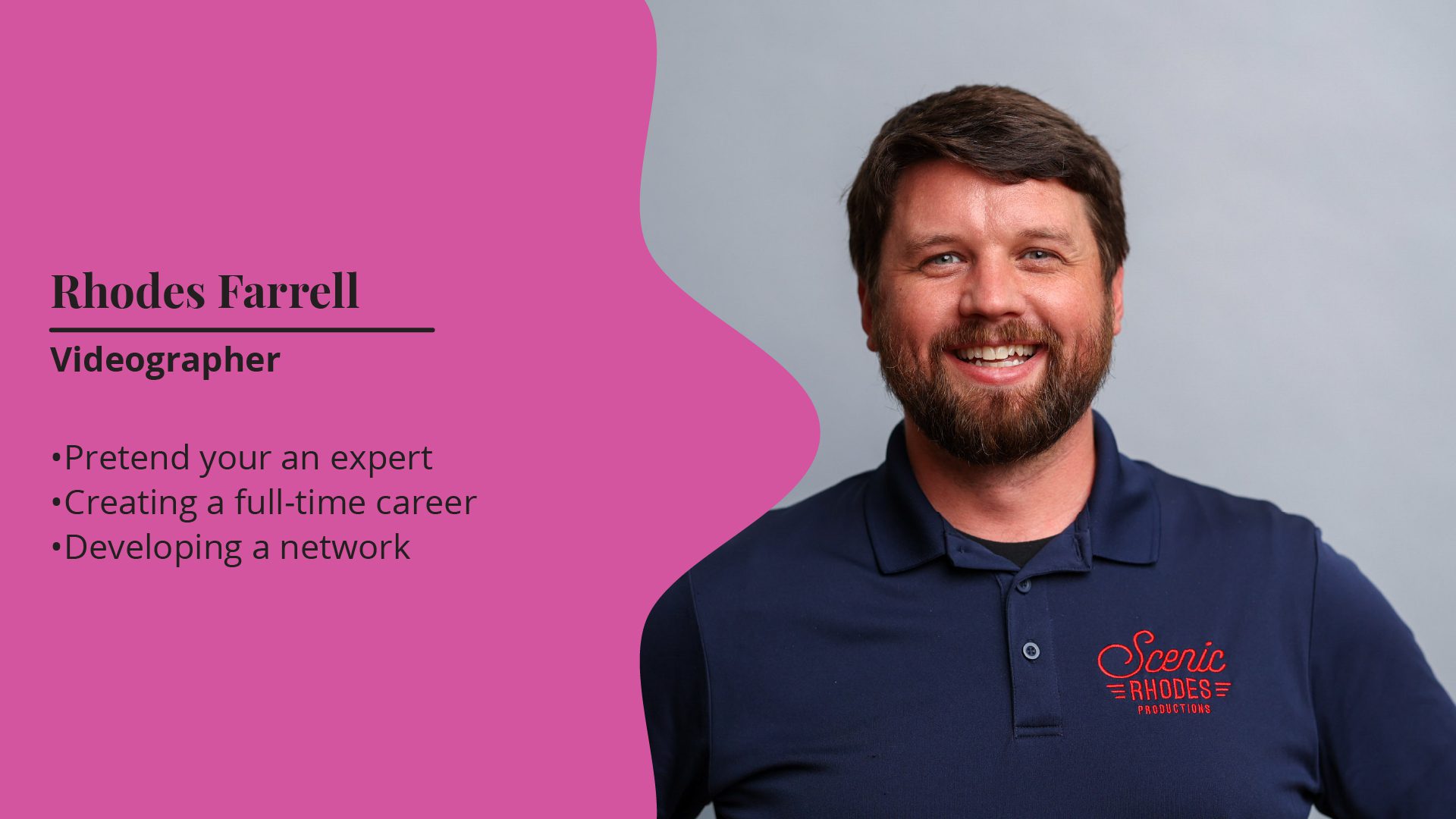
  • Rhodes Farrell

    Rhodes Farrell

    “Do 1% better every time.”

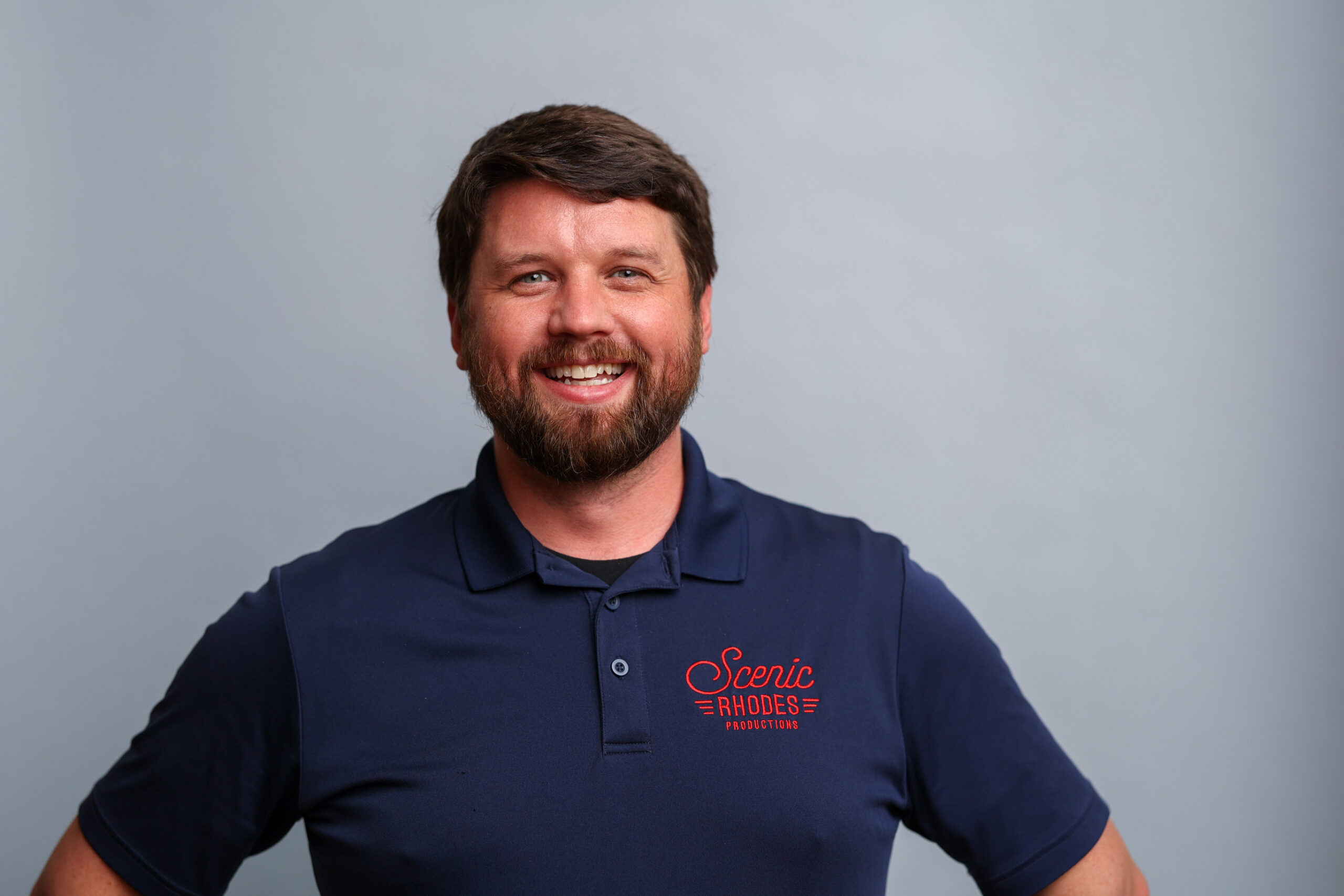
    Rhodes Farrell, a videographer based in Spartanburg, South Carolina, offers healthy habits to generate inspiration and build skills that are beneficial not only to filmmakers, but to any creative. 

    Interview

    Transcript

    Lexi 00:00

    My name is Lexi, so I’ll be interviewing you today for the Athenaeum Press for a little project we’re doing called Uncharted. And basically it’ll be professional creatives giving advice to students. And yeah, so first, just give us a little introduction of yourself. What do you do for work, and where are you currently working from? 

    Rhodes Farrell 00:27

    Yeah, I’m a videographer, and I do that full time. I came from, like, audio world, and then a AV and then video kind of took hold of me, and I fell in love with that. So I didn’t go through school for that. Particularly. I was in audio, but we moved out here in 2018, and that’s when I went full time, and it’s been great. But I’m in Spartanburg, South Carolina, and loving it. It’s a really great town. 

    Lexi 00:59

    So, yeah, okay, awesome. So how long have you been working like doing this creatively? Are you doing this full time or part time? 

    Rhodes Farrell 01:14

    Yeah, so full time, I tried to make it part of my job. I was technical director at a couple different churches and other jobs before that, so I always tried to include videography, yes, but when we moved in here in 2018 from Atlanta, I just went full time into it, and haven’t looked back. And so I guess full time was it now close to seven years, six or seven years, but I’ve been doing videos since high school, so 20, yeah, ish years. 

    Lexi 01:47

    So you said you moved to South Carolina in 2018 is there anything that you love, like, specifically about working in South Carolina as a videographer? 

    Rhodes Farrell 02:06

    I’m kind of grateful I moved away from Atlanta, because this is, you know, I didn’t feel like a small fish in a big pond kind of thing out here I could, you know, stretch my wings a little bit More, or be the the decent size fish and the decent sized pond, I really want to put it, but yeah, so it’s it’s worked out really well. I wasn’t 100% sure that Spartanburg would support filmmaking full time, but surprisingly, it has been. And even more so. 

    Lexi 02:39

    That’s amazing. So what does South Carolina like bring to your work, and what is its unique influences on you, if it has? 

    Rhodes Farrell 02:51  

    My people are here. I guess Spartanburg coming into it. They’ve just got arts all over the place. Same thing with Greenville, I’ve been able to set up a community called Film Bar, and that’s just filled with hundreds of people in the upstate that are just in filmmaking, whether they’re acting or voiceover, or they just do sound, or they just do lights or whatever. They have some role in filmmaking, and I’ve gotten to know not all of them, but a pretty good number of them. So it’s been really great to have that connection where it might have been more cutthroat in other areas. Yeah, that’s awesome, because there’s a it just seems like there’s a clear ladder to climb here, if that makes any sense, but yeah. 

    Lexi 03:40

    So I actually never knew that Greenville and the Spartanburg area were such big areas for filmmaking, but I’ve actually heard a lot about Greenville and that area, so I feel like that’s awesome. Yeah. So how would you describe the local community? 

    Rhodes Farrell 04:05

    Well, I mean, with film bar, I mean, that’s kind of my wheelhouse. Is we started it three years ago, and it’s technically 1700 people on Facebook, but I’ve only met 400 or so of them, which is still a good number, and they’re just constantly working on different projects and doing things and trying different things. And so it’s great that we have that community, that people can, you know, because it’s, it’s a very collaborative artwork for, you know, narrative short films, or even for commercials, you have to have more than just one person generally. So it’s good to have those connections there, but it’s just really diverse. I mean, like I was saying all the different roles that you have in filmmaking, yes, you get a large collection of brains and smarts and creatives. 

    Lexi 04:55

    I feel like it’s also so special that you’ve been really a big person in bringing everybody together with film bar. So that’s amazing. So how would you define professional versus personal success in your creative endeavors? 

    Rhodes Farrell 05:15

    Well, I my slogan or quote or whatever. It’s a Disney quote, but “Keep moving forward.” There’s just so many things to be creative with. You just keep moving on to the next project. And some people like to stick with the project and do a festival run and stuff like that. But I’m always keen to work on the next thing. I don’t know why, but, but also just 1% better. That’s another one. If I did 10 podcasts last year, I want to do 11 this year. So I want to just incrementally get better and better and do more and more and and find more success that way. 

    Lexi 05:52

    Yeah, that’s awesome. It’s always good to be looking for something to grow. So what was your biggest fear when you decided to pursue filmmaking professionally? 

    Rhodes Farrell 06:04

    Like I said, the Spartanburg being a small town, I wasn’t sure it could, if I would get enough work or whatever, but it took a while to get there. But it’s, it’s definitely proven itself. 

    Lexi 06:21

    Yeah, that’s awesome.  Okay, and then can you please describe like a defining moment in your creative journey? Like, was there a particular project that made a significant impact on you, or was something that, like you produced that you believe really showed your creativity? 

    Rhodes Farrell  06:39

    I did win the indie grants, which is through the film commission for a short film last year. So we got $30,000 to shoot a short film that’s amazing. Partnered with my friend who wrote it and directed it, I was a producer on it, pulled in a bunch of people on a project. We had 40 people most days, and I think we had a bunch of background one day. So we had up to 60 or 70 people one day, and just just pulling all that together was a ton of fun to do, and it’s actually gonna show at Beaver Film Festival first, and then the Greenville Reels Film Festival second. But they’re not announcing the name, so we can save our premier status for festival. We end up going to so exciting. And so that was a big one, that was a really fun project to be awarded and get to do. And then film bar really has been a huge turning point for me. I started it just because I wanted a few friends, and then it’s huge, grown so much so, and that’s just changed, a lot of access points for me to be able to have that weight behind me, to talk to people and stuff like that. 

    Lexi 07:54

    So on your whole journey, what has been the best and worst advice that you’ve ever received? 

    Rhodes Farrell 08:03

    Oh gosh, I have like, hundreds of little slogans or nuggets or whatever from all kinds of various places. Some of the ones I really love are from the Imagineering workbooks, stuff like that, the Disney theme of things. But one, I would say, pretend you’re an expert. That’s a great one. Kind of fake a team make it, so to speak, and then don’t use your head as a filing cabinet. That’s a really good one too. Yeah, I write stuff down now way more than I used to. It’s like, Oh, y’all remember that note doesn’t work? Yeah, when the worst one was probably just sign it. Don’t just sign a contract. You get in sticky situations. Technically, I heard that first with our house, when we’re trying to buy a house out here and they’re like, oh, just sign the contracts, like, but I don’t know what this means. Yeah, so, but I’ve heard it from other times, for other places. 

    Lexi 09:08

    I feel like that is some good advice. Just like all around you don’t want to get into anything without knowing… 

    Rhodes Farrell 09:15

    Well, you just forget the bad and the bad advice. 

    Lexi 09:19

    I think that’s good on its, I think that’s a good piece of advice, like on its own, because I feel like if you are remembering all this bad advice and negative comments, you’re just gonna get bogged down by it. So okay, so can you walk me through like a typical workday for you, what does your process look like, and what do you kind of like expect from yourself on a daily basis? 

    Rhodes Farrell 09:48

    There’s not really a typical day in filmmaking as a freelancer, maybe, if you’re in a corporate world, you might have more of a typical day. But there’s a typical process, which is kind of like, you know, you’re doing cold emails, you’re finding the client, and then you they call you back, you do all the pre production stuff, the brainstorming, and then you set some dates for finding talent, locations you know, to film whenever you get all your footage. Then you have two to four weeks of editing, depending on the project. Social media turns around a lot faster and present them with that, and hopefully they do the next video. So that’s that’s kind of just the process, but in a typical day, I’ll answer a lot of feedback from different things. I’m on a lot of the reading reels, Film Festival board. I do film bar, and I do YouTube and podcasts, and then there’s marketing myself and work. So there’s a lot of different variables that go in. 

    Lexi 10:57

    That sounds like a lot to juggle. 

    Rhodes Farrell 11:01

    Yeah, I’m actually working on doing an AV install, which is throwback to what I used to do, but I’m helping the museum install stuff. So it’s a very different than my normal day, but it’s just what it is to be freelance, I suppose. 

    Lexi 11:15

    Yeah, so with freelance, how do you how do you create, like, a good work life balance, where you’re able to, like, maintain everything? 

    Rhodes Farrell 11:29

    The biggest answer for that is probably my wife. She is a teacher, and she takes care of so much, takes care of me and allows me to be able to do this. So that’s, that’s a big part of it. So shout out to Emmy. I love her. But being encouraging to clients to kind of take a creative step, not a leap. You don’t want to push them too far, too fast. Some of them are all up for it, but just, you know, slowly, give them a little bit of nudge to hey, let’s do try something a little edgy that you may not be totally comfortable with. Getting out of that comfort zone is a great spot to be. And then the other thing I’d say is, like, learn public speaking. How to start a conversation in conversation, small talk, doing that with film. Barb to go from person to person, kind of have those conversations you and editing. You kind of learn how to narrow down your communication to the most useful nuggets and be quick about things. Yeah, last one is learn business and marketing and keep things simple. Because it’s if you don’t know how to do that for yourself, then you’re stuck.  

    Lexi 12:44

    Yeah, yeah. I feel like, I feel like that is very good advice. I feel like that there’s a lot of moving aspects in every part of a creative career. So you’ve kind of already described some of them, but what are some habits that you think would be beneficial to others wanting to get into videography, filmmaking and stuff in that realm. 

    Rhodes Farrell 13:18

    Just like any artist will tell you, who can go out and practice your thing, I would say, find a community. If you can find people to do this with, whether it’s just you and your siblings or you and your best friend just go out and start doing stuff together. And there’s so many stories of filmmakers that have say, Oh, I’ve got these YouTube videos of I guess, in this day of age, YouTube videos, you know that no one sees anymore because I took them down, but they’re just silly little things that people went out and did, but that that’s what made them fall in love with it. So keep doing those things that make you fall in love with it, and just find your community. 

    Lexi 14:02

    That’s, I think that’s really beautiful, because I feel like fear holds so many people back from what they really want to do. 

    Rhodes Farrell 14:12

    But, yeah, I have a great quote for that too. 

    Lexi 14:15

    Yeah, go ahead. 

    Rhodes Farrell 14:19  

    Let me find it. It’s from, it’s from Walt Disney. Sometimes I wonder if common sense isn’t just another way of saying fear, and fear, too often, spells failure, Walt Disney. 

    Lexi 14:32

    I think that’s really fitting. That’s a good one for sure. So do you have any questions that you wish that you were asked. 

    Rhodes Farrell 14:46

    I do lots of interviews myself, doing videos, stuff like that, so I like to ask the question like: What are your other hobbies do you have? Or if you had a TED talk, what would be what would it be about? 

    Lexi 14:59

    So, if you had a TED talk, what would yours be about? 

    Rhodes Farrell 15:05

    Public speaking? Probably for one, just being able to get out there and talk and how to hold a microphone. I don’t know why that gets me, but,yeah, that would probably be one of and then my other hobbies, I do leather working, just because my hobby was filmmaking and then became a job, so I needed something else, so I do leather working for fun. My wife is an art teacher, so we do crafts all the time. She does ceramics. And then we recently got our scuba license, so I’m trying to do more of that. That’s very fun. Incorporate that in my videography as well. 

    Lexi 15:50

    Yeah, I feel like that opens up a lot of, like, good shots that you could have that’s super cool. 

    Rhodes Farrell 15:56

    And just wildlife in general, if I can film wildlife, that’s a good day. 

  • Rhodes Farrell

    Rhodes Farrell

    “Do 1% better every time.”

    Rhodes Farrell, a videographer based in Spartanburg, South Carolina, offers healthy habits to generate inspiration and build skills that are beneficial not only to filmmakers, but to any creative.

    About

    Farrell describes the South Carolina filmmaking community with warmth, explaining that moving to South Carolina from Atlanta, Georgia has allowed him to “stretch [his] wings”. Despite still being competitive, the filmmaking community in South Carolina genuinely wishes each other well and Farrell says that “it’s been really great to have that connection where it might have been more cutthroat in other areas.” Farrell has also gotten to know many people in the business in South Carolina and believes that they are good people.

    Farrell draws on many Disney quotes for inspiration but also gives good advice himself. Farrell emphasizes the importance of fully reading contracts so that a person can know with one percent certainty what they are signing up for and says “don’t just sign a contract. You get in sticky situations.” Farrell is also a strong believer in the “fake it until you make it” rationale, as he believes it instills a certain amount of confidence in a person.

    A final piece of advice that Farrell gives is the importance of learning the skill of public speaking. Public speaking and small talk are a huge proponent of networking and being able to understand those around you, including potential clients: “you kind of learn how to narrow down your communication to the most useful nuggets and be quick about things”

  • Daniel Kline

    Daniel Kline

    “Just jump in and just do it and learn along the way. Don’t wait until you’re don’t. Don’t wait until you feel ready.”

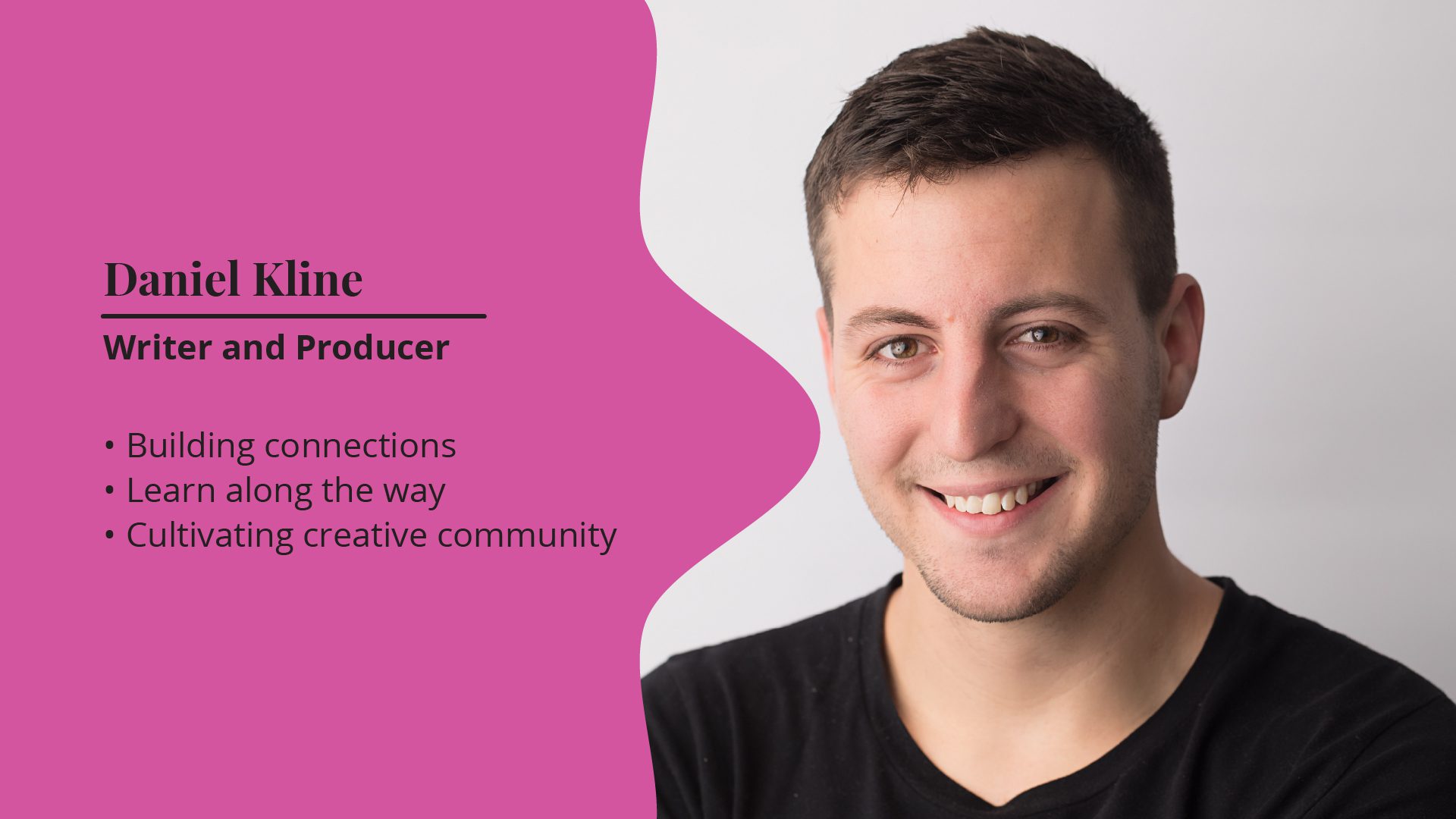
    Daniel Kline is a fitness coach and writer/producer for Starling media in Conway, South Carolina. Daniel has been professionally making films for two years now and offers great advice for those entering a career in the arts. 

    Interview

    Transcript

    Lexi Raines| 00:01 

    First, just give a little introduction of yourself. What do you? Who are you? What do you do for work, and where are you currently working from?  

    Daniel Kline| 00:09 

    Yeah. So my name is Daniel Kline. I am from Conway, South Carolina, and I, as far as work goes, I’m kind of doing two things as most artists are doing. I, my main job is, I’m a fitness coach, but my creative job is, I’m a writer and producer for Starling Media.  

    Lexi Raines| 00:31 

    Yeah, that’s awesome. And, so how long have you been working for, you said Starlight Media?  

    Daniel Kline| 00:40 

    Starling media, like the bird. Yeah, yes. So that’s Starling media is actually it’s my thing. I, I’ve been making films like professionally, both creatively and I’ve done a couple of commercial things, but I’ve been doing film for about two years now, although Starling media was started back in November, so it’s still pretty fresh. But yeah, I’ve been doing film professionally for about two years, but total about four years. First two years was mostly learning.  

    Lexi Raines| 01:14 

    Yeah, that’s awesome. So you said you’re from Conway. So what is one thing that you like working as a creative in South Carolina? Because I know some people, they tend to think that if you want to be a creative professional, you’re going to have to move out of South Carolina. You’re going to have to move somewhere bigger. What does South Carolina give to you that somewhere else wouldn’t?  

    Daniel Kline| 01:40 

    I think South Carolina is actually a really great place to be a filmmaker, because one of the largest hubs in the world for filmmaking is Atlanta, which is practically our back door. I mean, it’s a little bit further for us because, you know, or at least makes them in Conway, but, I mean, it’s, yeah, we got Atlanta right in our back door, which means a lot of, a lot of film companies are, you know, they do kind of like sub out in a bunch of different areas that are nearby. So like, Charleston is close to us, Wilmington is close to us. And actually, most of the work that I do is up in Greenville, which is about an hour and a half from Atlanta, and so we get a lot of, like, Atlanta productions that film in Greenville as well. So I think we’re, like, we’re at a really great position to, you know, have, like, a really affordable living and, you know, also be very close to where the action’s at.  

    Lexi Raines| 02:37 

    Yeah, that’s amazing. So I’ve actually heard a lot of filmmakers and producers, there is a big hub for that in Greenville right now. So how would you describe the professional community up there?  

    Daniel Kline| 02:56 

    Oh, gosh. I absolutely love my filmmaking friends. I mean, I’ve met producers, I’ve met filmmakers that are kind of on both sides, so it’s not 100% but the community that I’ve, I’ve met, and I’ve worked with, and I’ve really, you know, dug roots with, there are some of the kindest, most giving people. Like, they freely give their time. We, we pretty much exchange time, like, I’ll work on your project if you work on mine. And everyone really gives 100%, sometimes 110%, and it’s just a really fantastic community, and I’m just, I love being part of it, and they welcome me as a local, even though I’m three hours away.  

    Lexi Raines| 03:38 

    Yeah, South Carolina really is just like one big community. I feel like, no matter where you’re from, we’re all very close with each other, which is awesome. So kind of moving a little bit, how do you define your professional or personal successes in your creative endeavors?  

    Daniel Kline| 03:58 

    So as far as filmmakers go, there’s a lot of talented filmmakers out there. And, I mean, there’s a lot of talented filmmakers that are way more talented than I could ever hope to be. So I learned pretty early on that my why, my why is, what’s going to make me different. And so like professional success would, would, on the surface, be, you know, like having a successful film, you know, film that wins awards and everything but personal success. I, I’m really passionate about people, and I think if I’ve got an award winning film, but my film was a miserable experience to work on, then I failed. And so that’s, that’s kind of how I am choosing to define my success; is just being a team player, being a, creating a positive work environment, and also just creating a product that shows love. You know, when I say shows love, like you can tell that people loved it when they worked on it. And I think that, and I think that really shows in the final product as well.  

    Lexi Raines| 04:58 

    I completely agree. I- I’ve seen movies in the past that you can just tell the actors, the people on set, they weren’t super passionate or happy about it, but I feel like it always makes the biggest difference.   

    Daniel Kline| 05:12 

    Yeah, absolutely.  

    Lexi Raines| 05:13 

    Yeah, so you said that you’ve been making movies for a while now, seriously, and just outside of that, what was your biggest fear when you first decided to pursue this career?  

    Daniel Kline| 05:30 

    I think the easy answer would be fear of failure. But I’m going to dig a little deeper, and I’m going to say my biggest fear is creating a product that I think is great, and people not liking it. Like, if I look at the final product, I’m like, “alright, this is awesome. This is my best work”, and it just absolutely flops. I think that’s the biggest fear.  

    Lexi Raines| 05:53 

    Yeah, I feel like that is a- that’s a big fear for a lot of people. But, so on a more positive note, like, what’s a defining moment you’ve had in your creative journey? Like, was there a particular project that made a significant impact on you, or was it something you produced that really showcased your creativity?  

    Daniel Kline| 06:17 

    Yeah, so my- I would have to say that the most defining moment was probably my first project, my first short film. It was, it was that big step where I went from wanting to become a filmmaker to actually being a filmmaker. I took I’d been, I had spent like, two years learning. At that point, two years learning and not doing anything. And everyone was just saying, “Just do it. Just do it. Just, you know, just push through. You’ve got stuff, if you’ve got a phone, you can make a film,” and so we just did it. I wrote something that was accessible, that had like a little creative spin on it, and something that we could film like, pretty easily in a weekend, and we just put a lot of effort into it, and it was, it was pretty good. Like, it’s, it wasn’t like the best thing, and you can tell it was like our first thing ever. But I got to show it to our, my filmmaking community up in Greenville, and these are people who, like, work full time in it, and like, they, like, some of them were actually wowed by it. They were like, “wow! Like, who, who did this? Who, you know, who edited them?” Like, it’s, my brother edited it. He’s never edited anything in his life and it was just like, it, it ended up being such a really cool thing, because we just, we just did it, and it’s been entered into film festivals. We just won Best Short and Best Director for it couple months ago. And so it’s like it was a really defining moment, because it was just that moment where I realized, you know, we can do this.  

    Lexi Raines| 07:47 

    Yeah, that is amazing. That’s so special. Congratulations on that.  

    Daniel Kline| 07:52 

    Thank you.   

    Lexi Raines| 07:53 

    So, what is, while you were on this path, was there any like advice you received, like good advice, bad advice?  

    Daniel Kline| 08:05 

    That- the advice, the best advice that I received was, was just do it. There’s a lot of, there’s a lot of creative people, not just filmmakers, but there’s a lot of creative people who are afraid to take that first step, but I mean, really, there’s no reason- there’s no time like the present, and there’s no reason why you can’t, and especially if you’ve got a phone in your pocket, you can do most of your creative work to some capacity. And, so the best advice and the thing I always just tell people who ask me what to do, just do it. Just jump in and just do it and learn along the way. Don’t wait until you’re ready. Don’t wait until you feel ready.  

    Lexi Raines| 08:43 

    Yeah because- I feel that. Like you’ll never feel ready.  

    Daniel Kline| 08:48 

    Yeah, I had about a dozen people tell me that in a day, and I was like, “Okay, I get it. I get it.”  

    Lexi Raines| 08:55 

    Yeah, so along with “just do it” you obviously, you said you were a fitness instructor, so you have another job. How would you- How do you balance your day? Like walk us through a typical work day for you. That is an awesome, an awesome balance. So when you’re shifting into more of like, your creative mindset later in the day, what does your process look like for when like, you’re writing these movies, producing them, what does what does that process look like?  

    Daniel Kline| 09:11 

    Oh my gosh. So my day usually starts at 4am, which is rough. I’m not a morning person, but you know, I have to be, but no, my day usually starts at 4am and I just basically work between four and seven sessions. So my day, usually, my professional day usually ends around 11 or 12- 11am, or 12pm, so I mean, I’ve got the the last half of my day to do anything creative, you know, anything creative that I want and so it does allow for a lot of time, and, but- and the gym that I work at, they know, they know what I do. They know what I love to do, what I want to do and so, like, anytime there’s a project, I can freely take off and, you know, go pursue that. And I- So I, it’s a really awesome job to have, yeah.   

    Lexi Raines| 10:05 

    That is an awesome, an awesome balance. So when you’re shifting into more of life, your creative mindset later in the day, what does your process look like for when like, you’re writing these movies, producing them, what does that process look like?  

    Daniel Kline| 10:22 

    Yeah, you asked about writing and producing. I could, I could talk for hours about either so I’m going to choose one. I’m going to shorten it. I mean, writing, writing is, is just a bunch of planning. That’s all it is. It’s just a bunch of planning. You plan on conversations and everything, and then you write it out. So I’m actually going to shift to producing what my day looks like as a producer. It’s a lot of- it’s a lot of boring office work. It’s phone calls. It’s making sure that people’s schedules align. It’s making sure that money is where it needs to be. It’s filling out spreadsheets, creating spreadsheets. I like to use this website called Milanotes. I know a lot of people use it to, like, take notes and everything it’s, it’s where I like to have, like, a different- it’s basically like a giant virtual cork board that you can, like, put different files and draw different lines between things. It looks like a crazy conspiracy theorist board, but- that’s, but yeah, it’s basically just filling in information and just making sure that everyone’s caught up on everything.  

    Lexi Raines| 11:27 

    Yeah, so, that seems like a lot to juggle. What are some habits that you have, that you’ve developed that you think would be beneficial for others wanting to join this field?  

    Daniel Kline| 11:47 

    I think the- the best habit for people who are wanting to join the field, if they’re starting from scratch, the- probably the best thing that I did for myself, and I, like, I would absolutely recommend, is I keep this, this rolodex spreadsheet. I created- I created this spreadsheet that anytime I, I basically just got on set, anytime I could, like, I volunteered, I like, met people, shadowed people, and I spent, like, two years working on sets, different sets, without getting paid, just to, like, meet people. And so what I did was, every time I worked with somebody that I enjoyed with- enjoyed working with, and that I would want to work with again, someday, I would put their name, put their information in spreadsheet, put how I met them, and then, I also had a line that was like, this is the last date that I talked to them on, and I kept all of those dates within a month. And so, like, if it’s been about a month since I talked to somebody, I would text them say, like, “Hey, what are you working on? How are you doing?” and that spreadsheet quickly grew into, like, 100 lines. And that was 100 different connections that I you know, people that I kept in in contact with, and that, after about a year and a half of investment, that- that became work, like those people started calling me for- for work, and those became paid projects. And so, like, so, I mean, bottom line is, however you want to do it, like, find your community. Write down, write down a list of people that you want to work with and stick with those people.  

    Lexi Raines| 13:26 

    Yeah, that’s actually a really, a really clever idea. I haven’t- I wouldn’t have even thought to do that. That’s so smart. So do you have any questions that you wish we would have been asked- we would have asked you?  

    Daniel Kline| 13:47 

    Oh, no, not really. I think that covers everything.  

    Lexi Raines| 13:50 

    Okay, awesome. And my last question for you today is, do you have a creative that you’d like to nominate to be interviewed?  

    Daniel Kline| 13:57 

    Hmm, well, I’ve got a whole Rolodex full of them. Yeah, I’ve got, I’ve got one. I think she’d be really cool person talk to. But Yasmine Lee.  

    Lexi Raines| 14:11 

    Yasmin Lee?  

    14:12 | Daniel Kline  

    Yeah.   

    Lexi Raines| 14:14 

    Awesome.   

    Daniel Kline| 14:15 

    She’s a filmmaker up in Greenville. She’s an Emmy Award winning person, really, yeah, she’s and she’s really cool. Worked with her several times.  

    Lexi Raines| 14:24 

    Okay, awesome. Yeah, send us, send us her information, and then, yeah, I will hear this if you can. Thank you so much for your time. It was really great interviewing you. I’m going to look into your work. You seem so passionate about everything, I’ll be looking for your name out there.   

    Daniel Kline| 14:46 

    Thanks. Appreciate it.  

    Lexi Raines| 14:48 

    Thank you so much for your time. I hope you have a good. rest of your day, stay safe in the snow. Supposed snow.  

    Daniel Kline| 14:59 

    Alrighty, bye.  

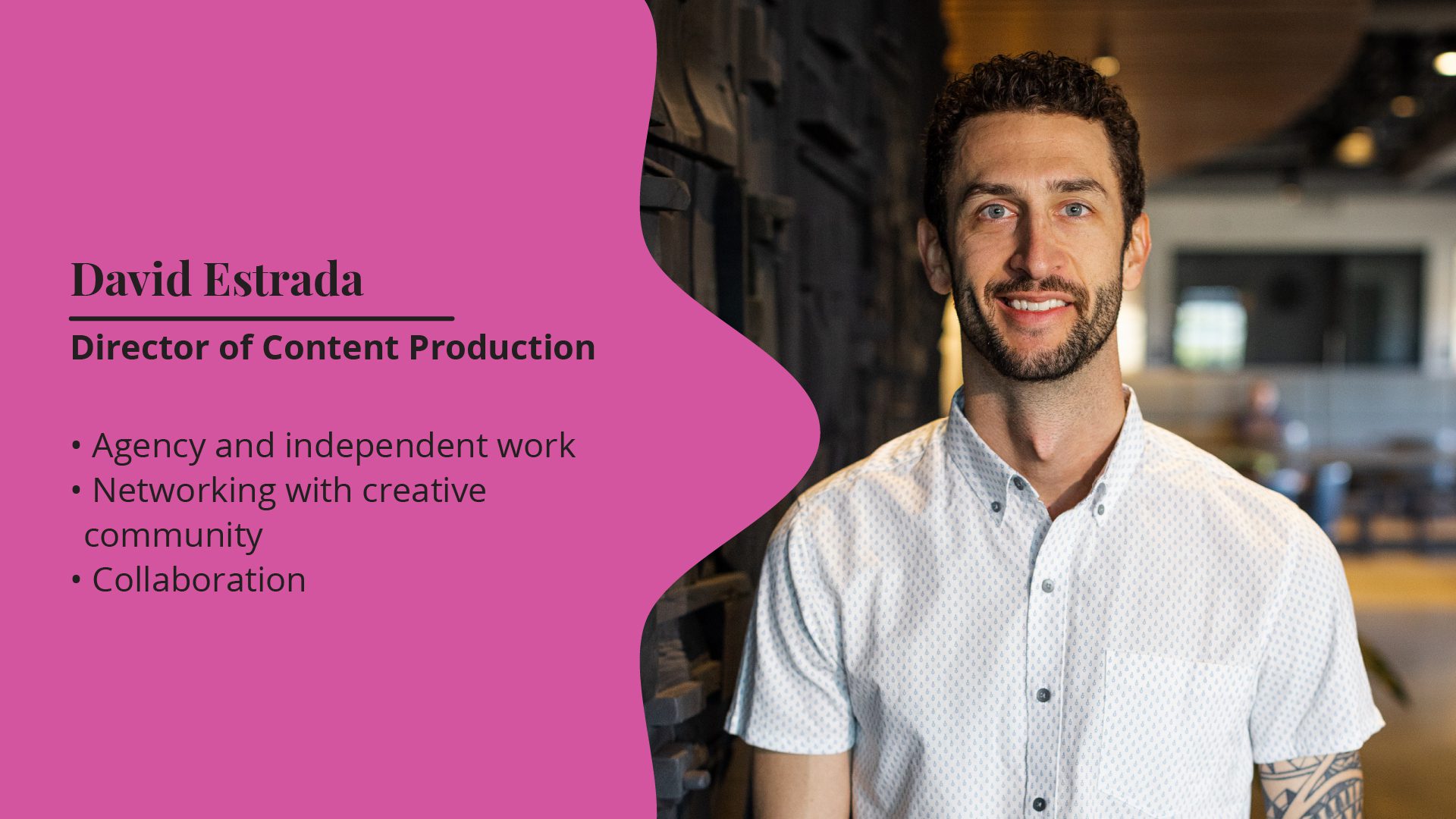
  • David Estrada

    David Estrada

    “I would define my creative success; I think it’s that I try to be as chaotically scheduled as possible.”

    David Estrada is the Director of Content Production at Cargo, a marketing firm based in Greenville, South Carolina. With degrees in both film and advertising from the University of Texas, Estrada blends creative direction with strategic thinking. He founded his own production company in Austin before transitioning into agency work, where he now leads cross-disciplinary teams. Passionate about film, media, and collaboration, Estrada emphasizes the importance of creative chaos and community in South Carolina’s upstate marketing scene. 

    About

    David Estrada is the director of content production at Cargo, a marketing firm based in Greenville, South Carolina, where he’s worked since 2016. He holds degrees in both film and advertising from the University of Texas, a combination that prepared him well for his multifaceted role. 

    Estrada values the creative community in upstate South Carolina, noting its strong network of professionals. “I like that there is a base, a very good baseline, of creative professionals and strategic professionals in upstate South Carolina… everybody kind of knows each other.” He began his career as a project manager, a role that gave him broad exposure to different disciplines and helped shape his collaborative approach. 

    A pivotal moment in Estrada’s creative journey came not on set but in a college advisor’s office. After taking two years off and considering a switch from film to advertising, a conversation with a career counselor convinced him to pursue both, an insight that set the course for his future. 

    Estrada defines creative success as being “undefinable,” embracing chaos and originality. But he’s also candid about the challenges. Financial instability is an unfortunate reality in the creative field, and he emphasizes the importance of understanding to market creatives as a business, talent alone isn’t enough. 

    The worst advice he ever received? “Don’t be so idealistic.” For Estrada, idealism is essential. Without hope, he says, there’s no point in doing creative work at all. 

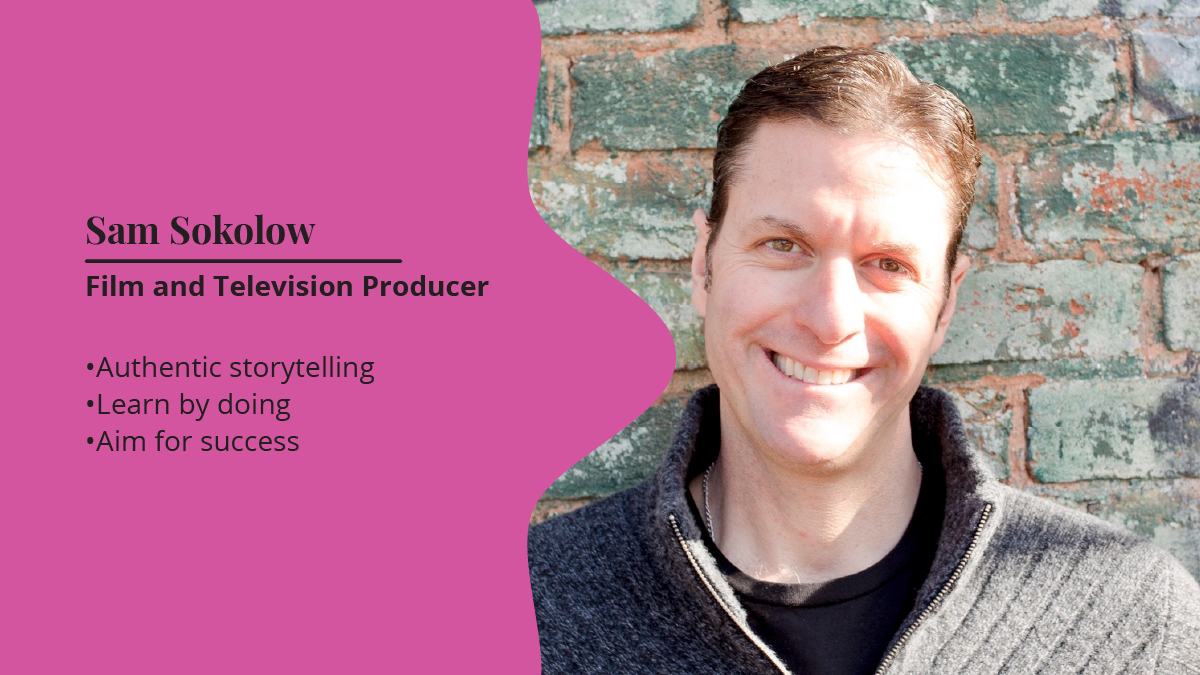
  • Sam Sokolow

    Sam Sokolow

    “Make something. Follow your gut. And remember, everything, success or failure, is a learning experience.” 

    Sam Sokolow is a two-time Emmy-nominated film and television producer who recently relocated to Greenville, South Carolina after 23 years in Los Angeles and a childhood in New York City. Now focused on building a slate of independent films from the South, Sokolow is also helping develop the Clemson Film School and working on global workforce training for emerging film markets. His mission is to empower storytellers and creatives through mentorship, opportunity, and industry experience. 

    About

    After decades of producing major television and film projects in New York and Los Angeles, Sam Sokolow now calls Greenville, South Carolina home. With roots in big cities but a heart that is grounded in authentic storytelling, Sokolow brings a wealth of experience to the South’s emerging film industry. He’s not only producing independent films from Greenville but also working to build a foundation for the next generation through the Clemson Film School and a global workforce development initiative for training production crews. 

    “I feel like I’m in the middle of a Hallmark movie most days,” Sokolow says, describing Greenville’s charm and creative energy. For him, the big move was inspired by love, his wife is from nearby Gaffney, and it has led to a sense of purpose. “When you move for the right reasons, miracles happen around you.” 

    With a career spanning from indie features to large-scale studio productions, Sokolow understands the full life cycle of a project. But he defines his role as: “I put creative people in a position to do their best work.” Whether this is through cultivating local talent or producing globally relevant stories, he’s driven by a passion for storytelling and a determination for persistence. “My biggest fear was not getting to do this work,” he shares. “That fear kept me going.” 

    Sokolow is now committed to helping others take that same leap. “Don’t wait to be chosen,” he advises. “Make something. Follow your gut. And remember, everything, success or failure, is a learning experience.” 

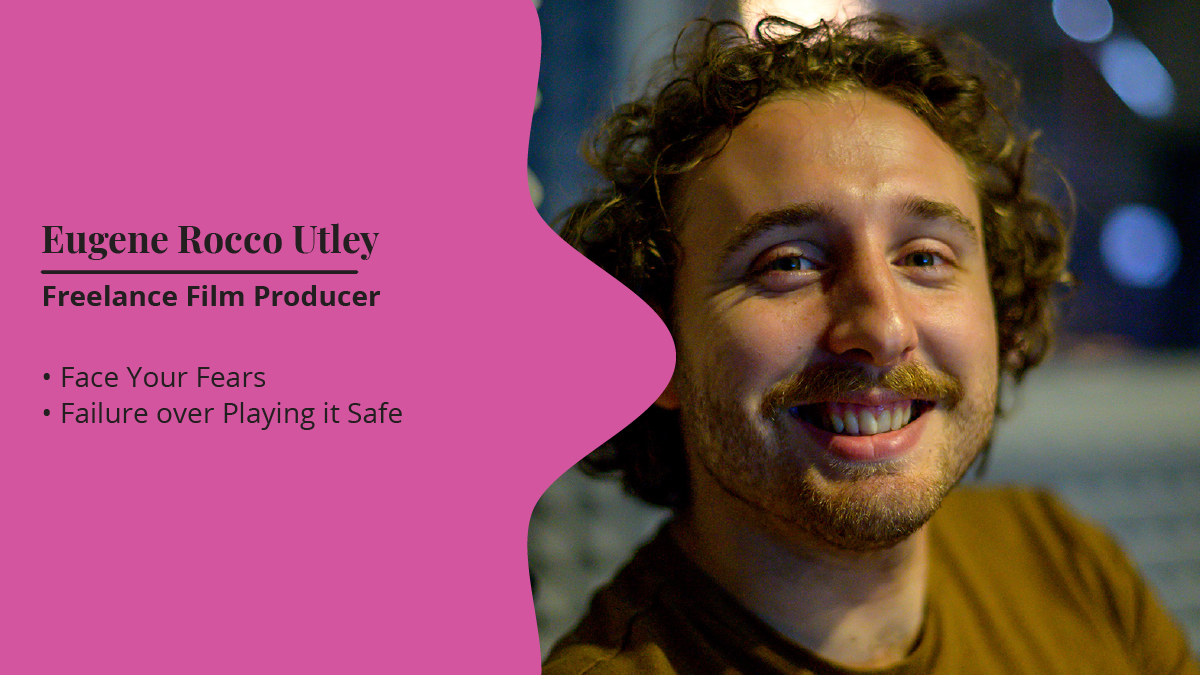
  • Eugene Rocco Utley

    Eugene Rocco Utley

    “I would rather fail at pursuing a passion that I love rather than playing it safe, and never truly pursuing it.” 

    Eugene Rocco Utley is a freelance creative professional based in Myrtle Beach. By day, he manages marketing and advertising for Coastal Carolina National Bank (CCNB), blending strategic communication with local insight. Outside his 9-to-5, Utley pursues freelance work in film production, with experience in both commercial and narrative projects.

    About

    After studying at Clemson University, and shortly at Coastal Carolina, Eugene Rocco Utley now splits his time between a 9-to-5 role in marketing and advertising at Coastal Carolina National Bank (CCNB) and a robust freelance career in film production. From commercial shoots to creative narrative projects, he’s carved out a path that balances the professional with passion. 

    Though the freelance world can be uncertain, Utley embraces its challenges. “I would rather fail at pursing a passion that I love,” he says, “than play it safe and never truly pursue it.” His creative journey began right out of college, working on low-budget films and slowly building his network in South Carolina’s creative community, a space Utley describes as both “versatile” and “closely knit.” For Utley, success is defined not just by recognition but by collaboration: “If someone wants to work with you again, that’s a real success.” 

    A defining moment came when his short film A B gained significant recognition, marking as a pivoting point in his personal and professional career. The project, which explores the balance between mental health and artistic identity, reinforced Utley’s belief that “Failures are something to learn from, not just failures.” 

    Whether writing scripts or handling design work at the bank, Utley stresses the importance of time management and living a life outside of work. “You have to experience life to reflect on it,” he emphasizes. “You can’t define yourself only by your art.” His advice gives creatives to give yourself freedom in the process, use note cards, not full pages and face your fears head-on. 

  • Akai Shelise Jones

    Akai Shelise Jones

    “Keep creating, no matter what. So, use what you do in your personal time make it structured and professional, because it will translate to a career that’s awesome like this.”


    Akai Shelise Jones is the Visual Digital Media Director for the South Carolina Department of Juvenile Justice, where she blends creativity with purpose to tell powerful stories of change.

    About

    As the Visual Digital Media Director for the South Carolina Department of Juvenile Justice, Akai Shelise Jones is a one-woman creative powerhouse managing storytelling, strategy, and communications across the entire state. With a background in foster care social work, Akai brings deep compassion to her role showcasing the humanity and potential in the youth and staff who make up DJJ.

    Her days are anything but predictable. From documenting community graduations and capturing employee morale moments, to managing a full website migration and crafting digital campaigns, Akai does it all. She’s the creative force behind impactful internal and public-facing content, including the agency’s social media presence.

    But her work goes beyond design it’s about visibility. “Getting the right stories out,” she says, especially those of staff who’ve served for decades or young people ready to transform their lives, is the heart of her mission. One of her most meaningful projects, a video following a formerly incarcerated teen touring South Carolina State University, earned thousands of views and even more community impact.

    Akai’s advice to emerging creatives? Be bold, job shadow, and structure your personal creativity into professional frameworks. She urges young professionals to look past job titles, seek mentorship, and remember that every skill from TikTok videos to podcasting—has real-world value when refined with intention.

    For Akai, this isn’t just a job, it’s purpose-driven communication. And in her lens, every youth deserves a new narrative.

  • Daniel Kline

    Daniel Kline

    “Just jump in and just do it and learn along the way. Don’t wait until you’re don’t. Don’t wait until you feel ready.”

    Daniel Kline is a fitness coach and writer/producer for Starling media in Conway, South Carolina. Daniel has been professionally making films for two years now and offers great advice for those entering a career in the arts. 

    About

    Daniel Kline values working with people and the passion of filmmaking rather than receiving awards. He is really passionate about people, and says, “I think if I’ve got an award-winning film, but my film was a miserable experience to work on, then I failed.” He wants his product to show love.

    Kline’s most defining moment throughout his career was thanks to his first short film. After spending two years learning the ropes, Kline was urged to finally just go for it and make his own film. He says: “I wrote something that was accessible, that had like a little creative spin on it, and something that we could film like, pretty easily in a weekend…” Kline explains how his local filmmaking community in Greenville, S.C. were amazed at the film he had created, and that it had been entered into film festivals, and won Best Short and Best Director.

    Kline emphasizes the importance of organization, specifically using spreadsheets in a creative career, which he explains helps him stay organized. He also mentions the importance of noting people he enjoyed working with most throughout the community. This helps him to keep in touch, establish projects and nourish connections within his community.

  • Caletta Harris

    Caletta Harris

    “You know your worth, trust yourself and follow your path.” 

    Caletta Harris is the founder and owner of Reel2Real Productions, a video production company that has been transforming stories into powerful visual narratives for nearly 20 years. She is based in South Carolina and works nationally, blending creative passion with purpose-driven storytelling by using media to empower, educate, and amplify voices across South Carolina. 

    About

    The powerhouse behind Reel2Real Productions is a woman with a camera and a mission. For nearly two decades, she has built a full-service video production company that thrives on diversity of stories, clients, and causes. Based in South Carolina, her work stretches far beyond its borders, but the state’s rich history and collaborative spirit have deeply shaped her creative journey.

    Her most defining project came from a moment of action. After reading about Columbia City Council’s plan to address homelessness, she didn’t just sit back, she grabbed her camera. That impulse led to No Address, a powerful documentary series tackling the criminalization of homelessness, featuring stories from Columbia and Atlanta. The films, now streaming on Amazon and other platforms, sparked conversations in schools and inspired action in communities. As she puts it, “That has had the biggest impact on my life… I want to be part of the solution now.” 

    Balancing entrepreneurship and advocacy, she lives by a few guiding principles: meditate, protect your peace, and always follow your own path. “When you know your worth,” she says, “trust yourself.” Her story is a testament to what happens when creative passion meets purpose and never gives up. Caletta defines success through longevity and relationships. “My longest client has been with me for 15 years,” she shares, viewing trust and retention as the ultimate markers of success. Grounded in mindfulness, community connection, and creative authenticity, her work is both a business and a mission. “Take time to find your peace. Even five minutes of stillness can open the door to creativity,” she advises fellow artists navigating today’s fast-paced world. 

    Media

  • Marsh Deane

    Marsh Deane

    “Just do it. Otherwise, the dream will just stay in your head.”

    Marsh Deane is a filmmaker, photographer, and outdoor educator based in Pawleys Island, SC. Through his business ML & L Media, he captures South Carolina’s hidden stories and landscapes with heart and purpose.

    About

    Marsh Deane is a South Carolina native whose creative journey is deeply rooted in the natural and historical richness of his home state. As the founder of ML & L Media, he has crafted a career around documenting heritage sites, directing short films, and educating youth through the outdoors. Though he has been passionate about photography since middle school, Marsh formally launched his creative career in 2019 after graduating from Coastal Carolina University.

    His work blends storytelling and education whether through nonprofit marketing, student media clubs, or immersive environmental video projects. One pivotal experience was an internship with the Village Group, where he transformed from a marketer into an outdoor educator and mentor. That experience sparked a lifelong mission: to merge nature, creativity, and community impact.

    A typical day for Marsh is fluid filled with editing sessions, outdoor shoots, gear prep, and passion projects like YouTube adventures. He emphasizes the need to balance paid work with soul-enriching personal content to avoid burnout. His advice to aspiring creatives is simple but profound: take action. “You have to just do it,” he says. In a world dominated by distraction, he believes consistent movement and meaningful creation are the keys to both artistic satisfaction and success.