Career Area: Graphic Designer
-

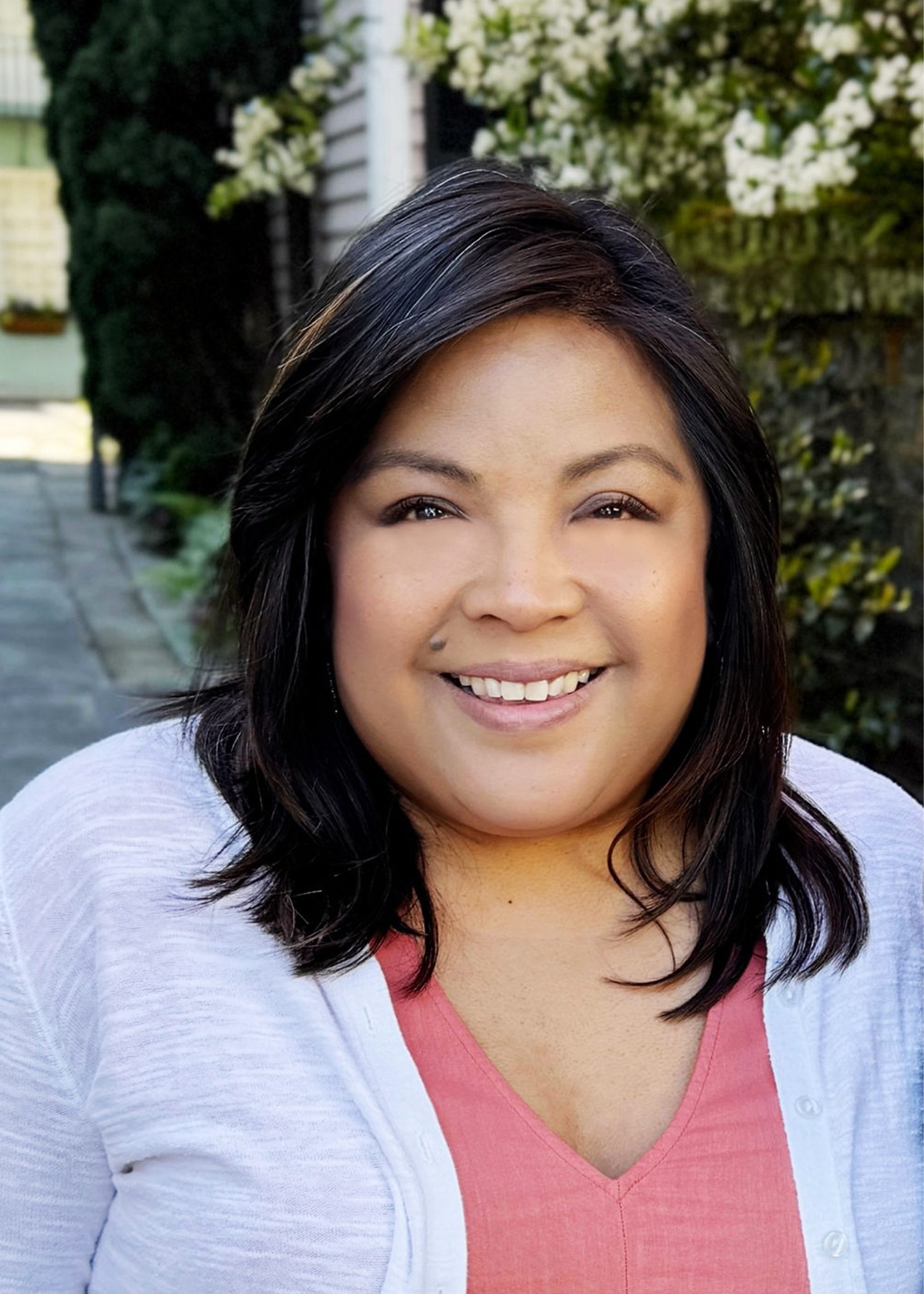
Tori Hord
“The more you push yourself out of your comfort zone and out of the box you’re used to, the more confident you get.”
Tori Hord is an Associate Professor of Graphic Design at Methodist University in Fayetteville, N.C. She grew up in Loris, S.C., and earned her bachelors in graphic design at Coastal Carolina University. She continued her graphic design with a Master of Graphic Design M.G.D. at North Carolina State University.
Interview
Transcript
Tori Hord
My name is Tori Hord. I am from Loris, South Carolina, so very close to Coastal [Carolina University], like 30-ish minutes. And I currently teach graphic design at Methodist University in Fayetteville, North Carolina.
Emma Plutnicki
So how long have you been working there?
Tori Hord
Seven years.
Emma Plutnicki
Wow. Amazing. And your official job title, would that just be graphic design teacher?
Tori Hord
Associate Professor of Graphic Design.
Emma Plutnicki
Amazing. So how did you get into that? How did you find that job? And how did you just end up in that field overall?
Tori Hord
That’s an interesting, so I started when I started Coastal. I went to undergrad there, I started as a biology major. About a semester or two semesters in, I decided to switch my major to graphic design without telling any of my family and made them all have a small heart attack when they found out.
Emma Plutnicki
Oh my gosh.
Tori Hord
But it’s always something that I’ve loved. So it was a really good change for me. And from there, I just, I was just very passionate about it. And when I graduated, I got a job in the field. And I worked there for a couple years and then decided that I wanted to pursue my masters in graphic design. So I went and got a masters in graphic design from NC State. And then when I graduated from NC State, there were, y’know, lots of applying to jobs, and I landed here in Fayetteville at Methodist University.
Emma Plutnicki
Amazing. So what made you switch from biology to graphic arts? Was it more hating biology? Or was it more a passion for graphic arts?
Tori Hord
It was more passion for sure. Always loved it growing up, but just never considered or thought of it as a turning something I loved into the career. And once I figured out that I could do that, I was like, “Absolutely. Let’s do this.”
Emma Plutnicki
Yeah. More fun, probably. So can you walk us through a typical work day? Like, what’s expected of you, what your work process looks like, what kind of things you work on?
Tori Hord
Yes, absolutely. So for me, I think being, teaching design and being a professor, you kind of get the best of both worlds. So my initial attraction to teaching it, you know, other than just loving the subject and wanting to share more was that it has a great schedule. You have time for, you know, it’s a great work life balance for the most part. And that also gives you lots of time to continue to work in the field, which I was adamant about not stopping, I didn’t want to stop my design career to teach, I wanted something that would allow me to do both. And that’s what the shop does, which I love it, you get a great schedule, you get a, you know, it’s a steady, it’s not like you’re freelancing all the time, it’s a steady income. Day to day, it depends on what classes I have offered, but I teach anywhere from two to three, like studio length classes a day. So I’m in the art building, in the studio, working with students. And then when I’m not teaching I’m in my office, you know, doing housekeeping things and preparing and also working on my own work.
Tori Hord
Amazing. So the classes that you teach, are those different levels of graphic designer, or do they have specialties within them?
Tori Hord
Yes, I teach at all levels. So I teach the freshmen their first semester, on up to the seniors in their last semester. And everything in between. So I see a little bit of all of them all the time.
Emma Plutnicki
Yeah, that’s great. So can you describe a defining moment in your, like, creative journey so far? So maybe it’s a specific project that really showcased your creativity or had a significant impact on you?
Tori Hord
The one, this is ironic, but the one that really comes to mind as being most memorable for me was actually at Coastal at the Athenaeum Press.
Emma Plutnicki
Oh, really?
Tori Hord
Yes, we worked on the Gullah Geechee project. And there was, we traveled out to these different places and took photographs and did interviews and then the project itself won an Addy Award at the end. So it was kind of like a, a quintessential moment for me. I was like, “this is actually going to work. This is neat. We’re getting recognition for work that me and my friends have, you know, kind of poured our hearts into.” So that was a big moment for me.
Emma Plutnicki
Yeah, I’ve seen that work. It was great. So I’m sure that was a really fun time to work on. So do you think this career path is challenging? What challenges have you faced and how have you been able to kind of overcome those challenges? Because being in a creative career as a whole is pretty challenging, but how have you kind of worked through this?
Tori Hord
It is, I would say it was challenging. And it’s um, it’s like with anything you do, the more you do it, the more you push yourself out of your comfort zone and out of the box that you’re used to, the more confident you get in it. I do remember my first year teaching anything, I was terrified, right? I’m standing up in front of this group of people. And you’re suddenly faced with like, “I know nothing,” right? “I am not qualified to do this, I should not be here. Why did these people give me a job.” But the more you do it, you realize, “okay, I’m equipped, I have the knowledge, I’ve done the education, I have a passion for it.” So for me, it really was just making sure I was getting out of my comfort zone, and putting in the effort… and it was fantastic. But the more I was in those classrooms with the students and got to know them, and saw their excitement for it, everything just came together.
Emma Plutnicki
Yeah, that’s amazing. So within your specific field, can you think of any skills that you possess that helped you land that role, or any skills that you think an applicant should have to increase their chances of getting that role? I know, like you’re in teaching, so is there any like connection with teaching that you had to help you or was your skill in graphic design, like the driving force to lead you to teaching, or just in general, like any skills that helped you?
Tori Hord
Obviously, to be able to teach art or graphic design or anything, you have to have a certain level of knowledge, but especially for art design, you also have to have a certain level of skill, right, you have to be able to get to that point. So a portfolio is still a big part of this job, even though it’s not a, the focus is not necessarily all design, you know, work all the time, you still have to have a great portfolio, you still have to make sure that you’re paying attention to the detail, because it matters when getting these roles. And I think the other part of it is, is communication, being able to talk about what you want from that job, but also be able to talk about your work in ways that ties it in to people that might not necessarily be in your field. Which is a great skill for designers have anyway, because there’s lots of contact with people outside of the art world. So being able to communicate those ideas and your thoughts and passions to those people is really important, too.
Emma Plutnicki
Yeah. It’s a very important skill. And so, you studied in South Carolina, and now working in North Carolina. Are there any like organizations or programs or events that you recommend for people who are trying to get into that field? Is there any like conferences you went to that helped you network to figure out, like, gain more connections within the creative world or anything like that in the area?
Tori Hord
Yeah, I’m a big supporter of AIGA [the Professional Association for Design] I’ve been a member of AIGA since I was an undergrad, and continued that. But more so than that, I found a lot of helpful was these kind of like open houses for different schools. So when I was pursuing my master’s or thinking about going to get my graduate degree, I looked into these different kind of open houses, kind of meet and greets. And I met a lot of really great people and lots of great networking opportunities just from doing that. And that had no ties to it. You didn’t have to, no commitments, you’re just kind of going and exploring and learning about what your options are.
Emma Plutnicki
That makes sense. So AIGA, you said?
Tori Hord
Yes.
Emma Plutnicki
What does that stand for, do you know?
Tori Hord
American Institute of Graphic Arts.
Emma Plutnicki
Okay, awesome. I’m sure a lot of people know that. I didn’t know. That’s amazing.
Tori Hord
The chapter here is in Raleigh, the closest one. But a lot of universities have like local student chapters. I know Coastal used to have one, whenever I was there. And we have one here. It’s just a great opportunity for professionals and students to kind of connect.
Emma Plutnicki
Yeah, that’s amazing. So great. Thanks for saying all this. This is such an interesting field. I’m sure you have fun with it every day. But just as we wrap up, do you have any advice for current college students or just people who are looking to get into these fields in creative professions?
Tori Hord
Follow what you’re passionate in. That was a big thing for me. So I went along with, like I said, the biology doing what I thought I was supposed to do, and what, you know, everyone was like, “Oh, you’d be great, at you know, XYZ, you’d be a great doctor, you’d be great at this.” And in the back of my mind, there was always something like, “Maybe but I don’t know that I want it.” And just listening to that little voice, and you know, going after what you do want, regardless of what other people might think which, I mean is, you know, life anyway right?
Emma Plutnicki
Yeah. No, that’s great advice. I definitely need to listen to that too.
-

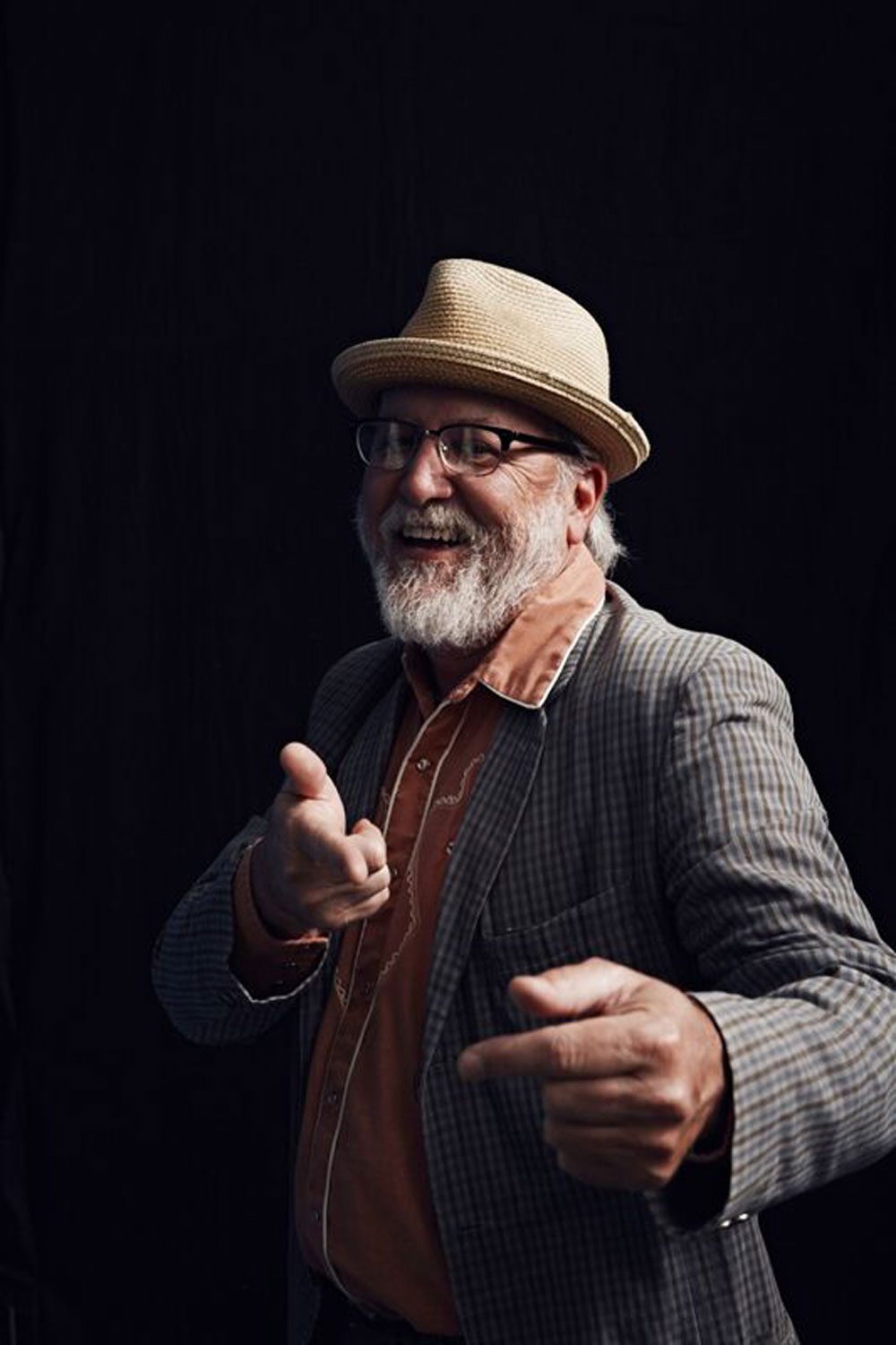
Marius Valdes
“Everyone’s got their own journey, and you have to find your way. I would never discourage anyone from a journey in the applied arts or the creative arts if they have the drive and the will to do it. Because that’s the biggest part of it: just being disciplined.”
Marius Valdes is an artist, illustrator, and professor of Studio Art teaching graphic design and illustration at the University of South Carolina. Valdes received his BFA in graphic design from the University of Georgia (UGA) and his MFA in visual communication from Virginia Commonwealth University (VCU). Valdes is originally from Charleston and lives in Columbia.
About
“Being a professional creative is not for the weak of heart,” said Valdes. “You need to be patient and persistent.” He recalled the first time, as a college student, that he told his father he wanted to major in art. “I remember driving with my dad and telling him, ‘I think I’m going to be an art major.’ I was waiting for him to say, ‘What are you thinking?!’ but he just said to me, ‘Well, if you do something that you love, you’ll never really work.’ And I feel like that. I do work, but I work on things I care about. And that, to me, is one of the most important things.”
Valdes didn’t set out to be a university professor. After graduating from the University of Georgia (UGA), he worked as a graphic designer for several years and allowed his creativity to determine his next step.
“I was exploring illustration and enjoying it more than graphic design. I wasn’t very good about talking about my work, and I thought grad school would help with that, as well as allowing me to refocus my work and make myself more marketable,” said Valdes. Valdes earned a scholarship for his MFA at Virginia Commonwealth University (VCU), and part of that scholarship included teaching a class.
“I just loved it,” said Valdes. “I found that even though some of the students were in some ways more talented than I was, I knew more than them because I’d been doing it as a professional, and I really enjoyed it.”
In addition to teaching, Valdes works as an artist creating work for area organizations. “The past couple years I’ve been working with the Medical University of South Carolina children’s hospitals,” said Valdes. “I created some murals for them, created some kids’ activities books for therapists to use, and that’s been the most rewarding thing I’ve ever done. One day, a man I work with came up and said, ‘My kid is obsessed with your frog mural. It’s made a real difference.’ So it’s sad because seeing that mural means you have a sick kid, but it’s also rewarding to know it had an impact.”
-

Tori Hord
“The more you push yourself out of your comfort zone and out of the box you’re used to, the more confident you get.”
Tori Hord is an Associate Professor of Graphic Design at Methodist University in Fayetteville, N.C. She grew up in Loris, S.C., and earned her bachelors in graphic design at Coastal Carolina University. She continued her graphic design with a Master of Graphic Design M.G.D. at North Carolina State University.
About
Tori Hord’s path to graphic design was not always clear. She began her studies at Coastal Carolina University as a biology major with thoughts of pursuing a medical career, her family remarked that she would make an excellent doctor. After a couple of semesters, she changed majors without telling anyone, giving them “small heart attacks” when they found out.
Upon switching to graphic design, she went all in, joining the American Institute of Graphic Arts (AIGA) and working at The Athenaeum Press, Coastal’s student-driven publishing lab. Specifically, she worked on the Gullah: The Voice of an Island with the Athenaeum Press and recalls the joy and excitement of getting recognition for work that she and her friends poured their hearts into — work for which they earned an national American Advertising Award, or ADDY.
Working as a professor is a career path that has allowed Hord to pursue the “best of both worlds.” She enjoys sharing her graphic design expertise with college students as she continues cultivating her own artistic skill. “I didn’t want to stop my design career to allow me to teach,” Hord said, so she leads two to three studio classes per day while carving out time to focus on her own projects as a freelance designer and consultant.
Professor Hord encourages other aspiring graphic designers to join professional groups like AIGA (American Institute for Graphic Arts) and to get some pre-professional experience. Her essential advice for college students is, “Listen to that little voice and go after what you do want, regardless of what other people might think.”
-

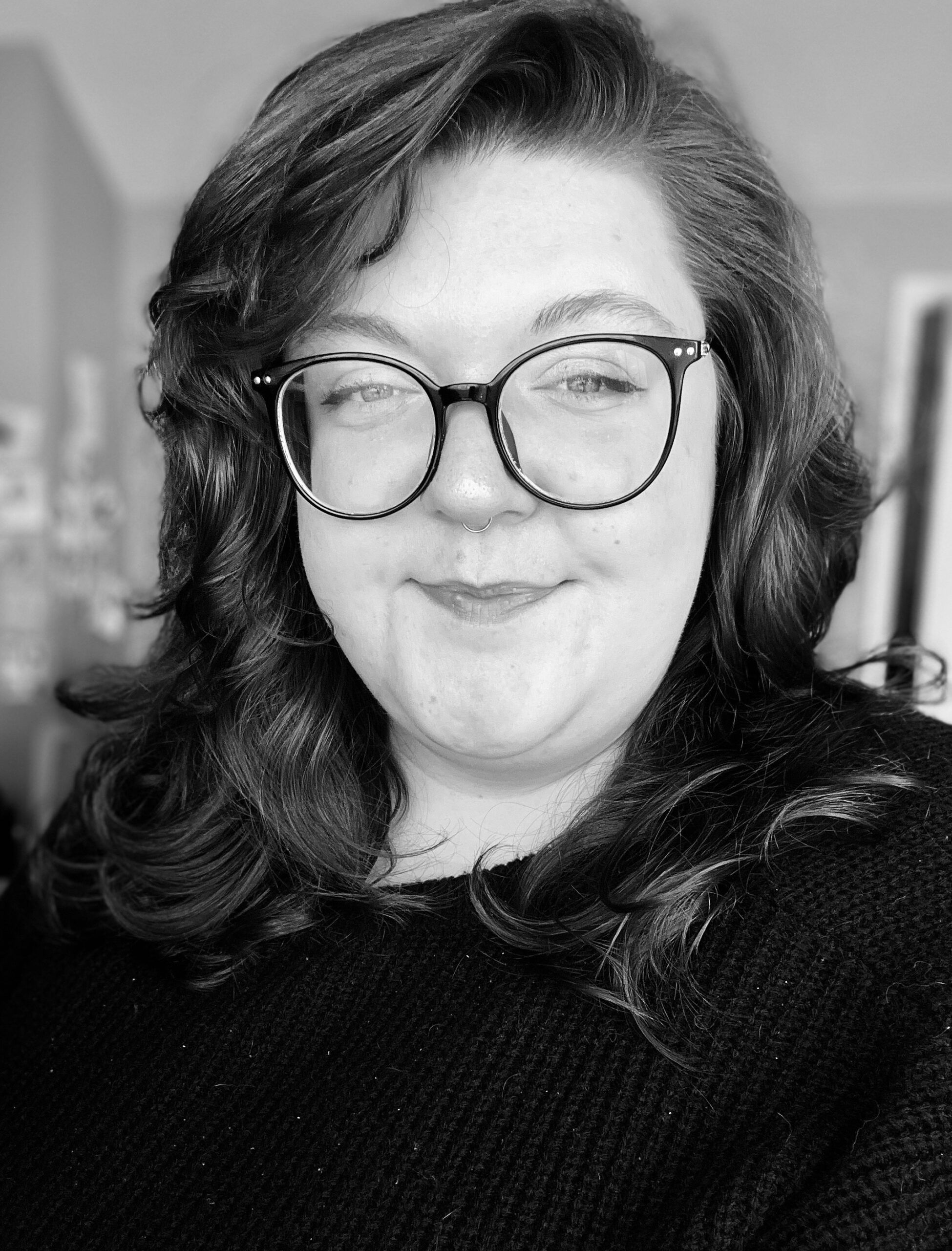
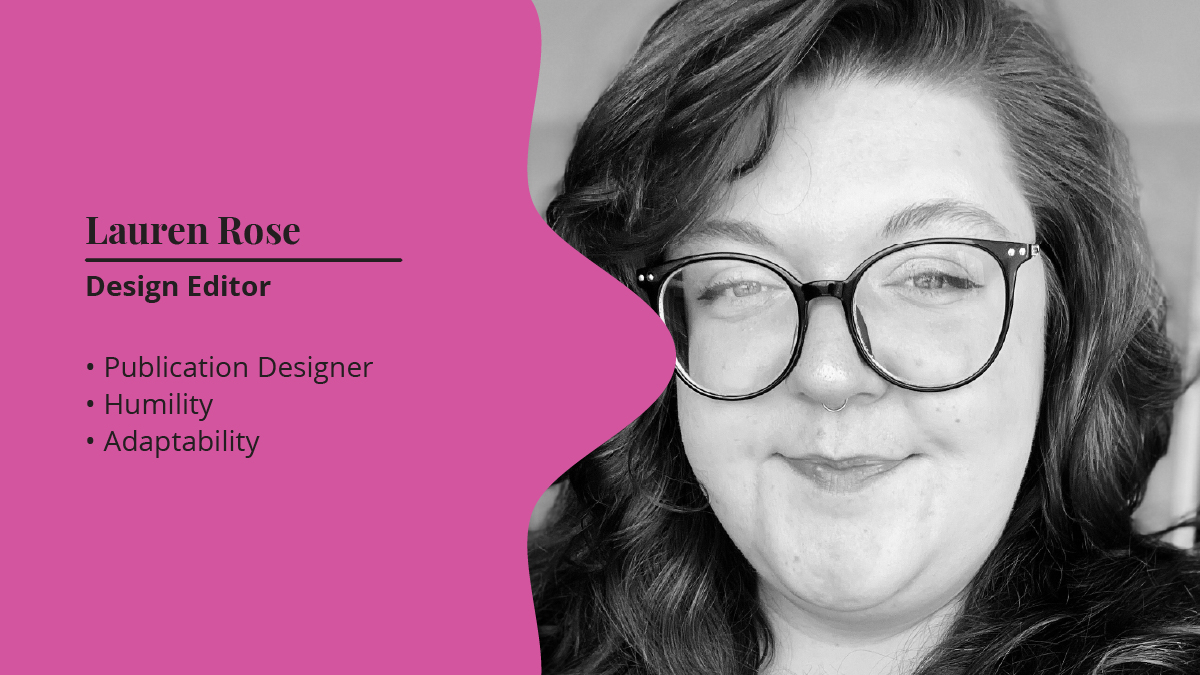
Lauren Rose
“Let your ego go and be willing to learn.”
Lauren Rose is a publication designer and the Design Editor at North State Media in Raleigh, NC. With roots in student journalism, she now brings clarity and creativity to print layouts in a fast-paced newsroom environment.
About
Lauren Rose’s love of design began with school projects and scrapbooks, but it took off in the newsroom. As art director for The Chanticleer, the student newspaper at Coastal Carolina University, she found herself juggling creativity with tight deadlines skills she now uses daily as Design Editor at The North State Journal.
Based in Raleigh, NC, Rose handles the design of a weekly print newspaper. Her Sundays are devoted to page layout and collaboration with editors, while the rest of the week focuses on refining and preparing content. “The design changes constantly between issues, and I love that.”
Though her career evolved organically, Rose credits her growth to patience and openness. “Let your ego go and be willing to learn,” she advises. She views design not just as an art, but as a way of organizing information to serve the reader.
Rose encourages other creatives to take chances, embrace mistakes, and explore different media before settling on a path. For her, the magic of design is in the details and the opportunity to keep learning every week.
-

Lex Stress
“Once you’re in tech, there’s room to grow.”
Lex Stress is the Principal Graphic Designer at Ellucian, a tech company specializing in software for higher education. From Charleston, SC, Stress brings creativity and strategy to every project whether for clients, internal teams, or freelance ventures.
About
Lex Stress didn’t plan to work in tech, but after spotting the Blackbaud headquarters on a daily drive, they decided to apply. That bold move opened the door to a thriving career in design for the tech world.
Today, as Principal Graphic Designer at Ellucian, Stress leads visual direction across digital platforms, email campaigns, and social media. A graduate of Coastal Carolina University, they credit their education for building a solid foundation but it was curiosity, networking, and real-world practice that propelled them forward.
Stress enjoys the dynamic pace of tech and its flexibility. “Once you’re in tech, there’s room to grow,” they say. Their role allows them to blend strategy with creativity, and they also freelance on the side to keep their skills fresh.
They encourage aspiring designers to explore the business side of creative work, and not to underestimate the value of a strong portfolio and clear communication. Their advice? Keep evolving. Keep making. And always be ready to take the next leap.
-

Robert Taylor
“Growth happens outside of your comfort zone.”
Robert Taylor is a graphic designer for RallyUp, a tech platform supporting nonprofit fundraising. With over a decade of experience, he blends technical skill with emotional storytelling to design brands and campaigns that inspire.
About
After ten years working in Coastal Carolina University’s student accounts office, Robert Taylor made the leap into full-time design. He started in advertising handling quick-turn print and social media projects before discovering his passion for deeper brand work.
Now with RallyUp, Taylor works remotely on design projects that support nonprofits and charitable campaigns. He loves the combination of design and mission-driven storytelling. “It’s more than just making something look good it has to connect,” he says.
Taylor has worked in both agency and corporate settings, including a stint at WE*DO Worldwide in Asheville, NC, where he dove into full-scale web development and branding. He believes every role taught him something essential especially the value of stepping into the unknown. “Growth happens outside of your comfort zone,” he says.
Taylor encourages other creatives to take chances and chase the work that aligns with their values. He still looks back on his early work to see how far he’s come. It’s a reminder that design is a lifelong craft and every project is part of the journey.
-

Lauren Rose
“Let your ego go and be willing to learn.”
Lauren Rose is a publication designer and the Design Editor at North State Media in Raleigh, NC. With roots in student journalism, she now brings clarity and creativity to print layouts in a fast-paced newsroom environment.
Interview
Transcript
Lauren Rose
My name is Lauren Rose. Currently I am a publication designer, and I’m from Longs, South Carolina. I’m right outside Loris, a small unincorporated area. So I usually say Loris so people know.
Emma Plutnicki
And you’re, you’re from there? Or are you currently working there?
Lauren Rose
Oh, yeah, yeah. So yep, I was born and raised in that area and lived there until I was 22. And then I got, I graduated college and got my job. Pretty much three months out of college, I was very lucky and just moved to Raleigh, North Carolina. So I’m just up the state a little bit ahead, or above. But yeah.
Emma Plutnicki
Okay, so what exactly do you do for work? What’s your official title? And how long have you been working there?
Lauren Rose
So my official title today is Design Editor. I am basically in charge of all the design at a publishing company in North Carolina, North State Media, I’ve worked with them for, oof, 2016. So going on eight years, actually, March 1 will be eight years, I joined. So when I started, it was just one newspaper, I joined from the second issue. And I’ve been on every single issue since. Now, we have grown from one newspaper to seven newspapers. We do a statewide paper, and then we do local county papers. So when I was hired, I was just hired as a graphic designer, one of a few people, just putting words on the page. And since then, it has evolved into being in charge of the design and the direction of that for the paper. So it’s been, it’s been a lot, a lot of growth, but I’m very grateful for where I’m at right now.
Emma Plutnicki
Yeah. So you started as a graphic designer. How did you end up in that field? And how did you end up with your job now and kind of transition from graphic designer to now?
Lauren Rose
Yeah, so the field, it really started in high school, funny enough. I’ve always been into art. And even before high school, like as a kid, like, I love the art sets and just being creative. And going into high school, I was introduced to graphic design, digital photography, and for me that, like, it really combined my artistic side with, I also am a more analytical person. I like numbers, you know, very logic based. So graphic design to me was like a perfect mix. It was important to me if I was going to pursue this as a career that I do have some element of passion in it, I want to enjoy it. So through high school, I would do little, like, side gigs for people, flyers and all that. And then going into school, I didn’t really know what type of design I wanted to do. You know, there’s publication, there’s logo, branding, all of that. I think it was just kind of a series of events, I ended up applying to be the art director of the Chanticleer [the school newspaper]. And I was the art director for a year and a half. I was very proud. It really solidified my love of design, but then, newspaper, which is very interesting, because we think of paper newspapers, very dated and dying, like print instead. But it’s just, it’s been very interesting working in the industry, and just kind of, just kind of a series of events happened. And I happened to enjoy the journey along the way.
Emma Plutnicki
Yeah, I love that. So right now, what does your typical workday look like? What’s expected of you? What do you work on on a daily basis? What’s kind of your process?
Lauren Rose
So this is, this is gonna be fun to talk about, because my work week is not a typical nine to five at all. A lot of creative careers will probably, some won’t be like that, you know, I’m sure there are plenty of design firms with a nine to five, but a lot of my like, co workers and my peers, they’re up at all hours of the night. They work, they don’t work during the week, and then they work on the weekend, you know. So right now we’re weekly, we publish weekly. So the majority of my work happens Sunday through Tuesday on any given week. So I’ve really learned to be like flexible and it’s difficult to describe because it is so like fast pace, kind of like so during the week it, like, slows down and then I’ll do like your basic housekeeping, make new templates, maybe explore new design ideas. And then once Sunday hits, and I do work on the weekend, which is fine, but just on Sunday, but around Sunday is when I start getting all the content and the writers get their stuff in, the photographers get their stuff in. So I need to start formulating how I’m gonna lay this paper out. I, along with being the designer, I also work very closely with editors. They appreciate my input not only artistically, but with an editorial work, the design is as important as the content a lot of times so. So yeah, it is, it’s kind of like, it’s hard to describe, because it’s just so up and down. But we get it done every week somehow. And I think a lot of people can relate in this industry.
Emma Plutnicki
Yeah. On a specific project that you worked on, that you were like extremely passionate about, or like a defining moment in your creative journey, it could be a specific project that had a significant impact on you, or just something that really showcased your creativity?
Lauren Rose
So, probably when I was at Coastal [Carolina University], my favorite part about Coastal’s design department was the freedom you had. Like, of course, they had projects and guidelines, but they really encouraged you to do what you want, like, take this theory and make it work for you. So I did a few projects there that I was super proud of with the Athenaeum Press. I worked on Gullah: The Voice of an Island. I was very, very excited to work on that. We went to St. Helena, I did photography, I did some web design, even though it’s not necessarily my forte now, but very, very proud of that one. And I’m still good friends with Jen and Alli, and I see all the updates. And it just makes me happy to kind of see that as just kind of still existing. But that’s the one I tell everyone about I think kind of both in my professional career and just my colleagues, I always bring that up because it was like my first big project, but also one I had a lot of passion for. So.
Emma Plutnicki
I love that. Just in general, do you find your career challenging? How do you kind of bridge the challenges that you face, especially in a creative career?
Lauren Rose
Yes. I think in any career where you are engaged and growing, it’s going to be challenging at points. And I think that’s how I get through those challenging points. I really try to frame it as, you know, this isn’t a problem. This isn’t a struggle. It’s a way to test myself and adapt myself. I’m going to use last year as an example. We probably doubled company size last year alone, and we went from a small company to a midsize one. And that doesn’t sound like a lot. But you know, when you’re in a small startup, it’s changes. And there were some times last year I was like, “I’m quitting, I’m living in the woods. I’m not doing this, like it’s done, I’m done.” And, you know, what really just pushed me through was, let’s be realistic, we have bills, we have bills to pay, but again, like coming out with more knowledge. And I told myself today, like, if I had to redo it, I would be able to do it 10 times better, I would, I would have a better system. So the challenges aren’t there to keep you down. I kind of look at it as a way to grow. And I know that might sound a little cliche, but it is so applicable. And I find myself like thinking about these cliches that I’ve heard and I’m like, “You know what, they’re cliches, they’re for a reason, you know, like, they’re applicable. So.
Emma Plutnicki
Yeah. And in your work, are there any specific skills that you have that you find particularly important to have? Or can you recommend any special skills that someone applying for a job should have in their kind of toolbox to increase their chances of landing a field, er, landing a role in a creative field?
Lauren Rose
I think one of the biggest things that you can showcase to make yourself solidify your part at a company or within your coworkers, is going to be adaptability. Definitely being adaptable, and being open to different perceptions of things, especially in a creative field because you’re going to meet with clients who you’re like, “This is, my design, professors would kill me if they saw, like, what these people want,” you know, but you’re, it’s kind of like, that adaptability, that overcoming those challenges and letting them help you grow. And just being kind of, letting the ego go, like go into a job, willing to learn, willing to mess up and know that like you’re not being judged. I think more employers and co-workers appreciate someone who can say, “Yeah, you know what, I’m wrong. You’re right. Let’s go this direction.” And then, you know, you learn something along the way.
Lauren Rose
A few weeks ago, I had, I was designing an ad for an advertiser, and they were being very, very specific with their instructions. And it almost felt overbearing, and you know, I let myself, I was getting frustrated. I was like, oh, like, “design it yourself, blah, blah” in my head. And at the end of it, all their suggestions looked great and I was like, “You know what? They were right,” you know. I, learned something today, and I can implement it now. So, a lot of just being humble, kind of.
Emma Plutnicki
Yeah, that makes sense.
Lauren Rose
And I guess that’s more of a soft skill. I mean, obviously, you want to have technical skills, but I think that’s maybe not so much a skill, but a mindset also.
Emma Plutnicki
Yeah. And so you grew up in South Carolina, but you are now in North Carolina. Do you have any, like local organizations, programs or events that are either in South Carolina or North Carolina that have kind of helped you grow, either network or just helped inform you about creative fields?
Lauren Rose
This one was very specific to me. My high school art teacher, of course, you know. She was kind of my first line, to finding out about these things, being aware of these things, even knowing to look for these things. And just the fact that, you know, as my teacher, she was so accessible. And, you know, when she found out how passionate I was about things, and how serious I was about art, and pursuing it, like, you know, that gave her a directive to help me and, you know, really utilizing people and counselors at my high school. So that was probably my first way in. I definitely also entered a few small like little county fairs just to kind of get experience getting work out there, and just networking. And honestly, also in high school, I won the congressional art award for my district. And so my art like was in Washington DC for a while. And I just think little things like that helped, obviously, kind of get my name, get some stuff behind my name, but also, like, helped me realize, like, “Yeah, I’m an artist,” like people are looking at my work.
Lauren Rose
So there’s really not like one organization I can suggest. I think I would honestly suggest, especially in today’s age, it’s so different, because like, you can go on Facebook and Google or search like anything, and there’s groups for anything. So some of my advice might be a little outdated, but I just think like, the importance of kind of starting small, and not like shooting for the biggest, like the country wide competition, do your county, you know, do little things and, and then expose yourself. And then yeah, I think it’s all about growth.
Emma Plutnicki
Yeah, yeah, that makes sense. And so, just as we wrap up, do you have any advice for someone who is looking to break into a field, whether it’s a current college student or high school student who’s looking to get into a creative field, any advice?
Lauren Rose
It’s so hard, because there’s so many different types of creative fields. So I think if I had to just, like, generally approach it, I would just say, you know, you know, it is a job, it’s a means to an end, but you need to have some passionate about it, and you need to be interested in it. And you also need to think about, do I want to do this every day for 50 years? Like, is this something like, you know, there’s a lot of factors to that and it’s very individualized.
-

Robert Taylor
“Growth happens outside of your comfort zone.”
Robert Taylor is a graphic designer for RallyUp, a tech platform supporting nonprofit fundraising. With over a decade of experience, he blends technical skill with emotional storytelling to design brands and campaigns that inspire.
Interview
Transcript
Robert Taylor
I actually am lucky enough to work from home. So I’m a remote worker, I am a graphic designer for a company that provides fundraising software for nonprofits, 501 C organizations, and things of that matter. So it’s a really cool job to design for a company that actually works towards helping a community.
Sara Sobota
Absolutely. Great. How long have you been working there? And what is your official job title?
Robert Taylor
So my official job title is Graphic Designer. I’m one of two designers on the team. I handle more of the marketing side designs and the other designer does the app side of the designs. And in two months, I will officially be working there for three years.
Sara Sobota
Wow, that’s great, congratulations.
Robert Taylor
Thank you.
Sara Sobota
And it’s been remote the whole time?
Robert Taylor
It has been remote the whole time, actually, yes. They used to be based out of Arizon, and then, it actually happened just before COVID hit, they decided to go remote. And I actually have co-workers that are not just all over the country, but actually all over the world. The other designer is in China. I have co-workers in Canada, my actual boss, he was previously in the UK traveling around. So it’s really cool to actually be working with people that are just all over. Different perspectives, different insights. It’s really cool.
Sara Sobota
That sounds amazing. How did you end up in this field? And how did you hear about it?
Robert Taylor
So I always liked art as a kid. But I knew that when I was in high school, I wanted to go for art, but I also wanted to be smart, and go for something that I knew was a little more secure. And I was kind of a techie kid, I actually grew up when MySpace was a thing. And I would actually use HTML code and edit my MySpace, not knowing that that was actually a job in of itself. I thought it was just something fun that I was editing my profile. And through doing that, I ended up picking graphic design as my career. CCU [Coastal Carolina University] had actually just created that as a design program, one year before I started, so I was the second graduating class for graphic design, which was pretty cool. But I basically kind of picked that, because I knew that it would be a little more secure. And again, it was more techie. I really, at the time, thought the website design was kind of cool and different, so that piqued my interest.
Sara Sobota
Yeah, that’s awesome. I don’t think I asked where you are from originally.
Robert Taylor
Um, so actually, I’m from Conway, South Carolina. So CCU has been a big part of my life, not just for me, going there, but actually my mom went to school there, I actually got to see her graduate and walk across the stage. And then she actually, eventually started to work there. She’s been working there for 18 years now. And so she’s an alumni, and then I decided to go to school there. I actually, soon after graduating, worked there as well. I worked at CCU as a student worker in the Student Accounts Office all four years, graduated and continued to work there for a few more years. So I actually ended up working at Coastal for eight years. It was really great, as well, to kind of be so involved. And then I eventually did leave to start working in the field that I got my degree in.
Sara Sobota
Do you live in Conway now?
Robert Taylor
No, actually, I live in Wilmington, North Carolina. So just about an hour and a half north, and not too far.
Sara Sobota
Yeah, that’s awesome. Okay, great. What does a typical workday look like for you? Can you walk us through one, if there is a typical day?
Robert Taylor
Yeah, it’s fairly typical. So I actually, I’m working in our guest bedroom right now, is where I have my desk so that I’ve got a bit of privacy. So you know, normally I wake up, I pour my iced coffee, I take a minute to sit on our balcony and just kind of relax and have some separation before jumping into my workday. Working from home is really convenient, but you do have to kind of make sure that you have a little bit of separation. There was a point where I was just waking up and coming straight to my desk and sitting down, not the healthiest of habits. So I’m making sure that I have that break in the morning. Then after I get my iced coffee, I sit down and then I firstly just go through my daily work emails. I actually do freelance on the side as well as my full time job with RallyUp. So I just take about 30 minutes in the morning to go through my emails and plan my day. Depending on the day I will have calls with my direct supervisor. I’m technically part of the marketing and communications department, how we’re structured, so we’ll have a few meetings throughout the day where we’re talking about what emails are going to be going out, what new web pages I need to create, any other large marketing campaigns. And then also depending on which clients are using our platform, I will sometimes also create graphics for them, to make sure that their fundraisers are successful, and just kind of stand out and really any other promotional materials they may need.
Robert Taylor
So really, my morning is just setting up for whatever I need to kind of do that day. And it can just be an array of those different things, which is really nice, because as a designer, myself, I like to dabble in a bit of it all. So sometimes I might design a one pager print material. So I’m designing that specifically in Photoshop or Illustrator or InDesign, because I know it needs to be in a print format, CMYK for printers, and then other times, I’ll be designing a web page. And I use a program called Figma for that, which is just specifically digital only, and it works in pixels, and I can relay that to our developers really easily. So yes, I get to work through a whole range of projects, which is nice.
Sara Sobota
Yeah, yeah. And then this goes back a minute, but was RallyUp a startup? Did it begin when you were hired?
Robert Taylor
It didn’t begin, but it was a startup. So they had been in action for six years? Previously, whenever I came on, so it’s still, in a way considered a startup, I would say.
Sara Sobota
Yeah, yeah. Okay. Was it challenging for you to find this career path or figure out how to apply your background to this task?
Robert Taylor
I wouldn’t say my specific job, because luckily, I’ve had other design jobs previously. So to be honest, I feel like where I’m at in my career, I’ve stair stepped each time I’ve moved from job to job, which is good. I mean, that’s everyone’s goal in life, I believe. But also, as a designer, I’m always looking to learn and have things to take away with each job that I’m at. Whenever I left my career at Coastal, you know, that was not doing something in the design realm, I was collecting tuition payments, which was far from it. And the first job I took after that was actually for a marketing agency in Surfside, and they had a big range of different clients as well. So I was doing similar things where, you know, social media ads, or Google ads, or print materials and stuff, but whenever I left that job, I think the one thereafter was actually my most pivotal career change.
Robert Taylor
I ended up taking a job at a branding agency, which is slightly different than a marketing agency in how they approach their clients and what their services are, they’re a little more, I’m gonna say picky, but specific in the clients they take on because I have found out that a lot of marketing agencies, it’s fast paced, which means you’re just turning around designs a lot. Whereas the brand agency, you are focusing a lot more on what you’re providing, which I think any designer actually would almost prefer because no matter how you work, I think that you put a lot of yourself into your designs that you’re creating. So it’s more personal. And so you want to make sure that when you’re giving that to a client, they’re appreciating that enough and understand the work that’s put into it.
Robert Taylor
So I ended up moving to the mountains, just below Asheville, I was in a small town called Hendersonville working for a branding agency there. And I learned a lot in that job role. And I can give them credit. Now that company was called WE•DO, WE•DO Worldwide, a brand agency. And that is actually where I learned how to fully build websites. When I was a student at Coastal, I learned a little bit about the HTML process, but a lot has changed in tech over the years. And while hand coding is still, you should still know HTML, most websites aren’t built from pure scratch anymore like they used to be. And so that is where I learned how to build websites through different builder platforms. And that completely changed my knowledge and my abilities. And to this day, I’m still using that knowledge because most of my freelance on the side is building websites and had I not switched careers, or well, switched jobs, I should say, I wouldn’t have learned that. So again, not saying switching jobs always makes you learn more things. But it was kind of a stair step to getting to where I’m at now.
Sara Sobota
So, what prompted you to move from WE•DO to RallyUp?
Robert Taylor
So, that was very interesting. I would have stayed with WE•DO as long as I could have, because I really loved the community. I was one of five other designers. So the job that I had right out of Coastal, for Banton Media, I was the only designer, which wasn’t bad, but I didn’t realize how much I missed working with other designers. So even when I was in classes, having the critiques was stressful as a student, but looking back was really needed. You get to see feedback and other people’s perspectives and stuff and I learned that it’s not just about being worried that someone’s going to tear your art apart, it needs to be constructive. And that’s usually what it always was, I think students do tend to worry a little bit too much about it. But again, that’s a learning and growing process.
Robert Taylor
But when I went over to WE•DO, I was, again, one of five other designers. So we would sit all the time and talk, like, if one person was working on a website for a client, and they felt stuck, they’d be like, hey, I need input. And we would all gather around, look at it and give insights. And again, it was such a learning process, which was really, really amazing. It’s, it’s kind of hard to get that out of, like, out of college, to be honest. If you’re getting a job where you’re the only designer, you feel like that’s all on you. And you have to kind of like self learn. So, but the interesting thing about WE•DO is that they merged with one of the clients that they had, actually one of their larger clients, and, which wasn’t a bad thing, it was the first ever time I’ve experienced a merger. And it was good, actually, it was a growing process. But the merged company was actually one that was a business, it was a startup that was trying to provide resources, local resources, for entrepreneurs and small businesses.
Robert Taylor
So that was my first experience, a, like, direct experience with a company that was trying to help individuals, help businesses. So, they were grant funded. And all of that happened during COVID. And so unfortunately, some of the grant funding was eventually running out. So they de-merged. And I went with the other company, so I was no longer with the branding agency, which was totally okay. And then, and then they, they eventually were running out of the grant funding. They were grant funded through, actually, all of the universities in western North Carolina, because apparently, a lot of universities have Small Business Resource Centers, which I had never heard of. I didn’t know that. Which was part of their, the reason they were starting their business was so many people didn’t know that the resources were out there. So they were trying to spread and share that knowledge.
Robert Taylor
And so my role, then, I became a single designer again, and that company was called Supportedly. And so, I became the Director of Design, there, fancy title, but I was the main designer, but I still had a lot a lot to do, I ran their CRM manager where I basically managed all of the 40,000 plus contacts that we would be emailing and making sure that our email campaigns would go out properly and not say the wrong names to the wrong group of people. So because it was the entirety of western North Carolina, so we had all the different groups that we would be emailing like Cleveland County, Catawba, just all the different ranges that were out there. And so it was really nice, actually, transitioning, while I still would have loved to work at WE•DO, because again, I would be on various projects versus just one company, it helped knowing that the purpose that that was driving that company was to help people. So anytime I was designing something, it wasn’t just to market a sale, they weren’t trying to sell and make money that way. Again, they were they were grant funded, they were just there trying to help. And so I really, really enjoyed that. And they luckily gave us a big enough heads up a few months out saying, “Hey, we are trying to get more grant funds, but we will, if we don’t, we’ll run out at a certain time.” And so I started, of course, unfortunately, hunting for jobs.
Robert Taylor
But since they gave us enough of a heads up, I was able, in this scenario, not many people can but in this scenario to be a bit more specific and picky where I was trying to apply. I know how the job market is right now, most people are just trying to get a job as they can. That is just a reality. But luckily, I was just trying to be a little more specific, especially in my, at my point in my career, I knew that I wanted to stair step up again. And then be more specific in finding a company that had a culture that I really enjoyed It’s really important, again, I know it’s not easy to find a company that’s like that. But the place that I work at now, they really, really strived hard and it shows to make a company culture where everyone is happy, everyone is appreciated. There’s no negativity and so, which not saying that’s the reason why I’ve been here as long as I have, but I wanted to find a company where I could stay for a while and just grow myself as well. I would have done that with WE•DO but again with the partnership and split, it just was a reality. And it was a big learning experience for me. And so, but, I was able to luckily find a company that really cared about that and I can tell in the interview process. They wanted to find someone first that fit, versus someone that could just do the job. And I’ve learned through different companies in the past that I’ve worked at, knowing in interviews that they ask certain things, what they actually mean and what they’re looking for. And vice versa, you know, me asking them to make sure that I’m going to work somewhere that I’m going to enjoy. And it’s not just a job. Sorry. Yeah.
Sara Sobota
Right. Yeah, that makes a lot of sense. That’s amazing. Wow. Okay, great. It sounds like your career’s really had an arc that is in a good direction. Yeah. That’s great. Can you recommend any specific skills that an aspiring applicant should have to increase their chances of landing a role in your field?
Robert Taylor
I think, to be honest, what’s helped me the most, that I’ve noticed in my journey, is actually knowing a bit about coding and websites. But that was for my current job that I have, that actually was not even a requirement. It helped, but they use a developer to actually build them. There’s pages that I’ve worked on, when he’s been busy, that has helped. But knowing that understanding, I think, even if it doesn’t need to be applied, can help, because I can relay information to the developer or when I’m designing the pages, I have an understanding of what’s more doable. I mean, most things can still be created, but it might be really difficult, or it might take too long. And so understanding more of the reality of that.
Sara Sobota
Yes.
Robert Taylor
But I feel like most design can be learned in general. And so from my own experience, if I don’t know it, I can tend to YouTube it or find a Skillshare, or an online class that can kind of teach me. Most of the principles that are learned in school, I’ve been able to still just apply, you know, there’s basic principles of design. But at the same time, even those principles, I’m not saying they can be broken, but design is so subjective, that things change, I could want a design to be one way, but that doesn’t mean that it has to be that way to succeed or work in its role. And that’s, that would be one other thing that I guess would be a good mindset to understand is that internally, as a designer, working for a company, you know your company, and you know what you want the end user or customer to do. But when, I guess this, this technically would be a skill, it’s a learned skill to understand, really just putting yourself in their shoes, the customer or the users’ shoes to make sure it’s working. To make sure they understand it, because you might know how your application works. But someone that’s never used, it might not have a clue, they might not know that they can do all these different things. And so your role as a designer is not just to make something look pretty, sometimes it is, but most of the time, it’s actually serving a purpose.
Robert Taylor
And so understanding what the purpose is first, before you started design, I think is a good skill. Really, it’s an eternal, it’s a brain skill, it’s a mind skill, not necessarily a physical one. But that would be something that I think would be really good for designers to understand, jumping into a role. And this is more of a reflection point of view. But I think artists and designers, we compare ourselves to other people, a lot, other designers a lot, impostor syndrome, it happens no matter who you are.
Robert Taylor
But I, from a personal standpoint, have talked with other people that are trying to break into the design realm, and haven’t had a bunch of classes and/or gone to school for it. And they feel like they can’t be a designer because of that. And I, if anyone is watching these videos and think that I want to let them know that that’s not true. You can be a designer without having all these different courses. You don’t have to take a website design course to learn, and know, website design. I mean, you’ve got to find it from somewhere. But you don’t have to have gone to like college and specifically taken web design 101, 102, 105 to get to get all the way there. I’ll say this now. I mean, when I’m building websites, I sometimes forget how to do things. And I go right to Google. And I think a lot of people don’t realize that web designers, developers, we will do that. We’ll be like, “what is the code for that again? I completely forgot.” And Google comes in for the win, or YouTube, there’s, there’s resources out there. And so I really think that if anyone is trying to break into the design realm, they should try and use those resources because I’m going to say that back when I was in school, those resources were not necessarily there. I mean, YouTube was still brand new, where you would sit and if you had to upload a video it would take like five hours and and most of the videos on there were not help videos. They were just random things that people put out there, or music videos, and that’s how we would listen to music. But there’s so much information at our fingertips now that you can learn something, I mean, designers, you have to have not a natural eye for things, but that does help. But most of what graphic design is, is learning how to use tools to get the end goal and all of that can be learned for sure.
Sara Sobota
Yeah, that’s right. That makes sense. Okay, okay, great. Are there any local organ– first of all, I don’t know if I covered this before, what year did you graduate from Coastal?
Robert Taylor
2013
Sara Sobota
2013. Okay, I think that was something I overlooked. Are there any local organizations or programs that you recommend for aspiring creatives? Associations or professional groups or any events?
Robert Taylor
There are professional groups in Myrtle Beach. I’m not going to get the correct acronym, but I know that it’s like a youth in business, young business leaders, I think? Is one of the– now that one’s not specifically just for designers. But that is an overall one that would help, that is one that helps network people in the local area, which networking is always a good thing to do. And I have learned that over the years as well. The whole phrase, it’s not what you do, it’s who you know. I think it’s how that phrase goes, or at least that’s how I say it. And it’s very, very true. And in my career, that’s actually been something that’s helped with my freelance. I knew someone that works heavily with the Murrells Inlet marshwalk, that group of eight of the restaurants that’s right on the inlet, and I do their marketing and designs now. So I redid their website, they are about to do Fourth of July event coming up, and I do their posters and banners. And that’s been an ongoing thing. And so knowing that networked person has just helped with my career, because that’s just a steady stream of design work that I can have that I don’t have to like, go out and look for. That’s kind of just been something that’s come up in that. it’s come to me. Yeah.
Sara Sobota
That’s great.
Robert Taylor
And then on campus, I actually, I am hoping it’s still in play. But there was a club called SAS, Student Artists Society. And it had started the year before I was there. And then I became a member, its first year, or well, I guess, second year. And then I was the treasurer one year, vice president, and then president for I think two years or one year. And so that was a, just a student led organization in the art department where we would have various artists come in and speak and do like kind of smaller, like seminars and conferences, and then we would do also philanthropic things like bake sales, art, art building, and we also did a pumpkin painting or carving or designing contests, we would do that every year, and faculty and staff would actually come and buy those pumpkins. And so we would raise money for local organizations. We would also do, I believe we called it Empty Bowls.
Sara Sobota
Oh, my gosh, that’s still going on. Yeah.
Robert Taylor
Is it still going on? Good. Okay, so we, so I have to give credit to one of the professors, they came up with the idea. But we would do that every year. And then we would donate the profits to local food pantries, or there was an organization in Myrtle Beach, I’m trying to think of the name, street…
Sara Sobota
Oh, Street Reach?
Robert Taylor
Street Reach! Yeah, and we would donate money for that as well to help with the homeless. And we actually got to tour their facility one time where they showed us how they bring people in and not just have them for the night, they actually help with like the rehabilitation process and help them get jobs and things like that, and help them get on their feet or get like means of transportation and stuff like that. But that was, that was something that helped make more bonds outside of the classroom. Because you don’t, you’ll see other art majors in the hallways, but you don’t always have classes with them. And so that was a way to actually kind of get to meet other people that were in those classes. And same thing with that club. It was people that were in different levels, like different grades. So most of the time, when you’re in your art classes, you’re in with the same group that you’re going to graduate with, versus being in that club, you were in a range. So you know, when I was a senior we had freshmen that were coming in, and so it was great for them to like kind of learn, and mingle with someone that’s had more of the, more classes and things like that. It’s just great perspective. So that’s one that is very localized because it’s right there on campus, that they can join.
Sara Sobota
Yeah, good. Okay. I have like three or four empty bowls because I always go buy one.
Robert Taylor
Awesome.
Sara Sobota
Okay. Do you have any advice for current college students or pre professional young adults who are pursuing a career in the creative world?
Robert Taylor
Oh boy. I mean, I know I touched on some of that in previous questions because I know I just kind of like rattle on with with knowledge and stuff. But I think one of the biggest things, this is gonna sound so typical, but it’s just being confident. We’re our own worst critic. And starting out, it’s inevitable that starting out your your first and early designs are not going to be your best. But that does not mean that that’s where you’re going to stay. You’re going to grow. I mean, just the other day, I was redoing my online portfolio. And I went back and looked at some of my earliest designs, and I’m just like, wow, that was just horrible. But that’s okay. Because that’s where I started out. And if I hadn’t have started that I wouldn’t be where I am now. I wouldn’t have grown.
Robert Taylor
And I kind of, in a way, whenever I left Coastal, I took a leap of faith is what I’m going to call it with leaving a job that was comfortable, where I knew I could just keep doing it, doing it. But it wasn’t what I went to school for. And not just that, it was not what I enjoyed or had a passion for. And so if you’re a young designer, and you have a passion, go for it. It might not be easy, and it probably won’t be. But that’s not the point. The point is not easy. The point is to do the things that make you happy. And luckily enough, I have gotten to a point where, in my career, I am doing that. Now, yes, it is still a job. But I get to be creative in my field. And that is, I mean, that’s something that makes me happy. With, with projects that I have, even though there’s an end goal, I can still have kind of like free range of design, and how it should look.
Robert Taylor
So yeah, so like young designers starting out as well, try different things. You might think that you like one thing, and you actually find out that you don’t, or something else is a little more fun that you never knew. I mean, I still took regular art classes that weren’t design classes whenever I was there. And I ended up really loving watercolor. And that was something that was not something that I knew that I was going to pursue as a career. But it was something that helped me relax. So that’s always something good to find, too is something that you can separate from a work life kind of balance type situation, something that you can still find enjoyment in, that is not your every day to day tasks.
Robert Taylor
And this is another kind of random thing. It is still design related. That whenever I first started out, I had a teacher that loved type. And at the time as a student, I could care less about type. I was like, “Okay, it’s a word that’s nice.” And then something happened my senior year, I had him again. And we had a project where we had to create booklets, actual 3d printed booklets. And it was, I did mine on the Gestalt principles. And when type originated, I don’t know why I picked that one, I just did for some reason. And then during that project, it just, a light bulb just popped in my head. And I was like, “I get it now I understand type.” And I just started to really enjoy it. And had I not taken his class and had that project and really kind of like, tried to understand it, that wouldn’t have opened up and then that really became large for me because soon after I ended up taking a job, in the in the midst of graduating Coastal, I had some interesting back and forth where I did actually take a few jobs and then come back to Coastal a time or two. That was too difficult for me to explain, but I did ping pong a bunch. And luckily, I was able to come back each time to the exact same job in the exact same office. And it just worked out. They just had an opening and I was like, “Oh, I’m thinking about moving back.” But I did actually end up taking a job for a magazine. It was a golf magazine out of Hilton Head, South Carolina. And I had all of the knowledge now on typography and layout design and such from that course that I was able to get that job. And so yeah, if you’re a new designer, just take different classes, find out what you do and don’t like because you really might think you like one thing and then find out you like something better. So just try different things. Try new things.