Career Area: Curator

  • Carol Black-Lemon

    Carol Black-Lemon

    Interview

    Transcript

    Carol Black-Lemon 

    Sarah Jane Thomas  00:00 

    Hello, my name is Sarah Jane Thomas, and today we are talking with Carol Black-Lemon, a professional creative working from and within South Carolina. So, as we get started, can you tell us your current career and where you’re from? 

    Carol Black-Lemon  00:12 

    Sure. I’m originally from New Jersey, born in Newark, raised in Brooklyn, and my husband and I retired recently and moved to Florence, South Carolina. 

    Sarah Jane Thomas  00:24 

    Wonderful. Before we go into details of your profession, we have a brief section of the interview called “One Career, Sixty Seconds” where you describe your job in sixty seconds or less, similar to an elevator pitch. And we can start whenever you’re ready. 

    Carol Black-Lemon  00:38 

    Okay. So I consider myself a solopreneur, and that I do pretty much everything on my own. I’ve always been that type of person where I multitask. But four years ago, almost four years ago, I retired, and from my job as a marketing administrator for a law firm. I was there for twenty years, and I built a lot of experiences working on web design and marketing.  

    So now I do that for myself, and my business is Black-Lemon Art, aka Carol Black-Lemon Art, and I am a multidisciplinary artist, where my mainstay is creating artwork and storytelling through my art, and that’s my passion. Always been, always will be, and now I represent a new generation of artists who are at a certain age point, and for me, I’m still becoming, and it’s me letting younger folks know that even when you get a certain age, it doesn’t end. It’s where your passion lies. Just keep going with it, and that’s what life is all about. 

    Sarah Jane Thomas  02:08 

    I love the term solopreneur. I think that’s so fun and exciting. That was perfect. So, what would you consider your official job title? 

    Carol Black-Lemon  02:20 

    Creator. I’m a creator. I just feel very, very blessed to be creating whatever, whatever comes to mind. But painter, for sure, storyteller through my art. I love doing web design. They make it pretty easy today, so I don’t have to get into coding. But I can fiddle around with that as well. And what was the question?  

    Sarah Jane Thomas  02:55 

    I was just wondering what you would consider your professional job title, but creator just sums it all up. So, as a creative creator, is there anything in South Carolina that you feel you bring into your work, as opposed to people who may not live in South Carolina? 

    Carol Black-Lemon  03:17 

    Something that I bring into my work…I would say communicating with other like-minded or other folks that that want to tap into their creativity. I’m all about that. It’s like folks that I know work on nine-to-five jobs and under fluorescent lighting and the watchful eye; they don’t have freedom. They may be in a creative job, which is wonderful, but for a lot of people, they have their jobs that don’t really give them an opportunity to be creative. You have to follow the pattern and the hierarchy and so forth. But tapping into your creativity allows you to find your voice, allows you to be your authentic self. So, I like to help people to do that, and I founded a group called Creative Connection here in Florence, and it was a call out to anyone who wants to tap into that and talk about their creative process. 

    Sarah Jane Thomas  04:33 

    That’s beautiful. Do you think that there was a defining moment in your life that really had an impact on your creative journey? 

    Carol Black-Lemon  04:43 

    A defining moment in my life on my creative journey….it’s a good question. Defining moment….I think I had many defining moments, and which was just letting me know that I can control my creative voice, so I had to find time for that. When I had a nine-to-five and raising a family, it wasn’t just about me. It was about what I have to give to my job, what I have to give to my family. But at some point, I’m like, well, what about me? Who am I? And I tapped into that little girl that was just curious about everything, and so that little girl still lives in me, and I keep reminding myself who she was. And now, I was proud of her, and she would be proud of me that I’m still doing that. 

    Sarah Jane Thomas  05:45 

    You mentioned your own initiative, your own little startup. Do you think that there was a particular project that you worked on that allowed you to express that creativity in a way that hadn’t really been something that you’ve done before? 

    Carol Black-Lemon  06:03 

    I think that might be. There was a point where I was designing my own website, and I went with the DIY. I’m like, okay, I’m that type of person. I’m gonna figure it out, and I really enjoyed it. I had fun with it, and my website was great. And then I thought, “I can do this for other people,” so I looked at some other folks’ websites, some friends, or just people that I knew, and I’m like, “Would you like me to improve your website?” And I did like three of them for free. I’m like, “let me do this so that I can put it on my portfolio,” and that led to a client. So, I said after six months, I’m like, “okay, I’ll help you to navigate it.” Ultimately, and this is going back maybe twenty years now, but that led to fifteen website clients, and for me, that’s why I say I’m a solopreneur. I didn’t have anyone helping me, and by the way, I was doing a nine-to-five job. 

    Sarah Jane Thomas  07:16 

    So, you mentioned this nine-to-five job. So, before you stepped away from that and became a creative strictly in your professional life, did you have any fears about that? 

    Carol Black-Lemon  07:34 

    Yeah, absolutely. I had to learn about just the business setup and taxes, all the accountability what goes with being a legitimate business and calling yourself a business. So, I had to learn all that, and I was always afraid if I was doing that correctly. My fears of starting up is just learning how to prioritize and not getting ahead of myself, and because then I became responsible for other people, and then I learned that people were counting on me. I’ll never forget a call on Easter Sunday because there was something that they wanted on their website, and I was like, “Wait a minute, it’s Easter. I didn’t sign up for that.” But that was when I understood that the criteria that I had to set forth and letting folks know this is a business, and you have to go by these terms and so that was a real learning experience for me to set those guidelines. 

    Sarah Jane Thomas  09:00 

    Was there anything in particular that helped you move beyond these fears? 

    Carol Black-Lemon  09:07 

    Anything in particular that helped me move beyond these fears….what got me moving beyond the fears was this understanding the complexity of ownership and accountability, and that if I were to call myself the boss lady, that I needed to step up and take better notes and just be better at what I was doing, what I was being called to do. So it was that I need to step up. That was like pivoting to the next level of being a professional. 

    Sarah Jane Thomas  09:59 

    Do you have any advice for young adults or students who have an interest in becoming a creative professional and maybe starting up their own business, as you have? 

    Carol Black-Lemon  10:08 

    Yeah, I would say tap into what’s already out there. You don’t have to reinvent the wheel. The information is at our fingertips now. I mean between Google and ChatGPT and Claude, it’s all there. Like, what do I do? They can even build your own website. You know, push the button. There’s your website already. But I’m a hands-on kind of person, and I always want to make sure that if I do use AI to help me, which why not, it’s there. Make sure that it’s at least 80% you and maybe 20% AI, if that makes sense. Yeah, it’s a great tool and it really helps to get things done. But don’t let AI do more of your work than you, and then talking to seasoned professionals and talking to your peers, especially those that are transparent, that are willing to share.  

    There are some folks that they’re not maybe willing to tell you what they use. I’m like, well, those aren’t your people. If I find something that’s working for me, I’m going to tell my friends, “look, don’t waste your time there. This is a better tool.” But talking to seasoned professionals who are doing it, who will give you the real lowdown in terms of what you need? Make good use of your resources. 

    Sarah Jane Thomas  11:50 

    So, you mentioned utilizing AI and utilizing the internet and just like all the information that’s out there now. Do you think that there are any particular skills, either within that or apart from that, that one should practice before trying the same things? 

    Carol Black-Lemon  12:12 

    Right, before trying the same things for sure, and that is having just being more hands-on with your own work in your own occupation, meaning taking notes. Every thought that comes into your mind, some of them are good, and some you need to trash. So, prioritizing your vision for yourself, like what do you need to do right now? And that’s doing your homework. So, and if you’re a student, that’s like the greatest place to be tapping into all the resources available to you. Because at a certain point, those resources and those mentors may go away.For me, it’s organization for sure.  

    Just you know, and there’s a lot of folks [who have it]. I don’t like the term ADHD. A lot of people are like, “I have ADHD.” It’s like if you got a lot going on in your head, there’s a lot of attention deficit because you’re managing so many different things that you are that you have to be accountable for. You’re a student, but you may have a part-time job, and you may have other responsibilities. So, time management is really key. And for someone like me, who’s a multitasker, which I’ve had to tone down. I’m at a certain age right now, and I can’t remember everything, but my mind is still going and going. I wake up with thoughts and ideas, and I don’t want to lose track of it. So having a wonderful calendar, I have this great, beautiful calendar that I use that may even have two years versus an annual calendar and files that I can reference. Organization is definitely key. 

    Sarah Jane Thomas  14:16 

    Well, I want to thank you so much for just sharing your story and your experience and your advice and I really–listening to you talk is it just fills me with happiness for some reason. You have such a way of expressing yourself in a way that’s very genuine, and I really loved it. 

    Carol Black-Lemon  14:36 

    Thank you. I appreciate that. 
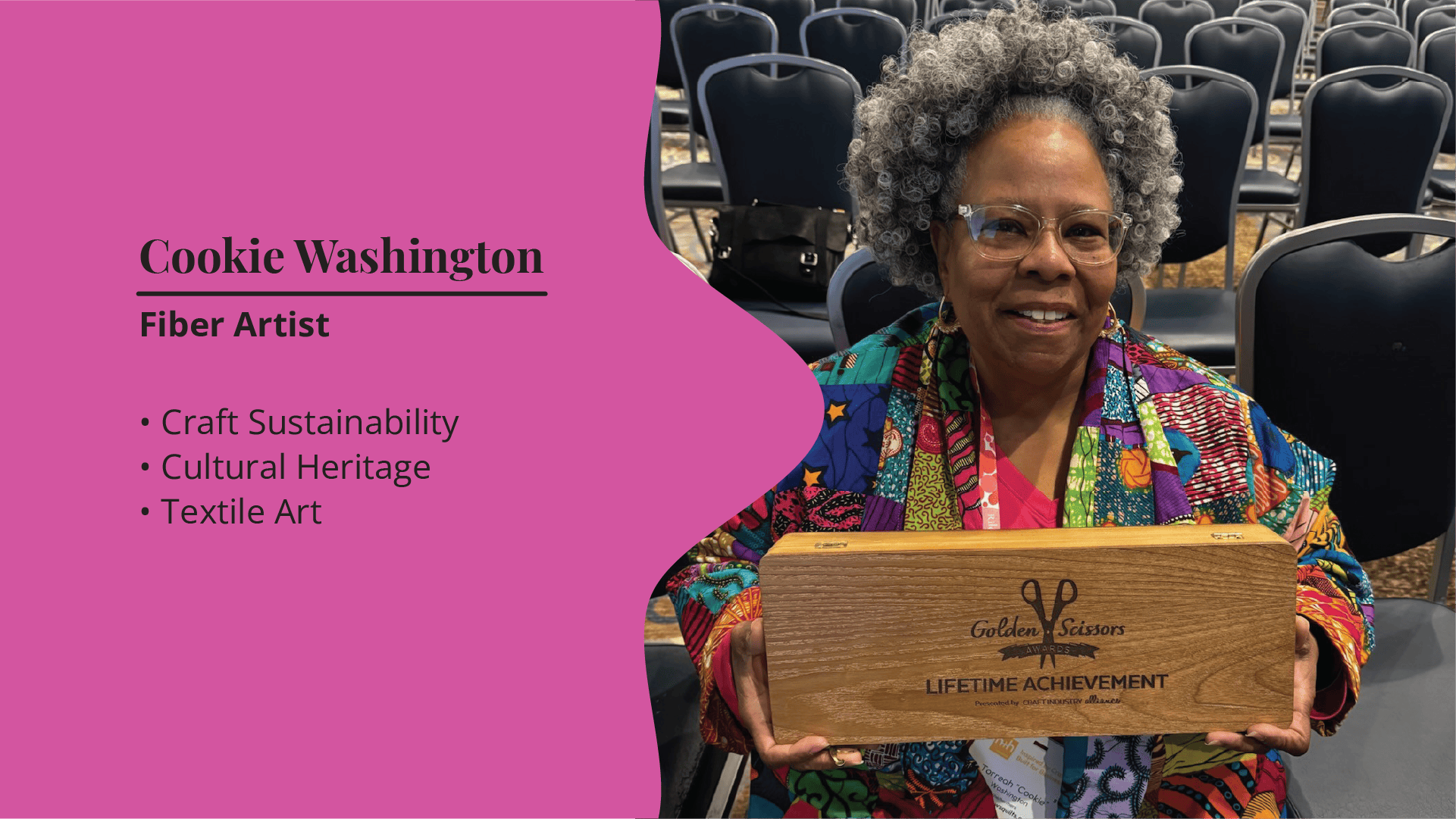
  • Cookie Washington

    Cookie Washington

    Interview

    Transcript

     00:00 Victoria Bartolotto 

    Hello, everybody! My name is Victoria, and I’m talking with Cookie Washington, a creative professional working from and within South Carolina. As we get started, can you tell us your current career and just where you’re from? 

    00:14 Cookie Washington 

    Hi, I am Cookie Washington, and I currently live in Goose Creek, South Carolina. I’ve lived in South Carolina for forty years, but I’m not originally from here. I came here and fell in love with the place, and I’ve stayed. 

    00:30 Victoria Bartolotto 

    Great, so before we get into the nitty-gritty details of your profession, can you give us a little elevator pitch about what quilting and ragging is? 

    00:41 Cookie Washington 

    You know how some people feel instantly comforted by a handmade quilt or a basket? You know that moment when your hands brush against soft fabric that has possibly lived another life? Well, I believe in a world drowning in fast fashion and waste; we’re desperate for things that last. Things that feel like home. That carry history, and that do not harm Mother Earth. 

    Futility is my line of handcrafted rugs, baskets, home goods, and totes rooted in the Gullah tradition of rag quilting, an indigenous no-sew method created from necessity. We transformed discarded textiles into soulful, functional art for everyday living. Each piece is made by me in the South Carolina Low Country using century-old techniques passed down by Black women who knew how to make beauty from nothingness. 

    I’ve been featured in some national press, and I’ve taught at the Smithsonian. Futility is redefining luxury as a sustainable, emotional, and ancestral craft. 

    01:52 Victoria Bartolotto 

    Thank you so much, that was great! 

    01:55 Cookie Washington 

    Thank you. 

    01:58 Victoria Bartolotto 

    So, as a quilter, is there anything that South Carolina, or the Lowcountry in particular, that brings some uniqueness to your work? What kind of influence does South Carolina have on it? 

    02:11 Cookie Washington 

    Being surrounded by water on three sides; I’m in the Charleston area, so we’re in a peninsula. The colors of the marshes, and the sky, and the beautiful birds that fly around in my neighborhood very much inspire me. I also try really hard to upcycle and reuse things that have gone before.  

    One of the ways that I got into this part of my career was, I lost my mother in October of 2023, and then I lost my brother 90 days later in January of 2024. I was obviously overwhelmed and in huge grief. I was both of their executors, and I didn’t know what to do with their clothing. I didn’t want to just throw it out. I’m a way different size than my mom was, so I couldn’t wear her clothes, and my daughters didn’t want clothes from their 89-year-old grandmother. 

    So, I was sitting, going through some things with my mom’s, and I found a really old picture of me and my grandmother, her mother, sitting on the porch, and we were weaving rag rugs together. I had kind of forgotten about that, and I thought, “oh, I know how to turn this into baskets.” So, I took my mother’s and my brother’s clothes, and I created a basket. For each of the cousins. My mother was the last surviving one of her generations. She had 16 siblings. 

    03:50 Victoria Bartolotto 

    Oh, wow. 

    03:51 Cookie Washington 

    She was very last one that passed. So, when the cousins came down for our memorial, I made baskets for the ones that I knew were really close and important to her. 

    I wove some things of my brother’s into that too. When he passed away, I wanted to present his son with a living memory, so I made him a beautiful basket as well. My brother had been in the military, and so I wove in some of his old uniforms, and he loved the beach, so there was beach clothing. I even ripped up one of his kites that he had used and put that all into a weaving to honor him. To make it as a piece of living memory that will hopefully last for a couple more generations. 

    04:39 Victoria Bartolotto 

    Yeah, wow, that is extremely touching and definitely personal. Is there a particular piece of clothing or cloth that you liked working with? I crochet, so I know a little bit about  handmaking stuff, and I know a lot of the different fabrics feel different when you’re working with them. Was there a particular one that you enjoy? 

    05:02 Cookie Washington 

    I use rag crochet, so I rip up old sheets or old clothing, into 1-to-1.5-inch strips, and I crochet with a size 7 needle. 

    05:13 Victoria Bartolotto 

    Mmm. 

    05:14 Cookie Washington 

    Because it’s really important to me because I found this statistic out, and it drove me crazy. There’s about one hundred fifteen pounds of textile waste that goes into the landfill for every single American every year. Think about it, there are three hundred fifty million of us. 

    So, one of the things that I do that I think is really important in my work is whenever I make something, I weigh it. And write it down so that I’m trying to get to zero. I have zero waste by the end of the year. I’ve made rugs that are 4 pounds, and 10 pounds, and baskets that are a pound and a half or something. I write that all down, and by the end of each year, I try to make sure that I have at least used my 115 pounds of textiles so that I’m taking them out of the landfill.  

    This is important to me because landfills are generally in the neighborhoods of people who look like me. It’s poisoning the land. It’s poisoning the groundwater, and I’m very concerned about that. Only about 15% to 18% of what you would buy from a thrift store or Goodwill is ever used. The rest of it is packed up and shipped to another continent to ruin their land. I’m trying in my very small way to help that. 

    06:39 Victoria Bartolotto 

    Before entering quilting professionally, did you have any fears about doing it professionally and making a living off of it, or was there anything that held you back? 

    06:51 Cookie Washington 

    Another great question, Victoria, thank you. Before I started quilting, I was making upscale wedding gowns. 

    I have a degree in nursing from Johns Hopkins, and I realized that I couldn’t do that. I was a neonatal nurse, and the first baby that died under my care, it was just devastating. So, I went home, and I’d just gotten married, and had my own babies, and I thought, “I have to do something.” It was easier for me to stay at home and take care of my children. And, I have sewn since I was four. 

    Being able to make beautiful upscale wedding dresses here in the Lowcountry, and as well as raise my children, I have three children, was very important to me. I did, at one point, get a little stressed about bridezillas, and I thought “I will do something different.” 

    I saw the most amazing exhibit; it was the Communion of the Spirits exhibit by Roland Freeman at the Gibbs Museum in Charleston. I had been gifted the book for Christmas the year before. To see those quilts in person, it was like…wow! I’m also a crazy activist. I realized that I was waging peace against people who were trying to wage war, and I thought. I have so much that I could say in cloth. It’s my voice in the cloth. 

    So, I could change the way that I was trying to get my point across in a more gentle, easy-to-digest way. So that’s how I started doing art quilting. I don’t do traditional [quilting]. This is not like your grandmother’s quilt. 

    08:45 Victoria Bartolotto 

    Oh, yeah. 

    08:46 Cookie Washington 

    I’m never gonna make a bed quilt that’s 9 patches or something. I work a lot with Black mermaids and African goddesses and queens in my work, and so that’s really important to me, because you don’t know where you’re going if you don’t know where you’ve been. I want very much, especially now that I’m the grandmother of three granddaughters, I want them to know that the history of Black women in America or in the world did not start on a slave station somewhere in South Carolina or Mississippi.  

    We have been regarded as goddesses for four thousand years. We need to remember that and claim that. Whether it’s a myth or whether it’s the truth, just knowing that there is some scholarship around those stories. I think makes you walk a little taller, makes you feel a little more important, and so I love that. 

    09:43 Victoria Bartolotto 

    Definitely, yeah. That is so important. Do you have any advice for possibly young adults or students who would want to get into just either quilting, ragging, or just making with their hands in general? Are there any particular skills? Obviously, there are some skills that one would need. What would be kinds of those skills? 

    10:07 Cookie Washington 

    Other than having the technical skill of being able to sew, or crochet, or knit, or weave, the thing that I think you most need is patience. Decisiveness, and you’ve got to learn how to market. That is so important, and you need to know your worth. I’ve seen there’s some incredible people who are crocheting clothes, which is something I don’t do. 

     But they’ll make an entire wedding gown, or the most beautiful coat, and they’re like, “oh, well, $300.” It’s like, “no, no, no, there’s $200 worth of yarn in that.” 

    10:50 Victoria Bartolotto 

    Yes. 

    10:52 Cookie Washington 

    I usually keep a little notebook when I’m sitting in my studio. I’ll say, “Okay, I started working on this particular project at 9 AM, and I go through lunch, and I sign off. Okay, I did 3 hours.” At the end of the project, you’ll know how many hours you spent. I pay myself about $25 an hour or more, depending on the technique that I’m using. You add that up, plus the price of your ingredients.  

    I’m currently working on a really cool orange and pink, large tote bag out of tee-shirt yarn. And, I’m at hour five, and I think I’ll be able to finish it in about nine or ten hours. I need to know that for myself, so that I can price it correctly. 

    I would say to many, many people who are trying to get started in this, in any kind of arts career, find a mentor who will be very honest with you. Sometimes you think that you’re doing something fantastic, and it’s not quite there. Or you’re just duplicating something else. You want to be original; you don’t want to be a copyist. 

    The other thing I would suggest to people, especially in any kind of textile arts: go to the most expensive, like Neiman Marcus, or iMagnon or something, and look at what they’re selling their handmade, crocheted, or knitted goods for. Take that as a way to think about pricing your stuff. Everything that they’re getting is probably coming from overseas, and they’re probably not paying those people anywhere near what they’re charging. So I think that it’s important for us to, especially in America, at this time, where it’s so difficult to find work-work. As we’re becoming more hands-on. I think we’re switching back to analog work. Rather than an infection of AI or whatever.  

    I think we just need to know our worth, and we need to work hard to be successful. Some people think, “Oh, I’m going to start a business, and I’m gonna be able to have lunch with my friends three days a week, and I’m going to get to go sailing.” No, you’re gonna sit in your studio sometimes till two o’clock in the morning, but if you want it badly enough, it really will happen. 

    13:34 Victoria Bartolotto 

    I can totally empathize with the whole textile situation. I have friends who will ask me for sweaters, or for blankets, and they’re like, “Oh, well, can you get it to me by the end of the week?” I’m a full-time student, and I’m working two jobs. I would look at them like, “That’s gonna take me at least fifteen hours to do.” 

    13:56 Cookie Washington 

    Even if you weren’t, you’re not a genie. You’re a craftsperson. 

    14:03 Victoria Bartolotto 

    So, I can totally imagine. 

    14:04 Cookie Washington 

    When they ask you for something for free, I think that’s the hardest part. It’s learning to say no. 

    You want a blanket for the baby, and you’re always glad when someone is bringing a new life into the world, but if you spend ten hours on that, and they say, “Oh, I’ll pay for your yarn.” The yarn is the smallest part of it. It’s your labor, it’s your love. You need to be compensated for that.  

    I think telling people, “Oh okay, well, my crocheted baby blankets start at $450. My hand-crocheted or hand-quilted baby blankets start at this other price, and this is why.” 

    Then shut up, because people go “$400 for a baby blanket? I thought…” Let them talk themselves into it or out of it. No is a complete sentence. “No. I will not make you a baby blanket for $50. Unless it’s out of air.” Be very firm and confident in yourself. 

    15:20 Victoria Bartolotto 

    Yeah. Well, thank you so much for taking the time to speak with me today. I am so grateful and honored to hear from you, especially from somebody who works with textiles as well.  

    15:30 Cookie Washington 

    You have a wonderful afternoon, hon! 

    15:33 Victoria Bartolotto 

    You as well. It was a pleasure speaking with you. 

    15:35 Cookie Washington 

    It’s a pleasure speaking with you too, hon. Bye-bye. 

  • Carol Black-Lemon

    Carol Black-Lemon

    “Avoid comparing yourself to others—learn from them instead.” 

    Quick Facts

    Level of Education: Undergrad/Associate 

    Years of Experience: 25 Years

    About

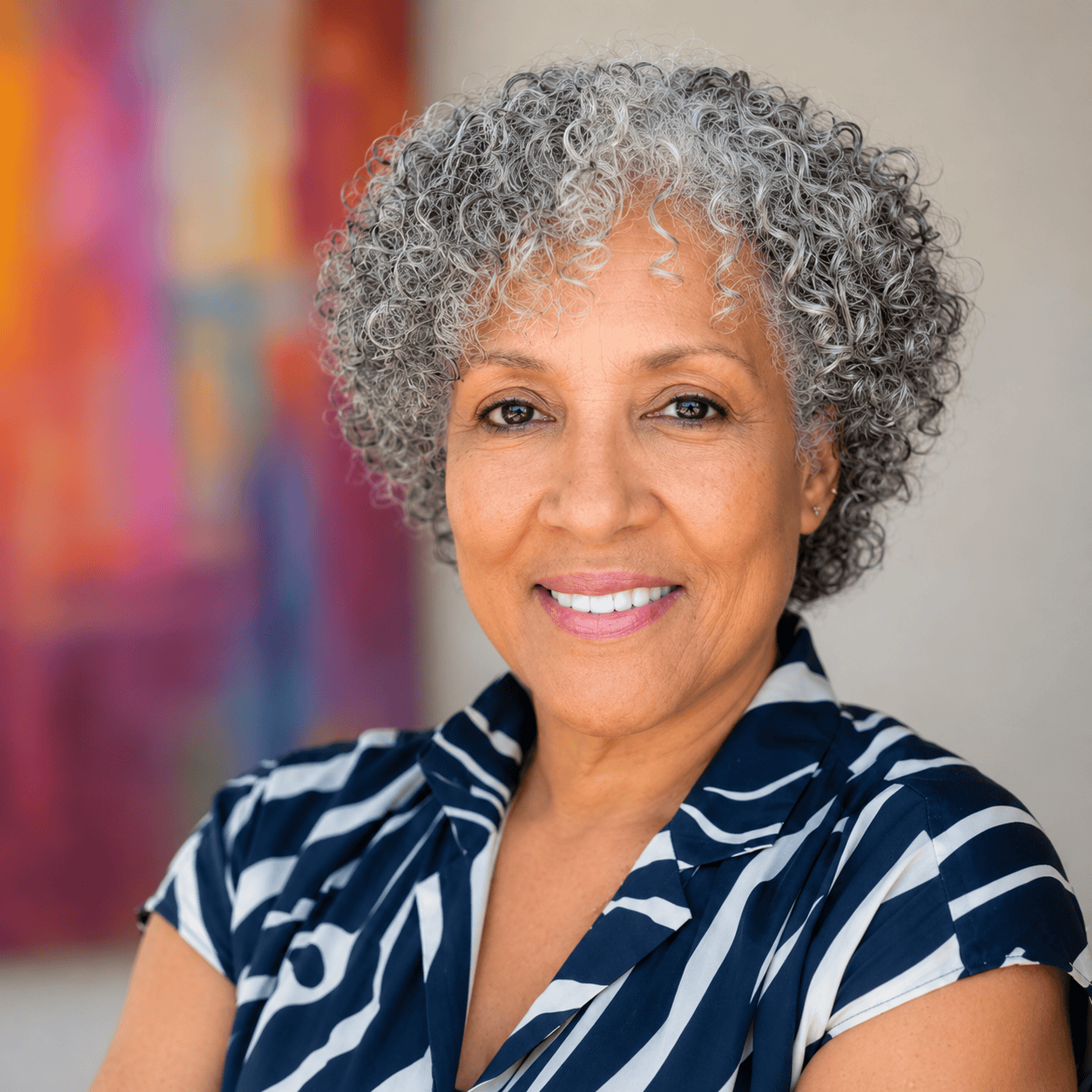
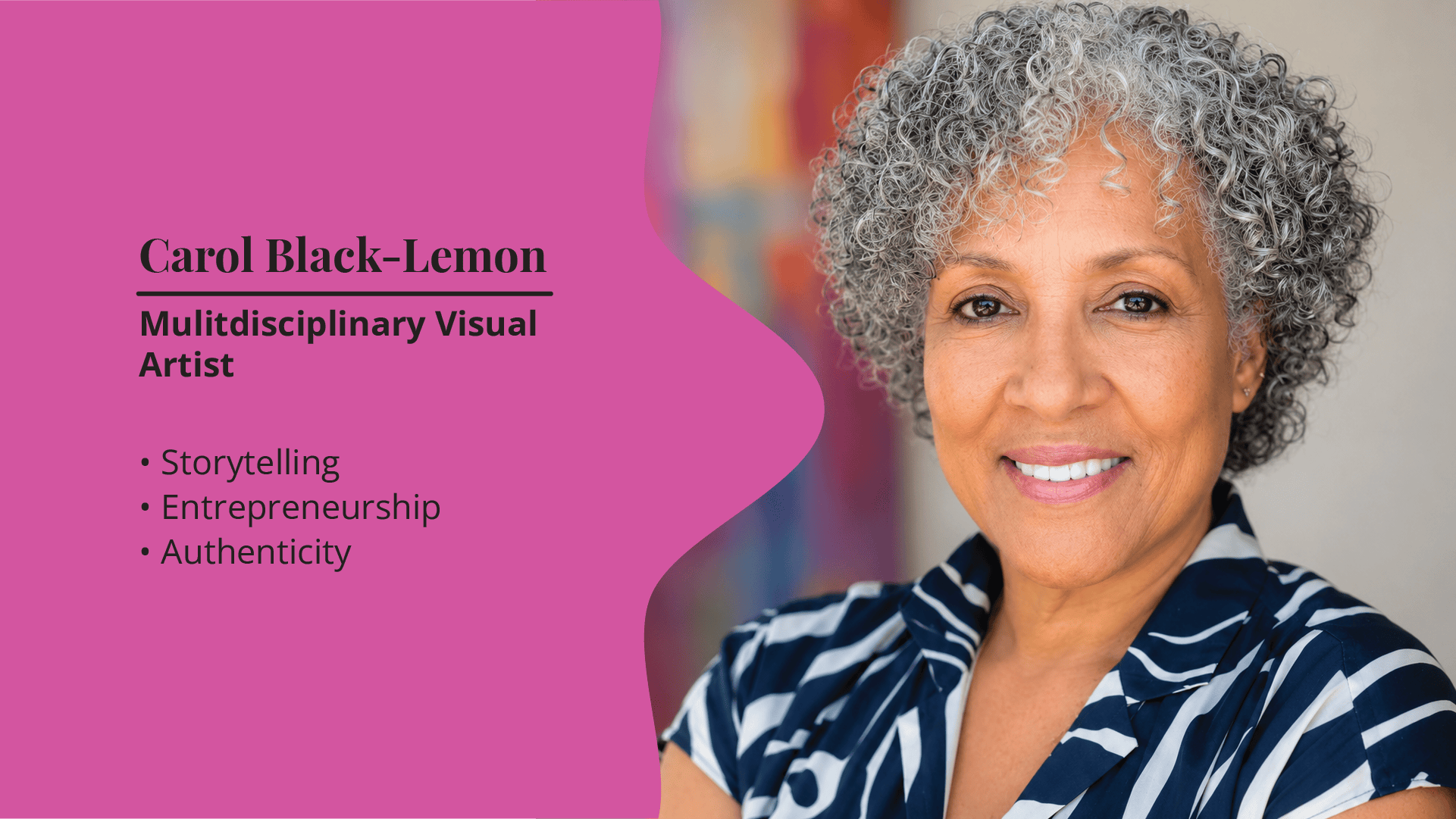
    Carol Black-Lemon is a multidisciplinary visual artist who creates expressive, story-driven work that explores heritage, identity, and human connection. She fosters creativity and community through the art and outreach of others, taking pride in her own creative freedom. Carol balances her own artistic exploration by serving her community through collaboration, exhibitions, and creating spaces for the nurturing and sharing of creativity.  

    Carol prides herself on embracing challenges and committing to her art. From an early age, she had been drawn to art as an outlet to express herself and make sense of the world around her. Carol says she “didn’t wait for a seat at the table” and made her own, choosing instead to create, exhibit, and engage in art her own terms. At sixty-nine years old, Carol views her life as a powerful continuation and wants to set an example by living life creatively. 

  • Cookie Washington

    Cookie Washington

    “Stay consistent, and keep quiet about your ideas in development, lest negativity causes you to stumble or pause.” 

    Quick Facts

    Level of Education: Graduate School

    Years of Experience: 50 Years

    About

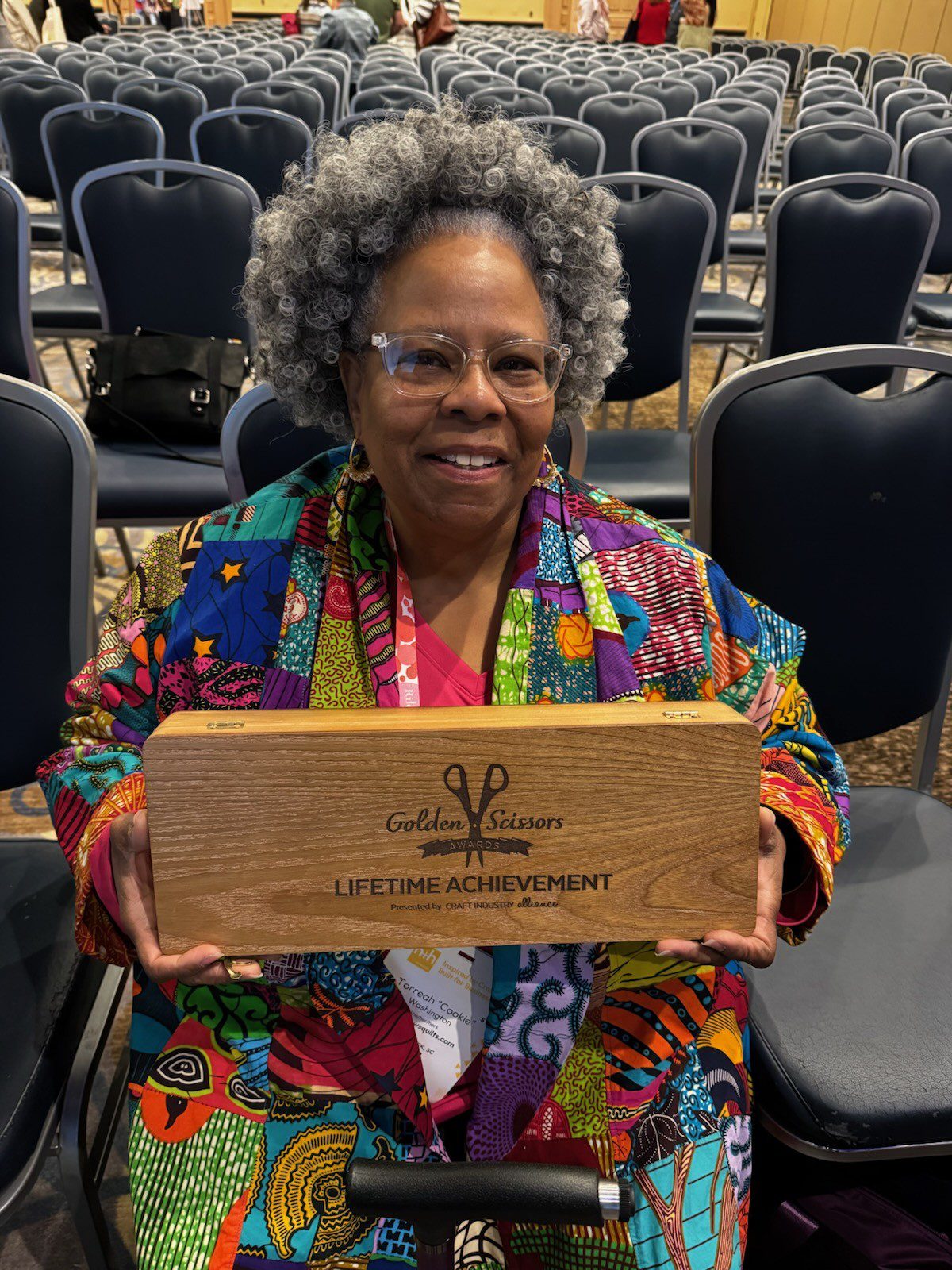
    Cookie Washington is a fiber artist whose work centers on art quilting, doll making, and upcycled home décor rooted in cultural tradition and sustainability. She creates and teaches handcrafted rugs, baskets, and home goods using Gullah rag quilting, upcycled fabric coiling, and rag crochet ancestral, no-sew techniques that transform fabric into textured, functional art. 

    Her journey into the field began within a family tradition of making. Born into a family of multi-generation needleworkers, Cookie started sewing by the age of six. She shares, “By sixteen I was working with my mother, creating costumes for entertainers and making wedding gowns.” This early immersion developed into a lifelong commitment to craft, culture, and teaching. 

    The foundation of her work lies in cultural preservation and heritage practice. She explains, “Yes, I am teaching and crafting Gullah Rag quilts. This craft centered in the Low Country, has almost died out. The last person known to teach this has retired due to illness. I was taught raggin by her, and though I am not Gullah, I am a heritage crafts keeper.” Her work continues traditions that are at risk of disappearing while adapting them for contemporary audiences. 

    Her contributions to the field have gained significant recognition as she was recently named the 2026 Sam Doyle Artist-in-Residence. The residency is affiliated with the Penn Center National Historic Landmark District on St. Helena Island and recognizes artists working within Gullah Geechee tradition and is committed to cultural preservation and environmental stewardship. Her work has also been featured in major publications, highlighting the growing recognition of fiber arts within national conversations. 

    Cookie emphasizes the broader cultural and environmental significance of her practice. She explains, “In recent months, my work has also been featured in the Post and Courier here in Charleston, and I have been featured in the Saturday Evening Post. Together, these moments feel like part of a larger shift toward recognizing fiber art, particularly African American fiber traditions, as a vital part of American art and environmental dialogue.” 

    Through her ongoing work and the development of “Beautility,” she explores the intersection of sustainability, heritage, and design. She examines how sustainability, heritage, and design intersect, turning what has been discarded into objects of beauty, use, and cultural meaning. She believes there is a larger national story about craft as legacy, about Black women’s work becoming more fully visible, and about the role of traditional practices in addressing contemporary environmental concerns. 

  • Kathy Phillips

    Kathy Phillips

    “Stay true to your creative path—there are remarkable opportunities waiting for those who persevere.”  

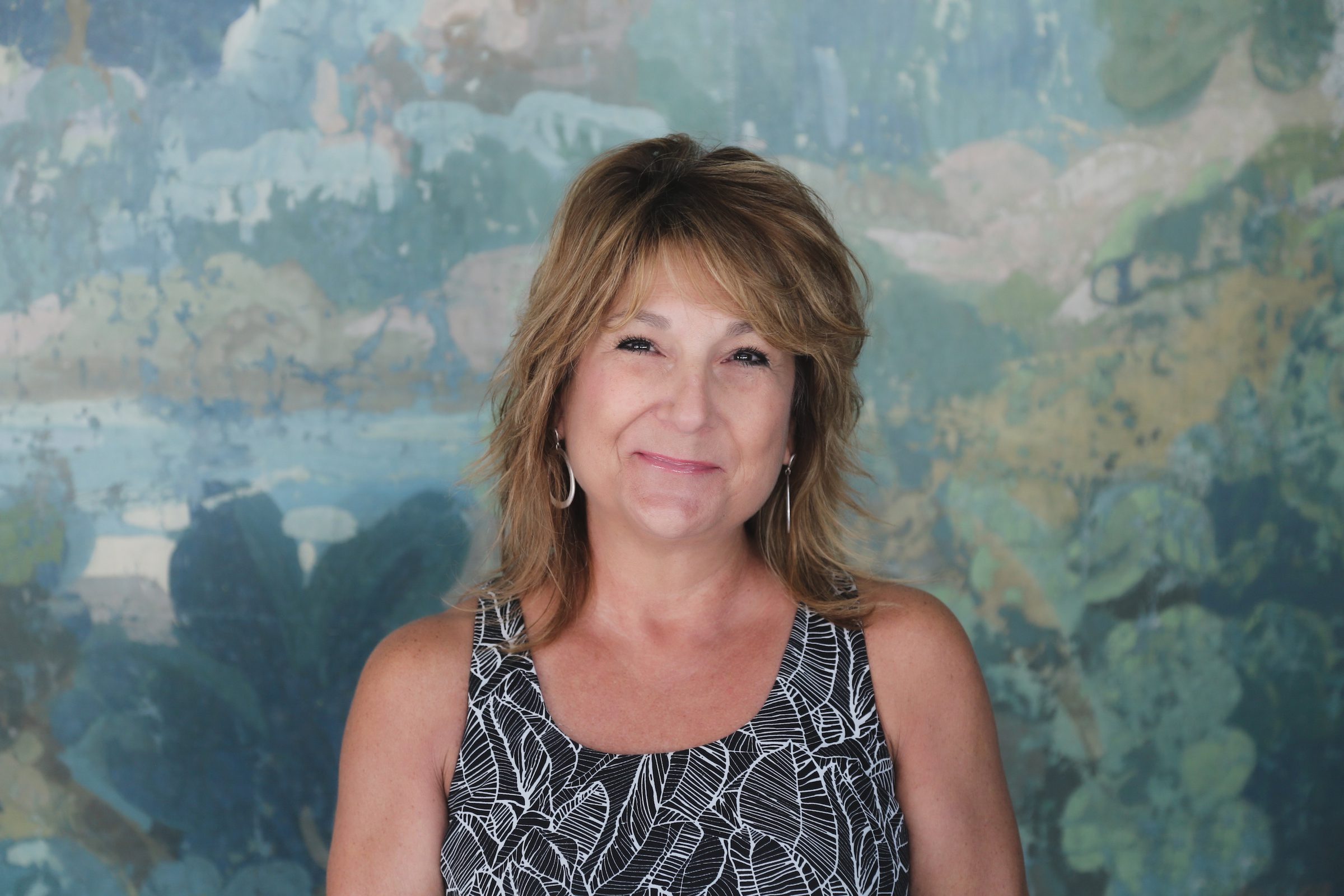
    Kathy Phillips is the Chief Curator at Baxter Mill Archive. She holds an MFA in Theatre Design with a concentration in costumes.

    About

    Kathy Phillips is an accomplished Creative Director, Chief Curator, and textile expert with over 25 years of experience in the home, apparel, and quilting/craft industries. Currently serving as the Chief Curator at Springs Creative’s Baxter Mill Archives, Kathy leads the creative development of a vast collection of over 1 million antique documents, textiles, hand-painted artwork, and rare European textile books.

    Throughout her career, Kathy has worked with esteemed home furnishing companies, curating artwork and inspiration that reflect evolving consumer trends and uphold brand integrity. She has successfully directed high-profile brand launches, including the Springmaid rebrand in collaboration with Target and Genevieve Gorder, and has expanded product lines at JLA Home, overseeing collections for prominent brands like Natori and Woolrich.

    A passionate educator, Kathy has taught textile design at Winthrop University and the Art Institute of Charlotte and holds creative workshops for local fabric stores and quilt guilds. She holds an MFA in Theatre Design, with a concentration in costumes, from the University of Connecticut. With a keen eye for design and a commitment to preserving and advancing textile arts, Kathy continues to shape the industry through innovative brand strategies and creative vision.