Career Area: Content Management

  • Kelley McDonnell

    Kelley McDonnell

    “You should love what you do, because even if you love it, there are still days that feel a little mundane.” 

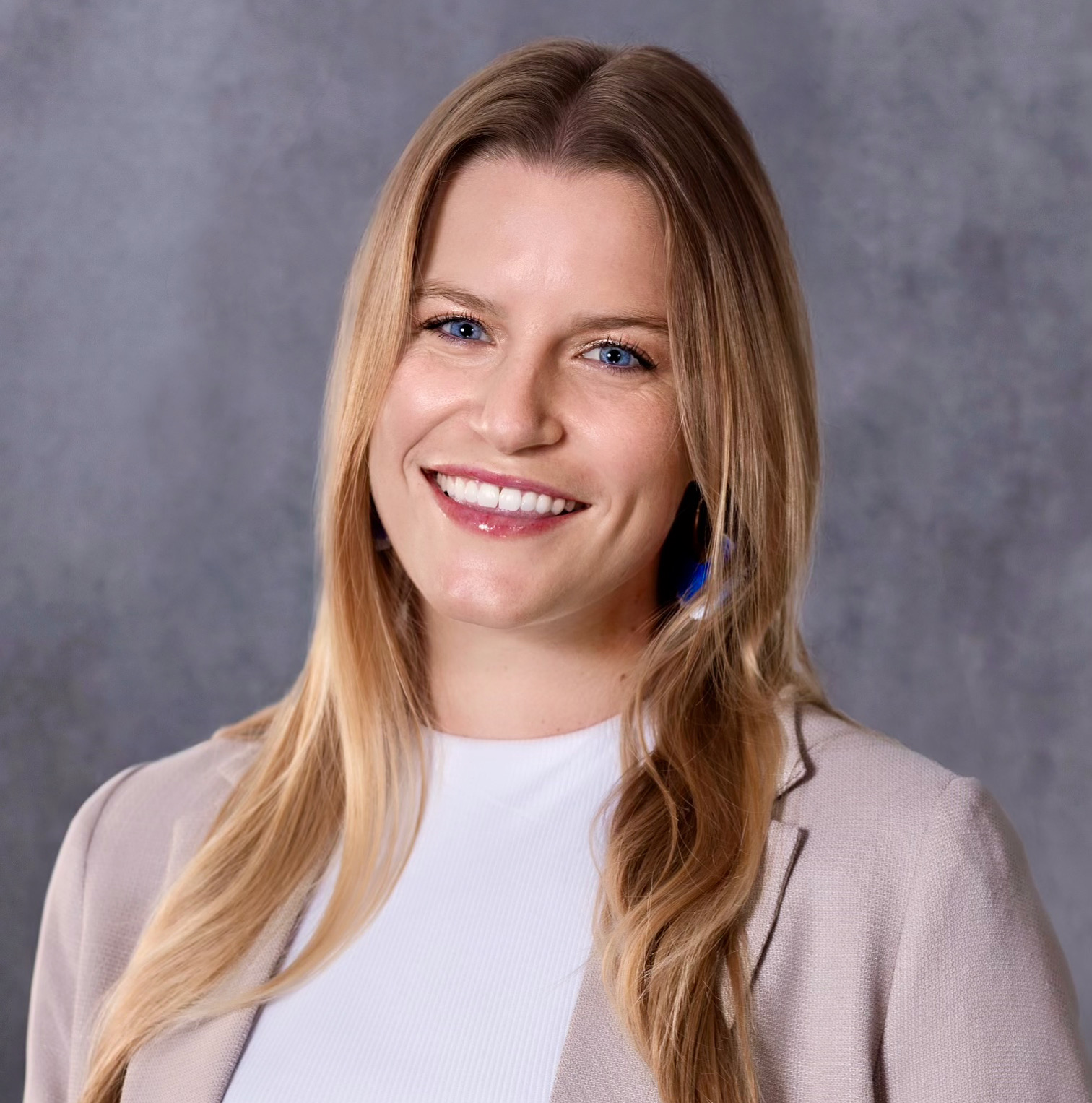
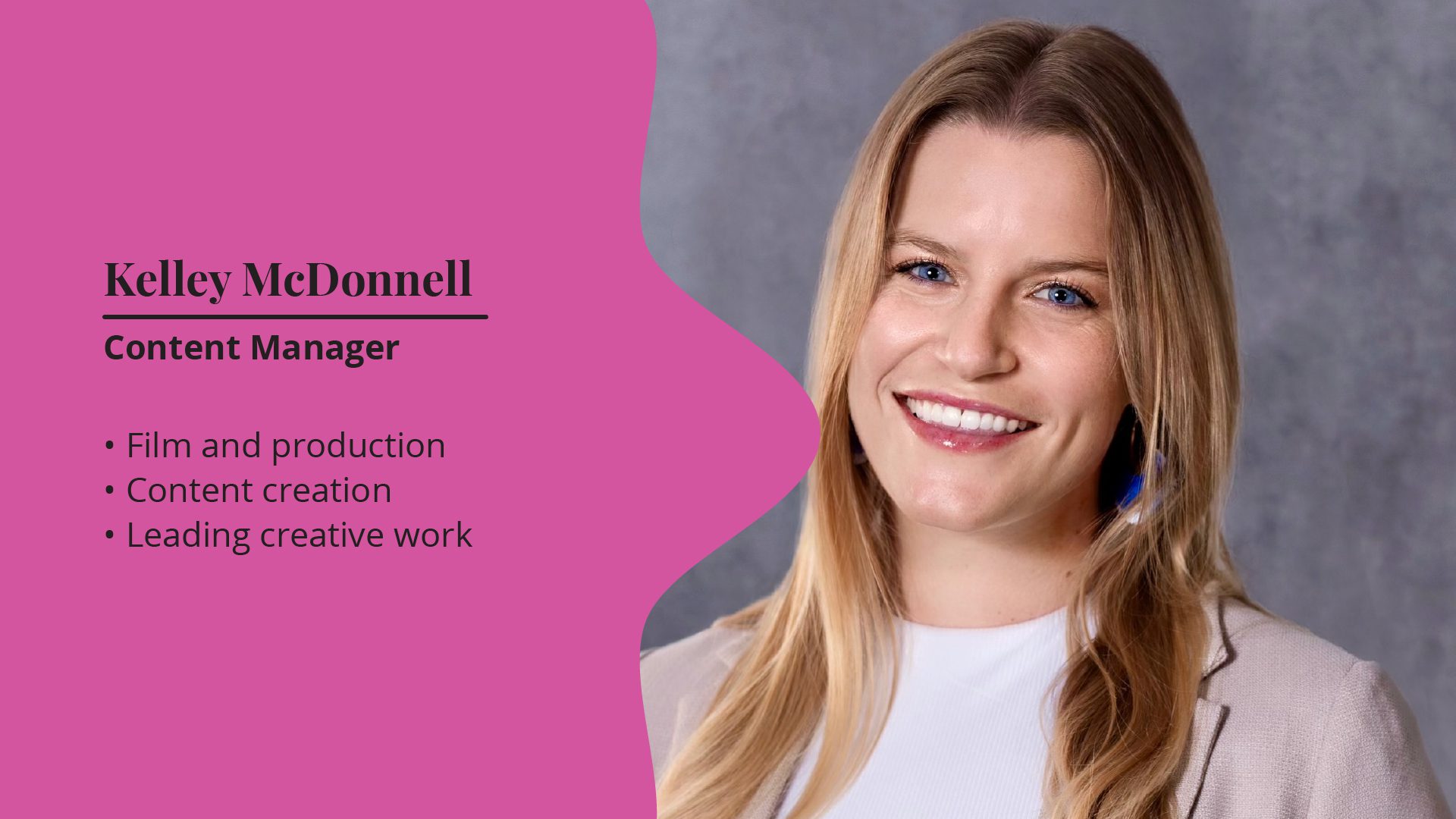
    Kelley McDonnell is a content manager at Visit Myrtle Beach. She channels her passion for storytelling into promoting her hometown’s creative spirit. 

    Interviews

    Transcript

    Emma Plutnicki  00:02 

    Okay, so to start, what do you do for work and where are you currently working from? 

    Kelley McDonnell  00:08 

    Okay, I am the content manager for Visit Myrtle Beach. In Myrtle Beach, South Carolina. 

    Emma Plutnicki  00:13 

    Amazing. How long have you been doing that?  

    Kelley McDonnell  00:16 

    For just about a year.  

    Emma Plutnicki  00:19 

    Okay, amazing. And so, what’s one thing that you love about working in Myrtle Beach specifically? 

    Kelley McDonnell  00:25 

    In Myrtle Beach specifically? Well, I am from here originally, so when I majored in Film and Media at South Carolina, and then when I graduated, I went to LA and did film production over there, and then I went to Nashville, and then Savannah, Georgia, and then I had kind of gathered all of this information and new skills and decided that it was time to move back home and apply those skills. So, I think my favorite part about working in Myrtle Beach is that I am from here originally, and I feel like all of the growth that I’ve seen since I was last here, when I was in high school or early college, has been insane. So now I feel grateful to have a job where I can kind of show that to the rest of the world, how much Myrtle Beach has grown, but in a creative way. 

    Emma Plutnicki  01:16 

    Yeah, amazing. And so, you’ve been all over the country, it sounds. So, what is special about South Carolina, and does it have any unique influence on your work as compared to other places that you’ve worked in?  

    Kelley McDonnell  01:32 

    Yeah well, I think again, it’s more because I’m from here originally, that makes it feel extra special. But I think that there’s a lot of interest in South Carolina. I know that there are some other destinations within the state that are looking into having a local film commission. I know there’s a lot of film production and sorry, that’s my level of expertise. So that’s what I always talk about. I know there’s film production a little bit in Charleston. I know we here at Visit Myrtle Beach are very passionate about starting up a local film commission here as well. So I just think there’s a ton of interest, and I think that eventually it’s going to start to catch on, and people such as yourself and the people that are studying these types of careers are going to find a way to make it happen, because I feel like that’s kind of what I did, is I didn’t feel like there was a lot of opportunity for me at the time when I had graduated high school and even a little bit of college, and then I kind of went out and learned and came back, and then I realized I could do anything. I can do it here, for sure. So I think it just takes some education and some other people that work within South Carolina who can kind of share what they’ve learned and what they’ve gathered over the years and hopefully inspire people to stay and not feel like they have to go out of state to work in the arts. 

    Emma Plutnicki  02:57 

    Yeah, amazing. And so, how would you describe the local professional community here? Is there a lot of support that you lean on? 

    Kelley McDonnell  03:04 

    Yeah, definitely. When I first moved back here from Savannah, there were a lot of local people that worked in film production that were freelance, so this was all they did. And so, I was able to find some work through them, and because of that, that was kind of how I got introduced to the folks at Visit Myrtle Beach and how I have the job that I have now. But I think, my superiors here at my company, are all very passionate about moving it forward, especially professors at CCU like Michael, you know, who have expressed interest and in growing the education of film production and just art in general, in the area. So, I feel, like I said, there’s a lot of interest. It’s just a matter of taking the actual steps. 

    Emma Plutnicki  03:56 

    Yeah, definitely. And within a creative career, it can be hard sometimes to know what success is. So how do you define success, both personally and professionally? 

    Kelley McDonnell  04:08 

    That’s a great question. I feel very passionately that success, to me, is defined as feeling excited about getting up and going to work every day. And, you know, obviously there are those days where it’s, you know, but generally speaking, I feel very grateful to do what I love. I know that there are a lot of people out there who don’t and who dread going to work and who just do it for the paycheck, and I feel grateful that I love what I do. I love the people I get to interact with. I love creating and putting content out there for everybody to see. I love interacting with people. I love knowing what they think, and how can we be better, and everything’s always moving and changing and evolving. And I love that kind of fast paced speed of it. But I think that success is just looking forward to going to work and not feeling like you’re just collecting a paycheck. That’s how I feel, at least.  

    Emma Plutnicki  05:02 

    Yeah, that’s definitely refreshing to hear. But did you have any fears going into this career? 

    Kelley McDonnell  05:07 

    Yeah, definitely when I first started. Actually, the majority of my career up until this point has been freelance, and that is definitely scary because you don’t have any job security, and kind of have to fend for yourself to get work, there’s a lot of hustle involved. And that’s really why I wanted to sit down and talk with you about this. Because when I was in college, somebody came and spoke to our class about, you know, the first couple of years getting into the industry are really hard, but you just have to keep pushing through. You kind of feel like you’re not sure which way is up and what’s happening, but, if you just keep your head down and keep putting the work in and remind yourself how much you love it and how great it’s going to be when it does work out, that’s kind of what got me through. But the biggest challenge was definitely not knowing when my next job was. Am I ever going to get a check from those people that were kind of sketchy, that kind of thing? So, it was definitely a little nerve wracking, but it got me to the point where I am today. So just, you know, keeping your head down, keep on trucking. Do follow your instincts kind of thing.  

    Emma Plutnicki  06:16 

    Yeah, I love that. And throughout your career, has there been a specific moment or project that you’ve worked on that really stands out in terms of, you know, having a significant impact on you or your creative journey? 

    Kelley McDonnell  06:30 

    Yeah, that’s a very interesting question. A handful of years ago, I had the opportunity to direct a promo for an FX show called The Patient, and the lead in that show was Steve Carrell, so I got to interview him and direct him in some promo work for that show, for FX, and that, to me, really felt like an “I made it” moment for me and I think it was just because I had worked with a ton of celebrities previously, but never in the director’s chair. And so that was my first time as like, I’m the person that people are asking the questions to. I’m the one making the decisions. And it felt very natural, and I felt like I was in the right place, doing the right thing. And it felt very good. And then kind of after that, it was like, Okay, now what am I going to do next? So it’s kind of a, it was a pivotal point in my career, because I felt like I had hit this ceiling, almost in a way, and then it was like, Okay, what am I going to do next? And it just kind of fueled me into the next phase of my career, which is how I ended up here. 

    Emma Plutnicki  07:41 

    Yeah, that’s amazing. That must have been incredible to work on that project.  

    Kelley McDonnell  07:46 

    Yeah, it was really fun.  

    Emma Plutnicki  07:51 

    Yeah, oh my gosh. And so along the way, I’m sure there’s been roadblocks and struggles, but has there been anybody that’s offered you advice, either good advice or bad advice? What kind? 

    Kelley McDonnell  07:59 

    So many people, I can’t even tell you. I mean, there have been people that I met on set that day that were complete strangers, that are just kind of like, Hey, I know what it’s, what it’s like to have just moved to LA or to have just graduated college, keep doing what you’re doing, you know, whatever, whatever. And I’ve had the opposite, where people are like, Get out now you’re still young. Like, get a get a real job, while you still can, you know, go learn how to be an accountant. I wish I did, or whatever. And you just kind of have to take each of those things with the grain of salt, the good and the bad, because it’s not always as glamorous as people think, and it’s also not always as bad as people may think. So, at the end of the day, I think you just have to trust yourself and remember that it’s just opinions. No matter who it’s coming from, it’s just opinions. At the end of the day, all that matters is what you think and how you be yourself. So yes, I’ve gotten a ton of advice, good and bad over the years from so many different types of people. But you know, you just kind of have to internalize it and decide how you want to use it from there. 

    Emma Plutnicki  09:09 

    Yeah, for sure. And so nowadays, what does your typical work day look like? What do you usually like? What is expected of you? What do you get into? 

    Kelley McDonnell  09:19 

    So, it’s really fun. It’s different all the time, which is what I like. I think a lot of people who work in the arts and creative people like for it to be different. But since I am the content manager for Visit Myrtle Beach, I kind of manage all of, any kind of content that we put out, from social media to blog articles on our website, any kind of advertisements that we put in any publications or on any websites or anything. I’ll write all the copy for it and determine which images to use. We also do commercial shoots here for the destination, which, again, is why I love my job, because I’m passionate about the city, because it’s my hometown. So yeah, we do commercials, photo shoots, things like that. So, day to day, it’s more, it’s a lot of scheduling, which I learned how to do in LA on set, which is great. So, it’s definitely a lot of scheduling, a lot of coordination with a lot of people that are local. But I meet so many different people and interact with so many different people every week that I feel like this world just keeps getting smaller and smaller, in a good way. Yeah, so sometimes we will step out and go shoot something at the boardwalk. Sometimes, you know, we do have the Myrtle Beach classic. So sometimes I’m out on the golf courses doing some content for that. So it’s definitely always exciting, it’s different every day, which is great. 

    Emma Plutnicki  10:42 

    Yeah, that must be a lot of fun. And so, I’m sure there’s certain events that go late into the night or on weekends. So how are you able to manage a better like work life balance? 

    Kelley McDonnell  10:53 

    Yeah, that’s a great question. That’s a great question. That was something that I had really struggled with when I was freelancing, because, like I said, I didn’t know when my next job was coming, so any job that was offered to me, I took it because I didn’t want to be ungrateful. I wanted to always take advantage of any work that was coming my way. So, I did not have a good work life balance. But I feel like that’s what your 20s are for, is figuring that out. So yeah, I have definitely gotten a lot better at it. There are, thankfully for me in this job, the events and the things that require me to stay late or work on the weekend are fun. So, it doesn’t feel like work, like going to work the Myrtle Beach classic on a Saturday and Sunday. It doesn’t feel like, Oh, I’m losing my Saturday and Sunday. It’s like, I get to go to the Myrtle Beach classic for free, and I get to just walk around there, enjoy the weather, interact with the people who are having a good time. So it just depends there. And that’s not to say that there are some times where things run a little late, and it’s a little bit of a bummer, but I always just practice gratitude, and I think that’s the best way of looking at it, is that, you know, if I, if I didn’t go to these events, that means that I don’t have this job, and who knows what I would be doing if I didn’t. So, I think just always kind of looking for the positives, when things like that are always going to come up. I think in any job, any career, where you have to do something that’s on your own time, or you might have to miss something so you can go to a work thing. But I think just reminding yourself the good parts of it and keep you in check. 

    Emma Plutnicki  12:30 

    Yeah no, that’s a great way to reframe that. I love that, so amazing. So just as we wrap up, is there anything else you’d like to add about your path, your career, or any advice along the way?  

    Kelley McDonnell  12:44 

    Yeah I mean, I would just say advice that really worked for me, like I was saying kind of towards the beginning of this is just trust yourself if you life is too short to do something that you don’t want to do, especially when it’s, you know, we’re expected to work 40 hours a week for however many years of our life, you should love it, you should love what you do, because even if you love it, there are still days that feel a little mundane. So may as well love it the majority of the time. But yeah, and just think, you know, when I was growing up, it was definitely like, go to college, get the job that’s gonna make money. You know, Do this, do this, do this, do this. And I’m so glad I didn’t do that. I’m so so glad that I stuck with art and figured out a way to make it work for me. And I just would say that anybody who is passionate about it, you should try to do your passion for work. 

    Emma Plutnicki  13:37 

    Yeah, I love that. Well, thank you so much.  

    Kelley McDonnell  13:42 

    Yeah, of course.
  • Eugene Rocco Utley

    Eugene Rocco Utley

    “I would rather fail at pursuing a passion that I love rather than playing it safe, and never truly pursuing it.” 

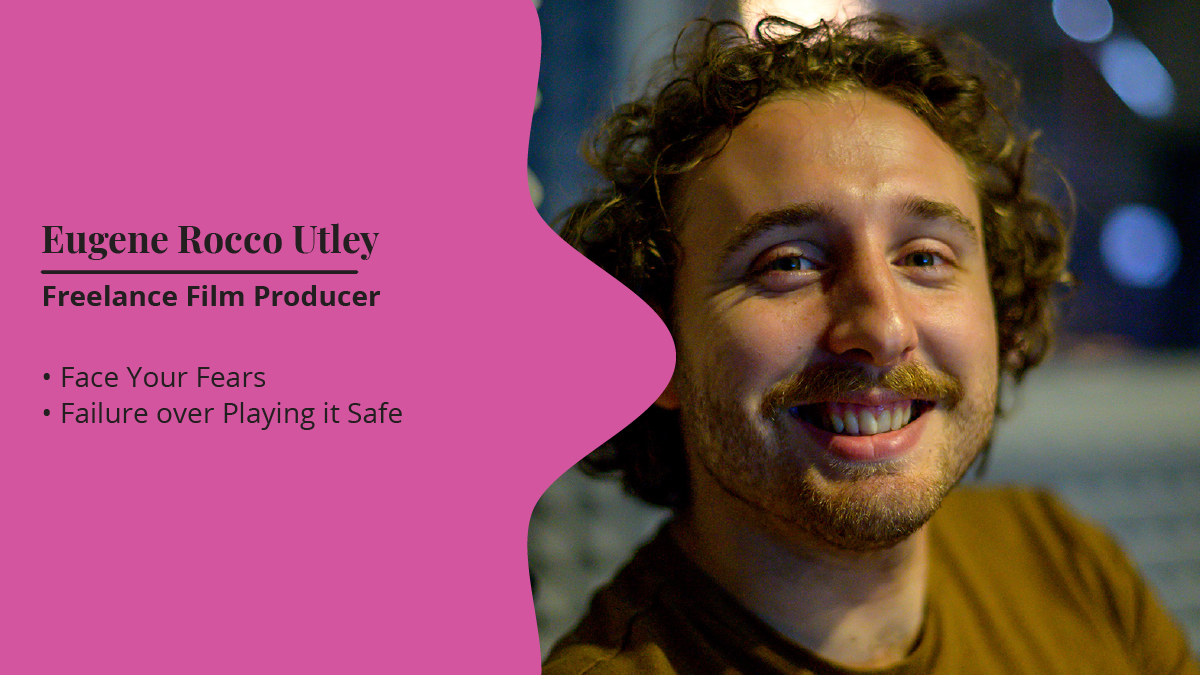
    Eugene Rocco Utley is a freelance creative professional based in Myrtle Beach. By day, he manages marketing and advertising for Coastal Carolina National Bank (CCNB), blending strategic communication with local insight. Outside his 9-to-5, Utley pursues freelance work in film production, with experience in both commercial and narrative projects.

    Interview

    Transcript

    Lexi Raines  00:00 

    First, just give a little introduction of yourself. What do you do and where are you currently working from? 

    Eugene Rocco Utley  00:06 

    Yeah, so my name is Eugene Rocco. I was born and raised in Myrtle Beach, South Carolina. I went to Clemson University for undergrad, but I also did a couple years at Coastal Carolina University. Right now, I’m still stationed in Myrtle Beach, working locally, as I currently work for CCNB, Coastal Carolina National Bank for my nine to five job. So, I do all their marketing and advertising there and then on the side, in freelance, I work with film production and commercial work and narrative work. 

    Lexi Raines  00:39 

    Okay, that’s awesome. So how long have you been doing freelance videography and filmmaking?  

    Eugene Rocco Utley  00:50 

    So, I’ve worked with freelance videography and filmmaking ever since just getting right out of college. I was just doing, I did my first couple of film projects while at college, and then was able to, just as soon as I graduate, was just doing as many jobs as I can while working a serving job. Then, I started just doing my own little producing, seeing just whatever projects I could create for little to no budget, and just kind of growing my network from there as much as I could, while also working with jobs more nine to five pertaining to the film world. 

    Lexi Raines  01:22 

    Yeah, that’s awesome. So, you said that you have lived in South Carolina your entire life. What’s one thing that you love about working as a creative in South Carolina?  

    Eugene Rocco Utley   01:36 

    One thing that I really love about the South Carolina creative community is the fact that we have such, I think, a very versatile market around here for any kind of creatives. You’re able to find a lot of very passionate people who are really able to have a range of talents or credits to their name. It’s something where it’s still a very growing area, especially relative to any other gigantic states like New York or California, but here, it’s something where everyone kind of is still having a voice to prove and there’s still so much that whenever you get to create your network with people, they’re willing to really go the extra mile and work with you. And you just can find so many different kinds of communities just through that kind of shared passion? 

    Lexi Raines  02:22 

    Yeah, I’ve actually interviewed a few other filmmakers, and they said the around the same thing, they just said that the community is just so willing to collaborate, and y’all are all just excited, excited to be here. Yeah? So what does South Carolina bring to your work? Does it have like, any unique influences on you compared to being anywhere else. 

    Eugene Rocco Utley   02:52 

    Yeah, well, I think that there’s a lot of diversity of work here that you are able to find. So like, you’re able to find like different markets that offer different ranges of work. I’m not sure if that answers your question, but like, for example, I’ve worked in Greenville areas while I was close to Clemson. I still travel up that way, and there’s a very potent market for creatives there, especially with filmmaking and a very growing area, especially since it’s so close to areas like Atlanta, Asheville, Charlotte etc, you’re able to find a lot of business work there as well. Around the coastal regions, you’re able to find a lot more local work and very strong, tightly knit communities of work. Here in Columbia, you’re able to be very commercial business focused. Well, if you even go to like the low country or like Aiken area closer towards, like the Georgia borderline, you’re able to find a lot of really small, like, I said, kind of like around here, like very tightly knit groups, but it’s very home oriented. So there’s just a lot of different ways that you’re able to find different markets that you can thrive in as a creative that are just completely just pertain to different parts of the region of the state. So you do definitely have a lot of versatility of options and just which directions you want to go within the state itself, which is very nice. 

    Lexi Raines  04:08 

    Yeah, that’s awesome. I didn’t know that there are so many different types of filmmaking that relies so much like on your area. So, you said you’re located in Myrtle Beach now, yes, correct. So how would you describe the local creative community here? 

    Eugene Rocco Utley   04:29 

    Yeah, in particular to here, I would say there’s, there’s a lot of people. It’s very closely knit, I think, where there was someone that I just happened to work with on a film project where I was paying and doing grip work for them, just like on the side, and then less than a year later, I reached out to them, and they’re working on a DP for a project that I was creating, and I still work with that person pretty regularly. So, it’s something where it’s not a gigantic area for filmmaking, for particular but once you find people, it helps, because you’re kept in mind, whenever they do have a project turn up, and we’ve worked with multiple projects together, and there are plenty of other people I could say the same for of just how many times you’ll find yourself kind of crossing paths with them again around here. 

    Lexi Raines  05:17 

    Yeah, that’s awesome that y’all can all stay in contact like that. So how would you define professional or personal successes in, like, your creative endeavors? 

    Eugene Rocco Utley   05:31 

    So,I think when you’re saying creative successes, are you referring mainly to, like, just in personal work, or how it relates to personal successes if that makes sense? 

    Lexi Raines  05:45 

    Yeah, like just in your life, in films, you’ve worked on stuff like that. 

    Eugene Rocco Utley   05:53 

    Okay, yeah, so, yeah, I can give two answers to that, where there’s, there’s a lot of in my work professionally in terms of defining just the work I do as a business. I think any kind of successes I find is whenever someone wants to just work together twice, whether it’s a client that I’ve served and they’ve just been happy with what I’ve been able to deliver, if it’s been a creative that I’ve been able to work with, just any time where you know you, you go out above and beyond the first time, so much that it creates it where they want to work with you again, and there’s someone that you’re happy to be in collaboration with, whether client to professional or professional to professional. It’s always just really great to have that kind of goal of just having made a good enough impression the first time that you’re, you’re kept top of mind, and you’re worth something to them. 

    Lexi Raines  06:44 

    Yeah, I feel like so much as, like, working as a creative has, it has so much to do with networking and what you’re able to do with that. 

    Eugene Rocco Utley   06:53 

    Yeah, absolutely, there’s so much that I think is important to the just any sort of creative process where you have to be worried about, not worry, but like you have to be constantly in mind of the network around you and just the people that you’re working with, and always making sure that you’re keeping them in mind with the field and then artistically. I think one thing I would also say is, even though you have to keep other people in mind, whatever you’re doing through your artistry and your passion, and it has to be something that you have to be gratified with at the end of the day. And I think that’s an important part where there’s a constant balance between making sure you’re having a strong network of people, but also still making sure that it’s all for you at the end of the day, especially just because, you know, creative work is very hard. It’s hard to find a lot of external validation through it a lot of times. So there’s a lot that you have to find internally of the pride of your works, I think. 

    Lexi Raines  07:47 

    Yeah. So, you said that you have been doing this kind of stuff since college. What was your biggest fear when you first decided to pursue filmmaking? 

    Eugene Rocco Utley   08:02 

    Yeah, I think just there’s a taken risk of instability whenever you, whenever you take it on, because whenever you do any kind of freelance work, there’s a liberty and a curse to it, of you’re always going to be reaping what you sell,  how much you’re taking in is all accounting of how much you’re able to find work, how much you’re able to get that work in. And it’s something where it’s like you can always find the work no matter how much you put into it. But there’s a lot that you’re not going to be finding people just immediately coming to you out of college, or seeing that you have, oh, you have a website set up, or you have this set up. There’s a lot of grass rooting your business or your freelance work or anything like that. And I’ve been fortunate enough to where I’ve been working with a nine to five for about two years now I’ve been able to work with a creative adjacent field of working in marketing that’s given me the ability to work with passion projects or external freelance work on edge, so that fear of instability is definitely not there right now. So, I’m very grateful for that aspect is a privilege, for sure, but um, having just that known as a, a taken risk was a big thing in terms of pursuing this field for sure.  

    Lexi Raines  09:20 

    Can you describe a defining moment that you had in your creative journey so far? 

    Eugene Rocco Utley   09:26 

    Yeah, absolutely. Um, I think one of a huge defining moment for me was, um, there was a project that I made about, I wouldn’t, I want to say two years back, it was a little short film called A B, and that was a huge pivoting point of my artistic career, of just being able to it was my, I think, second professional project that I did a film festival circuit with, and it was the one that I felt the most internal and external change with externally. It was the one that I think I had my premiere with back in like. October of 2023 so just over a year ago, and it was something where I didn’t really feel like I was known, really within the community. And that was a project that went from my first showing a place outside of Myrtle Beach in South Carolina or in the Carolinas, but my first big showing elsewhere to it ended up winning the festival there and got into a bunch. It kind of just had this, like big chain reaction of getting into other festivals and ended up having a pretty big tour around the Carolinas, which I was extremely grateful for. And it was something that just kind of gave a lot of momentum into kind of the network that I was wanting to establish and being able to make a lot of great connections with people. But it was also something where it kind of correlated with an internal journey of success, and it was something where the whole project is about kind of the mental health of artists and learning to kind of find yourself through art, rather than defining yourself as a person or as an artist, learning that you’re both and having to take care of yourself as a person, because that’s the artist that you want to be anyway. So just kind of making a project that was about that struggle of mental health for artists of that put either too much pressure on them or don’t see that they should treat themselves as a person, because I think sometimes that’s a toxic mindset that exists within creative worlds making a project that kind of focus on that balance that you have to find in life as an artist, between your art and life was a big aspect for me, and I think it was around that time where I decided, like, I would rather be, I would rather fail at pursuing a passion that I love, rather than playing it safe and never truly pursuing it. And just around that time was whenever it had its premiere and had just the great success that did follow it so it that, I think is a big just aspect of where I am right now, that I’m very grateful for that project and just the path that’s paved so far. 

    Lexi Raines  12:09 

    Yeah, congratulations. That seems like, also like such a full circle moment. And I feel like that’s definitely very true. And like, you’re saying, a lot of creatives struggle with that and like, burn out, but I think that’s an amazing piece of advice. So also on that note, what is the best and worst advice that you’ve ever received? 

    Eugene Rocco Utley   12:37 

    Best and Worst? Best, I would say it’s a super nice minute one for just writing, but I think it carries a kind of applicable weight to anywhere when writing, use note cards, not entire sheet of paper. It’s something that I love because it gives you so much flexibility with your writing. And there’s so many times where I know a lot of creatives within even their respective field, have some sort of creative block. Like everyone knows writer’s block for a writer is just the worst. So it was something where doing that kind of gave a lot more freedom to just kind of write out notes, kind of plan and feel like what I was writing didn’t have much pressure to it, as if I was writing it on entirely blank sheet of paper, and I use it constantly for outlining and planning, and it’s something that I think is something to apply to any aspect of a creative field where don’t put so much pressure on yourself to get it right the first time, make sure you’re creating liberties in the creative process, that anything can be written down and thrown away at any time, anything can stick or not stick, anything can be ignored then returned to later. I think that there’s just so much abilities of being able to understand the fluidity of the creative process, and I think that that kind of piece of note card advice was a huge aspect of helping me understand to not put as much pressure on myself as an artist. Worst piece of advice, this is, this is a tougher one, I’ll admit, because I try to not let these stick to me, I guess. But I would say, not necessarily, like a single piece of advice but just a mindset that I’ve like seen throughout is a lot of people kind of think that art needs to be something that like you make your entire life like it has to be your obsession to make it, and it’s something where you have to be passionate about it, because it is very tough, and there’s absolutely aspects that you have to have sacrifices in your life with it, and sacrificing time or efforts, anything like that. But I think that there are so many people who almost focus way too much on just the artistic process and being like, too much of like the obsessed artists kind of feel. And I think that there’s so much where, not only for your sake, but also the sake of your art, that so many people are so focused on like, Okay, but how can we create this? This that you almost forget that with any sort of artistic field, you need to be saying something. And in order to say something and have views on your life, you have to be going out and experiencing life. And there are so many people that I know who kind of get paged in, held into just making, just generic projects over and over that have either been seen constantly or are just little like skittish projects because they’re not wanting to do something important with their projects, or they don’t go out to life and experience life, so they have something to reflect in themselves. And I just think making your entire life about art is something that is far too dangerous for people, and not only for the respect of yourself, but also the respect of your art. 

    Lexi Raines  15:48 

    Yeah, I feel like that is a very profound piece of advice as well, because I just feel like there’s so many elements to being a professional creative, besides just having that creativity, there’s, like, all the logistical sides, the business side, so much from it. So, do you have like, a typical work day? Like, could you walk us through? What is a typical work day? 

    Eugene Rocco Utley   16:19 

    Yeah, absolutely, it definitely varies between what my nine to five marketing work looks like versus my creative writing or onset work. In terms of what my nine to five marketing advertising work, it could be something where I could be going in, taking photographs for new employees, handling just any sort of merchandise, orders, business card orders, working on graphics, doing any sort of social media management, either updating social media calendars or designing posts, etc. 90% of my life there is between Adobe and Excel, and it’s a great job, but it definitely has a lot more to be, I guess, it has a much more of a predictable work day for sure, as for whenever it’s like writing or filmmaking, my writing process usually is existing on the weekends, where I’ll usually wake up, go to a coffee shop in the morning, try to write for about four or five hours, Six if I can get a good day in, then I’ll just kind of go on a walk, step away for a bit, either grab lunch somewhere, or just kind of clear my head. And then once I get back in the evening, just try to do some outlining for what I’m going to write the next day. And then if there’s anything producing wise, I need to be taken care of, or focusing on just responding to emails, doing any sort of planning there. So just kind of getting the creative juices flowing in the morning, and then using evenings for the kind of management aspects of either producing any freelance work, etc, and then just always kind of leaving a little bit to be excited to be writing about the next day. If that makes sense. 

    Lexi Raines  17:57 

    Yes, that makes a lot of sense. So, you definitely have to kind of juggle your nine to five and then your writing and filmmaking. What are some habits that you’ve developed that you would think would be beneficial to others wanting to do what you do? 

    Eugene Rocco Utley   18:20 

    Definitely, I think just prioritizing time management, I think there are so many times where, I mean, it’s something that I’ve had to really nail down ever since, uh, graduating and getting into the workforce, of just kind of having to learn that balance. Because I know that jumping between nine to five and freelance work and creative projects, it is very time consuming, still leaving time for myself. And I think a good way that I did that is I love being able to journal, and I love being able to just kind of, at the end of the day, just write down what my day looked like. What did I do? How much time did I put into this, and not even necessarily setting crazy goals for yourself, but just being able to look at, you know, what your day look like on paper, is always a big thing. Like, are you happy with the amount of time that you focus on these projects, as opposed to this? Are you focusing? Are you relaxing too much, or on your phone too much? Or are you not giving enough time for yourself and it’s just all work, and you’re not giving any time to step away, and just being able to have that ability to look back on your day in writing, I think was just something that helped a ton with time management, because if you make it too much of like trying to set it as like a goal for yourself ahead of time, it feels like a task, and it feels like you’re holding yourself back from doing other things, but just allowing yourself to intuitively look at what your day looks like. And like, are you satisfied with what that day was? Helps kind of cut out a lot of the fluff of the day. Of like, if a weekend I just spent too much time bed rotting, or if it was like, I spent way too much time focusing on just this one project and not the projects I need to be doing. And just like that kind of stuff, I think is always a very important thing to do when you’re learning to balance time management and you’re just balancing time between work, life, art, etc, 

    Lexi Raines  20:09 

    I would agree. I feel like I’ve recently started journaling myself, and I feel like just having that however long you’re doing it 30 minutes of just self reflection of the day, your week, your weekend. I think it’s super healthy. I think it’s super, super beneficial. 

    Eugene Rocco Utley  20:30 

    Absolutely. Yeah. 

    Lexi Raines  20:33 

    So, do you have any questions that you wish you were asked today? 

    Eugene Rocco Utley   20:41 

    Cool. I mean, they’re all great questions. I I always love just hearing kind of about people’s like, if there’s ever a failure that someone has learned from because I think everyone has it, whether you’re creative or not, something where something just didn’t go right, and it’s just like, how do I kind of get back from this? How did I solve this? I think it’s just always a great way, especially for other people, to kind of, like, figure out what they would have done in this scenario, or, know, kind of like the pitfalls that people can sometimes run into, and how can I avoid this ahead of time? And then I just think it’s also a great way to know that. You know, failures are something to learn from. They’re not just failures. 

    Lexi Raines  21:25 

    So, what’s a failure? A failure that you’ve learned from? 

    Eugene Rocco Utley   21:30 

    Throwing it back at me? Shoot, let me think. I mean, I’ve definitely had just too much of, like, generic things, like, just, like, too much focusing on, like, one project, or too much where I’ve, like, put too much effort into a project that I’m not going to get the biggest skill from, if that makes sense, or, yeah, those are all very generic things I’m trying to think of, like a good specific time of, like, oh, I messed this up. I think one of the biggest things was just a lot of my time, especially in college, was a lot of kind of waiting for the things to come to me. Like, there was a lot of times where my college studies were really great in all the fields, but I always was just kind of waiting for a time where it’s like, okay, it’s going to get to this class, and I’m going to finally learn how to make film or make films, or, like, learn how to properly run with a marketing company, or do this or that, or and there was just, like, a lot of setbacks that I think happened, whether it was just like, oh, I wasn’t going to get as much from that class as I thought I would, or there was COVID that kind of kept a lot of the hands on practices of the filmmaking world that I wanted to have. And by my senior year was the time where I was like, okay, if I’m going to be learning it, it’s going to be because I’m going out and doing it myself. And I just found some like-minded creatives and just like, hey, let’s just make some projects together and just see what happens. And we started making projects, and we’re very like-minded in that, and it really was a great just way to kind of shake off the rust of what should have been more sharpened before. So, I would say just not having that sort of self-initiative was a big problem at the beginning of my career that I finally learned to shake off and kind of, you know, no better time to finally start than now. 

    Lexi Raines  23:37 

    I would completely agree with that. I’ve faced that myself, like sometimes you just have to, you have to go out and get what you want. So absolutely, it’s really important. And so finally, my last question for you today is, do you have a creative based in South Carolina that you’d like to nominate to be interviewed? 

    Eugene Rocco Utley   23:57 

    Ooh, based in South Carolina. Okay, do we want one more towards the coast or just in South Carolina? 

    Lexi Raines  24:04 

    Anywhere, really, it can be anywhere in South Carolina.  

    Eugene Rocco Utley   24:11 

    Okay, I’m trying to think. I have a couple of people I can just rattle off. And if any stick, there was a precious person who I think actually went to CCU, yeah, Brooks Leibee, or I hope I’m saying his last name, right? But he is a composer. He’s actually the person that, whenever I was talking about like someone I paid for and then he ended up doing cam work for me. It’s something where his main focus is actually composing. He, like I said, he is super versatile, and he’s a great testament to someone who’s just knowledgeable all around and how that embodies a lot of South Carolina creatives. So, he could absolutely attest to that of just being someone who is very knowledgeable around the board and just what it’s like to be a South Carolina artist. And a couple other people I can just think to rattle off. There’s a writer director in Greenville, South Carolina, Robert Isaac, super great guy, super nice. And he’s just like, done some of like the funniest projects I’ve seen in a while on but has also done some really, like strong productions of just like, the smallest things that, like any other artist would think, wouldn’t like, would think, is like a three out of four project. He makes that like a 10 out of 10 project. So those would be the two that I would definitely call out he’s so, yeah, awesome. 

    Lexi Raines  25:37 

    And then how do you spell Brook’s last name? 

    Eugene Rocco Utley  25:41 

    L, e, i, b, e, e, 

    Lexi Raines  25:46 

    Okay, awesome. Okay, um, thank you so much for your time. I’ve really enjoyed this interview. I think you, you’ve got given a lot of good advice. I think your experiences will definitely really help.  

    Eugene Rocco Utley  25:59 

    Lexi, thanks so much. 

    Lexi Raines  26:05 

    Yeah, of course, have a good day. Thank you.  

    Eugene Rocco Utley  26:11 

    You as well. Thank you. Bye. 

  • Kelley McDonnell

    Kelley McDonnell

    “You should love what you do, because even if you love it, there are still days that feel a little mundane.”

    Kelley McDonnell is a content manager at Visit Myrtle Beach. She channels her passion for storytelling into promoting her hometown’s creative spirit.

    About

    Kelley McDonnell is the content manager at Visit Myrtle Beach, where she leads storytelling and promotional strategy through media, advertisements, and commercial production. A Myrtle Beach native, Kelley’s journey took her across the country from studying film and media at the University of South Carolina to working in LA, Nashville, and Savannah. Returning home, she brought her creative expertise back to a community she deeply cherishes.

    Kelley’s standout moment came when she directed a promo for FX’s The Patient, interviewing Steve Carell, a pivotal experience that cemented her confidence in leading high-level creative work. “I was the person people were asking questions to. I was the one making the decisions,” she said.

    While her day-to-day now includes scheduling, directing, and content creation, Kelley remains driven by gratitude and joy. For her, success is about waking up excited to work and loving what she does. She advises future creatives to trust themselves and pursue what truly excites them, even if the path is uncertain.

    Contact